Irregular Operations: Great Communication Makes All The Difference
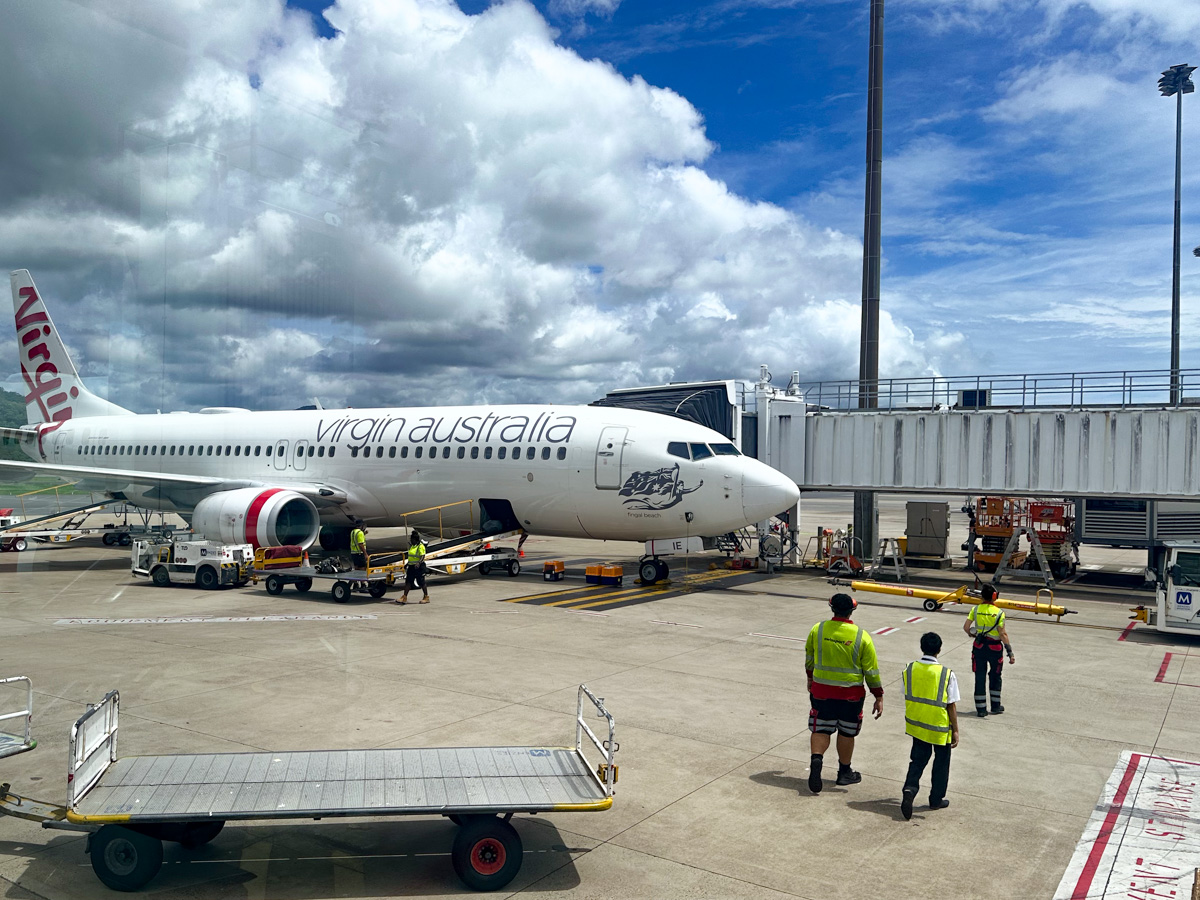
In aviation, it’s inevitable that things won’t always go to plan. Flights can get delayed, cancelled or even diverted, and it’s not always the airline’s fault.
What’s not inevitable, though, is how well an airline communicates with its passengers throughout the disruption. When the communication is good, it puts passengers at ease and minimises the impact of the disruption. But when it’s not good, it makes a bad situation so much worse.
An example of excellent communication
I was recently on a Virgin Australia flight that had to return to Cairns Airport shortly after take-off. The plane’s transponder had failed, so air traffic control could not identify our aircraft. The Traffic Collision Avoidance System (TCAS) would not have worked either.
About 10 minutes after take-off, the captain calmly advised everyone that the aircraft had a “radio failure” and would not be able to continue the flight to Brisbane. Therefore, we had to return to Cairns and he promised to keep us updated.
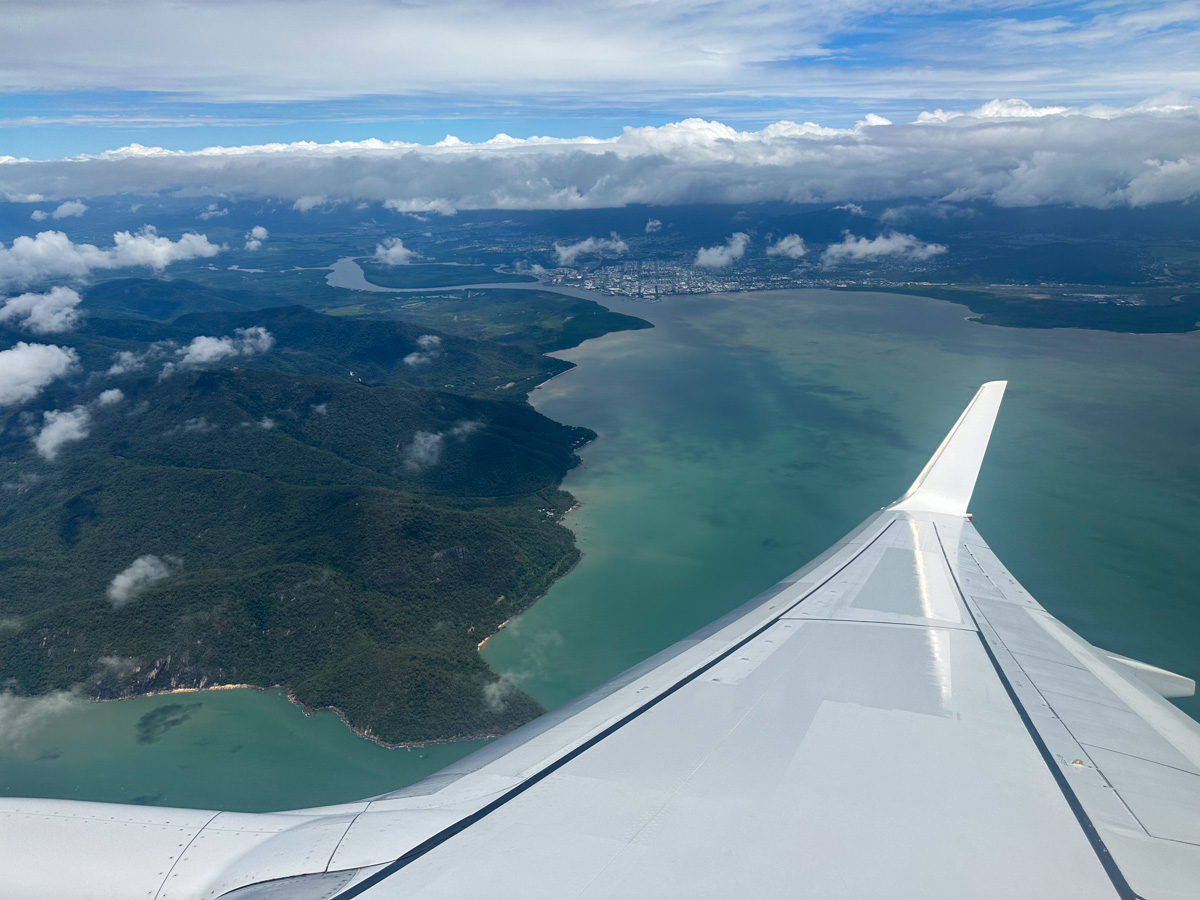
As soon as we landed in Cairns, the lead flight attendant made an announcement giving clear instructions. We would be returning to the gate, she said. Once there we should stay in our seats and keep the aisles and exits clear. We could use the bathrooms while waiting on the ground.
After an engineer had come on board to assess the problem, the captain come out of the cockpit to address passengers at the front of the cabin, where we could all see him. He apologised for the inconvenience and explained the issue in more detail, as well as what they were now doing to try to fix the problem.
After about half an hour on the ground, it became apparent that they wouldn’t be able to fix the problem until a replacement part arrived on another flight. Therefore, the flight would either be delayed for several hours or cancelled. The crew gave clear instructions to passengers with connecting flights (to see ground staff at the gate), and asked everyone to disembark with their belongings. Sure enough, there was indeed a member of ground staff at the gate to answer questions and give advice.
Soon after we’d disembarked, Virgin officially cancelled the flight. I received a notification straight away in the Virgin Australia app. There were several announcements made in the terminal advising passengers to collect their bags from carousel 3. Soon after, Virgin had automatically rebooked me on another flight.
All in all, I thought Virgin handled this really well. The captain’s communication, in particular, was excellent and ensured that the atmosphere inside the aircraft remained calm.
My only real criticism of Virgin’s handling of the disruption is that it took a bit too long for the operations centre to approve meal vouchers for delayed passengers.
It impresses me when pilots address passengers directly
I’ve been on numerous KLM and Lufthansa flights where one of the pilots has come out from the cockpit and addressed passengers directly. In each case, we were still on the ground and air traffic restrictions had delayed our departure. These pilots all explained the exact reason for the delay, how long the delay would be, and what they were planning to do.
Standing at the front of the aircraft cabin to make this announcement may seem like a small thing. But passengers appreciate it!
If a delayed flight hasn’t yet boarded, it also goes a long way when one of the pilots or flight attendants comes to the gate area to directly address passengers and field questions. Unfortunately, this rarely happens.
The importance of clear, concise and timely information
One of my pet peeves as a frequent flyer, other than airline call centres that leave you waiting on hold for hours, is a lack of information when there’s a disruption.
Personally, I don’t think that saying a flight is delayed for “operational reasons” or a “late inbound aircraft” is sufficient. Yet, most of the time, this is all the information you’ll get.
In fact, I once asked a gate agent at Sydney Airport why the airline had just cancelled my flight to Canberra. He barked back at me that “we’re not required to give out reasons for cancellations”.
My travel insurer would disagree with that! In fact, they recently told me that “operational reasons” was too general of a term for them to process my travel insurance claim for a cancelled flight. They said I needed to get more information from the airline before they could proceed.
As an aviation geek, I would personally be quite happy with a very detailed explanation about exactly which part of the aircraft needs maintenance, which part they’re replacing, and where that part is coming from. Or that the flight is delayed because we’re waiting for the first officer to arrive on QF454, which is due to land at 17:18. Or that the inbound aircraft got delayed earlier in the day at Adelaide Airport due to a thunderstorm there.
I realise that most people probably don’t care about that level of detail. I also understand why airlines might be reluctant to share it.
A happy middle ground would be nice. “Delayed due to operational requirements” is meaningless and leaves you in the dark.
Related Articles
-
 20 March, 2024Rex & Regional Airlines, Virgin Australia
 -
 15 February, 2024Travel Tools & Technology
 -
 14 March, 2024Global Airline Alliances
Community Comments
Loading new replies...
Join the full discussion at the Australian Frequent Flyer →