A Guide to Flying Qantas with Children

Travelling with children often involves significant planning and a fair amount of flexibility. When flying Qantas with children for the first time, many aspects can feel uncertain, from choosing the best time to fly, knowing what to bring and how to keep children comfortable and entertained.
This guide explains up to date information on what to expect when flying Qantas with children, covering the booking experience, lounge access and onboard product.
Joining Qantas Frequent Flyer
You can sign your child for a Qantas Frequent Flyer account as soon as they are born. Their name must match their birth certificate or passport, although a passport isn’t required at the time of enrolment.
Your child can start earning Qantas Points and status credits on any paid child fare. Infant tickets, however, do not earn points or status credits because infants travel on an adult’s lap and effectively, do not occupy a seat. Similarly, the costs are minimal when booking a reward seat for an infant.
Once your child turns 2, you must purchase a ticket for them and they get their own seat. You will need to select a child ticket if you have a child between the ages of 2 and 11 years of age when booking on the Qantas website.
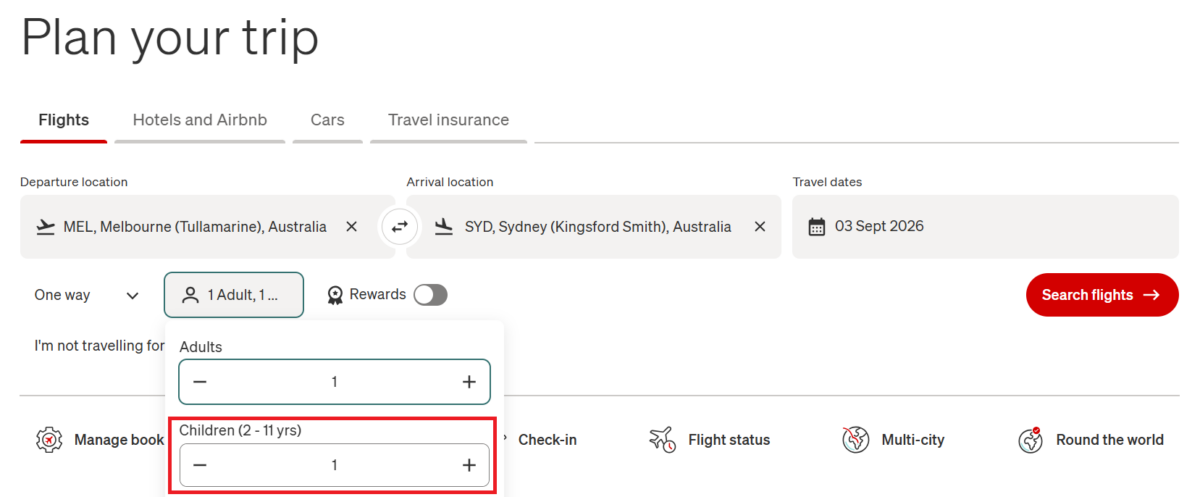
The good news is that they will earn full Qantas Points and status credits. A great way to start them early on their lifetime status credits tally!
Domestic tickets
Domestic cash fares for children cost the same than adult fares and have the identical inclusions. Similarly, Qantas Classic Reward seats also require the same number of points as an adult ticket.
Although adult and child tickets include the same checked‑bag allowance, children can bring two extra items, typically a stroller or car seat.
International tickets
When flying Qantas with children internationally, child fares usually cost around 75% of the adult fare. Once a child turns 12, they pay the full adult price. For reward bookings, children over two require the same number of points as adults, although taxes may be lower.
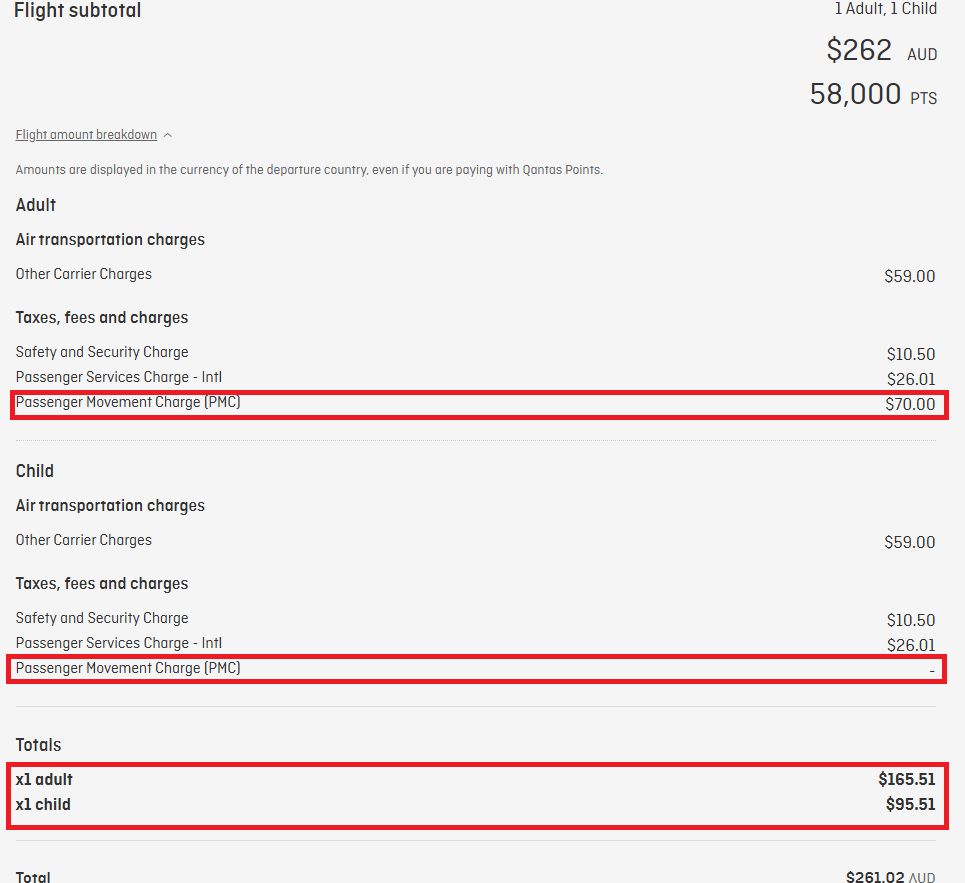
For example, this Melbourne to Hong Kong itinerary for 1 adult and 1 child shows that the child reward seat avoids the Passenger Movement Charge (PMC) fee, making the child classic reward ticket cheaper than the adult one.
Flying Qantas with children and lounge access
Domestic lounges
Qantas status holders, along with Qantas club members can guest children into a Qantas lounge.
When flying Qantas with children, any child aged 0–3 can enter Qantas lounges without any limit, provided they’re travelling with an adult. For children aged 4–17, each lounge eligible adult may bring up to two in this age group, in addition to any adult guests entitlement. Once a child turns 18, they’re treated as an adult for lounge access purposes, meaning the standard guest rules apply.
If your child holds Qantas Gold status or higher, they must travel with an adult whom the minor can guest into the lounge.
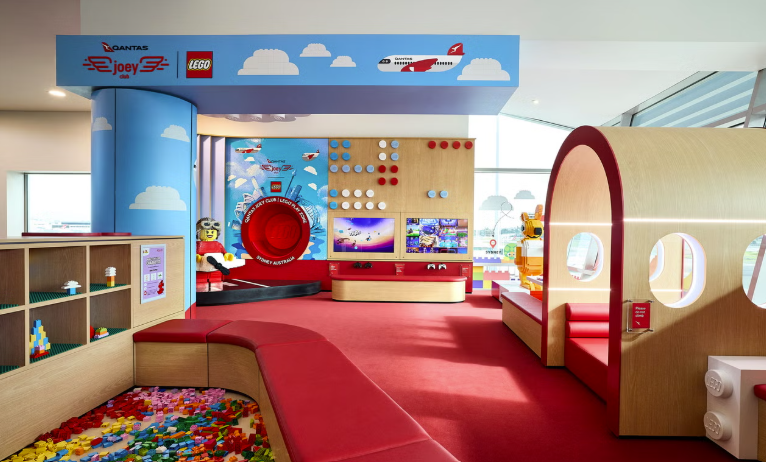
Qantas features “Joey Club” zones in their domestic Qantas Club lounges, giving children their own areas with dedicated furniture, toys and books. These spaces are available within Qantas clubs in Adelaide, Brisbane, Cairns, Canberra, Darwin, Gold Coast, Melbourne and Perth. The Sydney Qantas Club has partnered with LEGO Australia with a dedicated LEGO and DUPLO brick pit, gaming stations and a zone with colouring and books.
International lounges
Qantas Frequent Flyers can guest children into Qantas operated international lounges, as their guesting allowance explicitly includes kids. However, when you access international lounges not operated by Qantas, such as Oneworld partner lounges, any child over 2 usually counts toward your guest allowance. In these cases, lounge memberships such as Priority Pass or services like LoungePair can be useful.
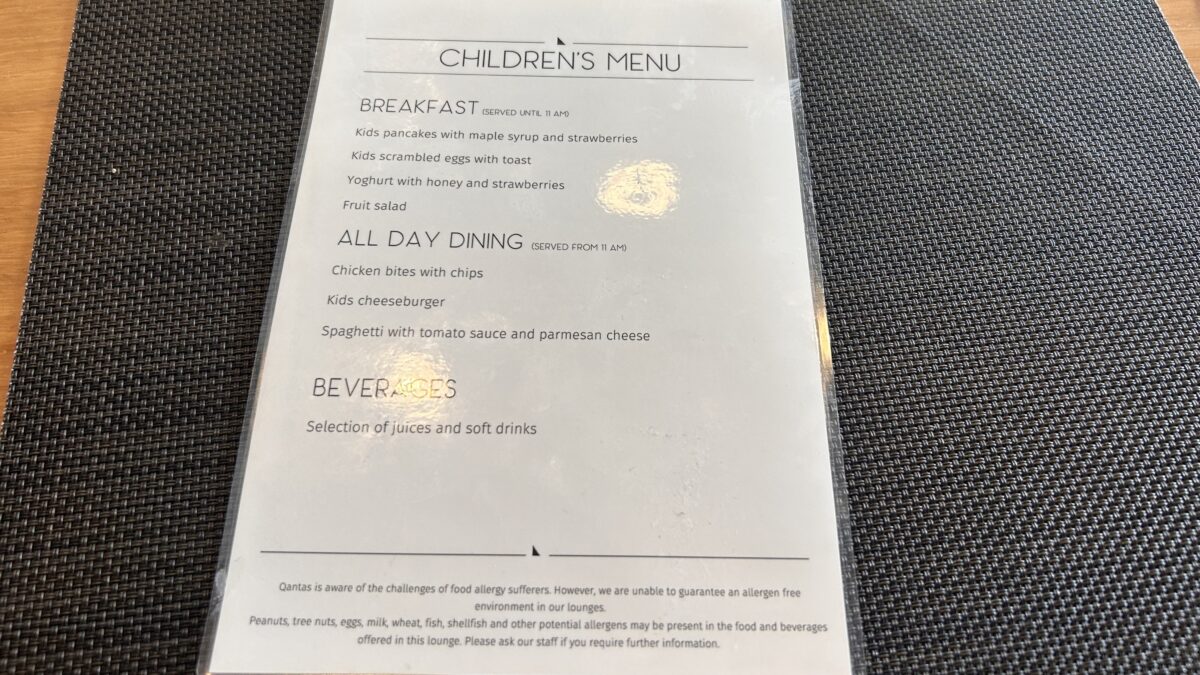
For Qantas Platinum status members, Qantas’ First Class lounges also offer a dedicated children’s menu, which makes dinning a more family friendly affair.
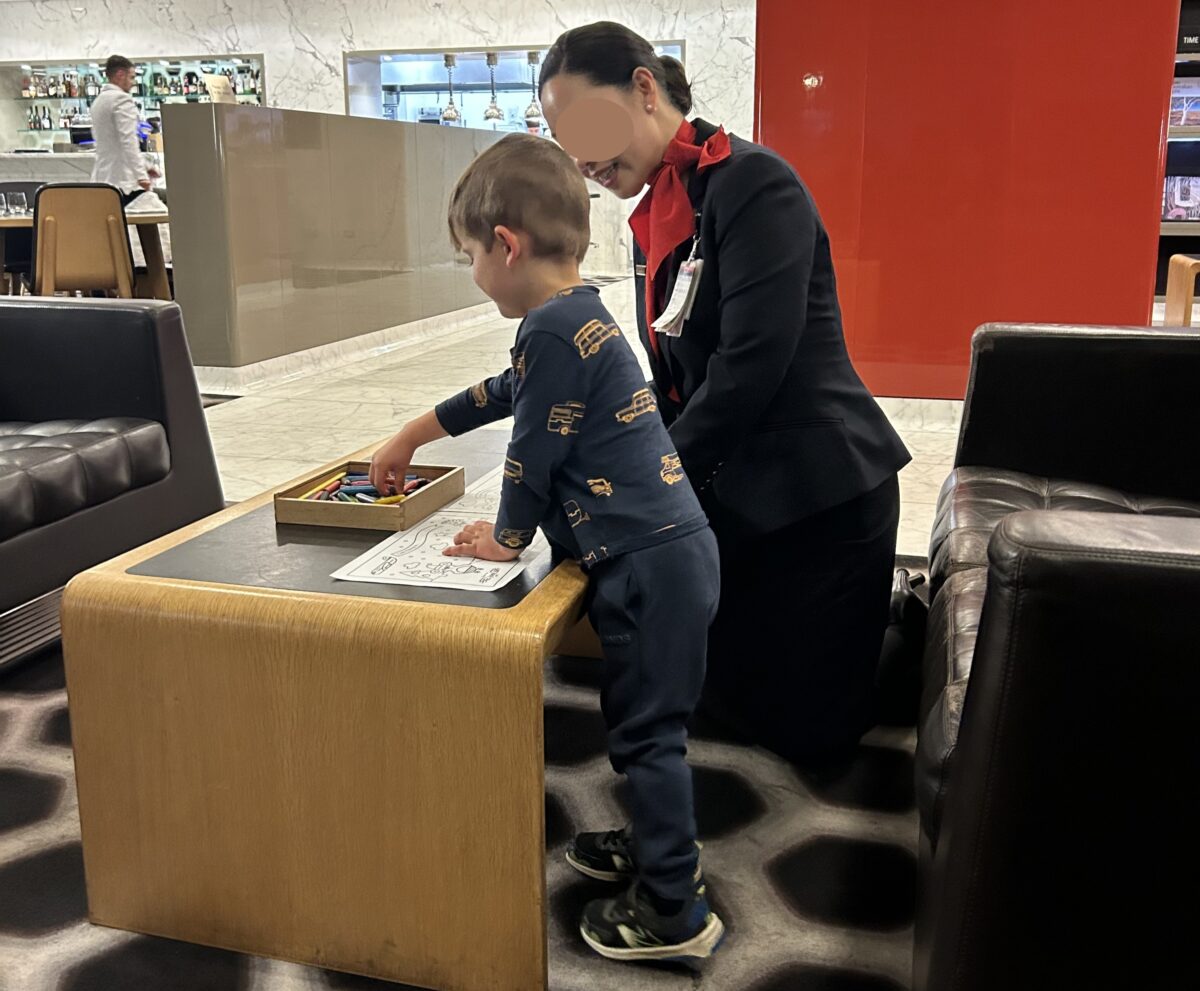
The Qantas lounge staff tend to engage very well with children.
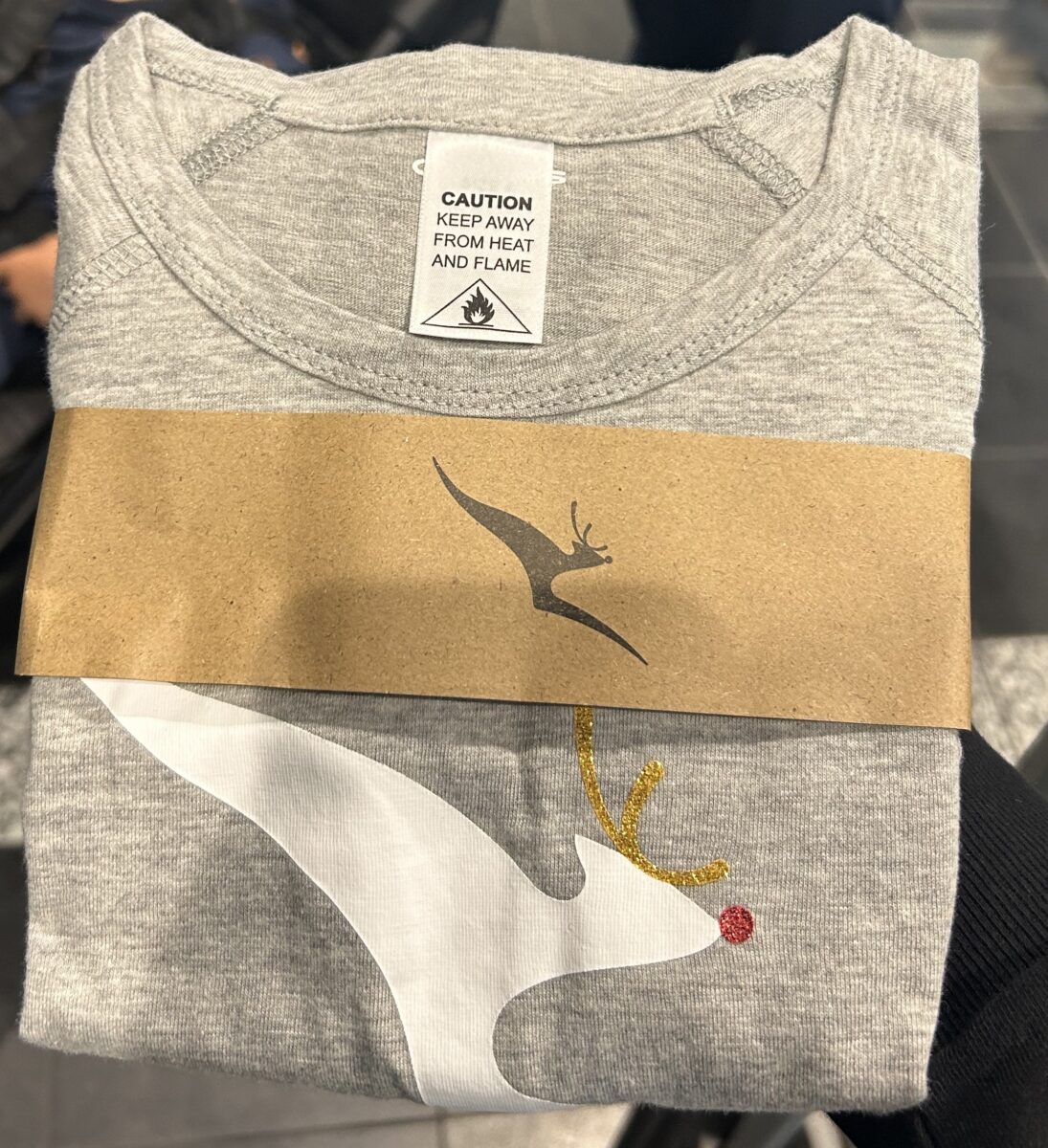
In holiday periods, Qantas may have children pyjamas, soft toys and small airplane toys available.
Internationally, the Hong Kong and Auckland lounges have a designated children area.
Boarding
Qantas offers early boarding to families travelling with infants. Children over two receive a boarding group and must board when their designated group is called.
There is discretion of the Qantas staff to allow early boarding to families with children and this is sometimes applicable on flights to USA and Europe.
Children meals
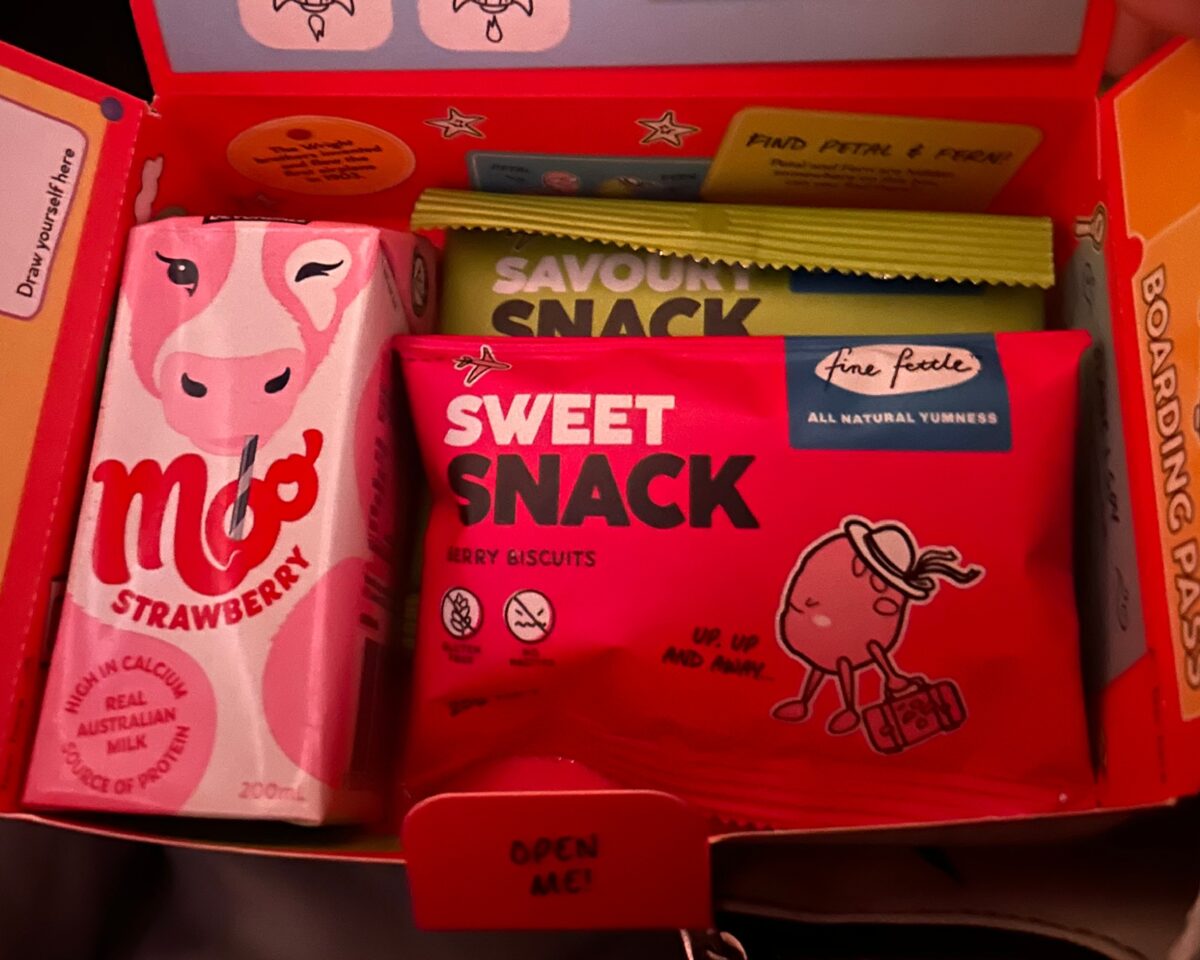
When flying Qantas with children on economy domestic routes where Qantas only serves a snack, they receive the same snack as adults.
Qantas provide child meals on selected flights, including:
- Domestic Business Class.
- International flights (any travel class).
Qantas considers a child meal as a special request. To order one, you will need to do this online through “manage your booking” and selecting this as a dietary requirement.
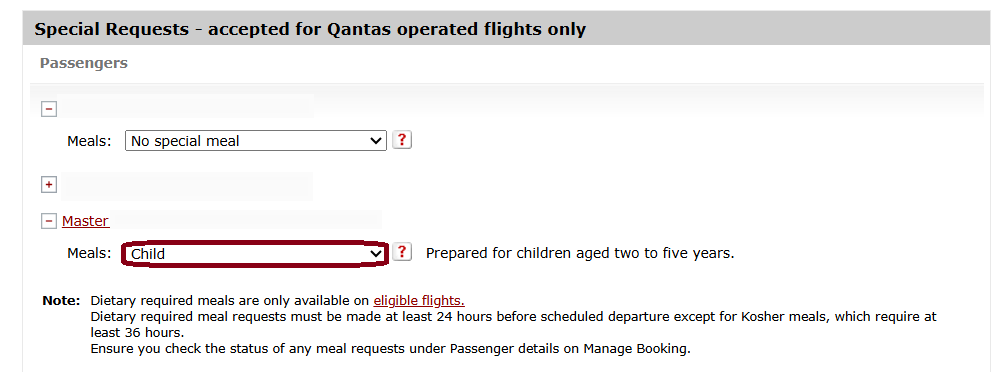
Unfortunately, if you don’t select a children’s meal, you won’t receive one. You must pre-order it at least 24 hours before your scheduled departure.
If you are considering using your Qantas Points for a travel class upgrade and your request is successful, Qantas advises that you may not receive your special meal.
Whilst Qantas has attracted some criticism for its inflight catering, its children’s meals generally offer generous portions and a good variety for fussy eaters.
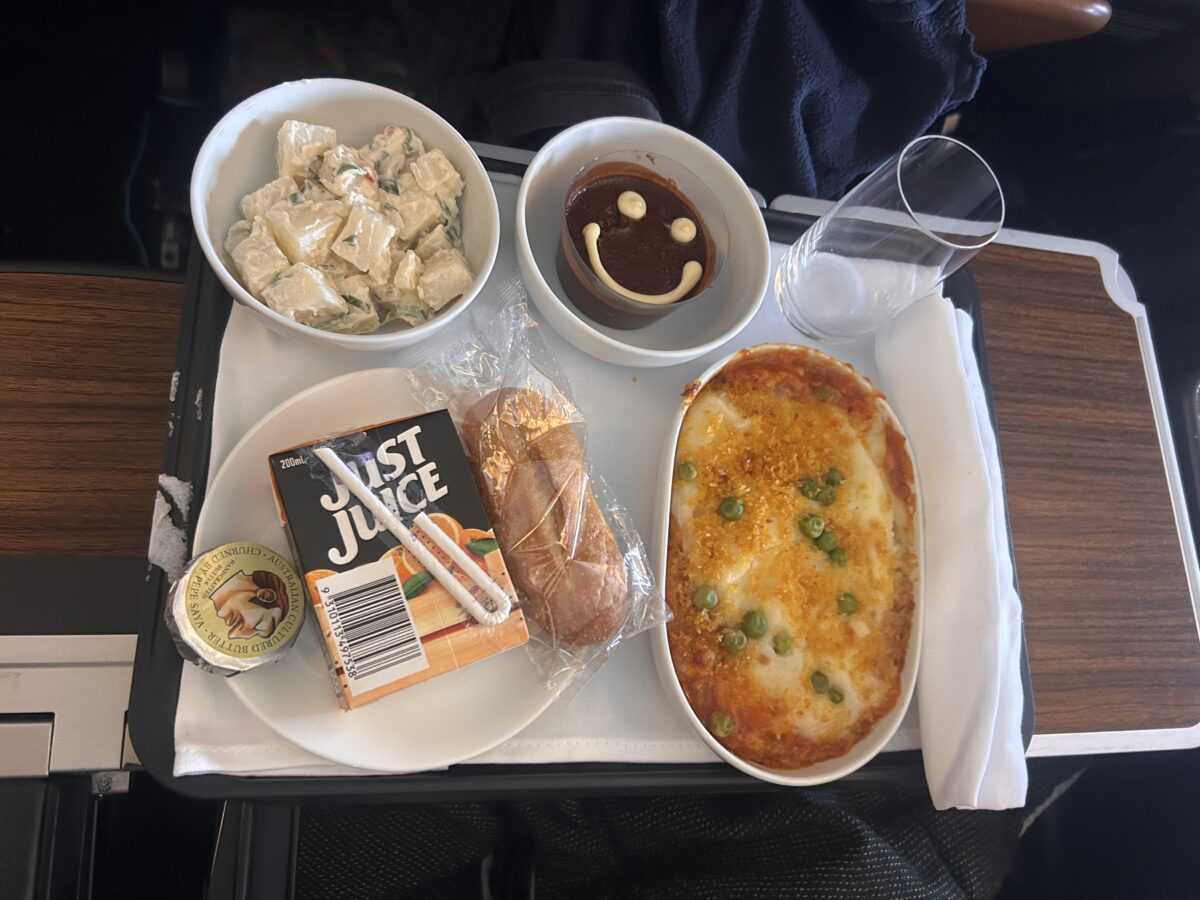
Catering out of Australia is often particularly generous, with children’s meals typically including plenty of food and additional snack packs.
Inflight entertainment
Qantas offers entertainment kits on select domestic and international flights, and these kits best suit children aged three and above. The current kits are in partnership with Paramount+ which include activities and games.
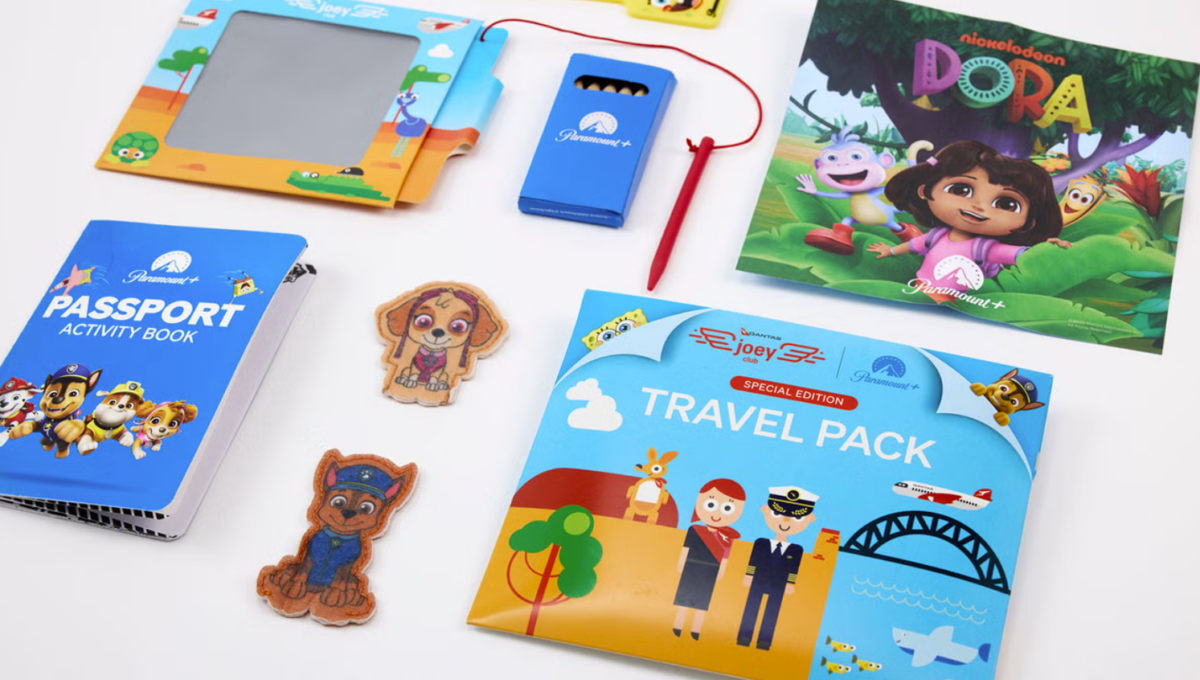
The crew may offer Paw Patrol socks on selected (mainly international) flights out of Australia.
Qantas includes a dedicated kids’ section on its inflight entertainment, featuring TV shows, movies and audiobooks. Children can access the entertainment via the seat-back entertainment or the Qantas entertainment app.
Using car seats or child restraints
Children over four years old, weighing more than 18 kg, and/or over 100 cm are generally recommended to use their own aircraft seat. For younger children, parents may want to enhance safety through the use of car seats or child restraints. This is completely a personal choice.
It is important to confirm directly with Qantas the suitability of any car seats. It’s best practice to call before your flight to confirm eligibility and approval of any onboard car seats.
Car seats
Car seats must carry the appropriate certification, which depends on the country where the seat was purchased. For example, Australian purchased car seats has a design standard requirement: AS/NZS 1754.
On Dash‑8 and Fokker aircraft, cabin and seat‑frame limitations prevent some car seats from being fitted.
There are additional considerations for car seats when onboard Qantas’ A330, A380, A321 XLR, Boeing 737 and 787:
- The seat must have a single release harness, which secures the child’s lap, torso and shoulders.
- The seat in front must be able to fully recline.
- The parent or guardian is responsible for fitting the car seat according to the manufacturer’s instructions. They also need to seat beside the car seat.
- The car seat is not fitted to an aisle seat or emergency row as it impedes the evacuation of others.
- When more than one car seat is required, the seats are fitted to each row provided they are from the same family.
At check-in, you need to show the car seat to the airport staff and also to the cabin crew before installing. Staff will require you to check in the car seat if they determine it is unsuitable for use.
Child restraints
Although the Qantas website still states that child restraints like the CARES harness are permitted, reports suggest that rules have changed last year and these are no longer allowed.
Inflatable cubes
Qantas has recently approved onboard inflatable cubes. The item can be brought within the adult or child’s carry-on allowance. Inflatable cubes sit securely on the floor space in front of the seat. The staff will need to check that the item is suitable for use.
The inflatable cube needs to meet the following requirements:
- It inflates manually – cubes that are battery-operated cannot be used onboard.
- Has a quick-release valve or another way to release air quickly if needed.
- Still lets you fasten, unfasten and tighten your child’s seatbelt as normal.
- Fits within the space in front of your seat, so it doesn’t affect other passengers’ comfort or access to their seat.
- Won’t risk damage to seats, tray tables, entertainment screens, air vents, seat mechanisms, or emergency equipment.
The inflatable cube can only be used in Economy or Premium Economy. They cannot be used in emergency exits or bulkhead rows and they need to be on window seats for narrowbody aircraft or either a window seat or centre seats in the middle block for widebody aircraft.
Related Articles
-
 2 October, 2025Airports & Lounges, Qantas
-
 27 February, 2026Airports & Lounges, Qantas
-
 20 October, 2025Points Inspiration, Qantas