The Fate of “Second” Airports Far from the City Centre
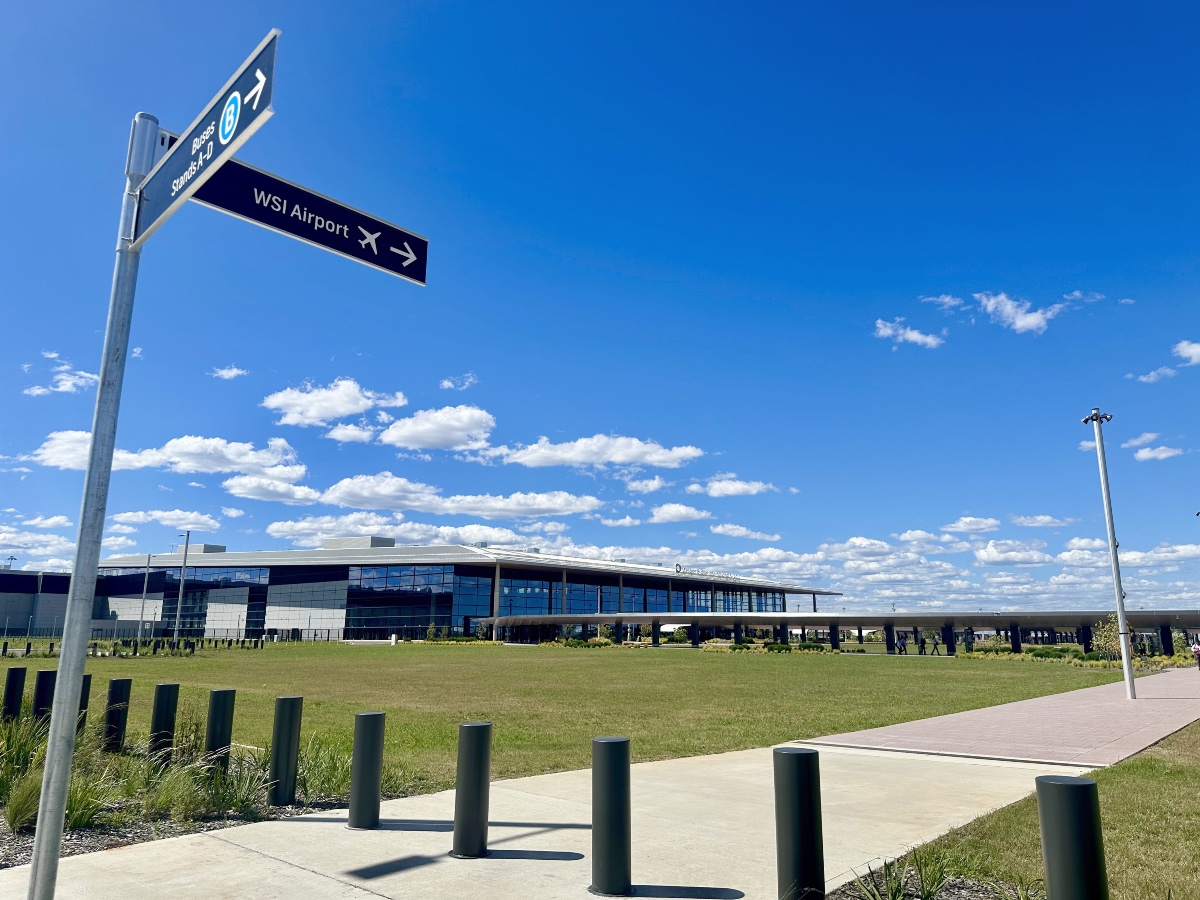
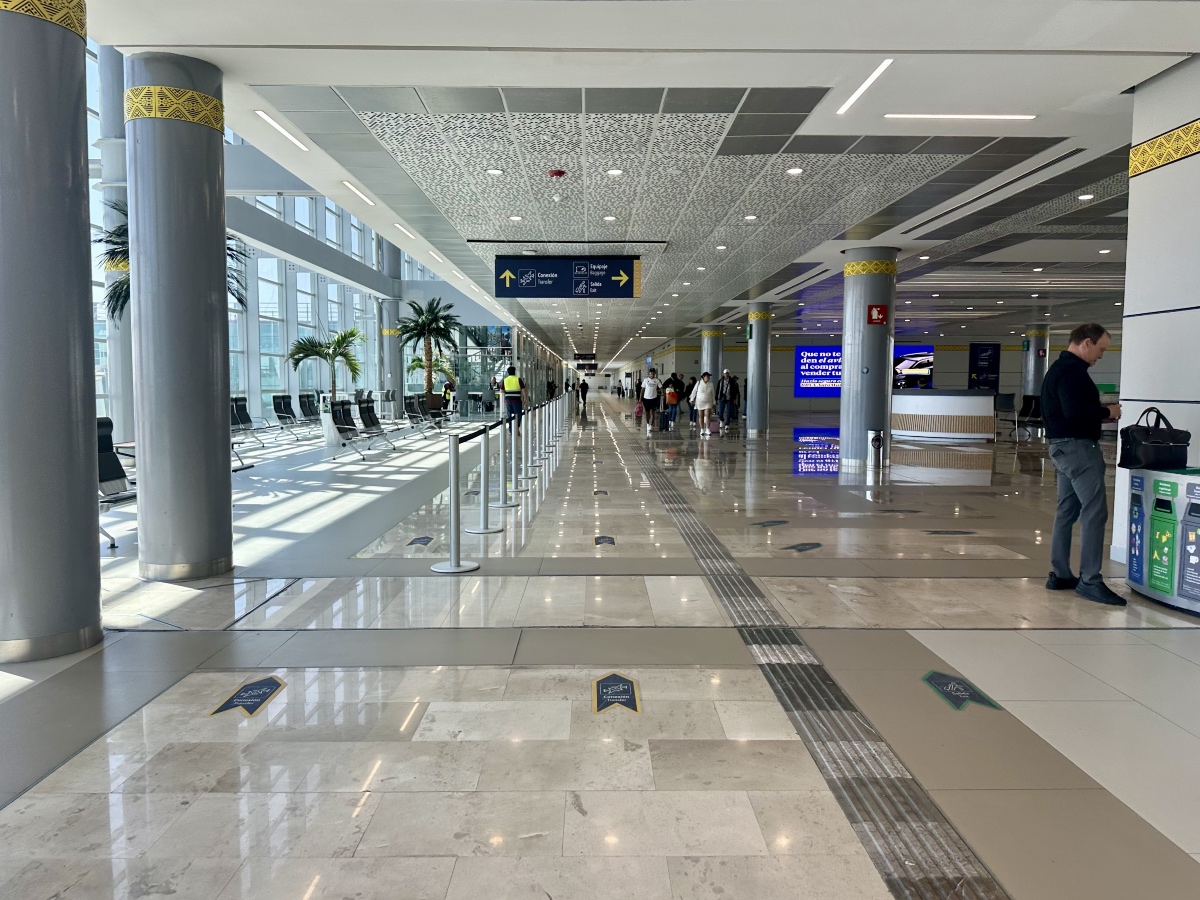
As I arrive at Western Sydney International Airport, I’m reminded a bit of Felipe Angeles Airport (NLU) on the outskirts of Mexico City.
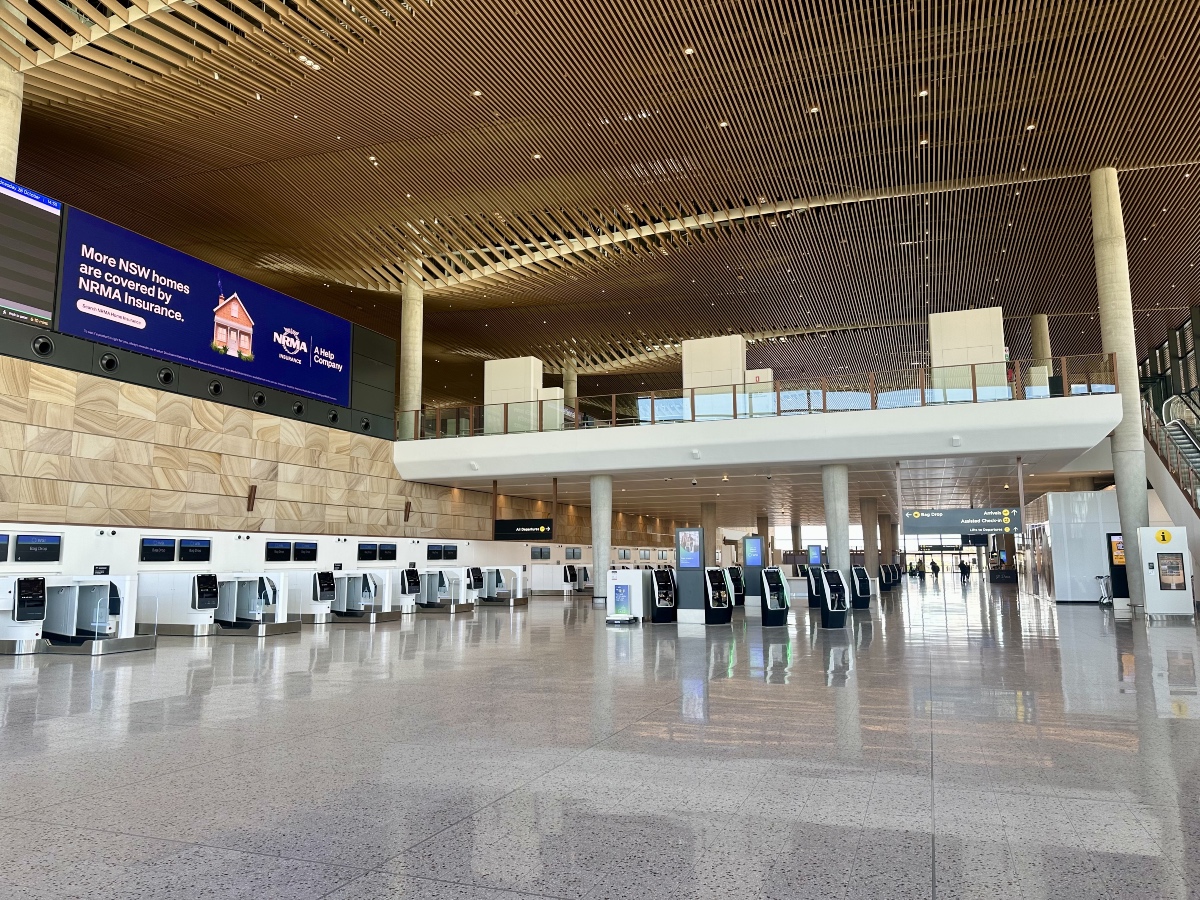
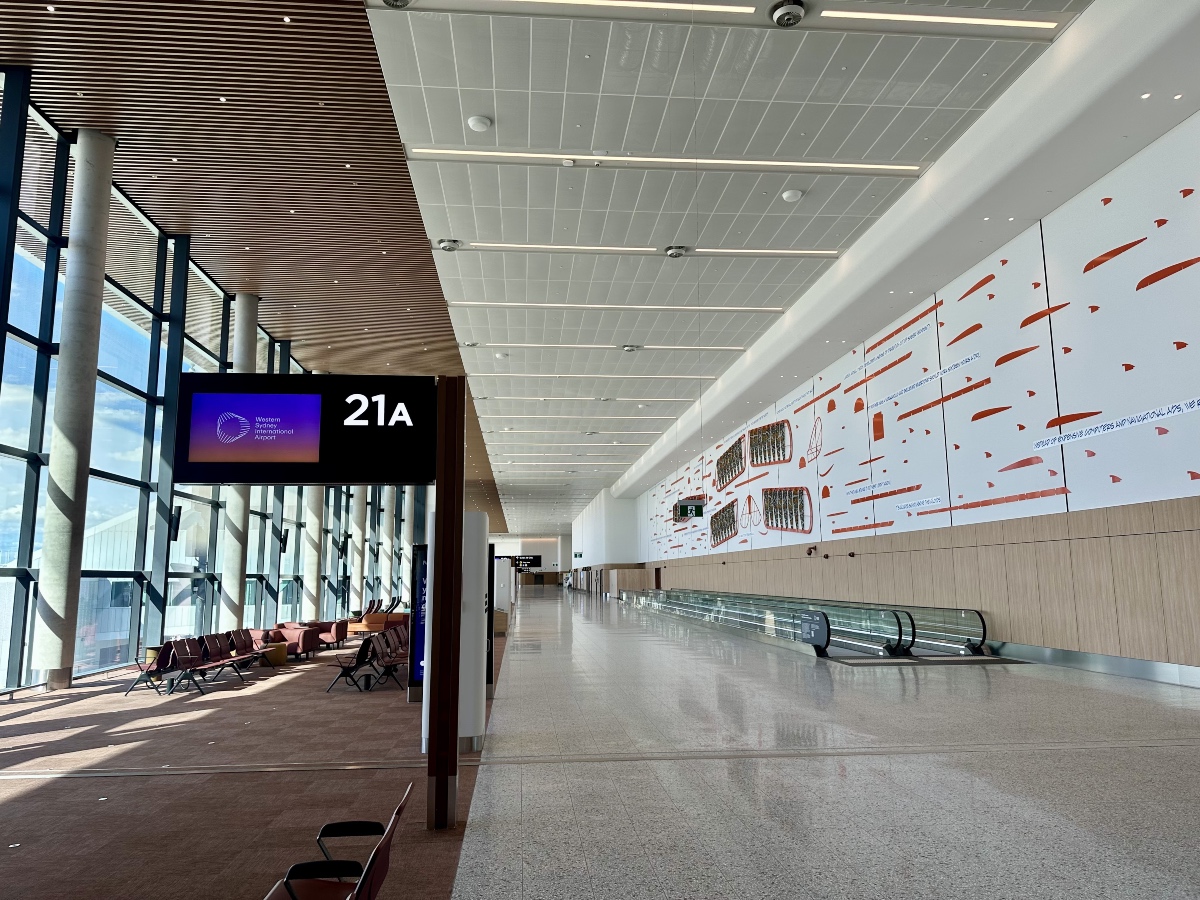
Western Sydney’s brand new airport, designated with the IATA code “WSI”, has a bright, well-designed terminal building that’s filled with artwork. It feels much bigger than it needs to be (at least, for now). There are no queues. And, like NLU, it’s a very long way from the city centre.
Around the world, many major cities that began with one centrally-located airport have since opened a second (or third) airport that is much further away from the city. Shanghai, Hong Kong, Kuala Lumpur, Berlin, Istanbul, Rio de Janeiro, São Paulo, Denver, Tegucigalpa, Rome, Jakarta, and even Ulaanbaatar are just a few examples that come to mind.
In most cases, this has been necessary because the original airport was at capacity and couldn’t grow any further.
Other cities with congested central airports that cannot grow, such as Lisbon, are currently in the process of doing the same thing.
Sometimes, the new “far away” airport is much larger than the original one, and is intended to ultimately take over as the city’s main airport. This isn’t the case with Western Sydney Airport, which is objectively smaller than Sydney Kingsford Smith Airport (SYD). But WSI is definitely designed to relieve pressure from Sydney’s congested main airport, which is slot-constrained and can’t really expand its footprint any further.
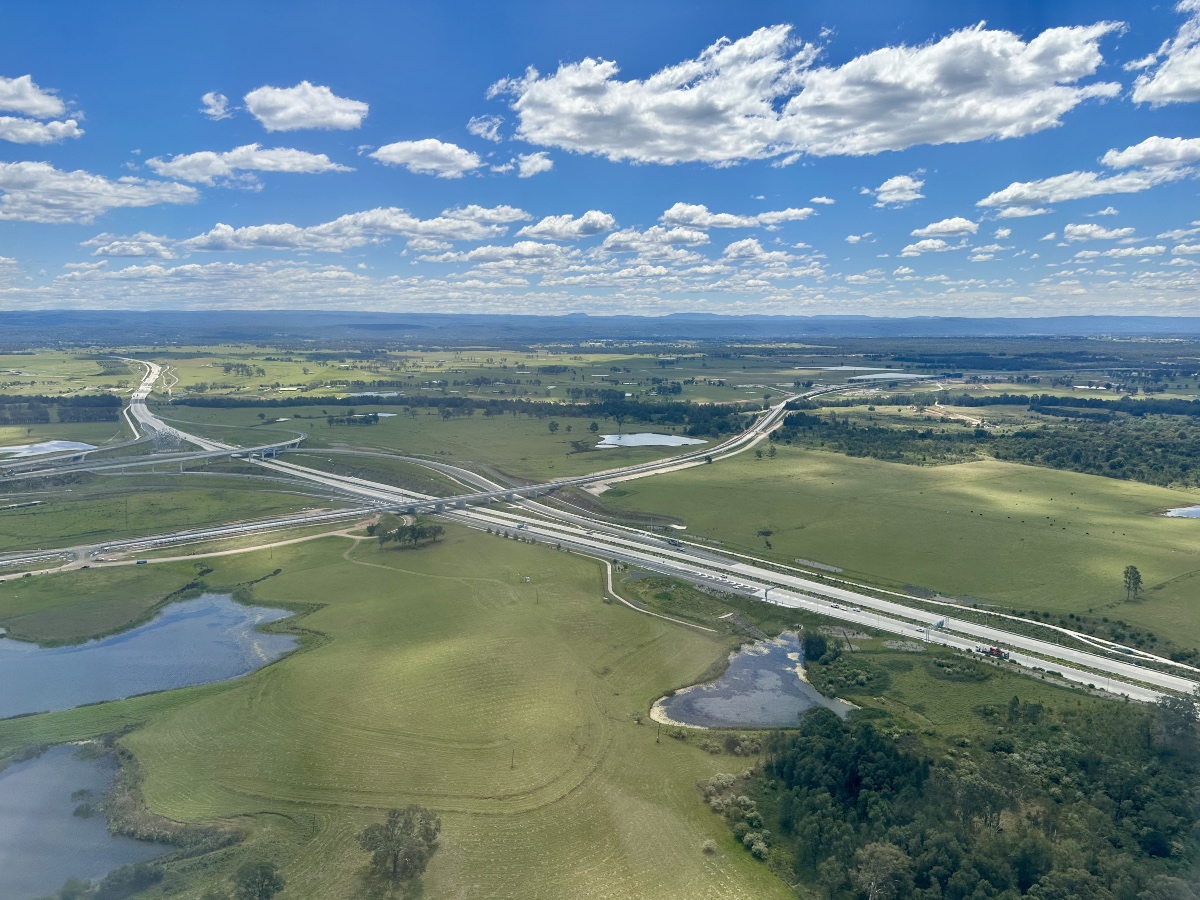
Western Sydney Airport is a 56km drive from the Sydney CBD
A brand new airport can have all the modern conveniences… but convincing passengers to travel further, to get to an airport they aren’t familiar with, can be a challenge. And if passengers don’t want to use an airport, airlines won’t see the demand necessary to justify adding flights there… which means the airport won’t have enough flights to attract passengers. It’s a catch-22.
To get from WSI to the Sydney CBD using public transport, you’d currently need to take a 39-minute bus ride to St Marys and then jump on an hour-long train. By comparison, the train journey from SYD to Central station takes just 12 minutes.
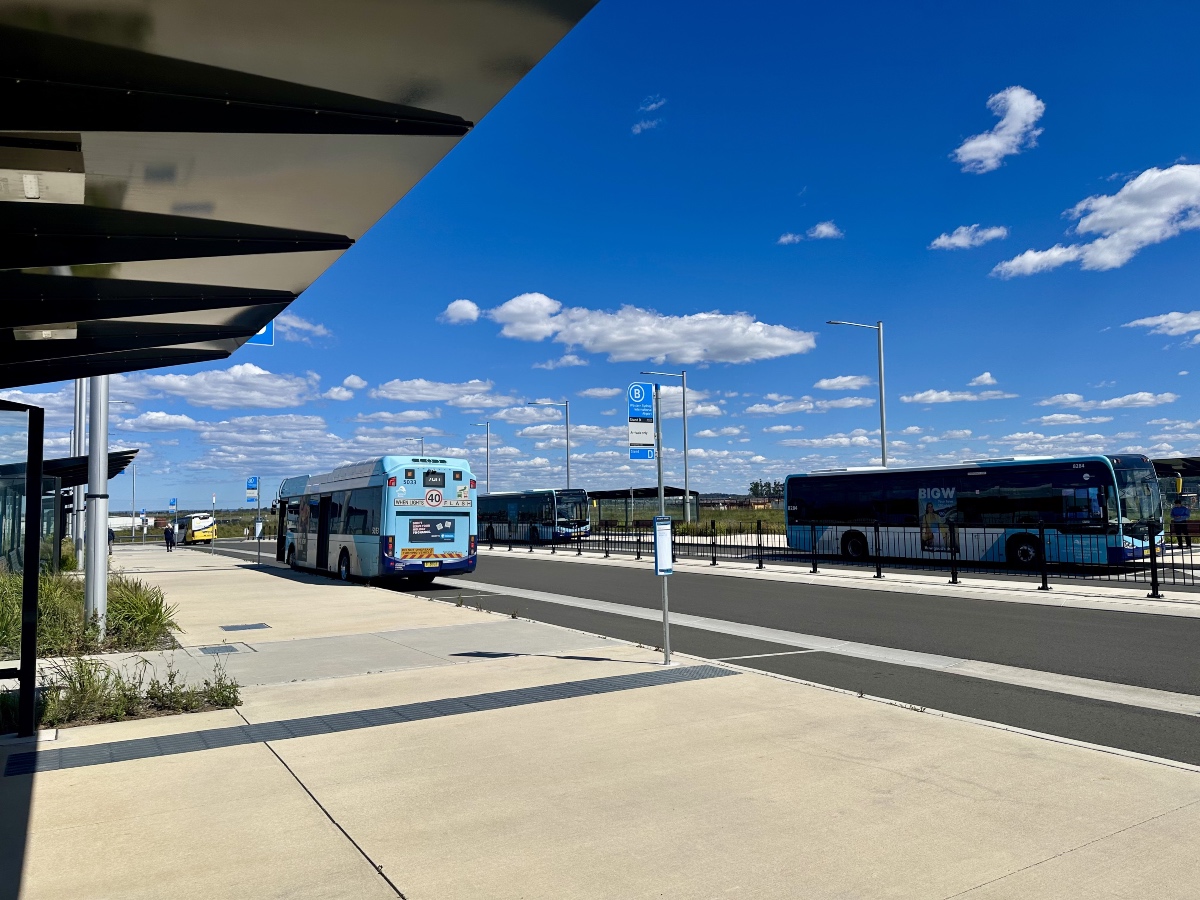
Luckily, a faster metro rail connection between the WSI and St Marys is now in the final stages of construction. If we’re lucky, it will open in about a year.
Incentivising airlines and passengers to switch to the new airport
So, how do you encourage airlines to serve a new airport that’s less convenient for many people to get to?
Some governments have tried to lure airlines to new, far-away airports using incentives. This is one of the approaches that WSI and the NSW government are taking. Of course, making the airport as useful and convenient as possible also helps.
Others have simply:
- Closed the old airport completely (such as Berlin Tegel or Denver Stapleton airports),
- Banned jet services at the old airport (like Kuala Lumpur’s Subang airport),
- Banned international flights from the old airport (like Rio’s Santos Dumont or Tegucigalpa’s Toncontín airport), or
- Placed a limit on the length of flights permitted to operate from the old location (like New York’s LaGuardia).

The new Palmerola International Airport (XPL), which is designed to serve the Honduran capital of Tegucigalpa, is over 80km away from the city. (Building a major airport closer to Tegucigalpa would have been too challenging due to the mountainous terrain.) So, it would take more than just some minor incentives to encourage people to use it.
Some “second” airport projects have failed
In 1975, Montréal–Mirabel International Airport (YMX) opened more than a 50km drive away from downtown Montreal. The Quebec government intended for this to ultimately replace Montreal’s existing main airport (YUL). It even forced intercontinental flights to use Mirabel to try to push traffic to the newer location. But Mirabel never gained popularity – largely because it had poor transport links and was just so far away. It ultimately stopped serving passenger flights in 2004 and went down in history as a massive “white elephant”.
Montreal’s much more popular “new” second airport, YHU, opened to commercial flights this year. It is closer to the city and is designed to serve regional flights.
Earlier this year, I flew into both MEX and NLU airports in Mexico City. MEX is overcrowded and, frankly, offers a terrible passenger experience. But it is conveniently located within Mexico City and has a metro station within walking distance. NLU, on the other hand, is a two-hour taxi ride from Mexico City.
Mexico City’s NLU airport does have some commercial flights, and it’s objectively a very nice airport. But, like Mirabel, it has never really taken off (pardon the pun). Locals and visitors don’t want to use it because it’s just so far away from the city centre – and hard to get to.
There is no train to NLU, and you can’t even order an Uber or DiDi from that airport because the airport has gone out of its way to ensure rideshare apps don’t work there. You can order an Uber from the Holiday Inn across the road from the terminal, but the airport has intentionally made it physically impossible to walk there from the terminal. The only other ways out of the airport are by private vehicle or bus – and the buses are not convenient, in my experience. No wonder passengers don’t want to use that airport – and therefore, airlines don’t want to serve it.
It doesn’t have to be this way. Shanghai’s Pudong International Airport is also a lot further away from downtown Shanghai than the city’s original Hongqiao Airport. But Pudong is connected to the city in just 8 minutes by frequent Maglev trains that reach speeds of up to 300km/h.
Why WSI is not doomed
Despite the current public transport situation, I don’t think Western Sydney International Airport is doomed – quite the opposite, in fact.
Firstly, WSI is not intended to completely replace SYD as Sydney’s main airport. It will certainly relieve pressure on SYD – not least by removing most of its cargo flights – and does offer Sydneysiders an alternative. But WSI is never going to attract business travellers who want to go to the Sydney CBD for a day trip – and isn’t trying to.
The main reason I think Western Sydney Airport will thrive is that it’s not just a second airport for the centre of Sydney, but also a primary airport for a large population of people who actually live in Western Sydney. That’s a growing catchment area in and of itself of around 3 million people – more than the population of Perth.
The lack of a curfew is another key benefit for airlines that SYD doesn’t offer.
(I do wonder how many SYD-bound flights we’ll soon see diverting to WSI after 11pm on evenings with bad weather around Sydney, but that’s another story.)
Given the various incentives and benefits, it’s little surprise that Jetstar and Air New Zealand have already commenced flights to WSI. Singapore Airlines, QantasLink, Fiji Airways, Vietjet Air and Qatar Airways will soon follow. (Singapore Airlines will use the airport to offer a late night departure to Singapore – something it has wanted to do for years but cannot do at SYD due to its curfew.)
More airlines will no doubt add more service in time. And given the limited slots available at SYD – most of which are not at convenient times – any brand new airline wanting to set up a base in Sydney would probably have to use WSI. Perhaps Koala Airlines or a future Australian subsidiary of Vietjet Air?
Besides, for a new airport, my experience of flying in and out of WSI was pretty great. The biggest benefit is that it lacks the perpetual crowds of SYD. It will be even nicer once the various lounges open that are currently under construction.
WSI also has one final X-factor that SYD cannot compete with: it’s so far away from the city that overseas visitors genuinely have a chance of being greeted by kangaroos when they exit the terminal.
Related Articles
-
 23 September, 2026Airports & Lounges
-
 28 August, 2026Ground Transport
-
 26 May, 2025Qantas