Why Hotels Nickel-and-Diming Elite Members Is So Short-Sighted
Many hotel chains – including Hilton, IHG, Marriott, Accor, Hyatt and Radisson – offer free breakfast to their top-tier elite members as a reward for their loyalty. Those elite members are typically people who spend tens of thousands of dollars each year with that hotel chain.
In fact, elite members with hotel loyalty programs often go out of their way – and are willing to spend more money – to stay with that chain. Why? Because they believe the loyalty recognition and rewards are worth it.
These high spending, loyal, repeat customers are exactly the kind of customers that hotels want to attract. Yet, some hotel owners think it’s a good idea to try to nickel-and-dime this very group of customers. That quick extra buck they might make in the short term could lose them thousands of dollars in the longer run. After all, loyalty programs stop keeping members “sticky” if they no longer feel valued.
A perfect example: The breakfast tax
As a frequent traveller, I hold status with a few different hotel loyalty programs including Accor Platinum and IHG Diamond. Both of these tiers offer complimentary breakfast as an advertised benefit (albeit only in Asia Pacific, in the case of Accor).
Recently, when staying at an Accor hotel in Melbourne, I was asked if I wanted any eggs made to order with my free Platinum breakfast. I could choose between fried eggs, poached eggs, scrambled eggs or an omelette. I asked for an omelette with mushrooms, and was told this would cost an extra $4. The kitchen had mushrooms available, but only a plain omelette was included with my breakfast entitlement, apparently.
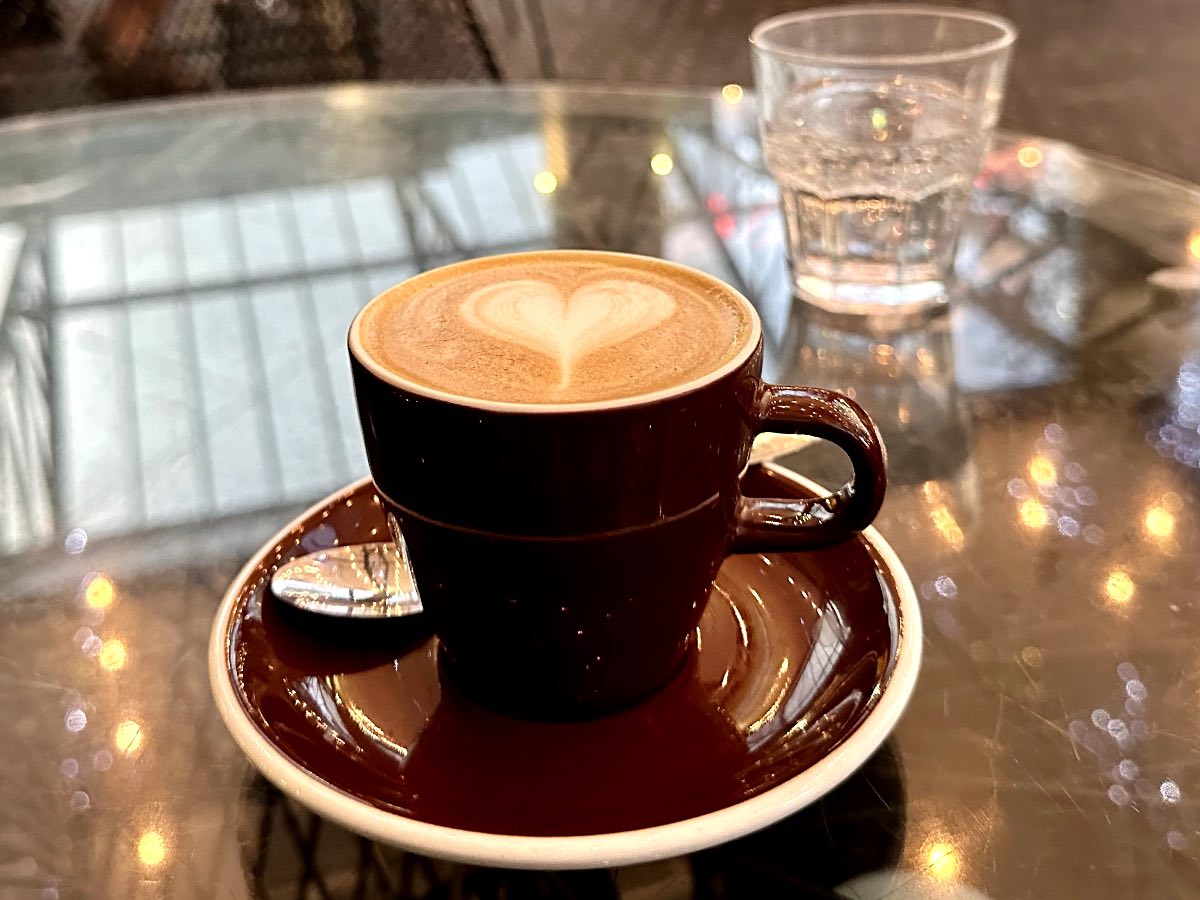
Another pet peeve is when hotels advertise free breakfast as an elite status benefit, but then try to charge extra for barista coffee. Hilton Sydney was one of the first hotels to start doing this in Australia, and it’s slowly started to catch on elsewhere.
The money is not the point
Of course, this is very much a first-world problem. I can live without mushrooms in my omelette, and I can also afford to pay $4.
The amount of money is not the point.
$4 for mushrooms or $5 for coffee is neither here, nor there. But by adding random and often unexpected extra charges to something that is supposed to be a complimentary elite benefit, the hotel is turning an enjoyable, frictionless experience into a transactional one. In order to get mushrooms in my omelette, I would need to get out my credit card, or sign a cheque to charge the amount to my room, which I’ll then have to settle upon checkout.
If I was travelling for business, my employer might have prepaid for the hotel room with breakfast. I’m now going to have to pay out of my own pocket, or submit an expense claim, to add mushrooms to my omelette. The level of friction is high.
More to the point: By doing this, the hotel is telling me that my loyalty, the hundreds of dollars I’ve spent on that stay, and the many thousands I’ve spent that year with the chain overall, is not worth enough to them to put mushrooms in my omelette. Why send this signal to your most valuable guests? Aren’t hotels supposed to be in the business of hospitality?
That small moment of feeling like you’re being nickeled-and-dimed can leave a lasting impact on someone’s long-term hotel loyalty choices. Many will remember that feeling of frustration long after they forget all the other ways hotels go out of their way to try to make elite members feel valued.
Irking your most valuable customers when they’ve just arrived at breakfast is especially prickly because they probably just woke up and haven’t had their morning coffee yet. 😳
For the record, I didn’t pay the $4 for mushrooms. I ate a plain omelette, found it a bit bland, and vowed to myself to never return to that hotel again.
Hotel owners are looking at the wrong numbers
Sure, if 10 Diamond members each day choose to pay extra for barista coffee, the hotel owner makes $50 immediately. But adding friction to the elite member experience does nothing to endear future loyalty. If just one of those 10 people is annoyed enough that they choose a different hotel next time, that hotel might lose thousands of dollars in future revenue.
Of course, that lost future revenue won’t show up on the hotel’s balance sheets. Only the $50/day earned from coffee sales will. But looking only at that revenue is short-sighted. It doesn’t account for the way it undermines an otherwise good loyalty program and can destroy long-term loyalty.
Not only might that individual hotel lose future revenue, but the whole chain could. That’s bad for all the other hotels that belong to that chain, too.
A need for better brand standards?
Admittedly, the potential for lost future revenue at other hotels is unlikely to affect the decision-making of a single franchisee hotel owner. So, perhaps the chain itself needs to set and enforce clearer brand standards to prevent this sort of nonsense nickel-and-diming happening at any of its hotels.
Some hotels get away with adding a “breakfast coffee tax” by claiming that barista coffee is a speciality drink which is excluded from the complimentary breakfast benefit. I couldn’t find any reference to this in the terms & conditions for IHG One Rewards or Hilton Honors – nor for Radisson Rewards, where I also once ran into this issue as a VIP member. Nonetheless, the loyalty programs themselves don’t seem to be doing anything to prevent this from happening – and so it continues.
Related Articles
-
 19 July, 2024Qantas
 -
 31 July, 2024Qantas
 -
 25 August, 2026Hotel Loyalty Programs