Australia’s Departure Tax Will Increase to $80
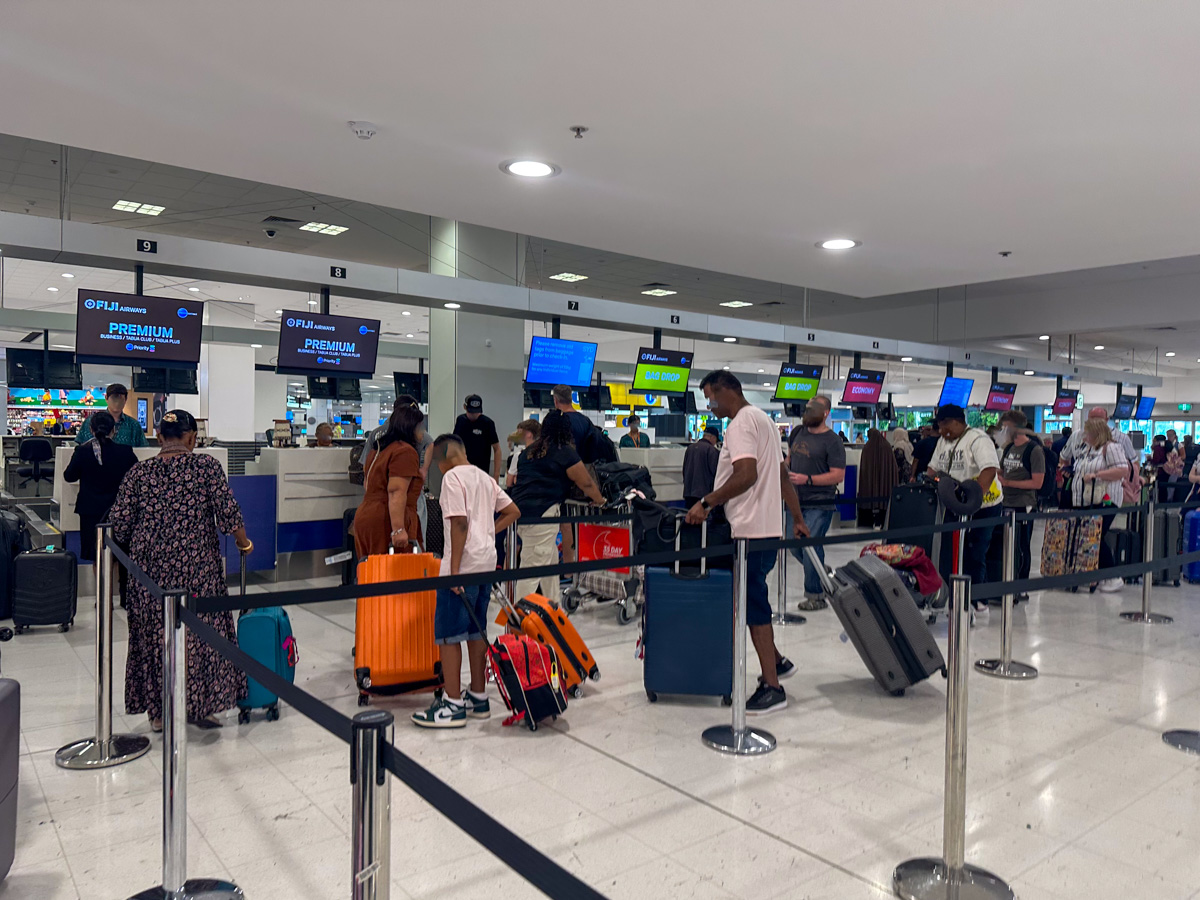
The Australian government will increase its international departure tax (which it obscurely calls a “Passenger Movement Charge”) from $70 to $80 per person, effective from 1 January 2027.
It’s the second time in three years that the Passenger Movement Charge has gone up, after it went from $60 to $70 in July 2024.
Anyone aged 12 or over has to pay the Passenger Movement Charge when departing Australia by air or sea. There isn’t really any other way to leave the country, so this tax is much harder to avoid than the likes of the UK Air Passenger Duty. It’s included in the cost of the flight or cruise ticket.
Why is the Passenger Movement Charge going up?
The federal government quietly hid its plans to increase this tax in its 2026-27 budget papers. Predictably, the budget papers didn’t provide a justification for the tax increase – other than that it would increase government revenue.
“This measure is estimated to increase receipts by $755.0 million over the five years from 2025–26. The Government will provide $0.7 million in 2026–27 to the Department of Home Affairs to administer this change,” the budget papers state.
Airlines aren’t happy
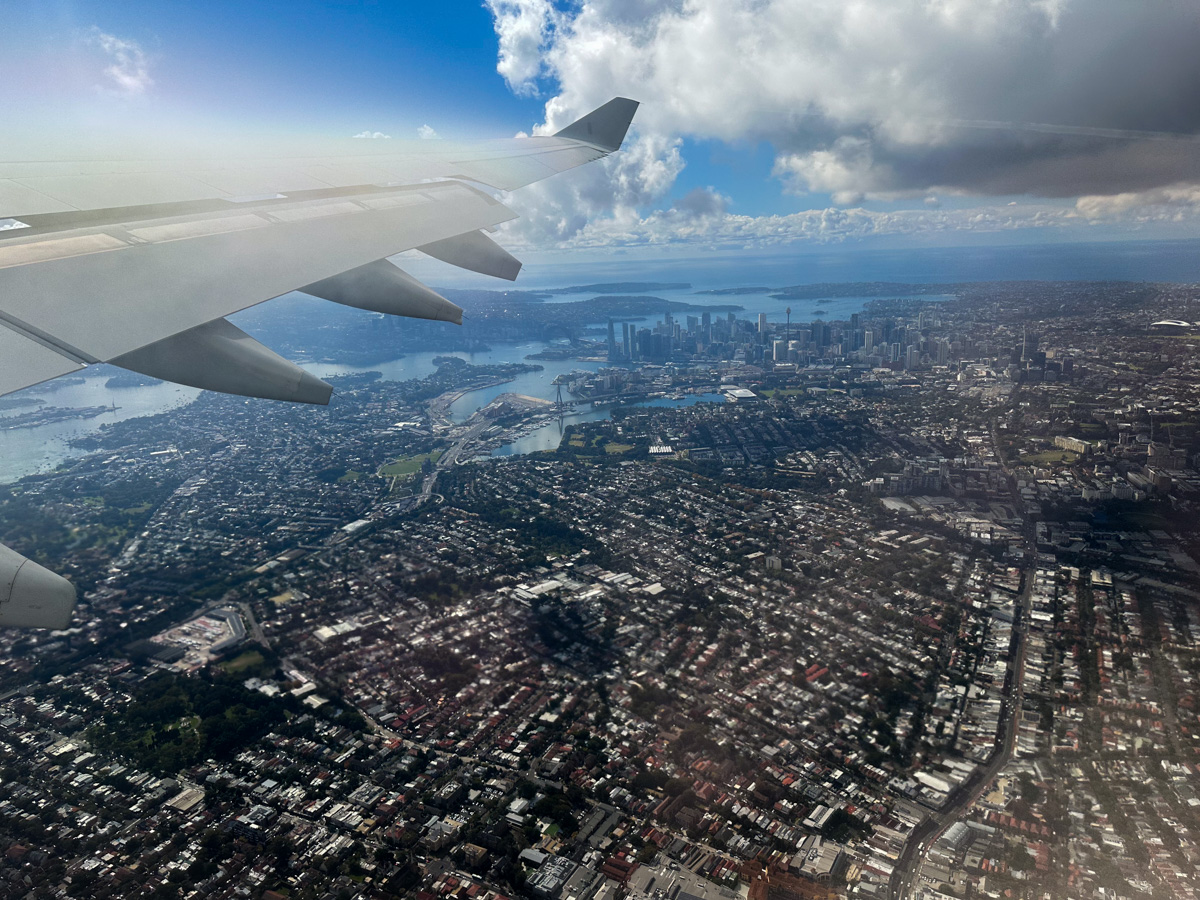
Airline and travel industry bodies have complained that the government did not consult them about this change. Airlines have also criticised the implementation, noting that the change apparently applies to passengers departing Australia from 1 January 2027 – but that airlines cannot legally collect the higher amount of tax until the change is legislated by parliament.
This appears not to have happened yet, as airlines are still collecting a $70 Passenger Movement Charge on international flights departing Australia after 1 January 2027. They fear they will be forced to fund the difference for passengers who book flights for 2027, but before the tax increase is legislated.
More broadly, airlines argue that higher taxes will have a negative impact on demand, which could harm Australia’s tourism operators. Airlines say that if they could simply add $10 to the price of every ticket, without losing sales, they would have already done that.
Low-cost carriers are particularly impacted by the high taxes applied to international flights out of Australia, because these taxes can make up a significant proportion of the airfare. Their customers also tend to be more price-sensitive.
Taxes and fees accounting for 73% of the ticket cost
Jetstar, for example, is currently offering one-way flights from Sydney to Hamilton, New Zealand starting from $189. Of this amount, the base fare is $53.09 (or $43.09 for Club Jetstar members). The third-party fees and taxes, including the Passenger Movement Charge and airport fees, add $135.91. This represents 73% of the total ticket price – and that’s before the higher Passenger Movement Charge takes effect.
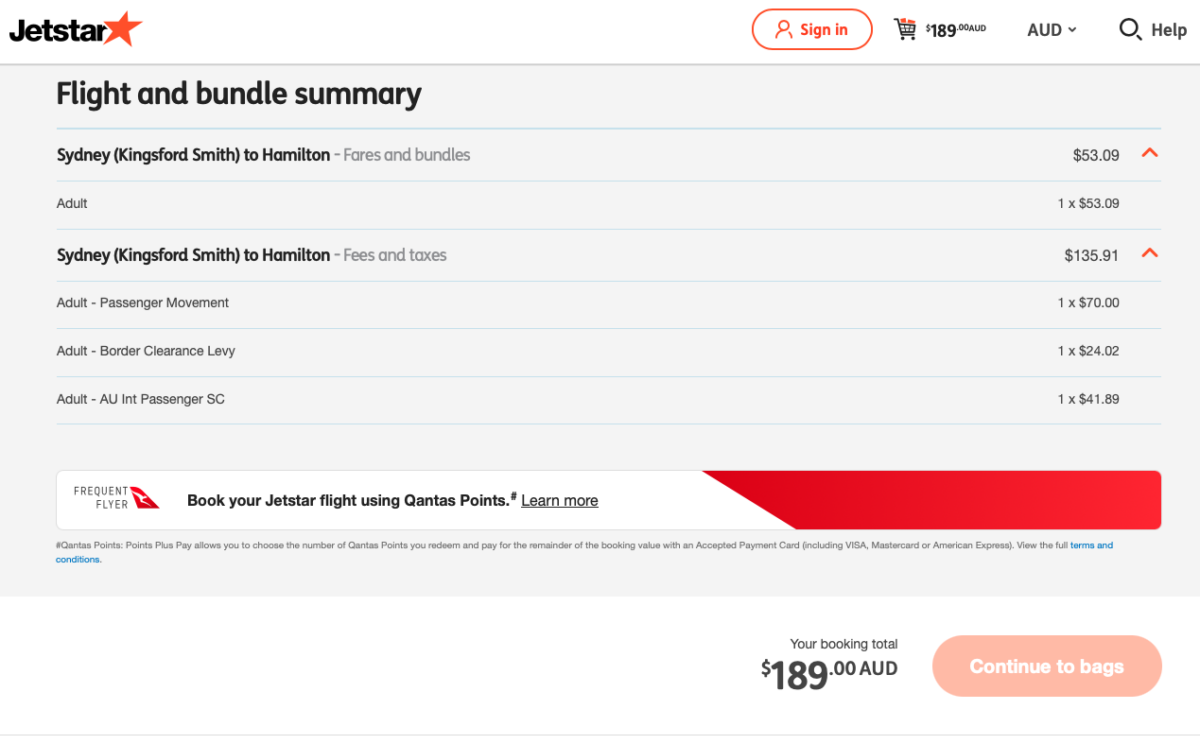
In the other direction, from Hamilton to Sydney, the third-party fees and taxes only add up to $70.48 (with the same base fare), because the Passenger Movement Charge does not apply to flights arriving into Australia.
Related Articles
-
 23 October, 2024Travel Lifestyle
 -
 27 March, 2026Travel Tools & Technology
 -
 29 October, 2025Qantas, Virgin Australia
Community Comments
Loading new replies...
Join the full discussion at the Australian Frequent Flyer →