Book One Airline, Fly Another: The World of Wet Leasing
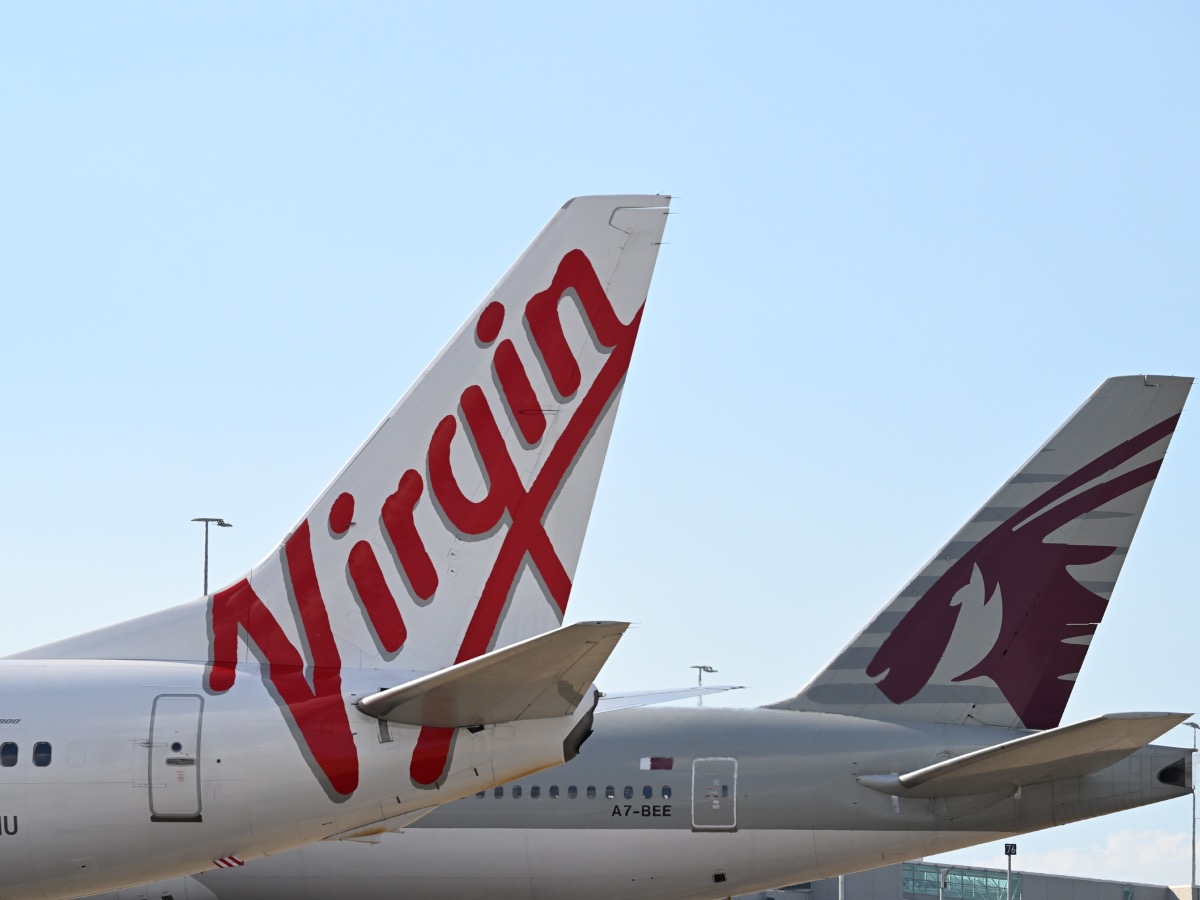
In June 2025, Virgin Australia began operating long-haul flights to Doha – except it was not really Virgin Australia operating them at all. These flights carry a “VA” flight number, but the aircraft is a Qatar Airways jet, flown by Qatar Airways pilots and cabin crew, painted in Qatar Airways livery and maintained and insured by Qatar Airways. Virgin Australia simply sells the tickets and collects the revenue.
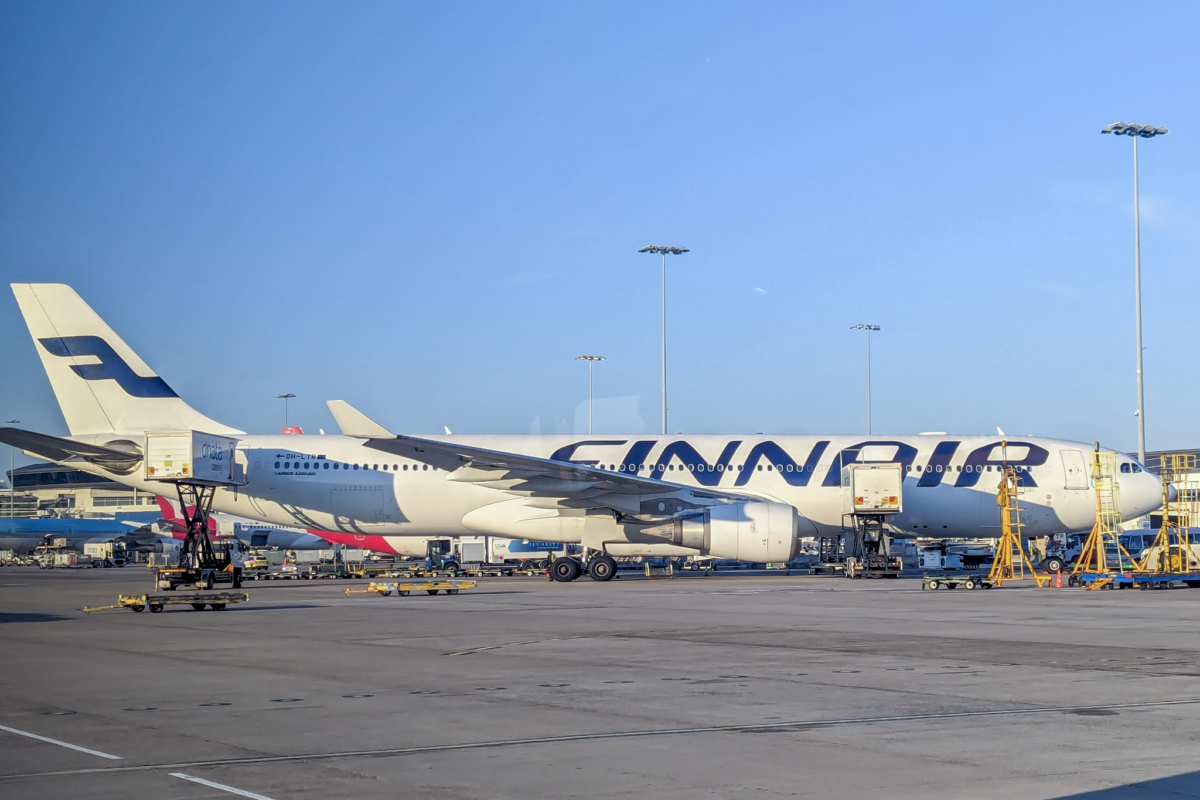
Likewise, up until last month, Finnair used to operate Qantas flights on the Sydney-Bangkok and Sydney-Singapore routes. These flights were marketed by Qantas but flown by Finnair Aircraft. These are both examples of aircraft leasing arrangements, which have now become even more common in the Australian market.
What is wet leasing?
A wet lease is an arrangement where one airline (the lessor) provides another airline (the lessee) with aircraft, crew, maintenance and insurance. The full package is sometimes referred to by the acronym ACMI, standing for Aircraft, Crew, Maintenance and Insurance.
Under a typical wet lease, the lessee pays the lessor a fixed rate per operating hour. The lessee sells the tickets, sets the schedule and collects the fare revenue, while bearing most of the commercial risk. The lessor, meanwhile, retains operational control of the aircraft and crew. Wet leases can range from a few weeks to a few years.
What is dry leasing?
The other main type of aircraft leasing is “dry leasing”, where an airline leases an aircraft but provides its own crew, fuel, maintenance and insurance. The lessee paints the plane in its own colours. Many planes around the world are dry-leased from specialist aircraft leasing companies.
There is also a third category of leasing called damp lease. Under a damp lease, the lessor provides the aircraft, cockpit crew and maintenance, and the lessee provides their own cabin crew. The precise split of responsibilities, particularly around insurance, varies by agreement.
Why do airlines wet-lease?
There are several common reasons why an airline might turn to wet leasing.
The most straightforward is a short term-capacity squeeze. During the peak travel period or aircraft grounding, an airline might need extra aircraft for a few months. Many airlines specialise in offering exactly this kind of short-term capacity – including Hi-Fly, Air Belgium, German Airways, Avion Express and Wamos Air, most of which are based in Europe and do not operate their own scheduled flights.
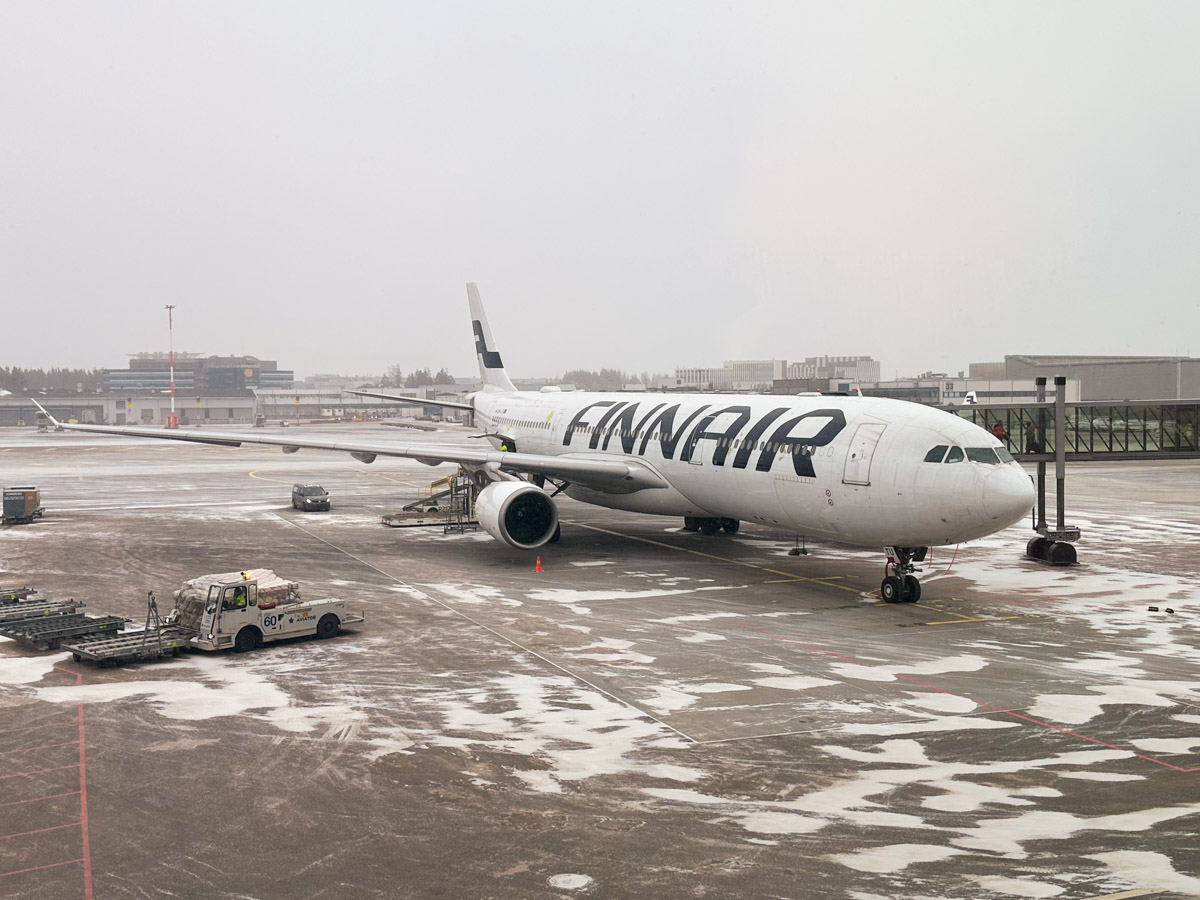
Geopolitics has also driven a wave of wet leasing in recent years. When Russia closed its airspace to most Western airlines in 2022, Finnair was among the hardest hit. Its entire long-haul strategy depended on routing passengers between Asia and Europe using Russian airspace. Overnight, that model collapsed. Finnair suddenly had a fleet of Airbus A330s that were too short-ranged to operate some of these routes. Rather than park the planes, Finnair pivoted to both wet leasing and dry leasing them out. Ukraine’s SkyUp Airlines found itself in a similar position when Ukrainian airspace closed and has been operating wet lease flights on behalf of airlines, including Wizz Air and Air Moldova, to keep its fleet utilised.
Regulatory constraints can also play a role, as seen in the case of the Virgin Australia – Qatar Airways arrangement. Qatar Airways had already hit its cap of 28 weekly flights to Australia’s major airports. The Australian Government refused to increase this cap. Wet leasing to Virgin Australia gave Qatar the extra capacity it could not otherwise operate. At the same time, Virgin Australia benefited from being able to return to long-haul flying without needing to buy any new planes.
Examples of wet-lease arrangements
- Closer to home, Alliance Airlines operates a major wet-lease arrangement with Qantas. Up to 30 Embraer E190 regional jets operate under the QantasLink brand on regional and domestic routes. Alliance also wet-leases its Fokker 100 aircraft to Virgin Australia.
- From late 2023 till March 2026, two Finnair Airbus A330-300s operated Sydney to Singapore and Sydney to Bangkok services under QF flight numbers on behalf of Qantas. The arrangement was notable for AFF members in particular, as Finnair’s Airbus A330s feature the airline’s distinctive AirLounge business class seat – a non-reclining design, rather than the Qantas business class product passengers might have expected. Finnair’s Airbus A330s also feature a premium economy cabin, something that Qantas’s own A330s do not offer. The arrangement has since turned into a dry lease, with Qantas acquiring two Finnair Airbus A330 aircraft.
- airBaltic, another airline affected by proximity to Russian and Ukrainian airspace, has been wet leasing Airbus A220s to various Lufthansa group airlines, including Swiss.
- Indigo Airlines, the Indian low-cost carrier, has been using wet-leased Norse Atlantic Boeing 787s since March 2025 to serve its Bangkok and European routes.
- Wamos Air operates flights for Air New Zealand on select routes to Asia and the Pacific, and for Etihad Airways on some European services.
- Qatar Airways has been using wet-leased Oman Air Airbus A330s on some of its routes since 2022.
How to tell if your flight is wet-leased?
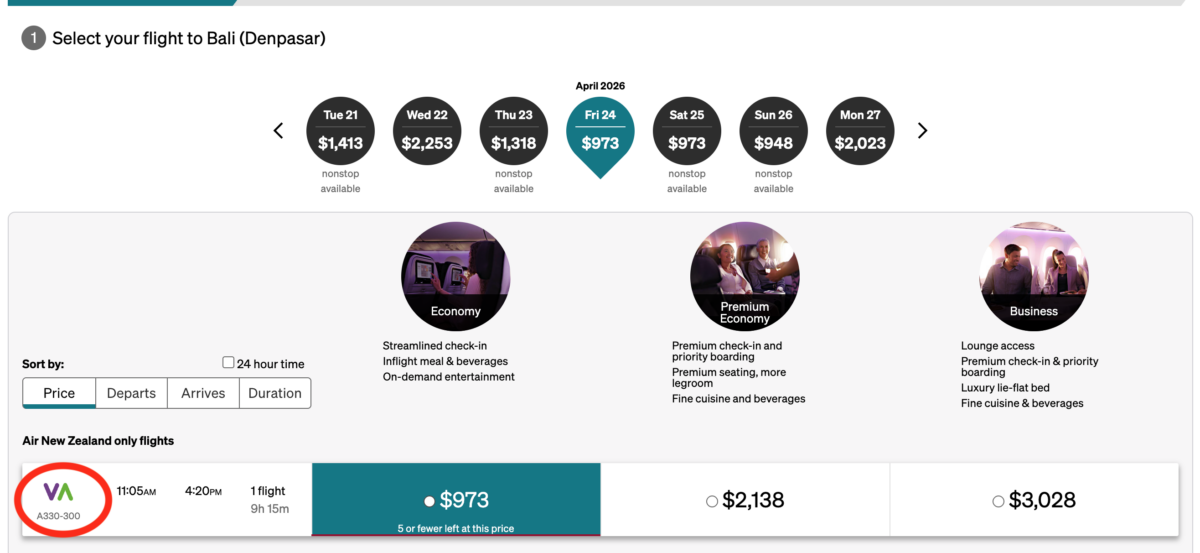
The operating carrier is usually disclosed on the airline’s website during the time of booking. This is typically in the form of a small print reading “operated by” followed by a different airline name. The seat maps for wet-leased services could also offer a clue, as they might be different to the usual seatmap for the airline.
What does this mean for passengers?
For most travellers, a wet lease arrangement is completely invisible until you board the plane. But there are a few things to be aware of.
The points earned, status benefits, and baggage allowance generally follow the marketing carrier. A Virgin Australia-coded Qatar flight should earn Velocity points as usual, and your baggage allowance and elite benefits should reflect your status with Virgin Australia.
However, the onboard experience will reflect the operator and not necessarily the airline. In some cases, this is a pleasant surprise. Qatar Airways operating a Virgin Australia flight means passengers receive Qatar’s hard and soft product, including Qsuites in Business Class on a VA ticket. In other cases, it can be a significant disappointment. Etihad passengers booked on some of its flights to Rome might find themselves on a Wamos Air A330 with an older 2-2-2 business class cabin.
Have you ever arrived at the gate to find a different airline’s plane waiting for you? Share your experience on the Australian Frequent Flyer forum
You can leave a comment or discuss this topic on the Australian Frequent Flyer forum.
Related Articles
-
 17 June, 2019Qantas
 -
 5 February, 2020Other Airlines
 -
 19 March, 2025Virgin Australia
Community Comments
Loading new replies...
Join the full discussion at the Australian Frequent Flyer →