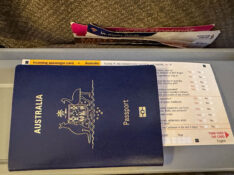
Europe Will Stop Stamping Passports
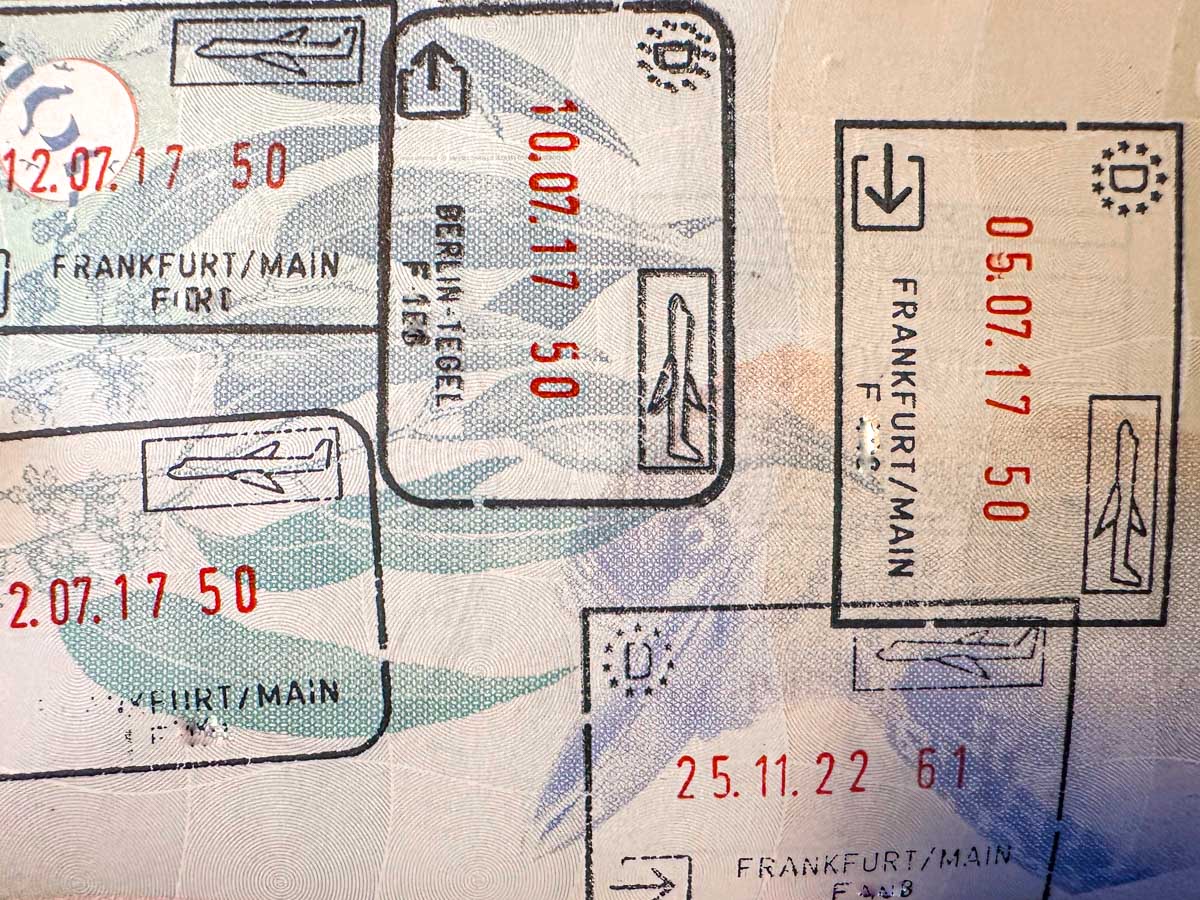
In 2026, European countries will stop stamping the passports of non-European citizens as they enter or exit the Schengen Area. This is the common travel area that encompasses much of Europe.
Instead of using entry and exit stamps to keep track of foreigners’ movements, the European Union is in the process of switching to an automated “Entry/Exit System” (EES) which registers visitors digitally. This initially launched at selected airports in October 2025, and will continue to be progressively rolled out across European airports until April 2026.
European countries are still stamping some passports currently, until EES is fully rolled out. But the days of passport stamps from Schengen countries are numbered.
“EES will replace the current system of manual stamping of passports, which is time consuming, does not provide reliable data on border crossings and does not allow a systematic detection of overstayers,” the European department for Migration and Home Affairs said.
ETIAS scheduled to launch in 2026
While the European Union has now introduced its Entry/Exit System, it hasn’t yet launched the requirement for visitors to pay for an electronic authorisation in advance of travel.
At the time of writing, the EU plans to implement its “European Travel Information and Authorisation System” (ETIAS) in the last quarter of 2026 – although this has been repeatedly delayed in the past. Once this comes into effect, non-European citizens will need to pay €20 (~AU$35) to apply for an ETIAS travel authorisation prior to travelling to Europe. The ETIAS will be valid for three years and can be used for multiple entries into Europe.
This is similar to the United States ESTA, Canadian eTA or UK ETA.
ETIAS applications are not yet open, at the time of writing.

Many countries no longer stamp passports
The 29 Schengen countries of Europe, which now also include Romania and Bulgaria, are not the only ones to no longer stamp passports.
The UK stopped stamping Australian passports a while ago, unless you need one for a specific reason. The upshot is that Australians can now use the smart gates when arriving into major UK airports, which saves a lot of time.
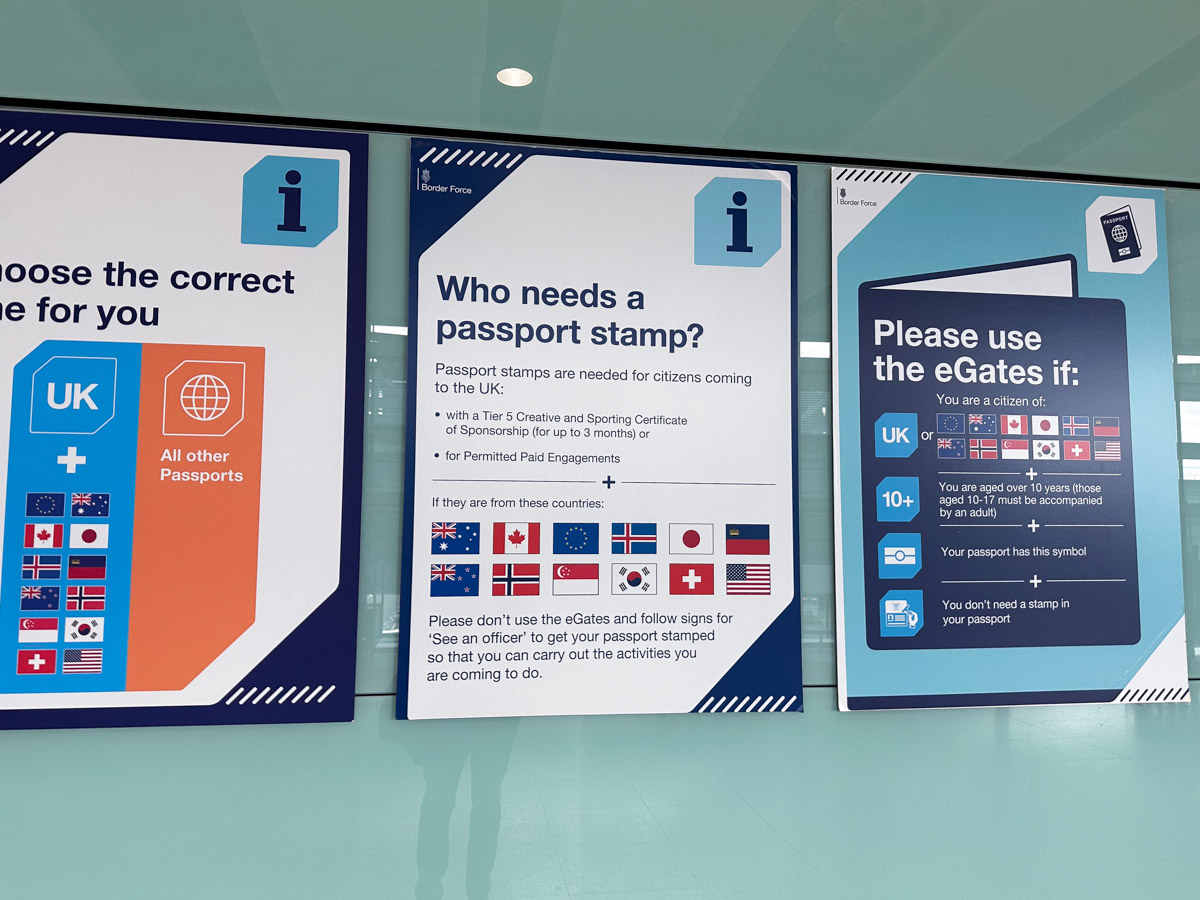
New Zealand, Singapore and Argentina are also among a growing list of countries to eschew passport stamps for citizens of countries including Australia. These countries all collect information about arriving and departing visitors electronically, so the stamps are no longer really necessary.
But if you like collecting passport stamps, fear not! There are still plenty of countries that do stamp your passport. In Europe, these include Ireland, Cyprus, Montenegro, Bosnia and Herzegovina and Macedonia – although it might depend how you arrive into the country. If you arrive by air, you’re more likely to get a stamp than if you cross a land border. And you might need to specifically request it.
Perhaps the most unique passport stamp that’s still available belongs to Palau, which is now connected directly to Australia by a weekly Qantas flight from Brisbane. Palau stamps a poem into your passport, known as the Palau Pledge, which visitors are asked to sign.
All photos by Matt Graham.