Which Airlines Still Use the 3-3-3 Configuration on Boeing 777s?
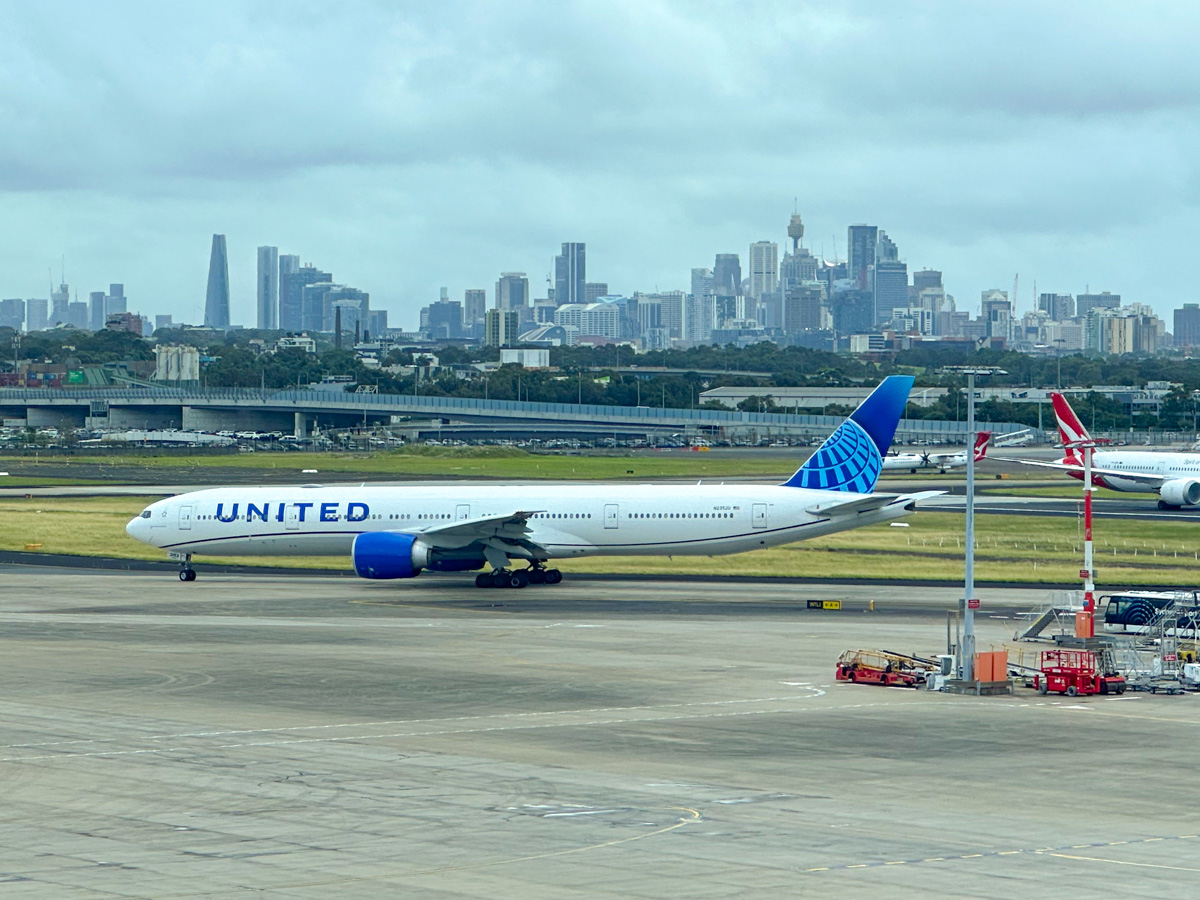
When the Boeing 777 first entered service with United Airlines in 1995, its Economy Class featured a 3-3-3 layout — nine seats across. This was the original intended configuration for the aircraft. All Boeing 777s that left the factory in those early years were configured this way.
That changed in the early 2000s when airlines realised they could reduce the cost per seat mile by adding an extra seat per row. Today, nearly all airlines have moved to a 3-4-3 layout on their Boeing 777 fleet.
However, a small group of airlines continue to hold out with the original 3-3-3 layout. Here’s the full picture, starting with the airlines most relevant to Australian travellers.
Airlines That Fly The Boeing 777 To Australia
There are currently around 13 airlines that fly the Boeing 777 to Australia. Of these, only two operate with a 3-3-3 layout in Economy Class. This is a surprisingly small number, and some premium airlines like Emirates and Qatar Airways are conspicuously absent from this list.

Singapore Airlines
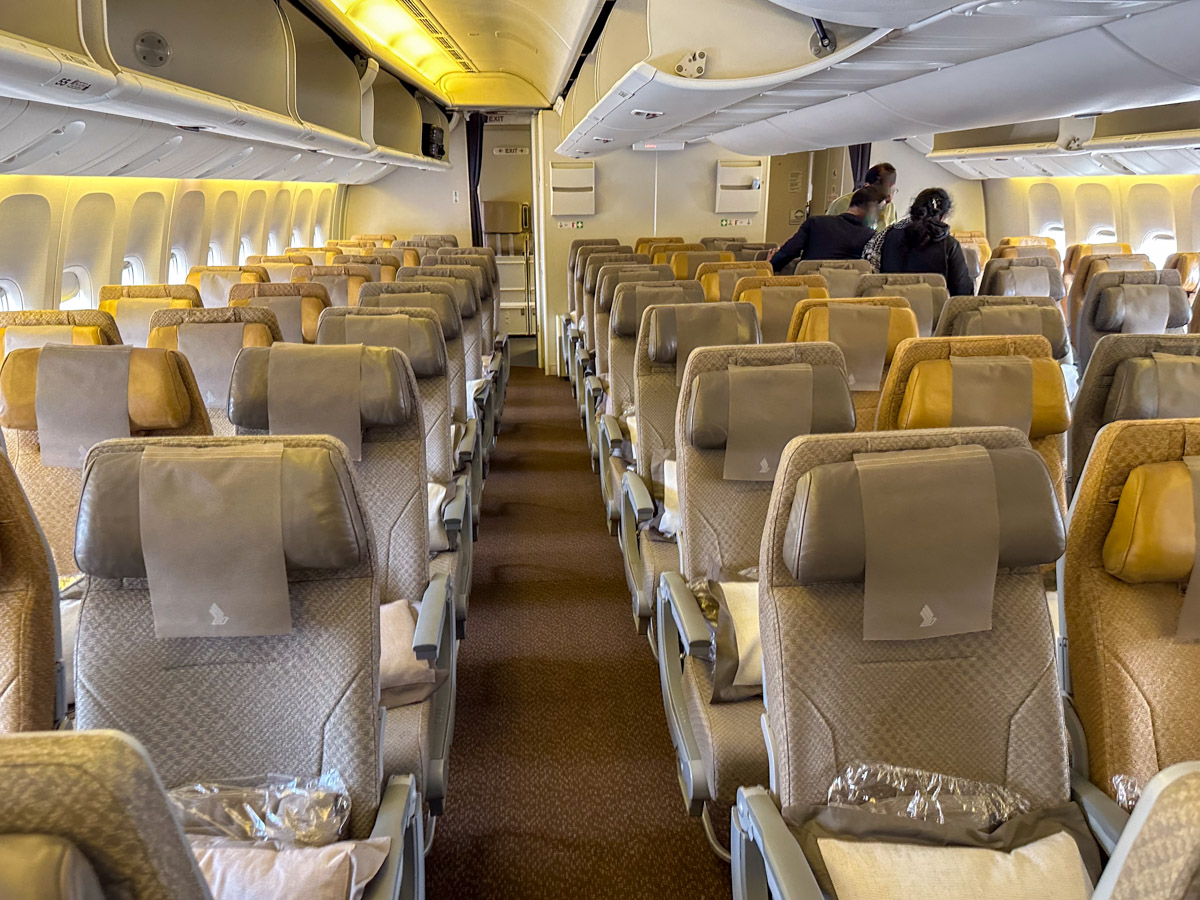
Singapore Airlines is arguably the gold standard when it comes to Boeing 777 Economy Class comfort. All 22 of its Boeing 777-300ERs are configured in the same 3-3-3 layout. The Boeing 777 appears on certain Singapore Airlines’ Sydney and Melbourne flights, as well as select European and Asian destinations.
Japan Airlines

Japan Airlines flies to both Sydney and Melbourne. However, only the Sydney to Tokyo-Haneda service is operated seasonally (during the IATA Northern Winter) using a Boeing 777-300ER aircraft. When this aircraft flies to Australia, it provides 19 inches of seat width under its JAL Sky Wider Economy branding.
Airlines That Fly to Australia — But Not on the 777
These airlines fly the Boeing 777 in a 3-3-3 Economy Class configuration, but don’t use it on their Australian routes. If you’re connecting through their hub, however, you may still find yourself on one.
Air China
Air China has a mixed fleet of 28 Boeing 777-300ERs. Around 20 of these retain the 3-3-3 layout in Economy Class, with 18 inches of seat width. Air China operates these aircraft on select US and European routes. The remaining eight aircraft use a high-density 3-4-3 layout.
Air India
Air India operates three variants of the Boeing 777. Its Boeing 777-200LRs all feature a 3-3-3 layout in Economy Class, and so does the majority of its Boeing 777-300ER fleet. The exception is a sub-fleet of six ex-Etihad Boeing 777-300ERs, which use a 3-4-3 configuration. From July 2026, one of these ex-Etihad aircraft will operate Air India’s Delhi–Melbourne service. Some of Air India’s US routes get the Boeing 777 equipped with a 3-3-3 layout.

Asiana Airlines
Asiana Airlines has nine Boeing 777-200ERs in its fleet, all configured in 3-3-3 with 18-inch seats in Economy Class. The airline is in the process of merging with Korean Air, but the layout is unlikely to change (see Korean Air section). Asiana currently operates these aircraft on its US and China routes.
China Southern
Guangzhou-based China Southern has 15 Boeing 777-300ER aircraft in its fleet. All of these aircraft have the same layout across cabins, and the Economy Class is a 3-3-3 layout. China Southern deploys its Boeing 777 aircraft on its flights to North America.
EVA Air
EVA Air has 33 Boeing 777-300ERs, split across three cabin configurations. The older batch of around 22 aircraft retains the 3-3-3 layout with 18.3-inch seats in Economy Class. The newer batch of aircraft uses the 3-4-3 layout. EVA Air’s Boeing 777s typically fly to North America and Europe.
Garuda Indonesia
All of Garuda Indonesia’s Boeing 777-300ERs are configured in 3-3-3. They are primarily deployed on the airline’s long-haul routes to Europe and the Middle East.
Korean Air
Korean Air was planning to retrofit its Boeing 777-300ER fleet to a 10-abreast 3-4-3 layout. However, the South Korean government stepped in to block the wider rollout, ruling that densification would breach commitments made as part of the merger with Asiana Airlines. One aircraft was already retrofitted to a 3-4-3 layout. As a result, all but one aircraft in Korean Air’s Boeing 777 fleet retain the 3-3-3 configuration. These aircraft are mainly seen on Korean Air’s US destinations.
Turkish Airlines
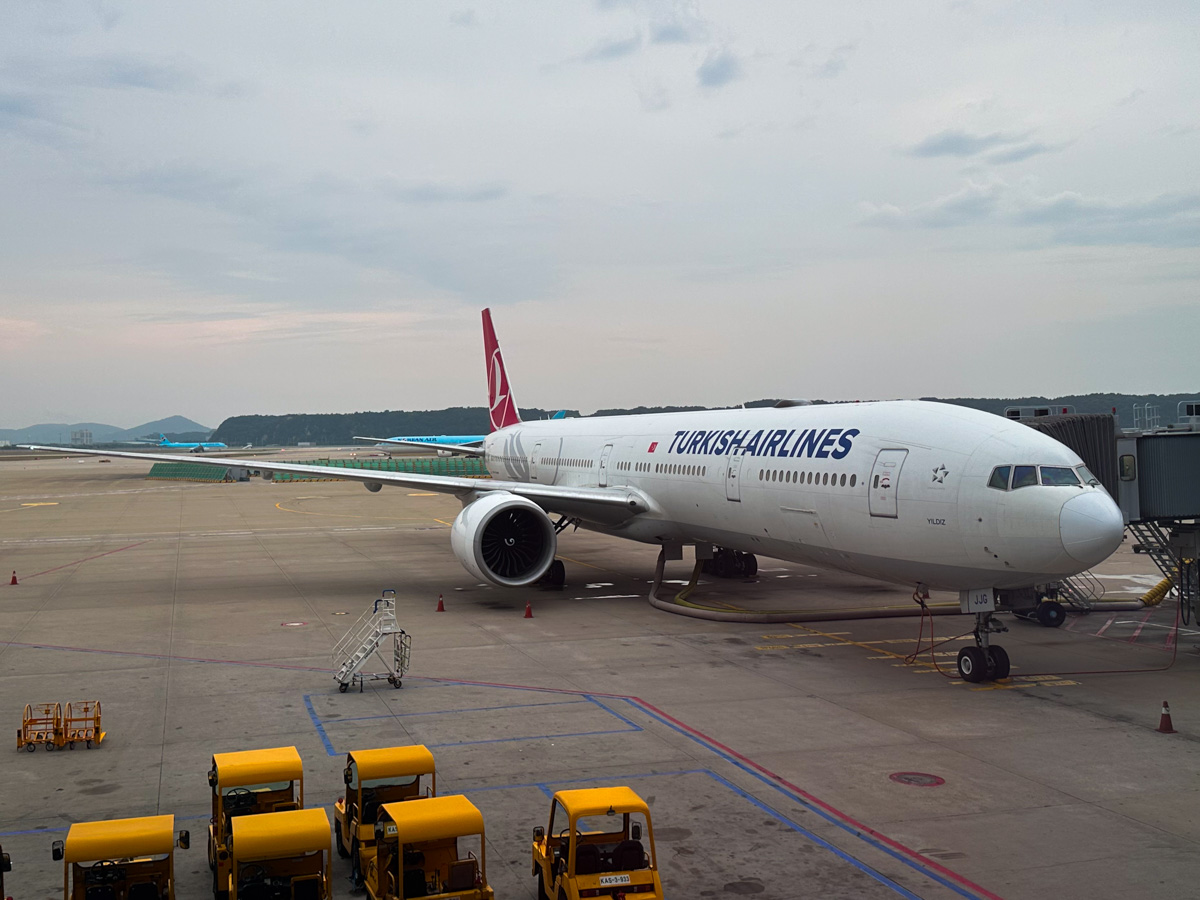
Turkish Airlines is a surprising holdout in a part of the world where the 3-4-3 layout on the Boeing 777 is almost universal. With the largest fleet of 34 such aircraft on this list, the carrier continues to maintain a 3-3-3 layout. Turkish Airlines flies to more countries than any other airline in the world. The airline’s Boeing 777 aircraft operate to destinations across Europe, North America, Asia, and Africa.
Thai Airways
Thai Airways operates three Boeing 777-200ERs and 17 Boeing 777-300ERs, all with a 3-3-3 layout. These aircraft are deployed primarily on European routes to London and Frankfurt, as well as to Tokyo and other Asian destinations. A cabin retrofit of its 777-300ER fleet is planned, and the airline will soon be moving to the denser 3-4-3 layout in Economy Class.
Other Airlines Offering The 3-3-3 Layout
A number of other airlines continue to offer the nine-abreast layout in Economy Class on their Boeing 777 fleets. These include:
- Biman Bangladesh Airlines (Boeing 777-300ER)
- EgyptAir (Boeing 777-300ER)
- Kuwait Airways (Boeing 777-300ER)
- Pakistan International Airlines (Boeing 777-200s and select Boeing 777-300ER only)
- TAAG Angola Airlines (Boeing 777-300ER)
What About The Boeing 777X?
Boeing’s next-generation 777X will feature a slightly wider fuselage than the current 777. This means that airlines configuring 777X aircraft with 10 seats across will actually offer marginally more width per seat than the current generation.
Why Seat Configuration Doesn’t Necessarily Mean Everything
Seat configuration is only part of the story. Not all 3-3-3 layouts are equal. Most of these airlines offer at least 18 inches of seat width on their Boeing 777-300ERs, but some squeeze the seat width down to 17 inches. This is the same as what airlines like Cathay Pacific offer in its 10-abreast cabin.
Seat pitch – the distance between your seat and the row in front – matters too. JAL leads the pack with a generous 34-inch seat pitch, while most airlines on this list sit at 31-33 inches.
Apart from seat layout, factors like recline amount, seat cushioning, and headrest adjustability can all make a meaningful difference when it comes to Economy Class comfort.
| Airline | Seat Width (inches) | Seat Pitch (inches) | Recline (inches) |
| Singapore Airlines | 18 | 32 | 5 |
| Japan Airlines | 18.5 | 34 | 7 |
| Air China | 18.5 | 30-32 | 4.5 |
| Air India | 18-18.5 | 32-33 | 6 |
| Asiana Airlines | 17-18.1 | 32-33 | 3 |
| China Southern | 18.5 | 31-33 | 6 |
| EVA Air | 17-18 | 32-33 | 3 |
| Garuda Indonesia | 17.8 | 32 | 3 |
| Korean Air | 18.1 | 33-34 | |
| Turkish Airlines | 17-18.5 | 31 | 6 |
| Thai Airways | 17.5-18 | 32-34 | 4 |
| Biman Bangladesh Airlines | 18 | 31 | 3 |
| EgyptAir | 18 | 31-32 | 5 |
| Kuwait Airways | 18 | 32 | 3 |
| Pakistan International Airlines | 17-18 | 30-32 | 3 |
| TAAG Angola Airlines | 17-18 | 31-33 | 3 |
The SeatGuru website was long the go-to resource for travellers researching seat dimensions and cabin configurations. With the site now discontinued, AeroLOPA and SeatMaps are among the best alternatives available.

No replies yet
Loading new replies...
Join the full discussion at the Australian Frequent Flyer →