Airlines Are Not Very Good At Personalising Offers

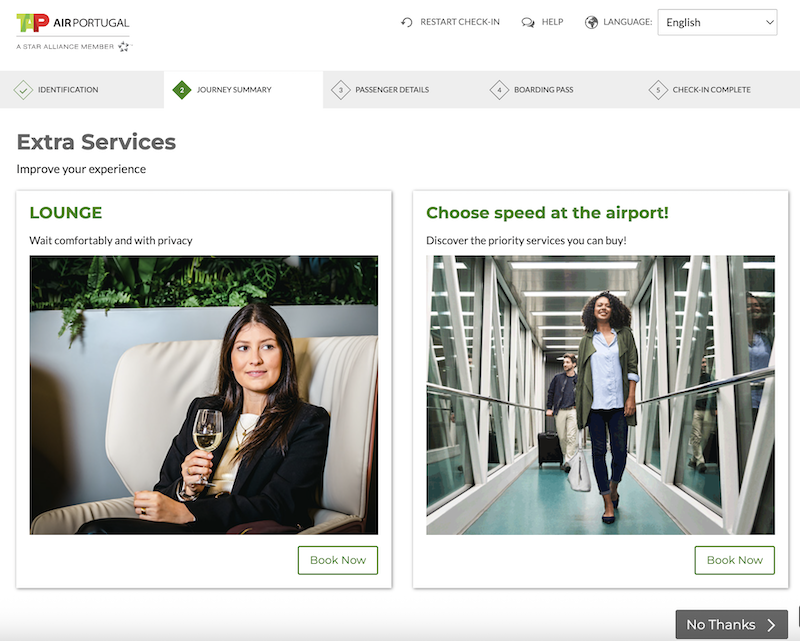
When checking in online for a recent flight, TAP Air Portugal’s website offered to sell me extra services including lounge access and airport fast-track. I already had complimentary access to both of those things through my Star Alliance Gold status – something that TAP had even just flagged on the previous page of its own check-in process.
United’s website similarly tried to sell me “Premier Access” for a recent flight, even though my Star Alliance Gold status already entitled me to that for free.
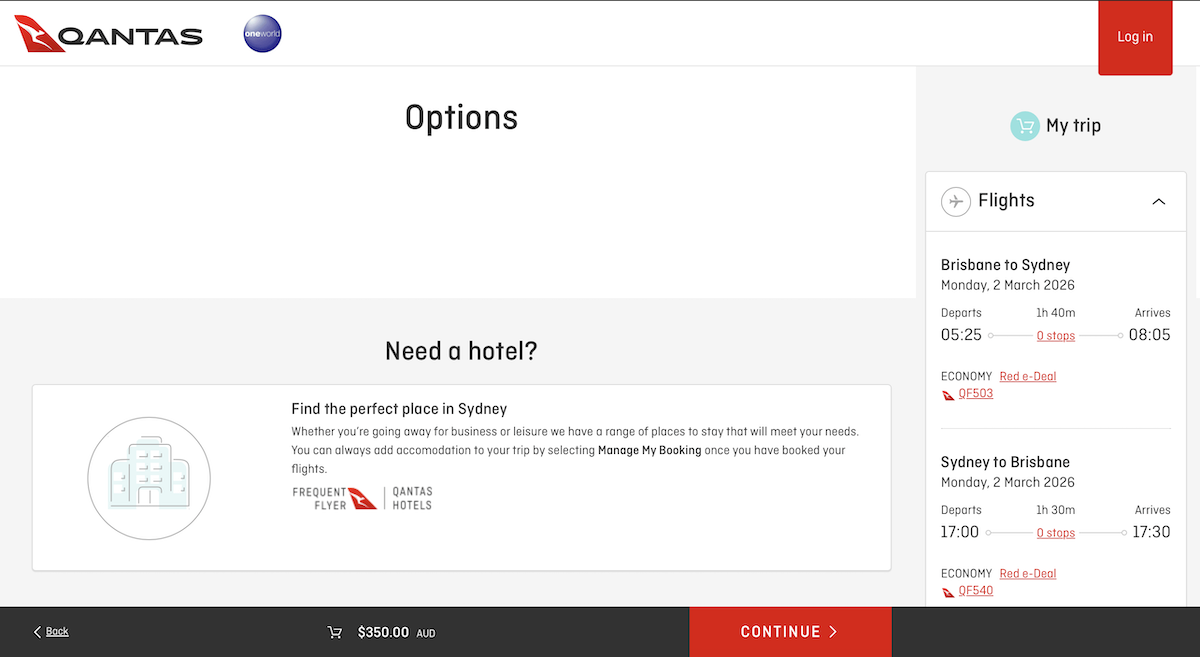
And when booking a day trip from Brisbane to Sydney on the Qantas website, Qantas asks if I need a hotel in Sydney. Clearly I don’t, because I’m flying back to Brisbane on the same day!
Airlines are getting better at offering ancillary services that customers value. These paid add-ons make up an increasingly higher proportion of their revenue. But airlines are still pretty bad at targeting upsell opportunities to people who are actually interested.
Airlines collect lots of data and use some of it
Airline loyalty programs collect a lot of data about their members. They know where you live, when your birthday is, where you travel to, what kinds of tickets you book, and so on. If you have a co-brand credit card, they might even be able to see what you buy.
And some loyalty programs give their members the option to literally tell them what they like – from their seating preferences to their hobbies.
Even if you’re not a member of the airline’s own loyalty program, the airline would still know what cabin you’re flying in, when your return flight is, and if you have status with one of its partner airlines.
Yet, airlines continue to try to sell things to customers that they already have or don’t need. For example, when viewing a trip in First Class or on a partner airline in the Qantas app, the app still displays a “Request upgrade” button. Upgrade to what, exactly?
Get Star Alliance Gold status without flying…
- Card Name
- HSBC Star Alliance Credit Card – Fast track to Star Alliance Gold Status
- Earn
- 1
- Signup Bonus
-
Fast Track to Star Alliance Gold Status
- Annual Fee
- $0 in the first year, $499 p.a. thereafter
- Read more
- View Offer
Star Alliance Rewards Point on everyday purchases
Some loyalty programs send a lot of emails
Like many Australians, I’m a member of a lot of loyalty programs. As a result, I get a lot of emails (and sometimes even text messages or letters) from the programs I’ve joined.
Some companies seem to like sending every single promotional email to every single member – regardless of whether they’re relevant to that member or not. For example, I recently got several offers for bonus points if I bought pet insurance or shopped at a particular pet store. I don’t own a pet and never have.
When customers get bombarded with emails and offers that are not relevant to them, they just switch off. They’ll probably stop paying attention, and in the case of emails, might just unsubscribe. Loyalty fatigue is real.
Can personalisation be more than a buzzword?
At the very least, airlines probably shouldn’t be trying to upsell Business Class passengers with paid access to things they already get included with their fare. (Yes, many still do.)
But in 2026, I think airlines and loyalty programs can do even better than that. They collect a lot of data about their customers. I think customers would be pleasantly surprised and even delighted if they used that data to create offers that were genuinely attractive to them – while actively avoiding bombarding them with irrelevant communications. This could even have a very real impact on an airline’s bottom line.
For example, there’s little point trying to upsell someone who’s booked Business Class with extra legroom seating or a lounge pass. Instead, why not offer them valet parking, an upgrade to the First Class lounge, or bonus status credits? Or something else that the individual might actually value and be prepared to pay extra for?
Obviously, doing this manually for millions of members would be an onerous task. But it should still be simple enough to target offers based on specific criteria, rather than just sending one-size-fits-all email blasts. And these days, there are plenty of AI tools that claim they can create personalisation for each individual customer.
Wouldn’t it be nice if airlines used all that data they collect, and the tools available to them, to turn personalisation into more than just a buzzword?


Community Comments
Loading new replies...
Join the full discussion at the Australian Frequent Flyer →