Airlines Get Away With So Much By Fobbing Off Complaints
Airlines are quick to take your money when you want to buy a ticket. But when an airline owes you money, they often make it a lot harder for you to get the compensation or refund you’re entitled to.
Sometimes, the process is so ridiculously difficult, and so time-consuming, that I can’t help wondering if it’s actually designed to make you give up. And sadly, it often works.
At the end of the day, a large airline has a lot more power than an individual customer. If the airline decides not to play ball, there’s often little you can do other than publicly shaming the airline, pestering its executives, or taking the company to court. This needs to change.
Case in point #1: Iberia
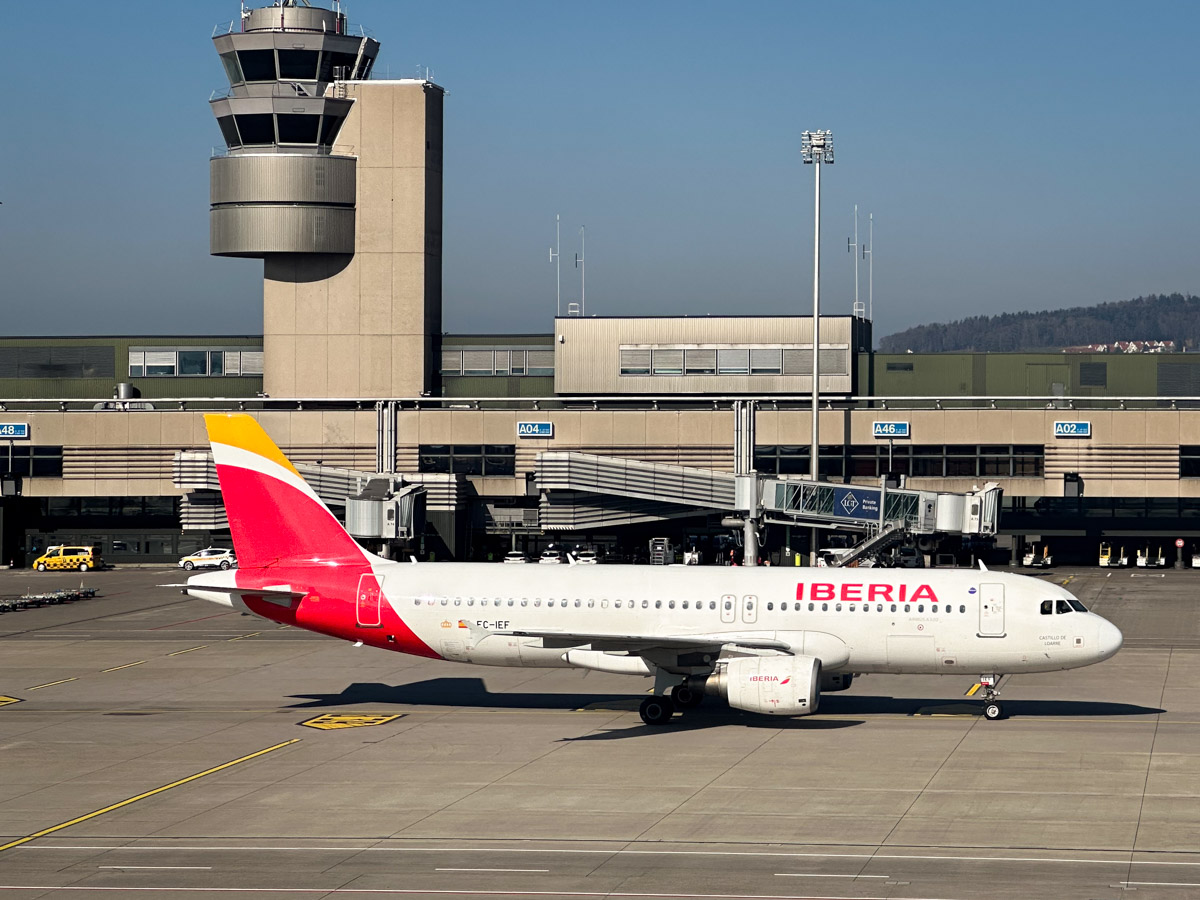
Earlier this year, I wrote about my frustrating attempt to claim EU261 compensation from Iberia. After a misconnecting Iberia flight caused me to arrive at my destination a day late, the airline legally owed me €400 (~AU$700). Iberia did eventually pay out… but it took nine months, countless messages to the airline, and two formal complaints to the civil aviation authority in the country where I’d bought my ticket (which happened to be Portugal).
Around six months after I submitted the first complaint, the Portuguese aviation authority informed me that Iberia had agreed to pay compensation, and sent me instructions on how to claim it. I followed those instructions exactly, but Iberia still didn’t pay up. I continued to follow up with Iberia, and they continued to either ignore my emails entirely, or send vague non-answers that didn’t address my complaint. The airline continued to do this even after the Portuguese government had literally ordered them to pay.
I was genuinely shocked when the compensation from Iberia eventually showed up in my Australian bank account a few weeks ago.
Case in point #2: Finnair
In March 2025, after a fantastic few days visiting Lapland, I was booked on the last Finnair flight for the night from Rovaniemi to Helsinki. Unfortunately, due to poor weather, the inbound aircraft wasn’t able to land in Rovaniemi and diverted back to its origin. Finnair ended up cancelling my flight around 10pm.
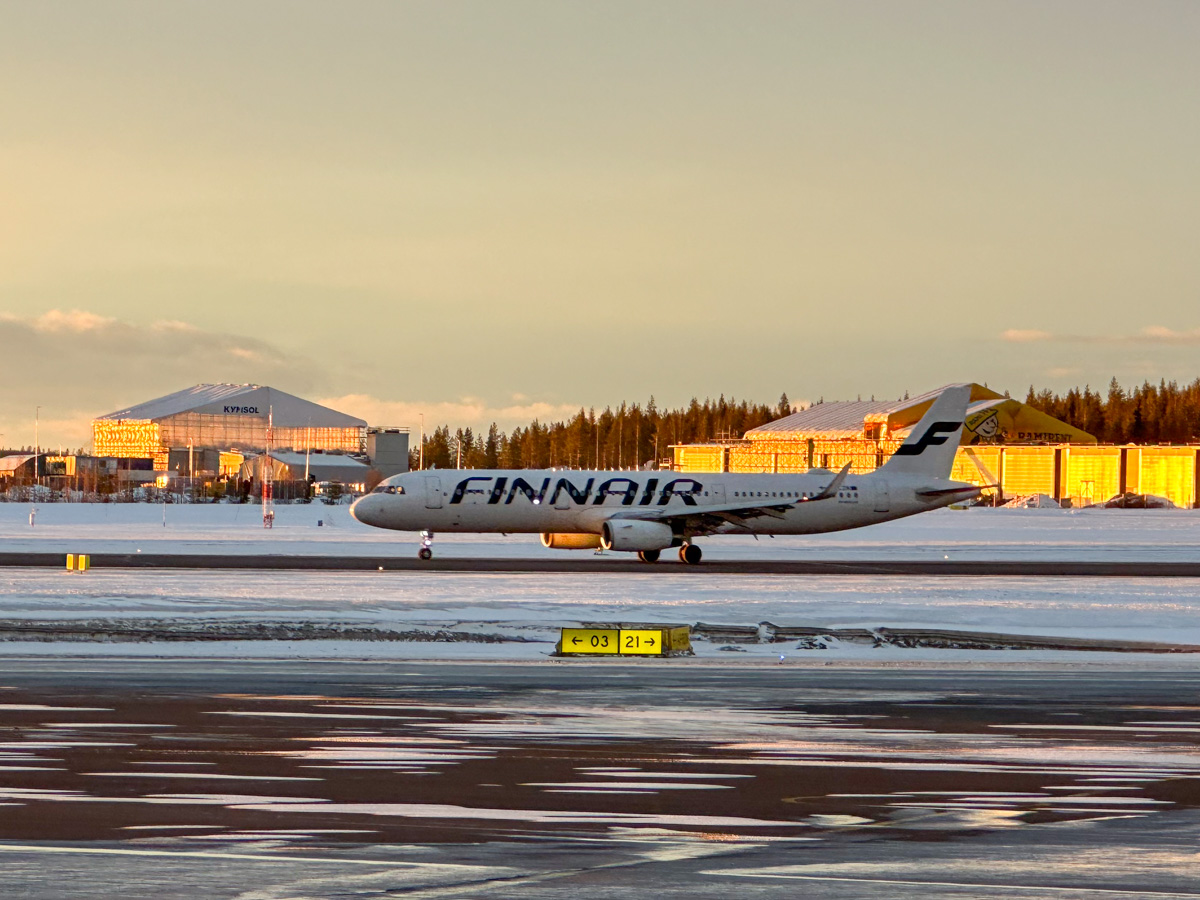
Finnair rebooked everyone onto the next flight, which was scheduled to depart at 5.20am the next morning. The airline did not provide any accommodation for the night. Instead, it told everyone to find a hotel – if they could – and keep the receipts. The airline would reimburse any reasonable accommodation, taxi and meal costs… or at least, that’s what they said at the time.
Given it was already 10pm, I wasn’t that keen on returning to the airport at 4am for the 5.20am flight. Luckily, Finnair made it easy to rebook onto a later alternative flight the following day at no cost.
Meanwhile, I tried to find a hotel in Rovaniemi for the night. The only place I could find which was still accepting new bookings that late at night was a hostel, so I booked a bed in a dorm for €50 (~AU$87). The reception at most hotels in the city had already closed by 9pm, so there were no other realistic options.
I took an Uber from the airport to the hostel, slept there, and returned by Uber back to Rovaniemi Airport the next morning. The two Uber rides cost a total of €47 (~AU$82).
The following day, I submitted my receipts along with a request for reimbursement of the €97 worth of extra costs incurred. It took more than three months for Finnair to send the following reply:
Unfortunately, according to regulations, compensation for hotel accommodations or additional care costs is not applicable in this situation, as you opted for a voluntary change to the alternative flight provided.
This was never mentioned when I selected an alternative Rovaniemi-Helsinki flight, and I never could find any such “regulation” mentioned anywhere on Finnair’s website. Besides, I still would have needed to book a bed and transport if I would have taken the first flight out the next morning – so the additional expenses would have been the same.
Eventually, Finnair agreed to pay for my accommodation. I had to follow up three more times after that before they eventually agreed to reimburse the cost of the Uber rides as well. It took more than five months to reach that point.
How many people would have given up by then? Most, I suspect. The airlines know this – otherwise they wouldn’t keep “trying it on” and getting away with it.
Many AFF members have had similar experiences with other airlines
Over the years, we’ve seen countless reports on the Australian Frequent Flyer forum of similar experiences. Too often, airlines make it hard to contact them, make up excuses not to pay what they owe, or simply ignore complaints altogether.
Sometimes, when an airline’s actions are particularly or deliberately egregious, on a large scale, consumer bodies and governments might get involved. Many Australians will remember the ACCC’s legal action against Qantas for selling “ghost flights” during and after the COVID-19 pandemic. Qantas was forced to remediate affected customers.
To its credit, Jetstar New Zealand recently acknowledged that it treated some customers unfairly around that time as well. It’s now inviting customers in New Zealand whose requests for refunds or compensation prior to May 2024 were rejected by Jetstar to request a review of their claims.
But for individual claims, like my Iberia and Finnair claims described above, your options are often limited. You either have to be really persistent, get a consumer authority involved, or literally sue the airline in court. Most people don’t have the time or money to do that, and I don’t blame them.
Australia is introducing an aviation ombudsman: Will that be enough?
In 2009, the Australian government called out the nation’s airlines for failing to have effective complaint resolution processes. At the time, the government threatened compulsory regulations if the airlines didn’t lift their game.
In response, Australia’s airlines set up the Airline Customer Advocate, an industry-funded body that sounded good in theory but proved ineffective in practice. Some cynics would argue that the airlines designed it to be that way.
Following the most recent Aviation White Paper in 2024, the Australian government is now proposing to set up an Aviation Customer Rights Charter and Aviation Industry Ombuds Scheme.
These will mainly just seek to help consumers access the rights they already have, rather than introducing new rights. But if it’s enough to stop airlines stonewalling customers who are legitimately entitled to compensation or refunds, these could still be welcome changes. Customers deserve access to fast and effective dispute resolution when airlines decide not to play ball. They haven’t always been getting this in recent years.


Community Comments
Loading new replies...
Join the full discussion at the Australian Frequent Flyer →