Flying to the Other Side of the World: What’s the Hurry?

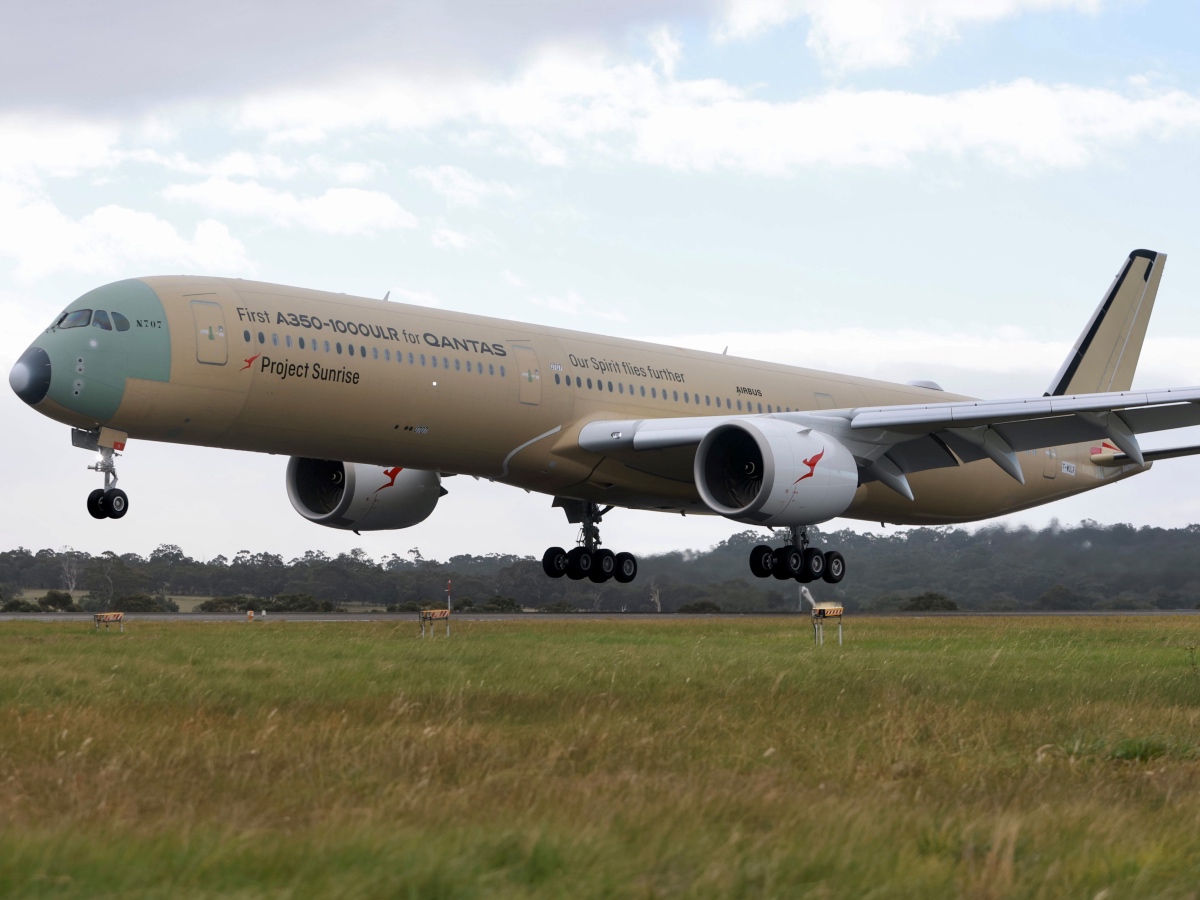
An Airbus A350-1000ULR operated the world’s longest flight by a commercial aircraft in July 2026, flying eastbound from Australia to France without stopping. The record-breaking flight took 24 hours and 24 minutes.
This is one of the planes that Qantas will start using next year to operate non-stop passenger flights from Sydney to London. That flight could take up to 21 hours.
Qantas believes customers will pay a premium for the non-stop service – even in Economy.
Whether enough people are willing to pay extra to avoid a refuelling stop en-route remains to be seen. But there is every reason to believe they will, because of the thousands of people who already fly every day from Australia to Europe, the majority choose the shortest connection times. Most people stop somewhere in Asia or the Middle East, then immediately connect onto another flight bound for Europe. The journey typically takes around 24 hours – or longer if a one-stop itinerary isn’t available.

Ultra long-haul flying in Economy isn’t fun
After getting off a long-haul Economy Class flight, have you ever wished you could immediately get back onto another plane to sit in Economy for yet another 10 hours? I haven’t either. And yet, so many people flying to destinations on the other side of the world choose to do exactly this every day.
You could make exactly the same point about flying from Brazil to Japan, or USA to India, or New Zealand to Africa.
Admittedly, some people are genuinely time-poor or just need to get to their destination ASAP. They might be travelling to urgently visit a sick relative. Business travellers may only spend a few days at their destination attending meetings or a conference, with no spare time to play with. And some people may not be able to get a visa to enter the country where they are changing planes.
For everyone else travelling to the other side of the world for a non-time-critical holiday that’s supposed to be fun… why the hurry?
No, really!
If you’re flying Economy all the way from Australia to Europe, and planning to spend several weeks or months away, would it really be that bad if you added an extra day to your travel time by stopping over half-way?
Flying in a premium cabin such as Business Class can at least make such a long trip bearable. But a Business Class ticket from Australia to Europe is not exactly cheap. Most people are in the back half of the plane.
I’ve flown straight through from Sydney to London in Economy on QF1 , with just a short refuelling stop in Singapore. This is one of the better ways to make this trip, if you have to – and even that honestly sucks. By the 19th hour on board the Airbus A380, all I wanted to do was get off the plane, go for a walk, get some fresh air, and get some proper sleep.
So nowadays, wherever possible, I try to break up the trip from Australia to Europe into two or more smaller parts.

Shorter journey, longer recovery time
If you’re flying from Australia to Europe in Economy, I would argue that you’re not even really saving time by flying all the way there in one go. After 24 hours in an Economy seat, you’ll probably need a couple of days to recover.
By stopping for a night or two along the way, you can shorten the recovery time at your destination. Changing time zones more gradually also makes it easier to adjust your body clock, reducing the jet lag on arrival.
Even if you don’t add a full-on stopover to your trip, just getting a few hours of proper sleep in an airport sleep pod during your transit could make a big difference.
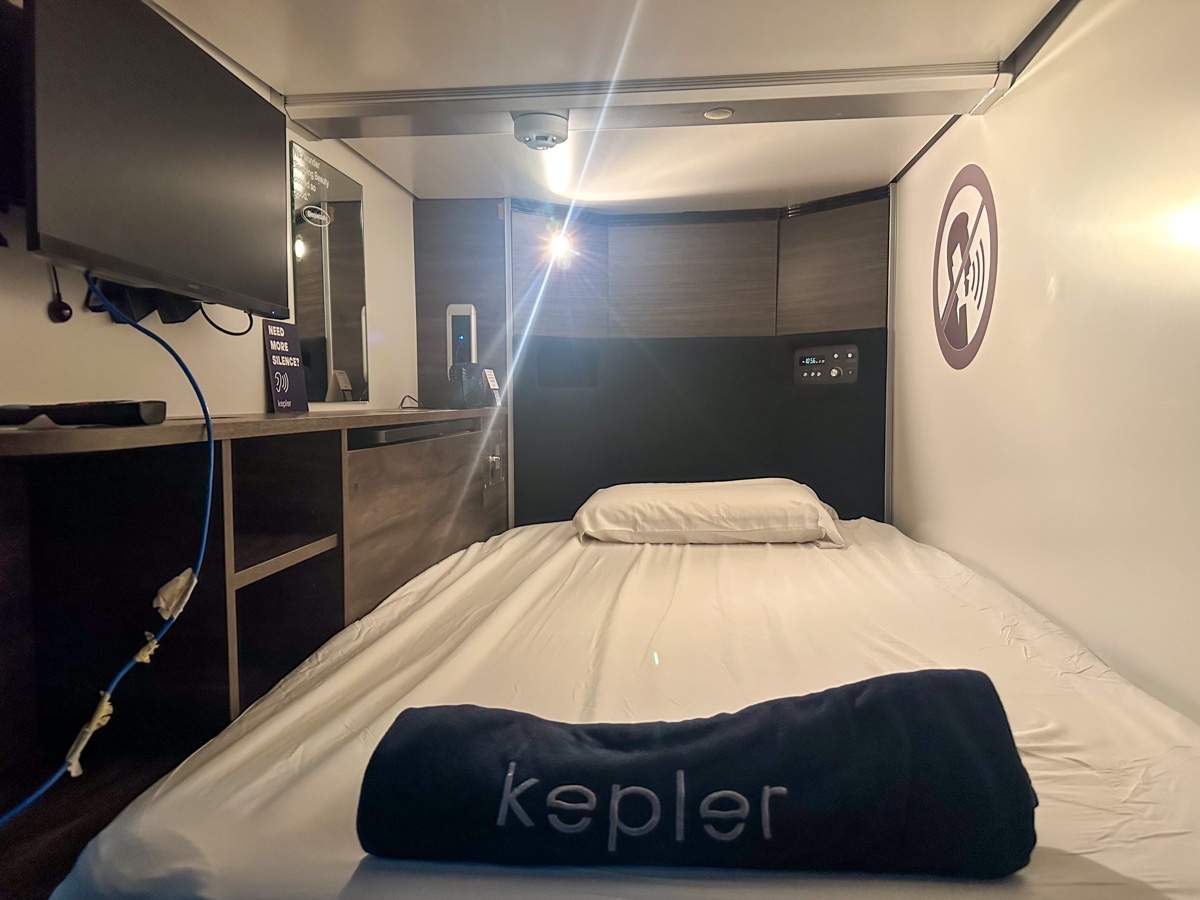
My personal strategy
On my most recent trip to Europe, I stopped over in Kuala Lumpur. The weather was warm, the food was delicious, and I appreciated getting some proper rest along the way in a hotel with a real bed and a swimming pool.
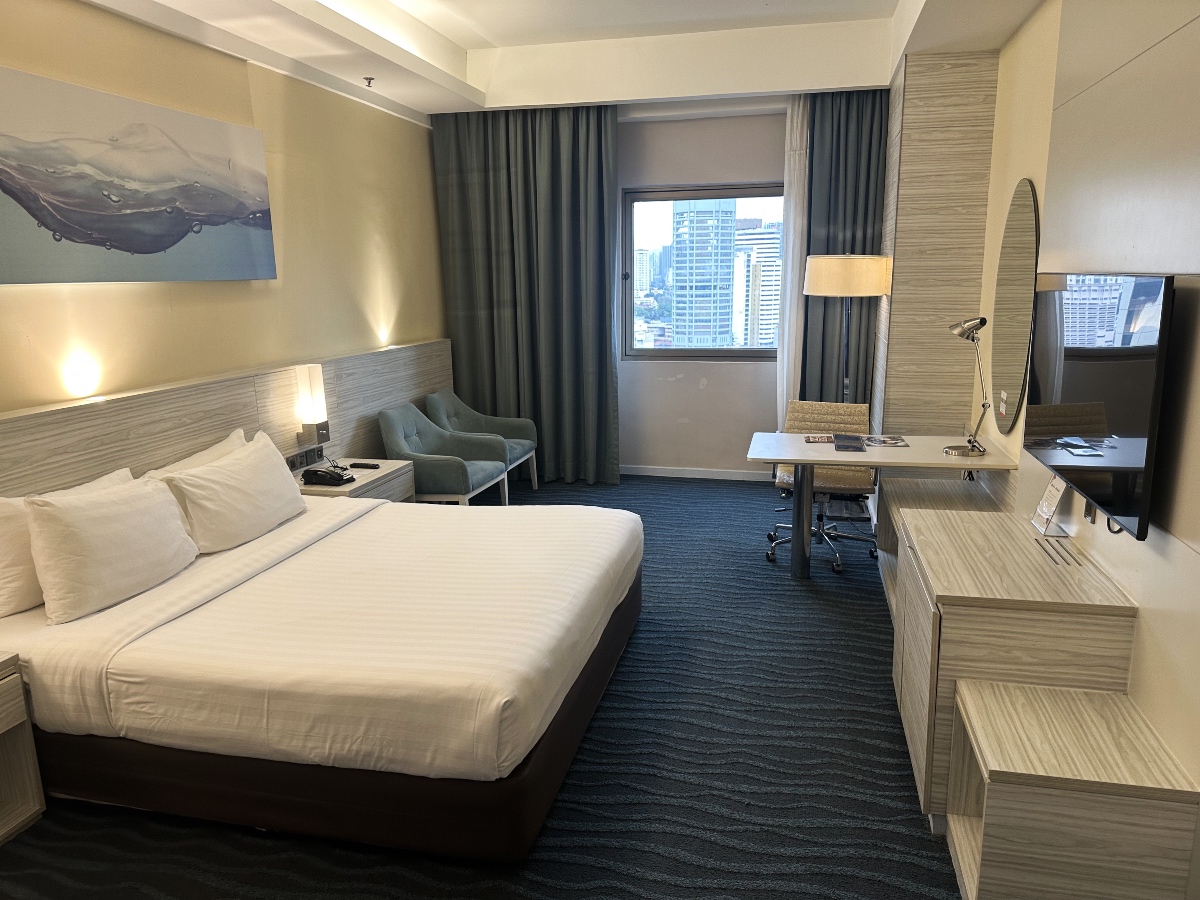
By breaking up my trip this way, I also managed to avoid overnight flights for the entire trip to Europe. My flight from Asia to Europe departed in the morning, and I boarded feeling rested – rather than knackered after just coming off a red-eye flight from Australia.
You don’t even have to stop over in Asia or the Middle East. Australia and Europe are so far away from each other that you can fly in pretty much any direction and end up in Europe. In the past I’ve done this trip via South Africa, Chile and Canada, to give a few examples – and very much enjoyed visiting each of those places too.
So, next time you’re booking a trip to somewhere far, far away, ask yourself: do you really need to get there in the shortest possible time, or do you just have get-there-itis for the sake of it?
Related Articles
-
 15 April, 2025Planning & Booking
-
 22 June, 2026The Journey
-
 31 October, 2024Planning & Booking