Let’s Talk About Airline Meals on Overnight Flights…
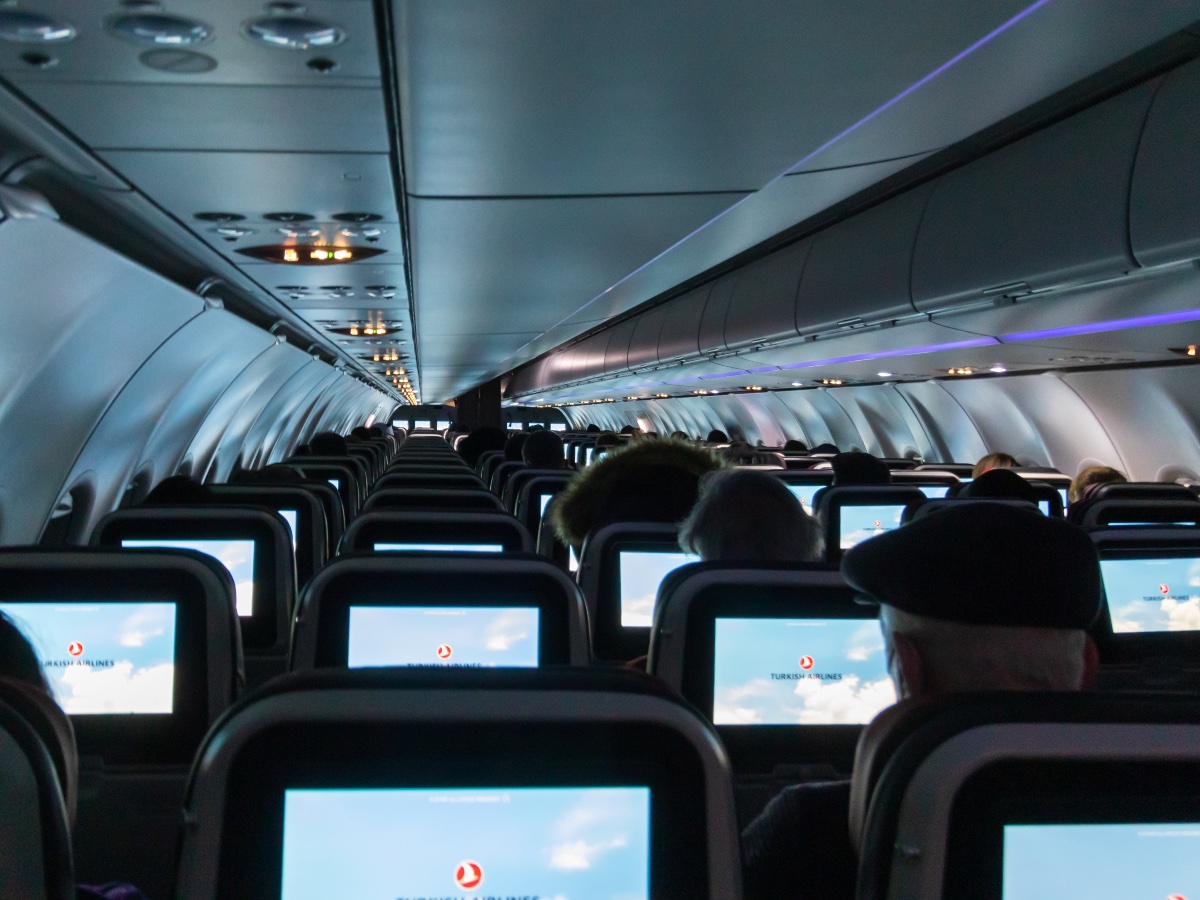
When it comes to airline meals, it’s impossible to please everyone. There are competing priorities between passengers who want more or better food, passengers who just want to sleep, and airlines trying to reduce their catering budgets.
On overnight flights, especially relatively short ones, it’s even more difficult to get this balance right. Which probably explains why different airlines have so many varied approaches to their meal services on red-eye flights.
“Dine on demand” is great… if the airline offers it
Some airlines offer “dine on demand” in their premium cabins. While this creates a bit more work for the cabin crew, it’s great for passengers as they can decide exactly when they want to eat and sleep.
But offering meals on request isn’t that practical in Economy as there are just too many passengers. In fact, many airlines don’t even offer this service in Business Class. Instead, they offer fixed meal services at set times (and sometimes have extra snacks available in the galley between the designated meal times).
This then leads to the question: What kinds of meals should airlines serve on overnight flights, and when?
A plethora of different approaches to meals on overnight flights
There are so many different ways that different airlines can and do design their meal services on short and medium-haul overnight flights.
On particularly short red-eye flights, such as Perth-Melbourne or Bali-Sydney departing around midnight, airlines that offer meals would typically just serve either a light supper after takeoff or breakfast before landing – and not both. Some carriers might even just hand out a snack bag before take-off, or skip the meal service altogether.
But for the purposes of this article, I’m thinking of red-eyes with an awkward flight time of around 5-8 hours such as Perth-Auckland, Singapore-Brisbane, New York-London or London-Doha. The reason I say this is an awkward amount of time is that it’s too long not to offer food, but also not long enough that anyone is really going to get a proper night’s sleep on board.
In this scenario, there are so many different combinations and permutations of food & drinks that airlines could offer. Some of the possibilities include:
- Full dinner after take-off and a full hot breakfast before landing
- A light supper or snack after take-off and a full hot breakfast before landing
- Full dinner after take-off and a light snack before landing
- Full dinner after take-off and then nothing for the rest of the flight
- Nothing after take-off and breakfast before landing
- One big meal in the middle of the flight
- No food at all

Which service flow is best?
On a surface level, if you asked random people to choose from the above options, many would likely go for the first one. But the problem with running long, drawn-out meal services at both the start and end of an overnight flight is that this leaves very little time in between for people to actually sleep.
I often find it frustrating when certain airlines start serving breakfast a full three hours prior to landing on overnight flights from Asia to Australia. If you’re travelling from Singapore to Sydney, for example, that leaves barely 2-3 hours of cabin darkness after the end of the first meal service to actually try to get some shut-eye.

The best example I’ve seen of an airline getting this balance right is probably Japan’s All Nippon Airways (ANA).
On an overnight ANA flight I took in Economy, the crew served a comprehensive dinner after take-off and then handed everyone snack bags with non-perishable breakfast items before switching off the lights for the night. This meant they didn’t have to wake anyone up for a drawn-out breakfast service prior to landing – and anyway, the dinner was so filling that I wasn’t that hungry later in the flight. (The crew did still quietly serve drinks shortly before landing.)
A recent example that made little sense
Probably one of the most bizarre examples I’ve seen of an airline’s meal service on a mid-haul red-eye was a recent Economy Class flight I took with Air Astana. This was a roughly six-hour flight from Almaty to Bangkok that departed just after midnight at 00:15, arriving in Bangkok at 08:55 local time.
Air Astana is about as much of a full-service airline as it gets. They even give complimentary amenity kits in Economy Class! So, given the timing, I expected that Air Astana would probably serve a light supper after take-off and a hot breakfast before landing.
Instead, the crew served a hot breakfast right after take-off and a sandwich before landing. Which is fine, I guess, but who really wants to eat breakfast late at night?
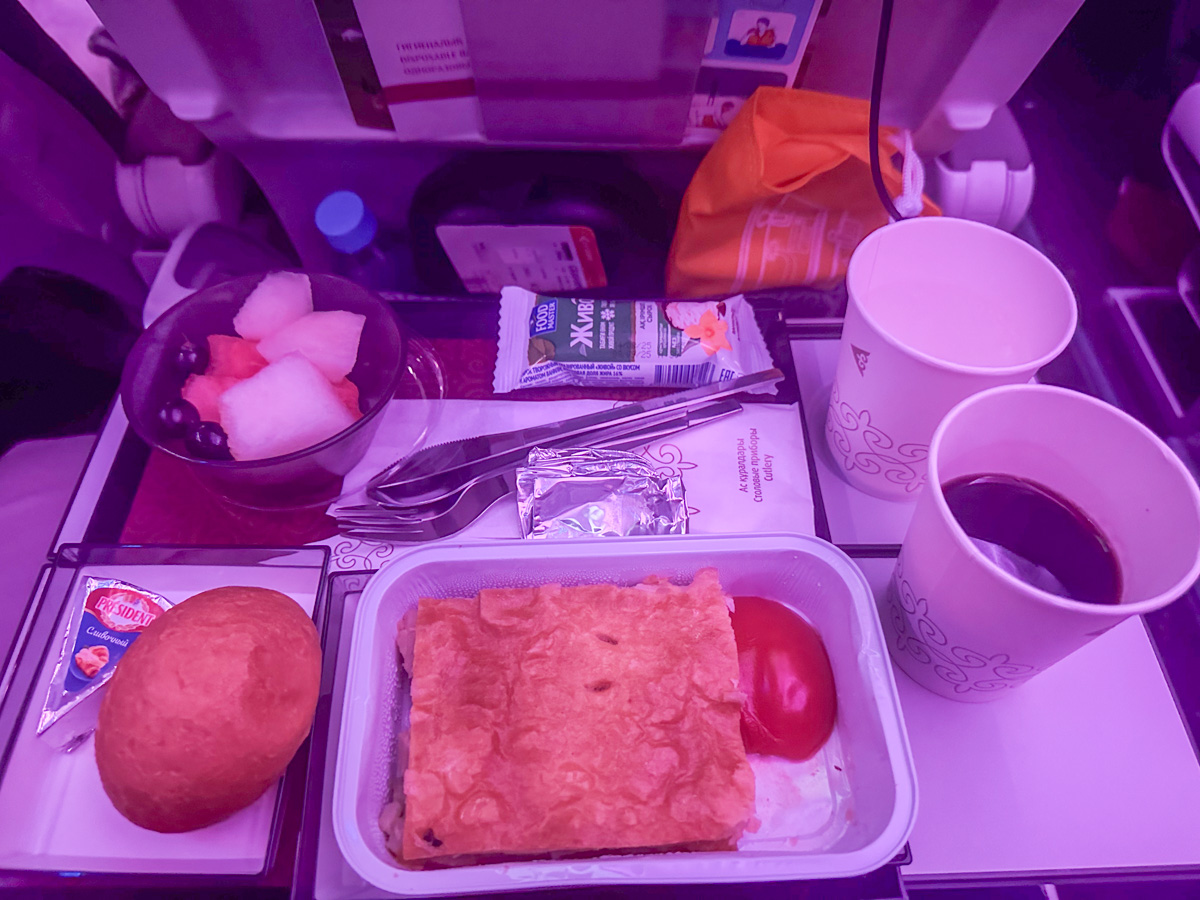
Perhaps the most bizarre thing was that the crew refused to serve any of the spirits that were listed on the menu because they “don’t serve them with breakfast”. Which is fine, but why are you serving breakfast at 1am? And since the only meals served on this flight were breakfast, why even list the spirits on the menu in the first place? 🤷♂️
What do you think is the ideal solution?
If you’ve taken your fair share of overnight flights, you’ve probably come across plenty of different meal service patterns.
What have you seen that works well – or not? And what do you think is the best way for airlines to approach the service flow on short-to-medium overnight flights?
We’d love to hear your thoughts on the Australian Frequent Flyer forum!

Community Comments
Loading new replies...
Join the full discussion at the Australian Frequent Flyer →