My Advice for Aspiring Travel Writers

As an 18 year-old, I dreamed of having a job that combined my passions for travel, aviation and writing. I didn’t think it would ever become a reality, but sure enough – I ended up getting a job at Australian Frequent Flyer (AFF) and have been the editor for the past 11 years.
I’ve learned a lot and am proud of what I’ve achieved during that time. But the time has now come for me to move on to a new challenge.
I’ll still do some freelance writing for AFF next year, so you’ll still see me around for the time being – and I’ll definitely continue to be a part of this wonderful frequent flyer community. But for my final article as AFF’s editor, I wanted to share some of the things I’ve learned along this journey. Essentially, this column is a collection of the tips and advice I would want to give to myself as an 18 year-old starting out in the world of travel writing.
My number-one tip for content creators
The most important piece of advice I would give to anyone who creates content in any industry – be that writing articles, creating videos, giving a speech, or anything else – is to think about what your audience wants and why they would consume your content. Take the time to understand your readers, viewers or listeners, think about how you can provide value to them, and produce content with them in mind.
Everything you write or produce should have a purpose – be that to educate, entertain, inform or persuade your audience. Perhaps it’s all of those things. This may seem obvious, but if your audience isn’t going to get value out of your content, it won’t be successful.
This is very similar to the advice given to most business students. Rather than trying to convince customers to buy what you want to make, the key to success in business is to create things that customers want to buy. If you take the time to understand your customers’ pain points, and create a product or service that provides a solution, your business is much more likely to succeed.
There are downsides to accepting freebies
If the main reason that you want to become a travel writer, content creator or influencer is just so you can travel for free, this probably isn’t the right job for you. The primary reason to be doing a job like this should be that you want to create great content.
You should also be mindful that, as a member of the media, you might get special treatment your readers wouldn’t. You might personally enjoy that, but remember that your main job is to provide value to your audience! For this reason, if I’m reviewing a flight, I almost never tell the airline or crew in advance.
I will admit that there was one recent exception where I had to call in a favour because the airline switched the aircraft type I planned to review to a different one at the last minute, which would have defeated the whole purpose of my review trip. My media contact at the airline switched my flight (which I had paid for), but this came with the trade-off that the cabin crew were forewarned that I’d be on board. I didn’t let this get in the way of my objective review, but it is something to be mindful of.

Learn from your mistakes
Engage with your audience and admit when you’re wrong.
I won’t change an article just because a PR rep doesn’t like its “vibe”, but I will always correct any factual mistakes. And if a reader points out a genuine error – be that anything from a typo to something much more substantive – thank the reader and update your content.
In my case, one of the benefits of writing for the AFF community is that they’ll always let you know if they disagree with you. Over the years, I’ve written a few articles where the community feedback has been overwhelmingly negative. Two that come to mind are this Qantas review and this article about Classic Plus. I appreciated all of the feedback and took it as an opportunity to learn.

My intention with the Classic Plus article was to report on Qantas’ internal data and sentiment about its new product, rather than to encourage AFF members to book Classic Plus rewards. A lot of people seemed to misunderstand my intentions, and some people even thought it might have been sponsored content (it wasn’t). Ultimately that’s my fault, because communication is all about what your audience understands, rather than what you think you’re communicating.
Other travel writing advice
In no particular order, these are my other travel writing tips:
- Explain things as simply as possible. You may think that using complex terminology makes you sound smart, but if your audience doesn’t understand what you’re talking about, your content hasn’t served its purpose.
- Always keep the main thing the main thing. If you’re writing about something that isn’t really related to the main topic of the article, perhaps that content belongs in a different article.
- Use AI sparingly. The internet has enough slop written by Artificial Intelligence already, and the travel information AI provides is often wrong.
- Take media releases from companies with a pinch of salt. Sometimes, negative news is buried within a release that actually highlights something else. And not all the information in every press release is necessarily true, even if it comes directly from the company. Our job as journalists is to unravel those webs and find the true story that our audience cares about.
- Be careful not to cross the fine line between creating aspirational content and coming across as arrogant. If you’re posting a photo of yourself sipping champagne in Business Class, be sure the content is focused primarily on helping your reader to do the same – rather than just showing off.
- There are more people who want to be travel content creators than jobs available. You need to stand out, and it’s a good idea to supplement your skillset with other skills – you never know when you might need them.
- You’ll never please everyone, so you need to have thick skin. I know I’ve got the balance about right when some of my audience complains I’m being too easy on an airline, and others complain I’m being too harsh!
- Never steal someone else’s work without permission. This should be obvious, but it happens all the time in this industry and it doesn’t win you any favours. And if you do get permission to use someone else’s work, make sure you attribute the original creator.
- Be curious and always on the lookout for a great story. Many of my ideas come from observing things happening around me while travelling. (The second most common place where I get story ideas is in the shower.)
- Take lots of notes.
- Understand SEO and (increasingly) GEO.
- Original ideas and content do better than regurgitations of other people’s content or press releases.
- Don’t underestimate how tiring constant travel can be, especially if you’re working the entire time.
- Sometimes, less is more.
- Be true to yourself. Always.
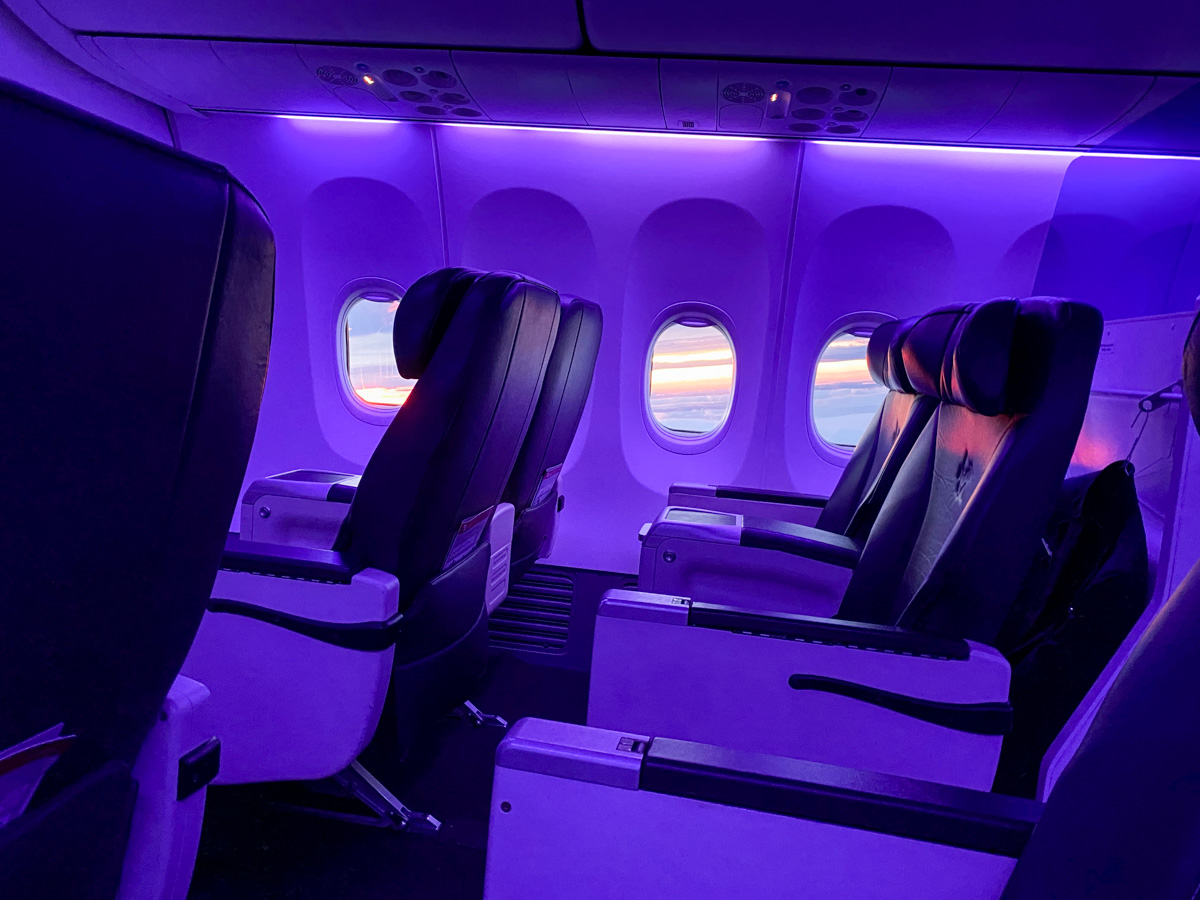
Do you want to be a travel writer?
Travel writing can be a hard industry to crack. There are lots of people who start blogs, YouTube channels or Instagram pages, trying to become an influencer in this space. Some of them succeed, but many don’t.
If you have a genuine passion for travel, find your audience, and focus on providing them with content they value, you’ll be off to a great start.
By the way, if you’re an active AFF member and would be interested in writing for AFF, send a conversation message to admin on the AFF forum. You never know, AFF might have some work for you!
Related Articles
-
 15 August, 2024Airlines, Miles and Points
 -
 11 June, 2024Trip Reports & Reviews
 -
 18 November, 2024Post Flight
Community Comments
Loading new replies...
Join the full discussion at the Australian Frequent Flyer →