- Joined
- Mar 6, 2008
- Posts
- 682
- Virgin
- Platinum
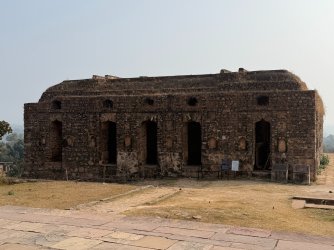
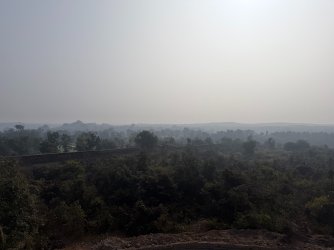
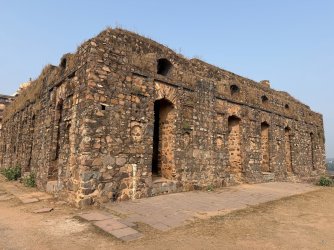
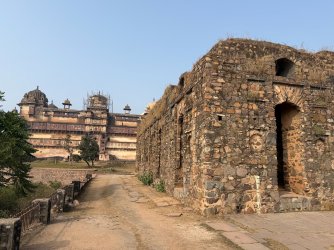
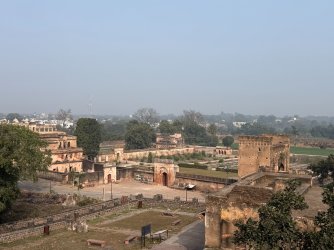
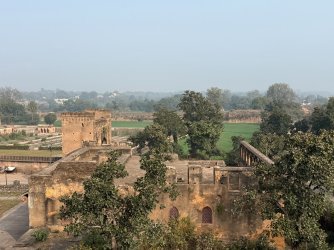
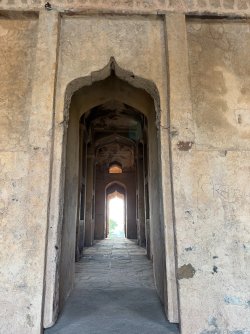
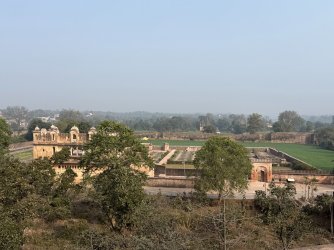
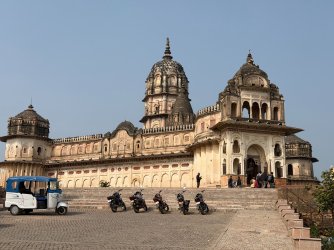
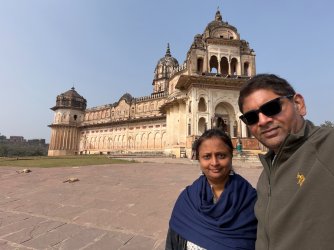
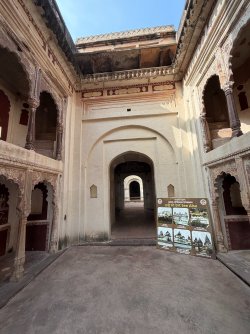
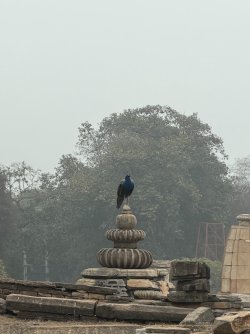
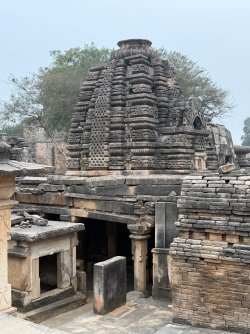
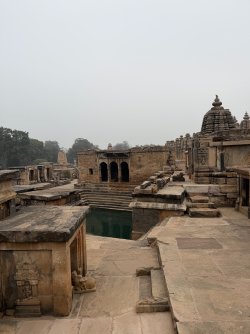
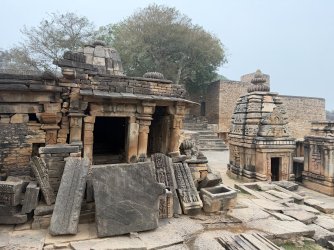
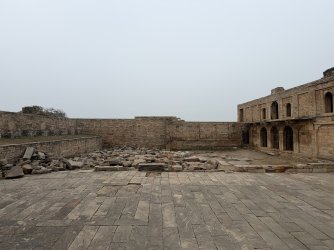
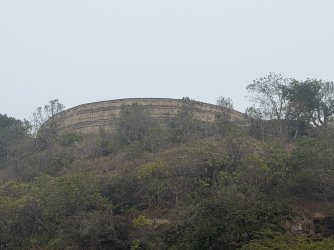
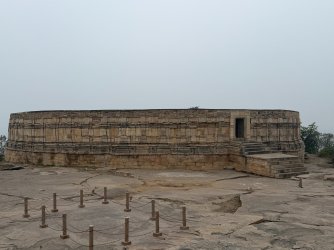
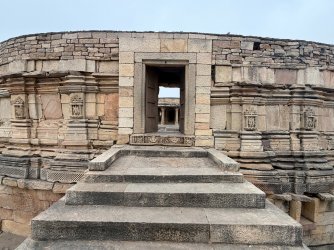
Outer buildings and views





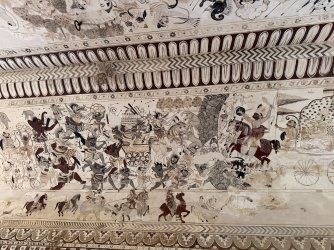
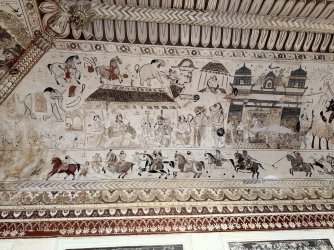
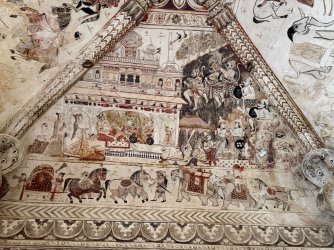
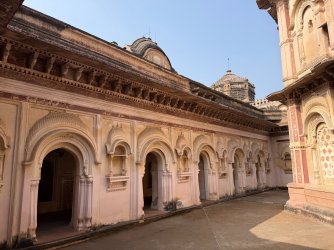

AFF Supporters can remove this and all advertisements
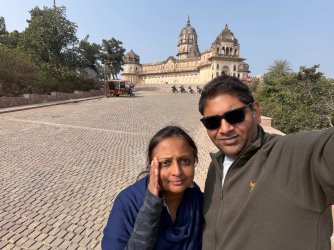
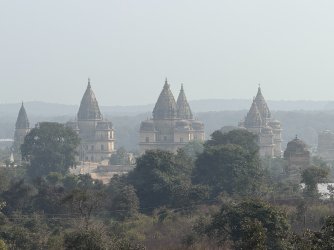
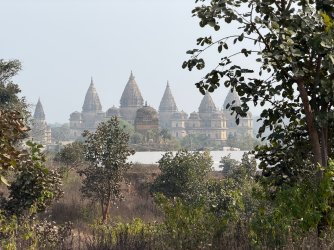
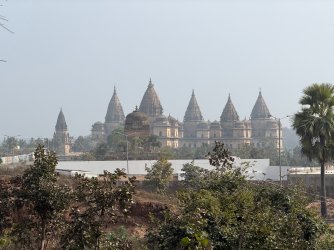
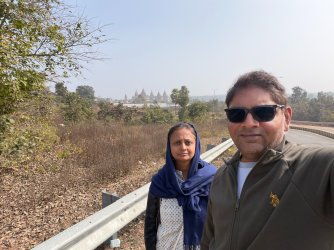
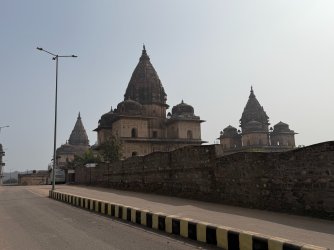
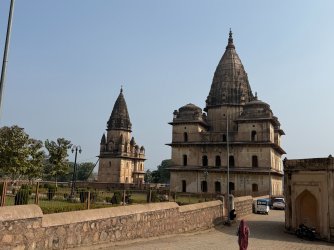
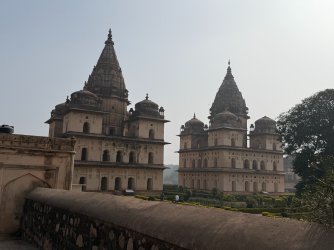
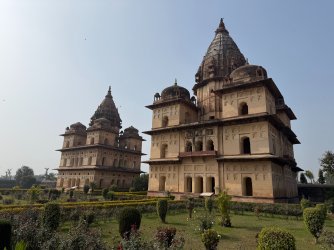
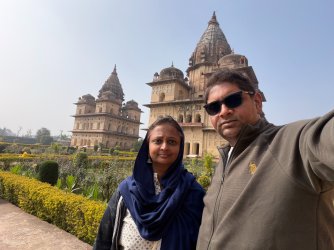
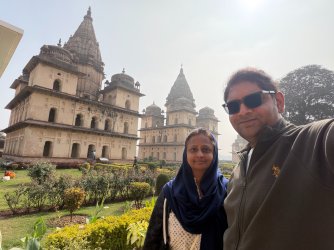
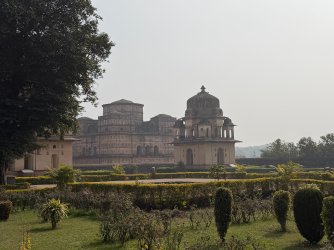
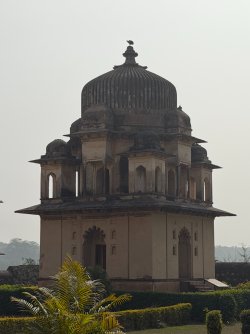
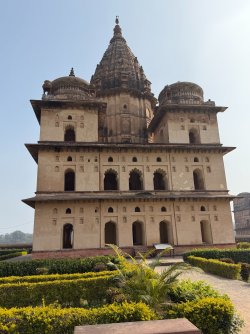
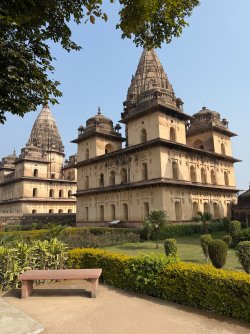
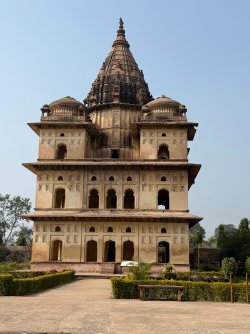
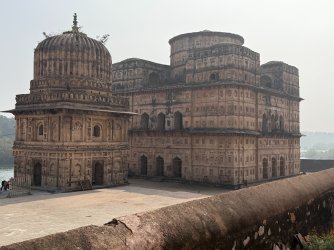


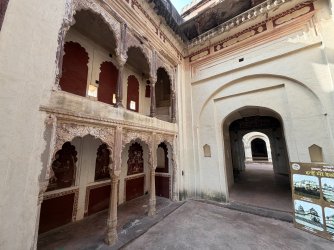
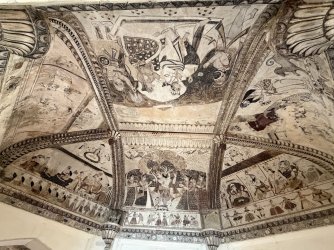
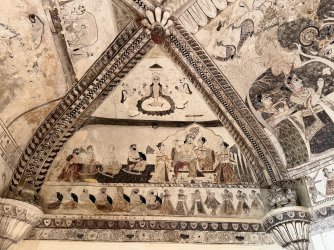
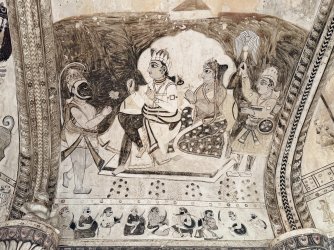
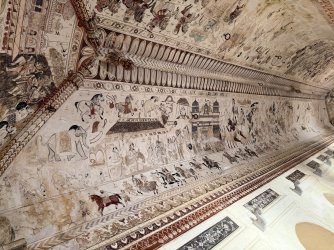
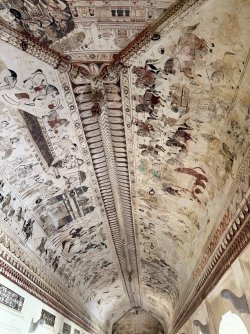
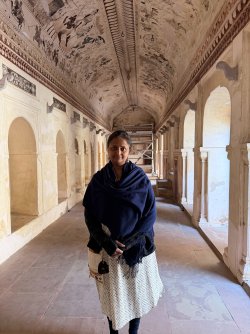
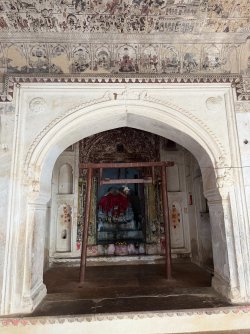
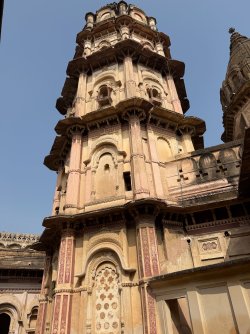
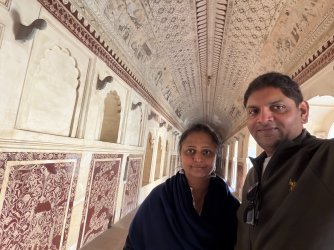
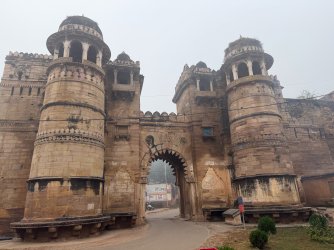
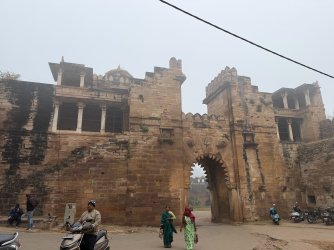
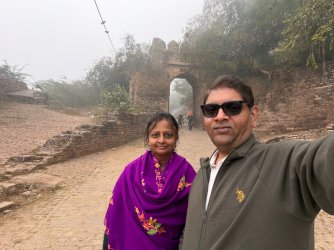
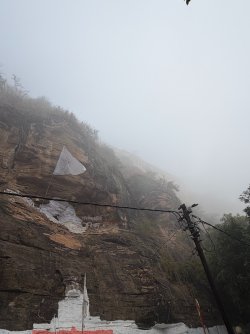
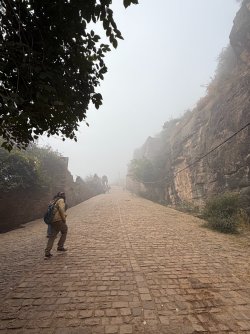
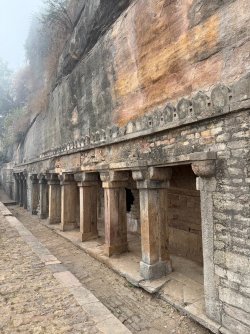
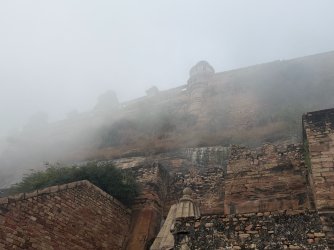
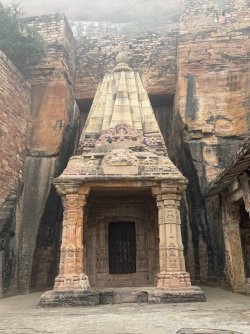
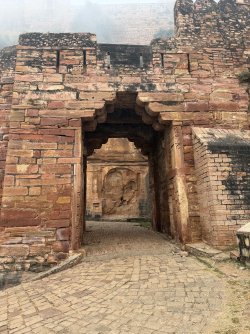
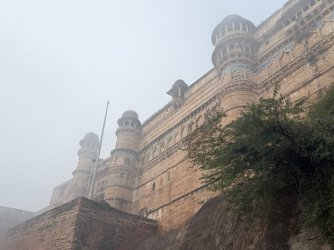
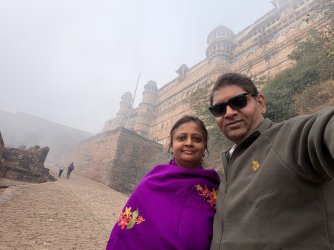
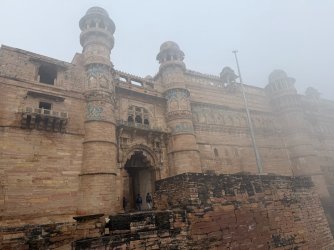
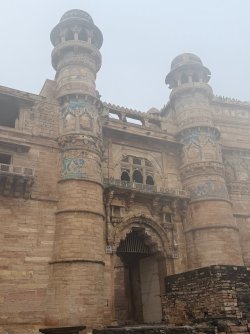
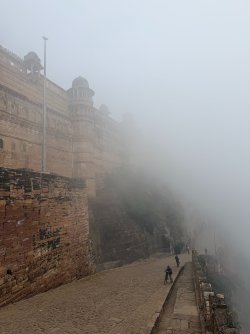
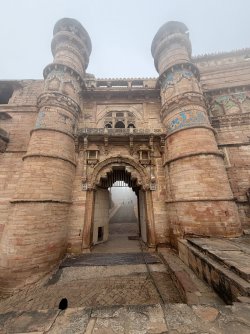
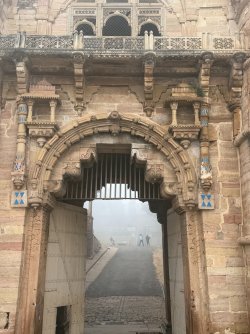
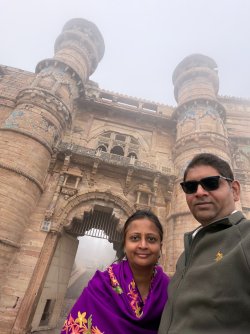
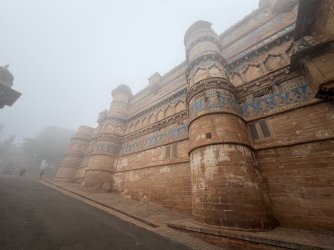
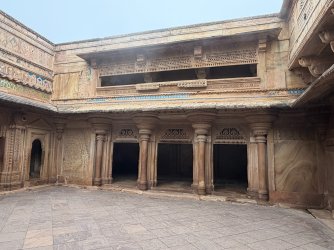
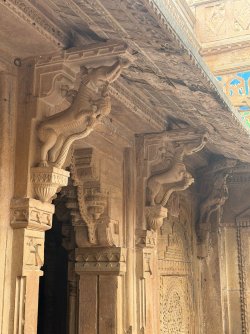
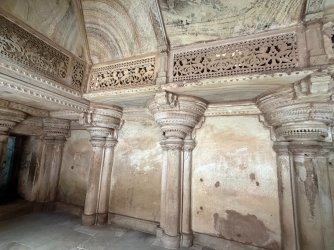
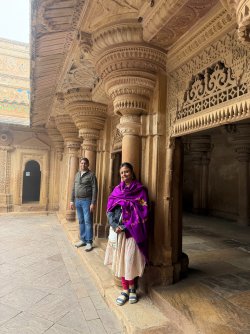
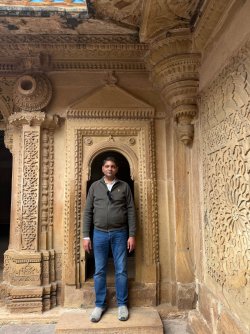
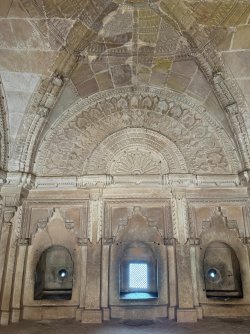
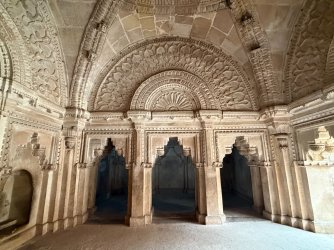
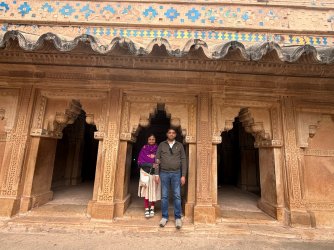
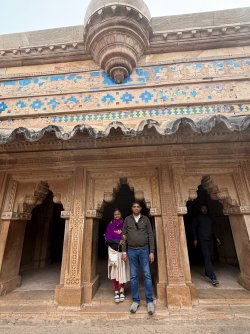
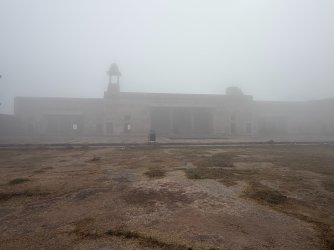
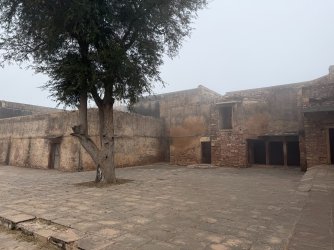
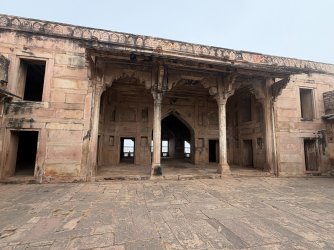
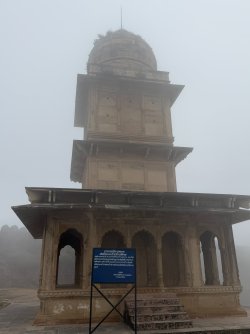
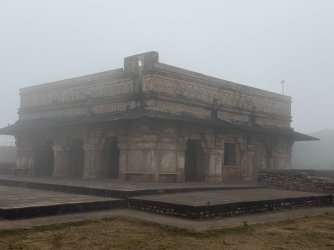
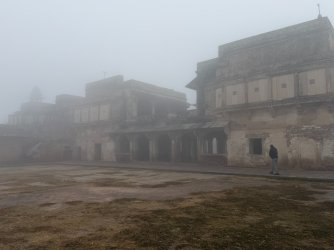
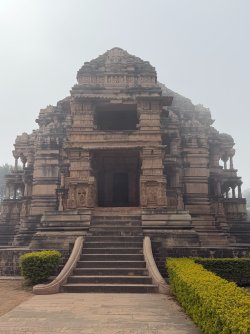
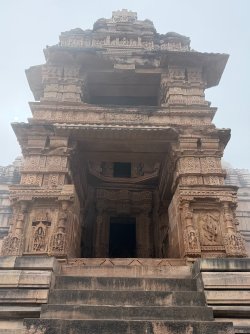
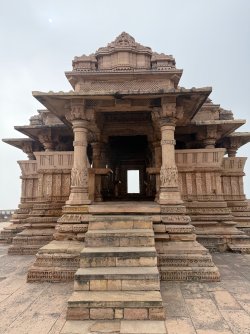
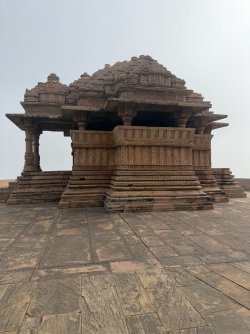
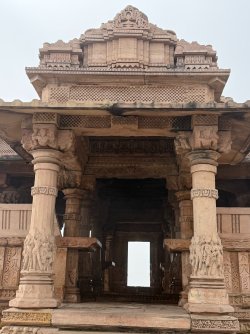
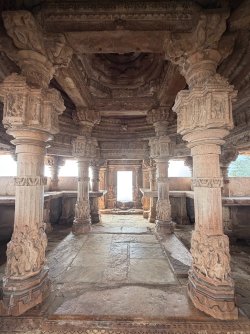
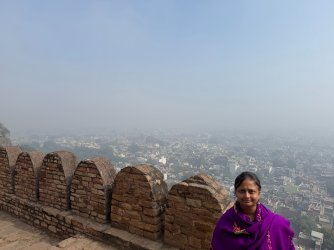
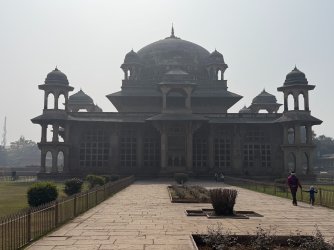
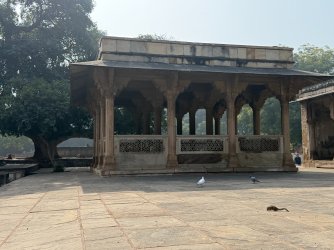
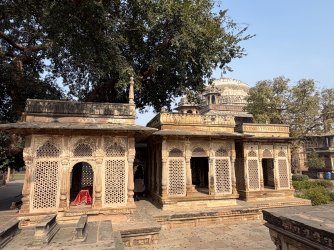
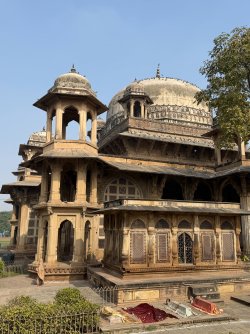
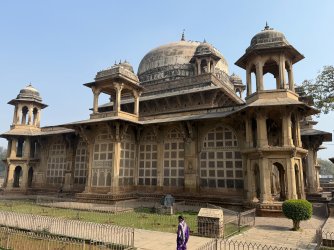
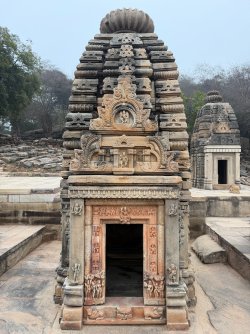
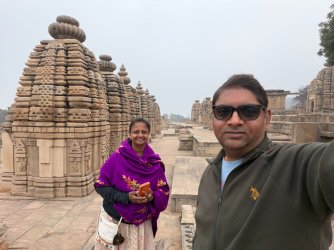
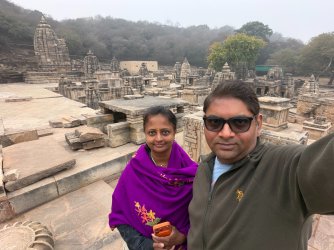
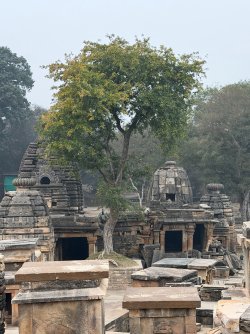
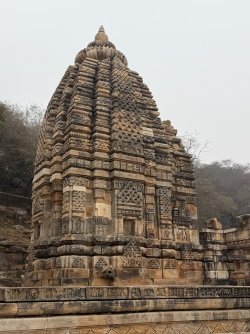
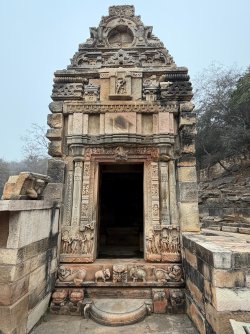
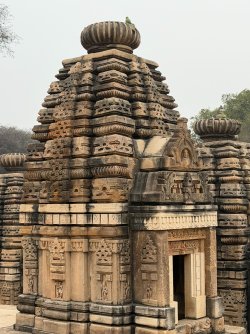
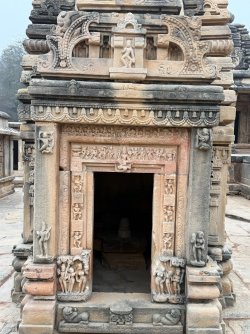
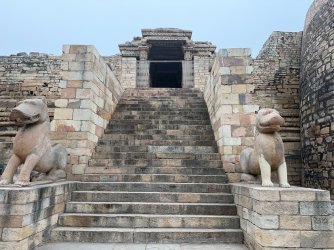
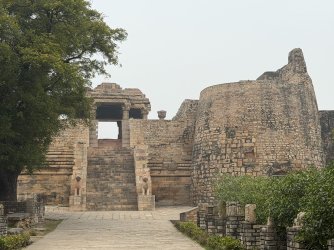
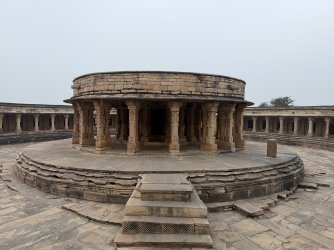
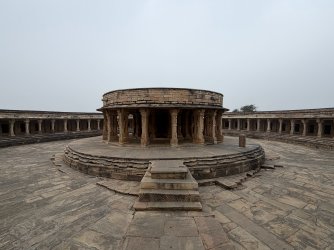
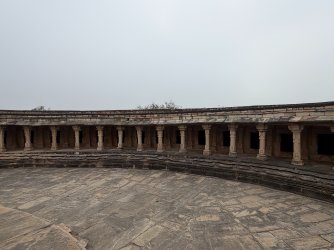
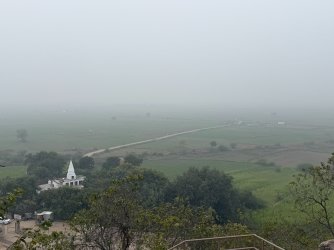
We left early to reach Orchha when it opened at 8 am, hoping to beat the crowds. I also hired an auto rickshaw instead of a car, partly because I suspected it would be able to get into places a car wouldn’t. This turned out to be correct, which was satisfying on two levels: practically, because it worked, and domestically, because I was right for once.
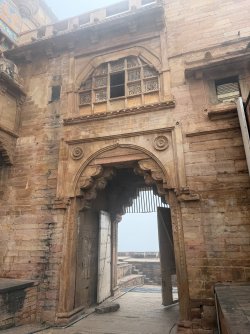
Interesting that you used an auto rickshaw. In 2023 this photo shows the exit we encountered as we exited the city. We thought Orchha was an excellent visit & realise that Magan our regular Indian guide/planner/driver has led us to many fantastic, lesser visited spots India 2023-Back to India-Camels, Mustard, Safaris and Living like a Maharaja. | Page 8 | Australian Frequent Flyer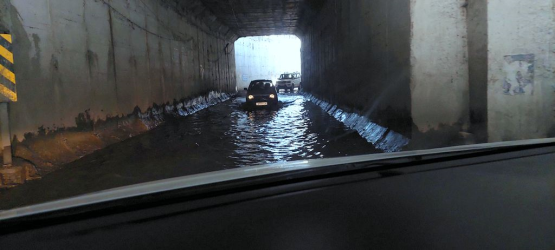
It’s a combination of thingsThanks, I am really enjoying this TR. I have to admit that I am surprised at how few other people there seem to be at most of the historical forts etc that you have visited. Is it simply because there is a huge range of options to visit, few tourists in this area or a lack of interest by the local population in these sights?
Thanks.It’s a combination of things
We try to early, to beat the crowds
Christmas and new year holidays just finished so not too busy
These places aren’t on the tourist trail so mostly locals visit
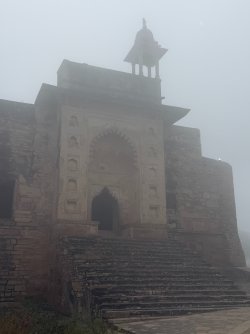
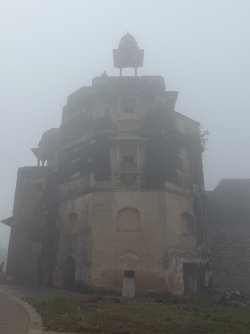
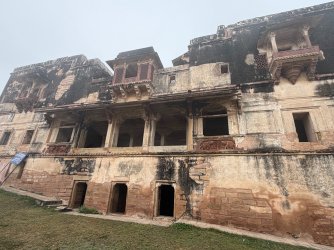
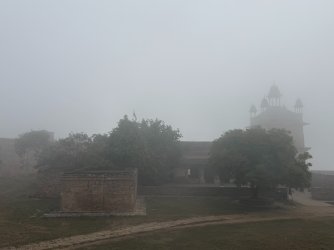
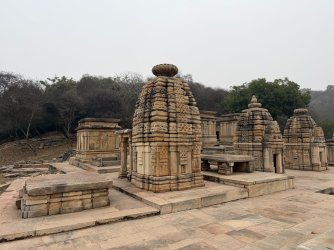
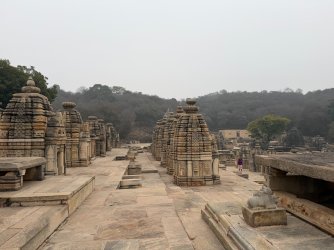
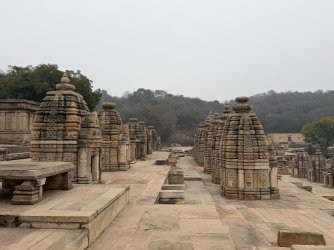
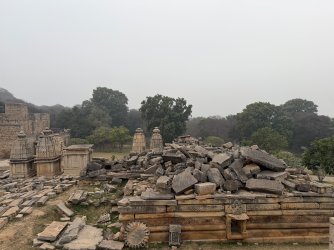
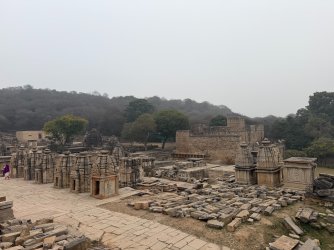
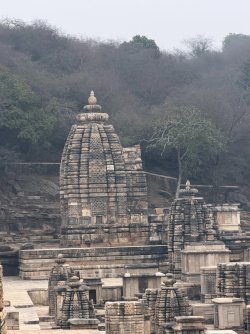
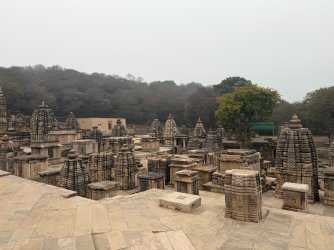
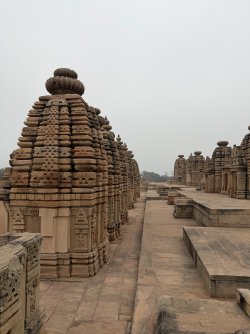
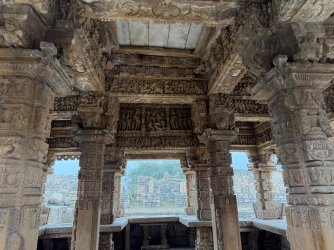
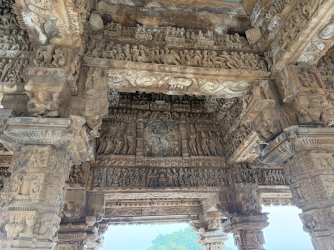
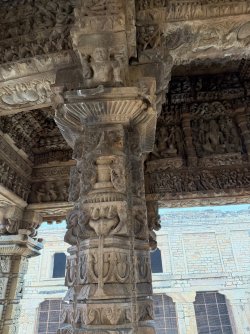
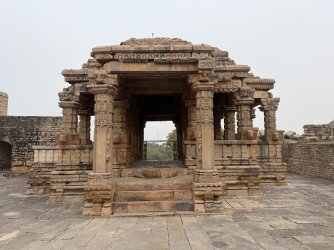

Thanks! That’s exactly how these trips start for me too, one “quick” idea turns into a small archive and suddenly you’re planning three parallel vacations.Many thanks! Really interesting look at places that can easily be overlooked. I'm currently planning another trip to India and am accumulating ideas ... (perhaps too many!).