India Diaries: Middle India, In Search of Nothing

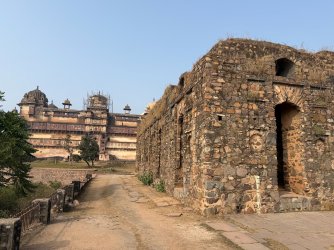
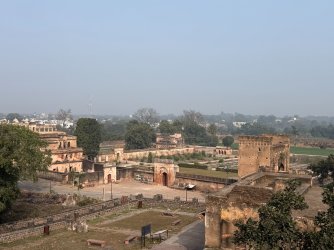
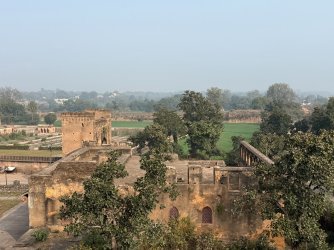
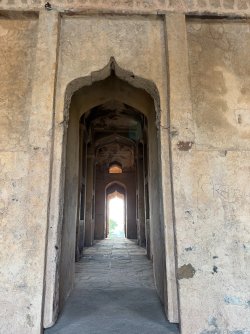
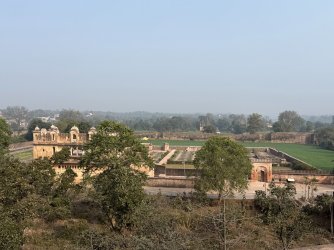
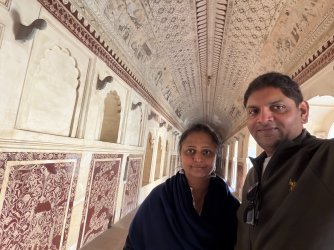
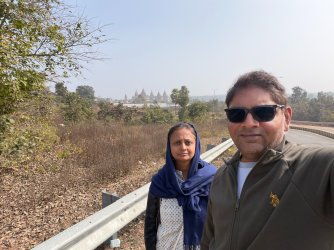
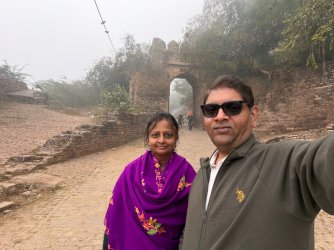
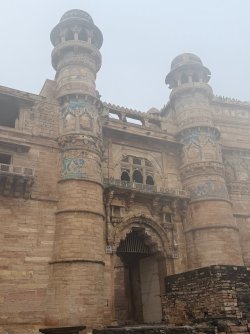
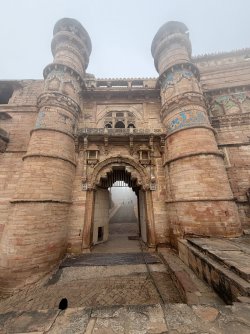
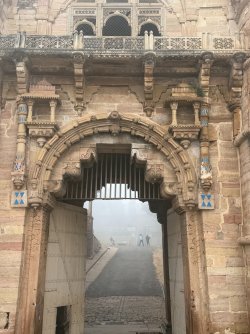
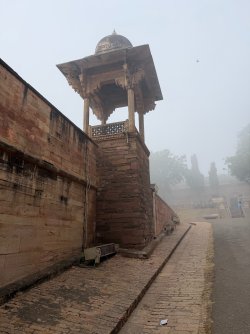
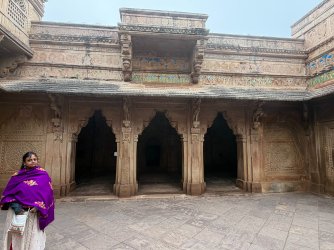
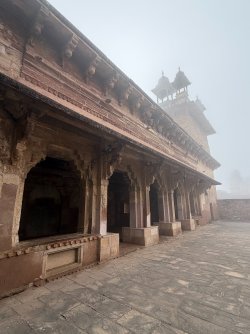
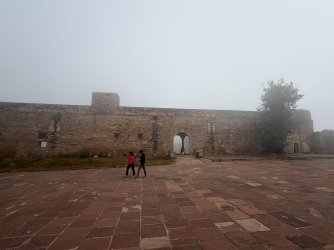
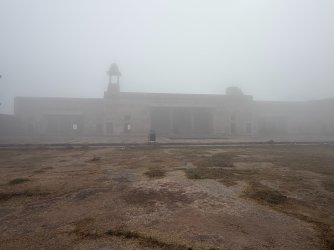
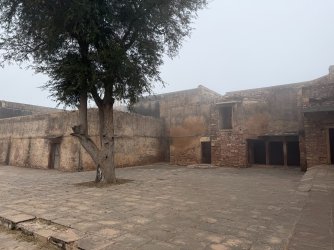
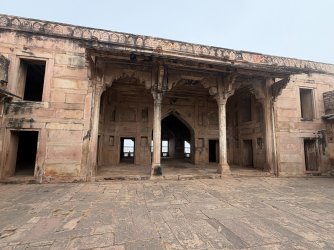
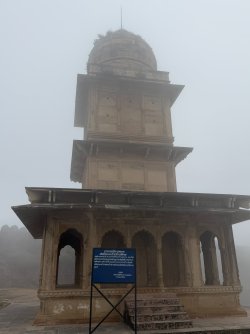
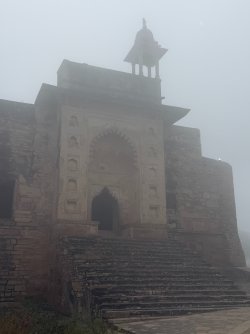
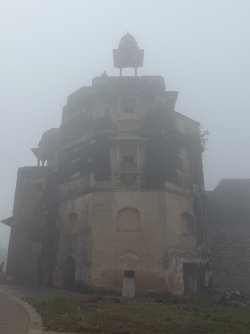
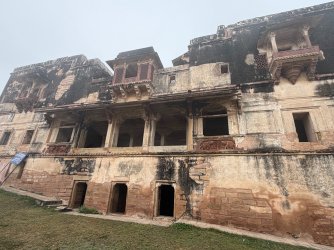
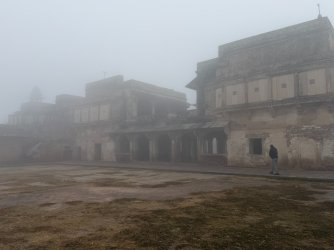
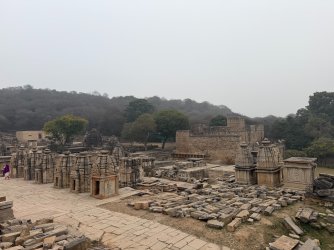
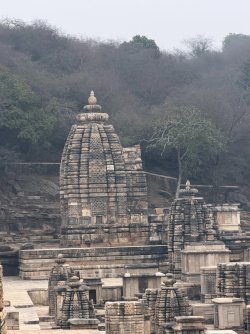
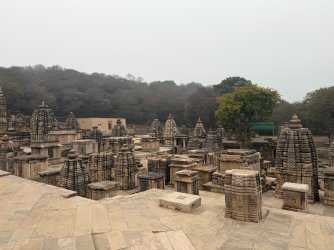
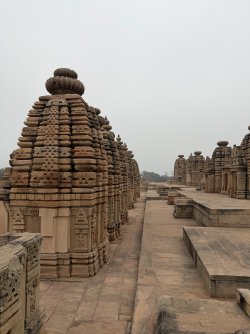
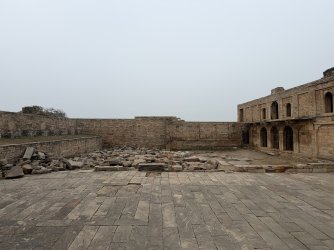
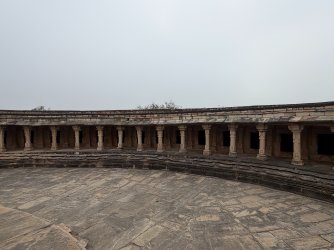
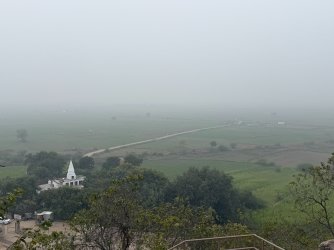
We spent close to four hours exploring the fort complex. By the time we walked out, Orchha had transformed into complete mayhem, as if someone had shouted “release the festival” the moment we stepped inside. Scores of people were milling about, and an entire ecosystem of shops and eateries appeared in our absence. People and vehicles, despite road closures, competed for every available gap on the narrow roads, and occasionally invented new gaps through sheer optimism. Apparently there was a local festival today, which explained the chaos. Trust me to pick the one busy day in the whole year to visit Orchha.

Our driver advised that most of the other sites we wanted to see would be inaccessible thanks to road closures and traffic rules that only make sense once you’ve surrendered to them. So we made the best of it and visited a couple of places that were still reachable.

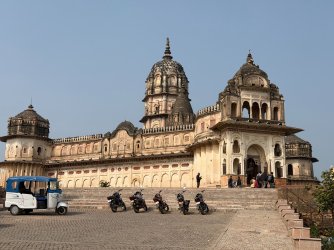
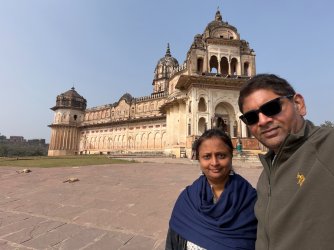
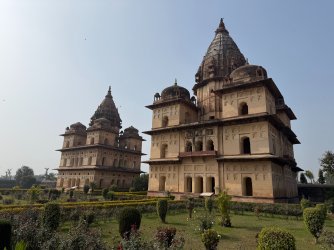
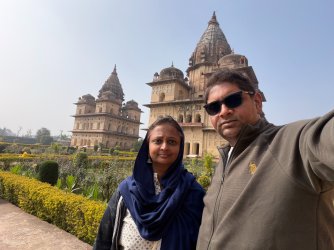
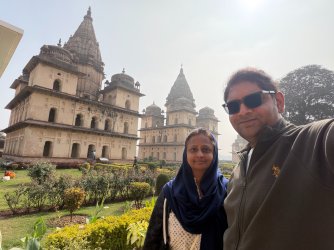
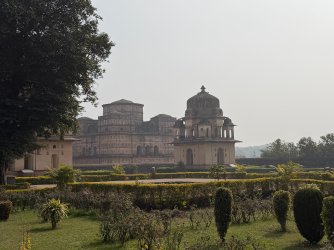
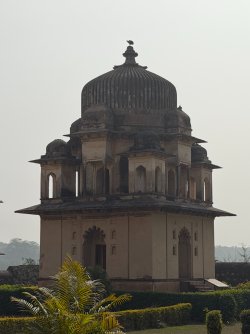
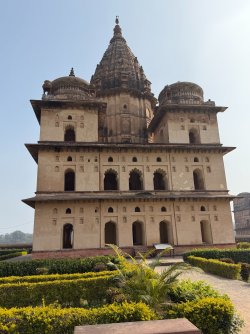
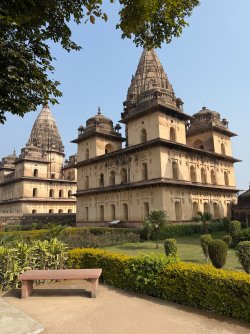
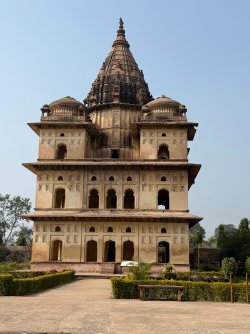
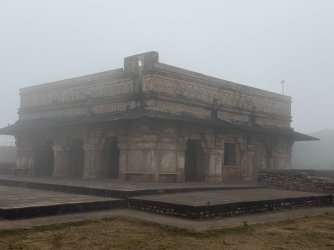
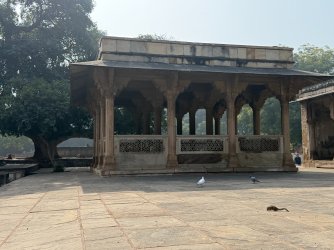
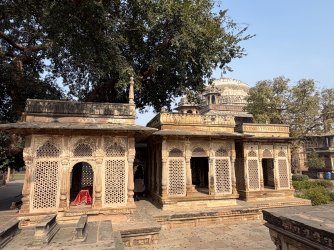
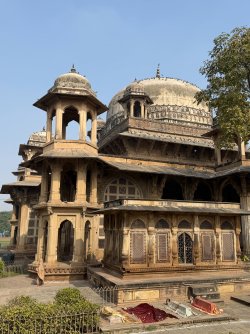
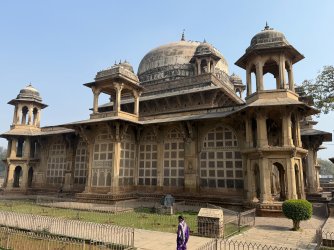
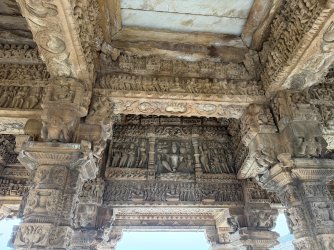
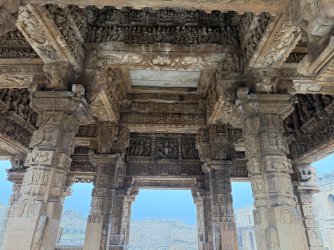
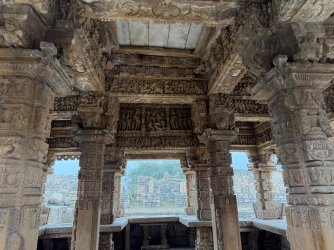
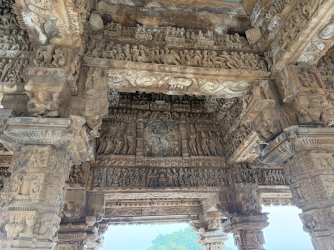
Lakshmi Narayan Temple

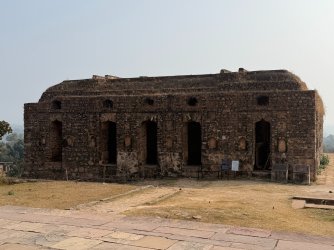
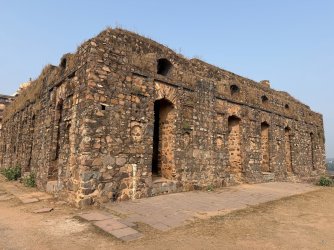
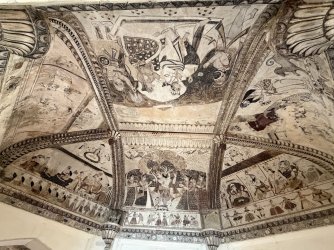
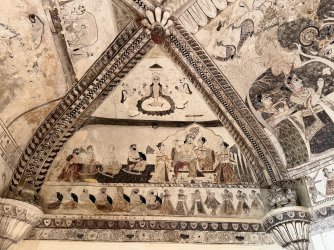
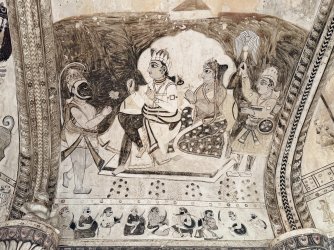
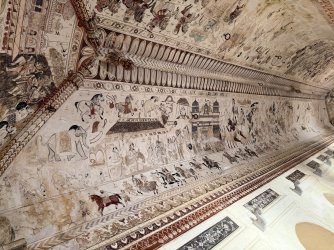
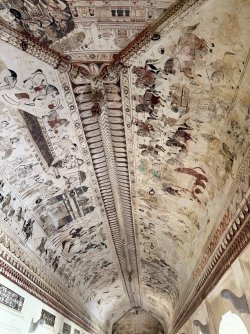
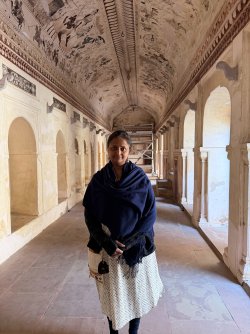
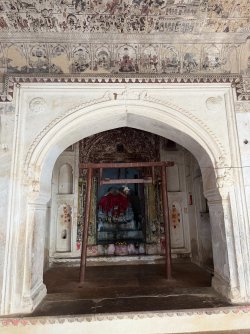
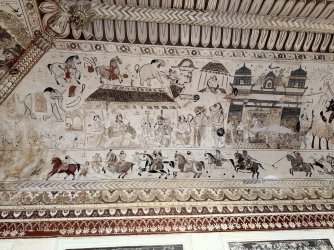
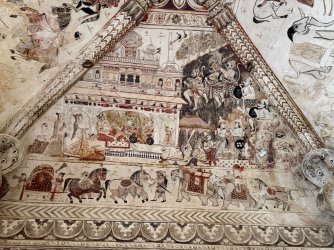
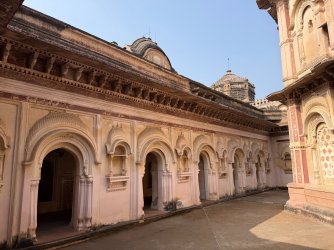
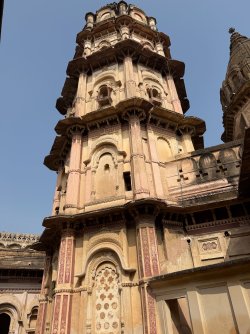
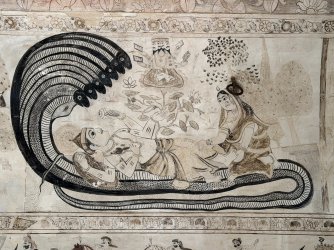
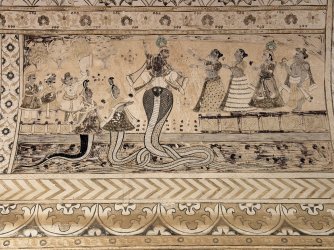
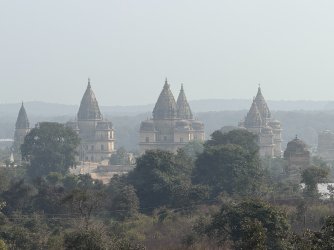
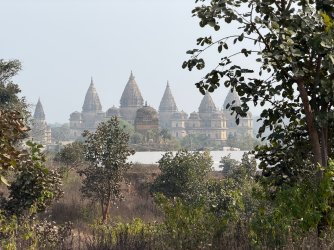
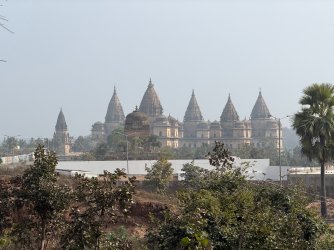
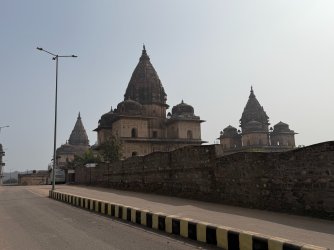
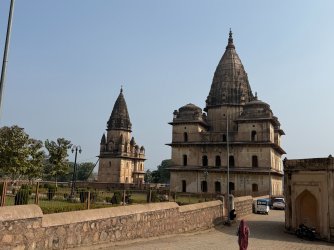
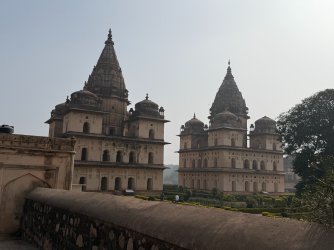
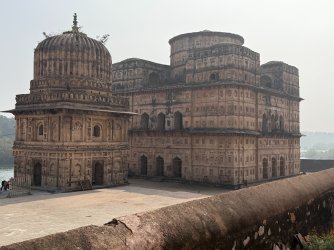
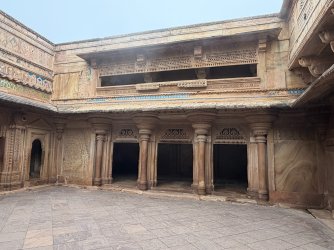
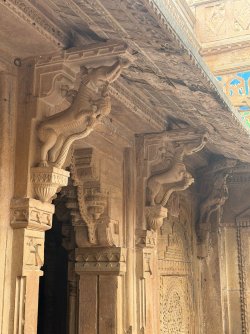
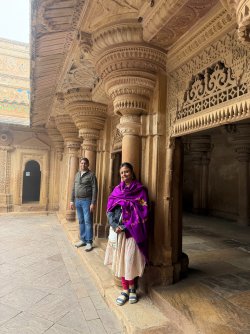
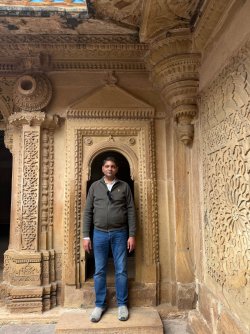
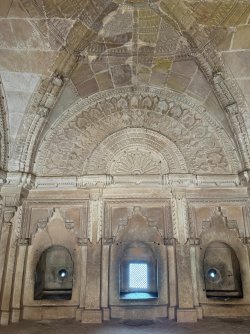
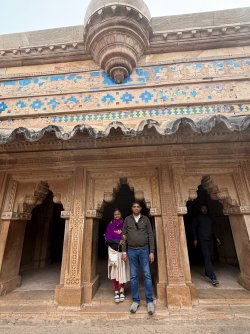
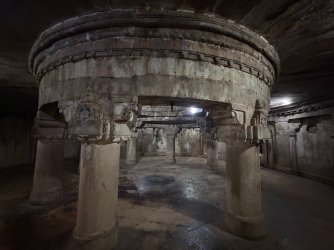
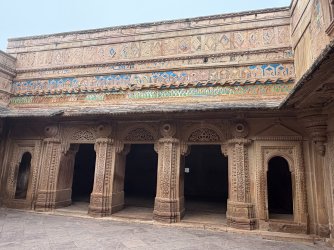
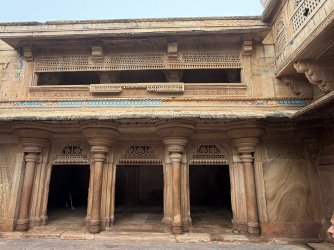
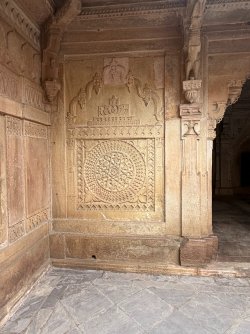
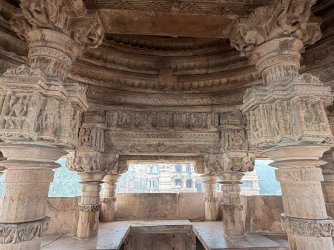
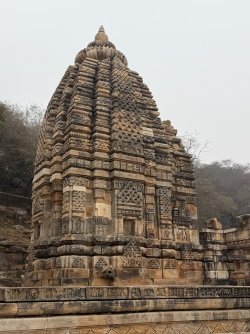
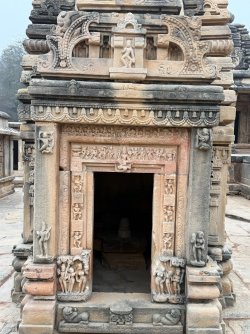
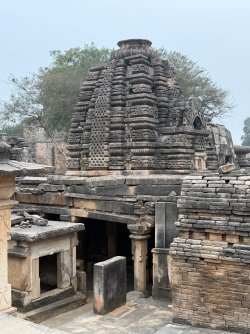
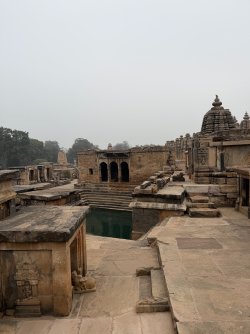
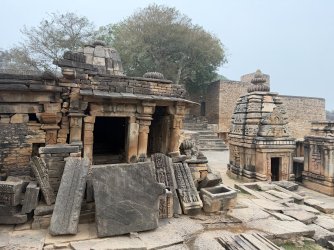
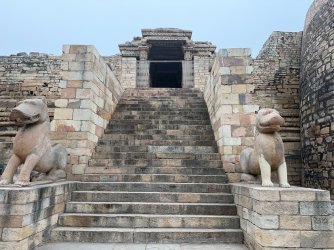
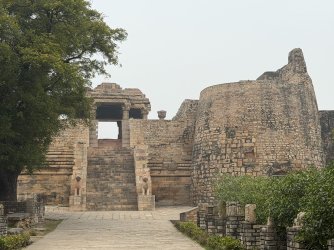
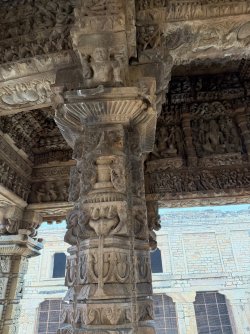
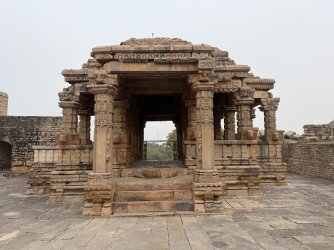
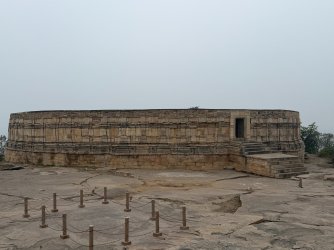
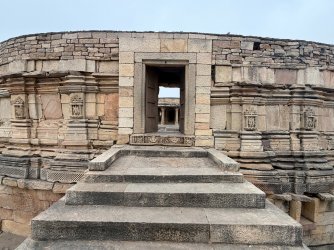
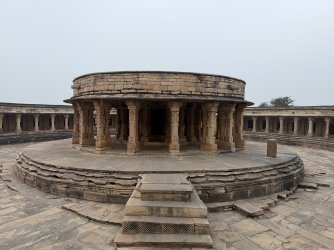
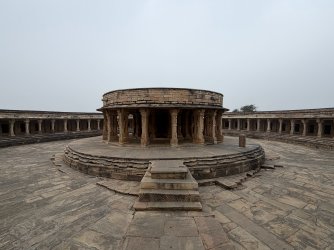
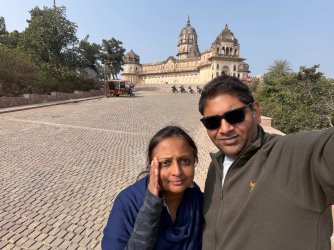
About a kilometre west of the Orchha fort complex, the Lakshmi Narayan Temple is one of the town’s most distinctive monuments. It was built by Bir Singh Deo around 1662, later fell into poor condition due to inadequate maintenance, and was reconstructed by Prithvi Singh in 1793. Architecturally it’s an interesting hybrid, with a temple form that carries fort-like elements, which feels very Orchha: devotion, but make it defensible.

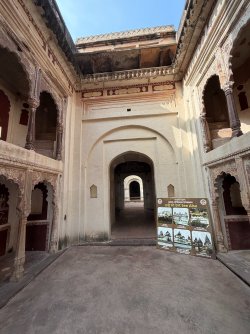
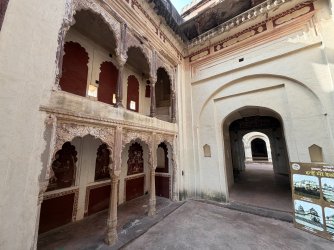
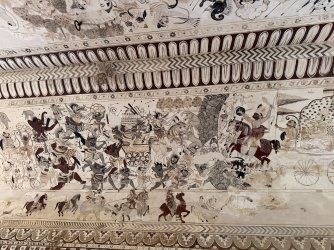
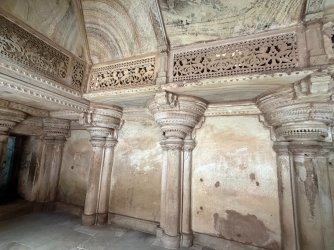
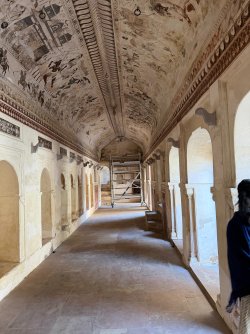
Inside, the walls are covered with frescoes and paintings that blend Mughal and Bundela artistic styles. The murals illustrate scenes from the Ramayana and Mahabharata, turning the interior into a visual storybook.

IMG_1049.jpeg
IMG_1050.jpeg
IMG_1051.jpeg
IMG_1052.jpeg
IMG_1053.jpeg
IMG_1054.jpeg
IMG_1055.jpeg
IMG_1056.jpeg
IMG_1057.jpeg
IMG_1059.jpeg
IMG_1060.jpeg
IMG_1061.jpeg
IMG_1062.jpeg
IMG_1063.jpeg
IMG_1069.jpeg
IMG_1070.jpeg
IMG_1071.jpeg
IMG_1076.jpeg
IMG_1074.jpeg
 

Attachments

  • IMG_1058.jpeg
    IMG_1058.jpeg
    3.8 MB · Views: 1
We then met up with our driver who, thanks to the road closures, took what I can only describe as an “interesting” route back to Jhansi. Think villages, narrow roads of variable commitment, and constant negotiations with animals and oncoming vehicles over who, exactly, was entitled to the remaining 30 centimetres of tarmac. Every few minutes something wandered into the road with the calm confidence of a creature that has never had to be anywhere by a certain time. It wasn’t so much a drive as a live demonstration of how traffic rules become optional once you leave the city.

Because we finished relatively early, I managed to book an earlier train to Gwalior. It wasn’t Vande Bharat, but it did offer the core service I ask of public transport: move me one hour down the track in the correct direction, preferably without philosophical detours. It delivered on that brief. No drama, no surprises, and only the usual background soundtrack of Indian rail travel: chai vendors, phone ringtones, and the gentle sense that you’re part of a large, moving organism.

In Gwalior, we checked into the Taj Usha Kiran Palace, my one proper splurge of the trip. The palace was built in 1902 as a guest residence for the Prince of Wales during his visit, and it sits right next to Jai Vilas Palace, the current royal residence of the Scindias.

After refreshing showers, we had a couple of drinks, dinner, and then called it a night. We turned in with the pleasant knowledge that tomorrow was the main event, the whole reason this trip was engineered, and the idea I’d been quietly carrying around since the planning stage.
 
Thanks, I am really enjoying this TR. I have to admit that I am surprised at how few other people there seem to be at most of the historical forts etc that you have visited. Is it simply because there is a huge range of options to visit, few tourists in this area or a lack of interest by the local population in these sights?
 
We left early to reach Orchha when it opened at 8 am, hoping to beat the crowds. I also hired an auto rickshaw instead of a car, partly because I suspected it would be able to get into places a car wouldn’t. This turned out to be correct, which was satisfying on two levels: practically, because it worked, and domestically, because I was right for once.


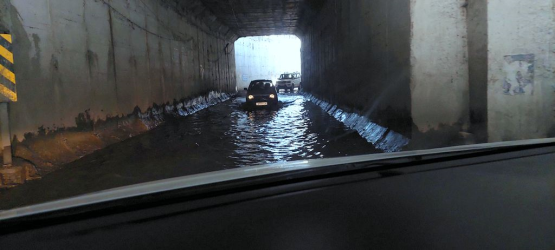
Interesting that you used an auto rickshaw. In 2023 this photo shows the exit we encountered as we exited the city. We thought Orchha was an excellent visit & realise that Magan our regular Indian guide/planner/driver has led us to many fantastic, lesser visited spots India 2023-Back to India-Camels, Mustard, Safaris and Living like a Maharaja. | Page 8 | Australian Frequent Flyer1767758133798.png
 
Very interesting trip report, thanks.
"Jhansi’s most famous heroine was Rani Lakshmibai"

To others: For a very entertaining read including lots about Rani Lakshimibai, have a read of the Flashman Papers #5.
 
Thanks, I am really enjoying this TR. I have to admit that I am surprised at how few other people there seem to be at most of the historical forts etc that you have visited. Is it simply because there is a huge range of options to visit, few tourists in this area or a lack of interest by the local population in these sights?
It’s a combination of things
We try to early, to beat the crowds
Christmas and new year holidays just finished so not too busy
These places aren’t on the tourist trail so mostly locals visit
 
Elevate your business spending to first-class rewards! Sign up today with code AFF10 and process over $10,000 in business expenses within your first 30 days to unlock 10,000 Bonus PayRewards Points.
Join 30,000+ savvy business owners who:

✅ Pay suppliers who don’t accept Amex
✅ Max out credit card rewards—even on government payments
✅ Earn & transfer PayRewards Points to 10+ airline & hotel partners

Start earning today!
- Pay suppliers who don’t take Amex
- Max out credit card rewards—even on government payments
- Earn & Transfer PayRewards Points to 8+ top airline & hotel partners

AFF Supporters can remove this and all advertisements
Day 4 - Gwalior Fort

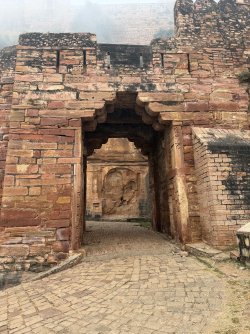
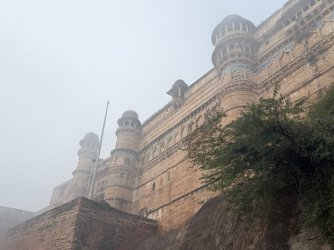
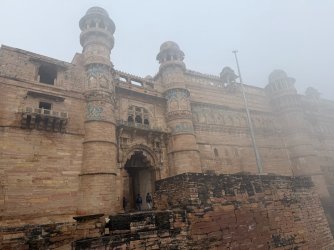
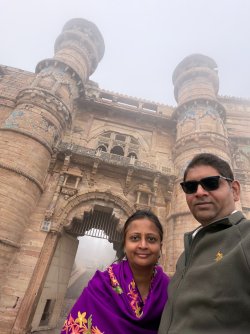
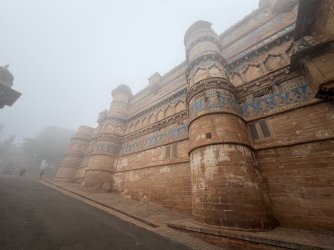
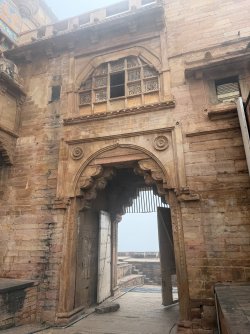
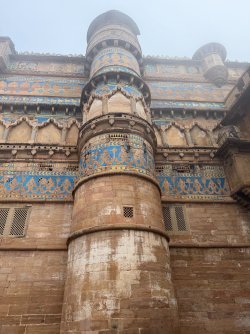
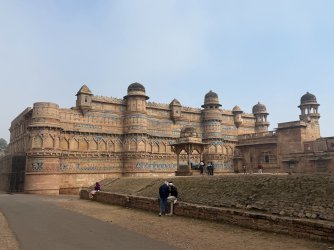
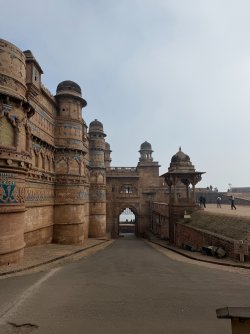
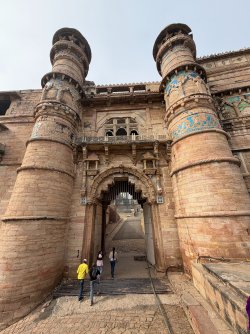
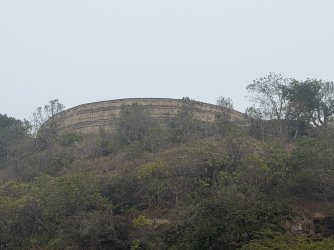
Gwalior Fort sits on a long basalt plateau above the city. The fortifications around the plateau are traditionally linked to Raja Sourya Sena, with the defensive circuit said to have been completed around 773 CE, and the site appears in old inscriptions under names like Gopachala and Gopagiri, “cowherds’ hill” in Sanskrit. Over the centuries it cycled through a who’s-who of North and Central Indian power, but its most decisive architectural makeover came under the Tomars (1398–1516), especially during the reign of Man Singh Tomar, when major palaces and additions turned the fort into a full royal city on a hill.
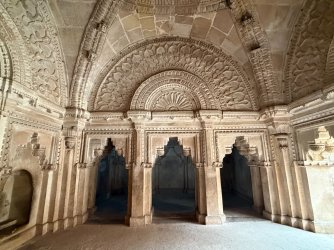
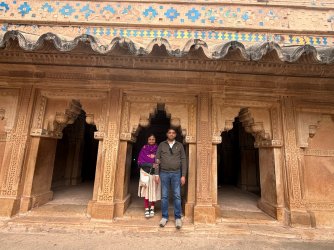
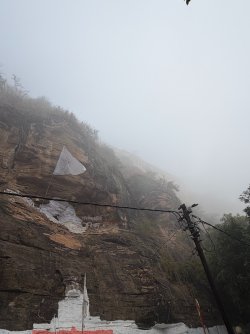
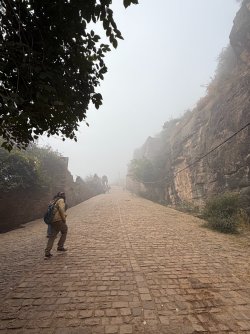
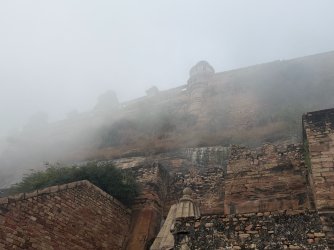
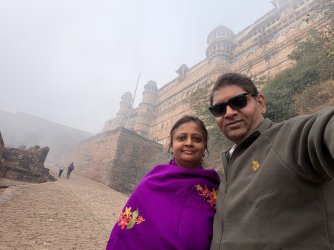
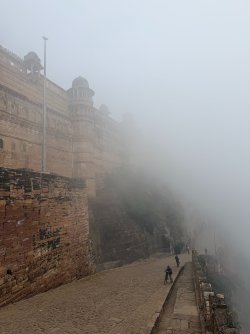
We reached early, around 7:30 am, and immediately discovered that the fort does not belong to tourists at that hour. It belongs to morning walkers, yoga practitioners, and cows on their morning strolls. We started the climb upwards against the flow of the early-morning exercise crowd in dense fog, which gave the whole approach a dramatic, cinematic effect, while also ensuring that clear photos were largely theoretical. The fog only began to lift around 11 am, when we were making our way down, at which point the fort finally revealed itself properly.

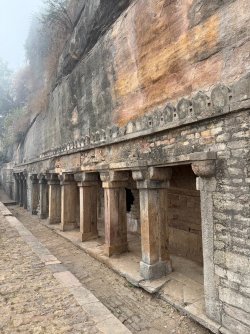
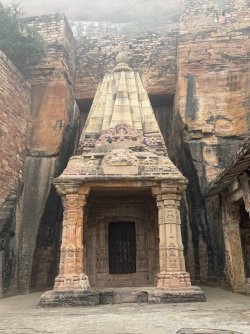
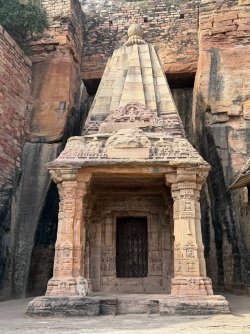
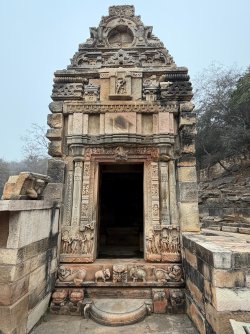
On the way up, you pass the 15th-century Jain rock-cut sculptures carved into the cliff face, immense figures emerging from the rock in a way that makes “carving” feel like an understatement. Midway through the climb there’s also a small, humble temple that many people simply walk past, despite signboards pointing it out. In a complex full of grandeur, it’s strangely easy to miss something quiet.
IMG_1103.jpeg
IMG_1104.jpeg
IMG_1105.jpeg
IMG_1106.jpeg
IMG_1107.jpeg
IMG_1119.jpeg
IMG_1115.jpeg


Chaturbhuj Temple

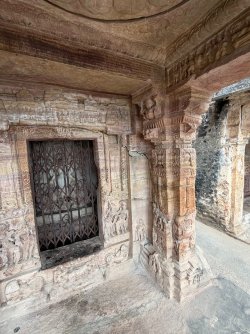
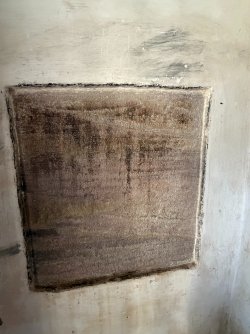
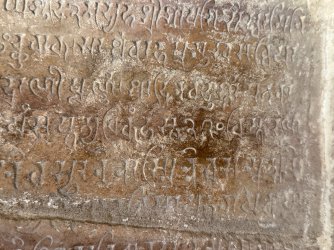
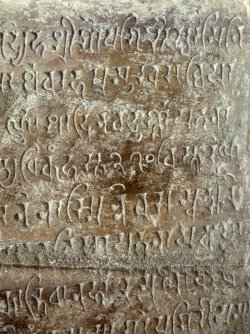
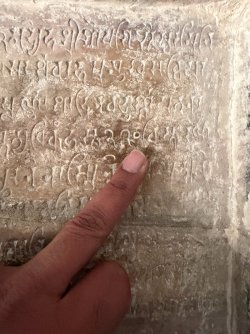
And then we reached the real target: the Chaturbhuj Temple, excavated into a rock face and dated to the early medieval period. It’s simple in style and modest in size, but it contains an inscription that made this entire trip inevitable. In that inscription, the circular symbol “0” appears as a true numeral, often cited as the earliest stone inscription in India that uses a round “zero” in a way we’d recognise today. The “0” shows up in the numbers themselves, in a very practical context: the inscription records details like garden dimensions and daily offerings, and the last digit in figures such as 270 and 50 is written as that unmistakable little circle. It’s fitting that zero enters the historical record not through drama, but tucked into an administrative note about measurements and garlands.
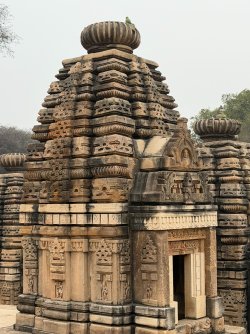
Zero is one of those ideas that looks small until you realise it quietly rewired civilisation. It makes place value work. It makes arithmetic scalable. It opens the door to algebra, calculus, and eventually the kind of computing that runs on strings of zeros and ones. The Indian numeral system and mathematical methods travelled westward largely through the Islamic world, and by the time Europe properly absorbed them, they became part of the toolkit that helped power later scientific and commercial leaps. I could go on, but I’ll save it for in-person conversations if anyone wants to accidentally start a history discussion at an AFF event.

Two links for anyone who wants to go down the rabbit hole:
Brahmagupta - Wikipedia
https://www.theguardian.com/world/article/2024/sep/01/hidden-story-ancient-india-west-maths-astronomy-historians

One small complication: the inner sanctum that contains the inscription was locked. Not one to be deterred, I marched up to the office, found a responsible adult, and convinced them to come down and unlock it. And there it was: the gloriousness of finding nothing, preserved in stone, behind a door, in a fort, in a fog, at 7:30 in the morning. Perfect.

IMG_1109.jpeg
IMG_1246.jpeg
IMG_1113.jpeg
IMG_1248.jpeg
IMG_1249.jpeg
IMG_1250.jpeg
IMG_1251.jpeg
"270"
 
Palaces and assorted buildings.

Inside the fort, Man Mandir Palace is the showpiece, built by Man Singh Tomar and famous for its scale and the bands of decorative tilework. The plan is functional and theatrical at the same time: courtyards, long corridors, and layered levels that make it feel less like a single building and more like a small city block.
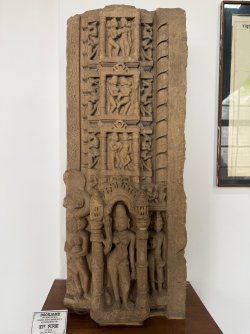
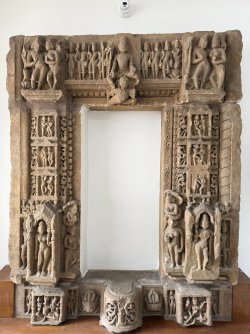
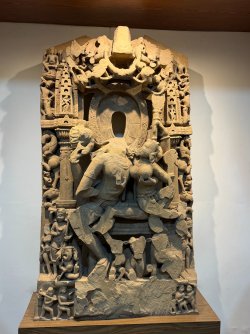
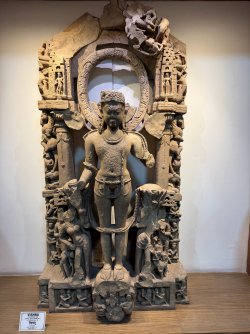
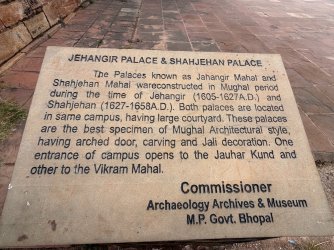
Nearby are other structures that reflect later occupants and changing tastes, including buildings commonly known as Jahangir Mahal (also called Sher Mahal) and Shah Jahan Mahal, which add Mughal-era naming and attribution into an already crowded timeline. The fort museum ties many of these threads together, with galleries that provide context on the dynasties, the sculptures found in the neighbouring areas.

Museum

IMG_1139.jpeg
IMG_1140.jpeg
IMG_1144.jpeg
IMG_1145.jpeg


Man Mandir

IMG_1150.jpeg
IMG_1148.jpeg
IMG_1152.jpeg
IMG_1153.jpeg
IMG_1155.jpeg
IMG_1160.jpeg
IMG_1164.jpeg
IMG_1164.jpeg
IMG_1165.jpeg
IMG_1166.jpeg
IMG_1169.jpeg
IMG_1173.jpeg
IMG_1174.jpeg
IMG_1175.jpeg
IMG_1176.jpeg
IMG_1179.jpeg
 
Other Buildings

There are a few more Mughal and British-era buildings on the fort that I’m grouping under “other.” Mainly because the fog didn’t allow me to take enough photos to confidently distinguish between them.

IMG_1180.jpeg
IMG_1181.jpeg
IMG_1182.jpeg
IMG_1183.jpeg
IMG_1184.jpeg
IMG_1185.jpeg
IMG_1186.jpeg
IMG_1187.jpeg
IMG_1188.jpeg
IMG_1189.jpeg
IMG_1190.jpeg
IMG_1191.jpeg
 
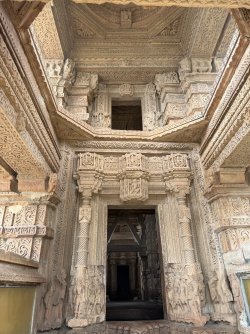
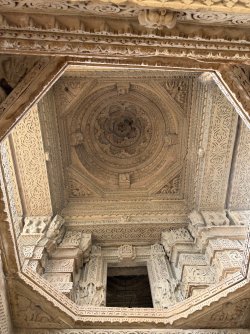
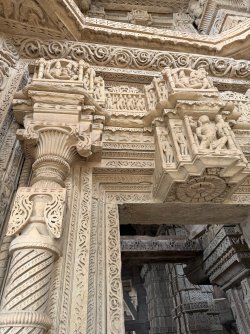
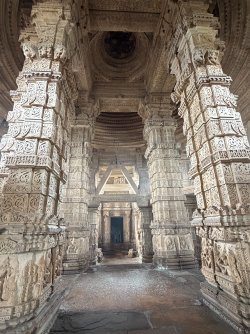
Saas - Bahu Temples

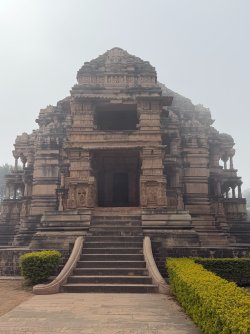
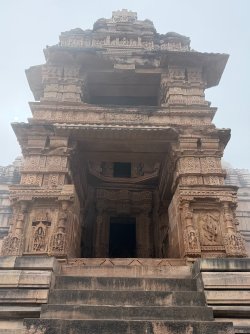
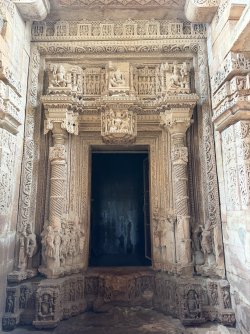
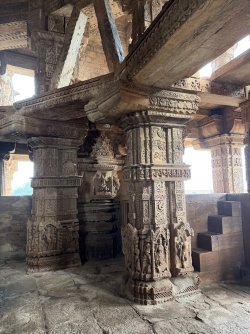
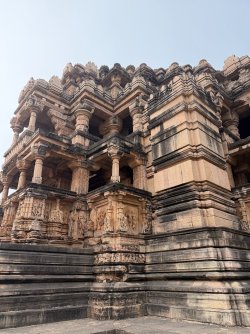
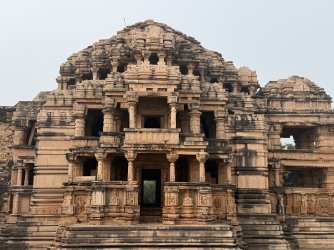
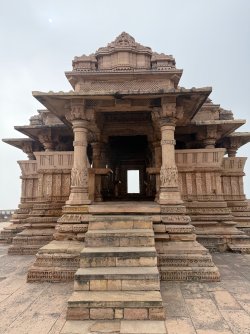
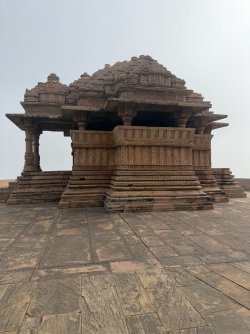
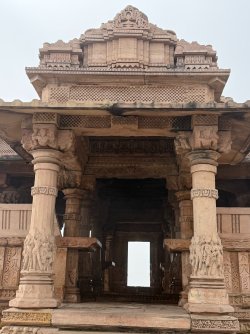
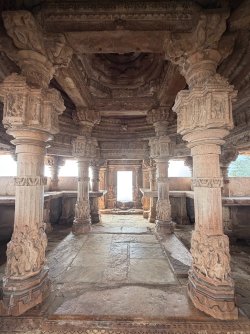
The Saas Bahu temples are a pair of closely set shrines, famous for their dense stone carving and layered, almost lace-like ornamentation. Local tradition holds that they were commissioned by a queen and her daughter-in-law, which is how they acquired the name: saas (mother-in-law) and bahu (daughter-in-law).

saas temple
IMG_1192.jpeg
IMG_1196.jpeg
IMG_1197.jpeg
IMG_1198.jpeg
IMG_1199.jpeg
IMG_1201.jpeg
IMG_1203.jpeg
IMG_1204.jpeg
IMG_1206.jpeg
IMG_1216.jpeg

bahu temple
IMG_1209.jpeg
IMG_1207.jpeg
IMG_1210.jpeg
IMG_1211.jpeg
IMG_1213.jpeg

the fog starts to lift!!
IMG_1236.jpeg
IMG_1237.jpeg
IMG_1238.jpeg
IMG_1243.jpeg
 

Become an AFF member!

Join Australian Frequent Flyer (AFF) for free and unlock insider tips, exclusive deals, and global meetups with 65,000+ frequent flyers.

AFF members can also access our Frequent Flyer Training courses, and upgrade to Fast-track your way to expert traveller status and unlock even more exclusive discounts!

AFF forum abbreviations

Wondering about Y, J or any of the other abbreviations used on our forum?

Check out our guide to common AFF acronyms & abbreviations.
Back
Top