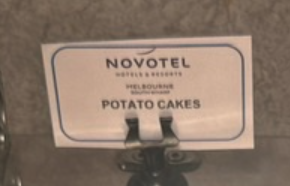
The thing is, once you start travelling quite a bit, hotel buffets all start to look much the same. One thing that the Western world has definitely exported to all corners of the globe is the standard hot Western breakfast of eggs, bacon/ham/sausages and toast.
We've all seen it... so if that's the best you can do... booooooooooooooooooooooooooooooooooring! (And then you want to charge an exhorbitance for it)
But anyway,
Likes
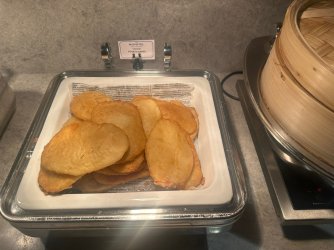
- Decent selection of local breakfast foods (and not just hackneyed packaged things, e.g. cupcakes)
- Hot food stations: most of the time, they have something good or at least semi-fresh to fresh to offer, especially things like bowls of noodle soup
- Airport hotels (or any for that matter) that start breakfast before 0600
- Hotels that offer breakfast beyond 0930
- Hotels that offer you a decent breakfast bag or pack if you need to leave early in the morning (early flight or tour) at no extra charge
- Barista-style coffee (made by a human barista, not a coffee machine), especially at no extra charge. Quite rare outside Australia (let alone in Australia), so often I just concede this, but if it is available, that's fantastic.
Dislikes
- Any items that look and/or taste like it has so much preservative in it that it could be stock for a war bunker... back in the mid 1900s.
- Small main plates: maybe appropriate if it were a high tea, but not suitable for breakfast
- Juices that are either some cheap concentrate or something that resembles Tang; seriously, for the calibre of the hotel and the prices they charged, freshly squeezed or the best cold pressed bottled juice that you can source is the only acceptable option.
- Fruit selection that is just melons, or slices of oranges that are dried up and taste like straw
- Buffet items being very slow to be replaced
- Very "token" or poor dishes to try to appease a particular cultural or nationality group. For example, offering fried rice as the only dish on the buffet that caters for Asian tourists is just a bit ridiculous (especially when said fried rice is also poor quality). Similarly, offering rice congee that has been super watered down and with little to no accompaniments is peak stupidity.
- Eggs to order that take 10 minutes to get to you. I sympathise when rush hour is on, but that's still a long time between placing an order and waiting patiently with all your accompaniments getting cold, just waiting for the eggs.
Not the hotel's fault, but guests who don't use, can't use or misuse the serving implements (e.g. pick up with their fingers, mix serving spoons or tongs between dishes).
I'm a bit torn about those rotating belt toasters. Hotels can't set the toasting level too high on them because that's just a fire alarm risk waiting to happen (especially when idiots want to toast croissants). But it's annoying to send the bread through them more than once. Slice toasters probably would do a better (and more efficient) job - probably uses less energy, too.
It's extremely rare to find any hotel where the standard buffet breakfast price is anywhere near value for money, even if you were starving. Then again, the way I see it, in Australia, going to a cafe will set you back at least $15 to get a decent breakfast (that barely pays for toast and a coffee), so if the buffet cost (especially discounted) isn't too far off that, I might think about it, though mind in many places around the world, a very good breakfast can be got for less than AUD 15, let alone what the hotel buffet price is.
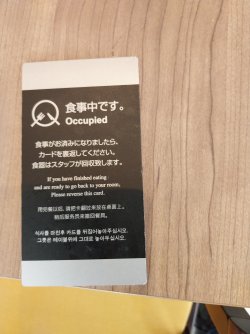
I'm mainly talking about large chain hotels. For smaller chain hotels or private/boutique hotels, which may have very small buffets, I'd usually cut them a break, so long as there's enough edible food. I'm thinking some small chain hotels in Japan where breakfast might be rice, a couple of hot dishes, one kind of cut fruit, miso soup, maybe one kind of hot pastry/danish etc., nowhere near the 20+ dishes on a major chain's breakfast buffet.