





You are using an out of date browser. It may not display this or other websites correctly.
You should upgrade or use an alternative browser.
You should upgrade or use an alternative browser.
Some island cruising - The Canaries and Sicily, then Milan
- Thread starter RooFlyer
- Start date


- Joined
- Nov 12, 2012
- Posts
- 33,372
- Qantas
- Platinum
- Virgin
- Gold
- Star Alliance
- Gold
I most wanted to view The Last Supper, and timed tickets are for it are very hard to get, and sell out almost instantly, so I was watching the booking web site like you might watch for a once-in-a-lifetime First awards seat. As it happens, the booking day came up while I was at sea on a cruise, but after a bit of frustrating re-loading of the site, I got a ticket!

 cenacolovinciano.org
I also got a ticket for the Cathedral (Fast track, elevator access to the terraces, crypt, archaeological area, early entry)

 www.duomomilano.it
and the Pinacoteca Ambrosiana library and art gallery
 www.ambrosiana.it
First thing was the Milano Duomo. On any list of the great cathedrals of the world, this usually makes the top 5, often the top 3.
Not interest in Gothic cathedrals? Suck it up, Princess, you are in for a treat.
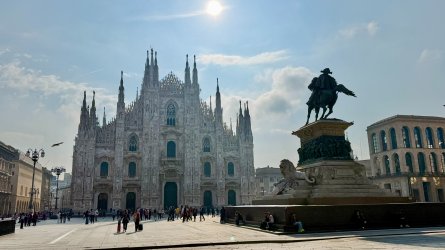
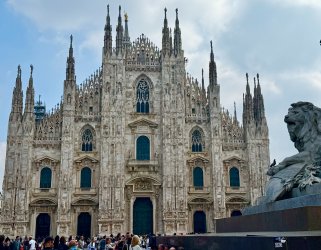
Metro and out of the Duomo station and met with this incredible sight. Construction began in 1386, and the final details were completed in 1965. Its the largest church in Italy (including St Peter's at the Vatican) and one of the largest in the world. it can hold 40,0000 worshipers.
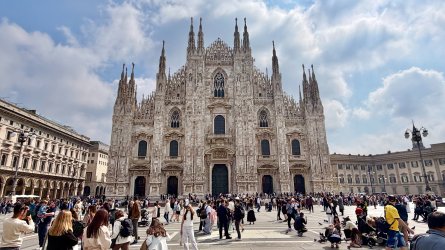
Later, this
Entrance to the elevators to the roof is around the back. I was one of about 20 people waiting for the first batch at 10am; they opened on time and took about 6 people at a time in the lift.
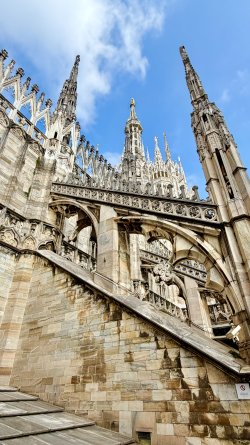
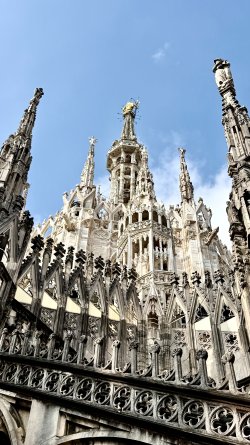
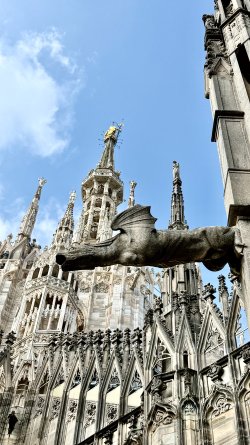
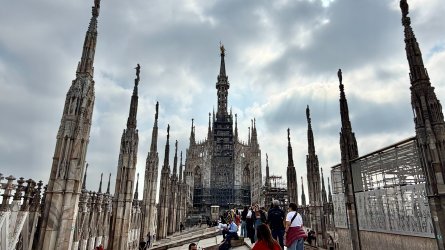
Out of the lift and you see this. Amazing to think that these structures hold the damn thing up. You can see the very top of the cathedral, the Madonnina's (Little Madonna) spire, put there in 1762, topping out at 108.5 m.
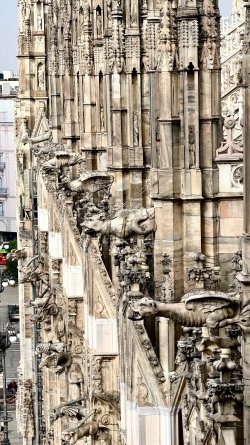
And then ... Past readers of my TRs will know how I love a gargoyle and a grotesque.
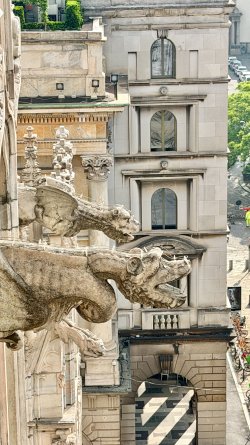
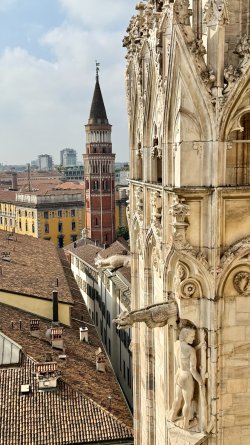
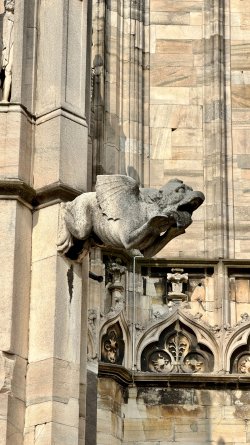
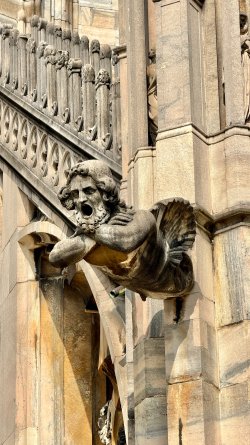
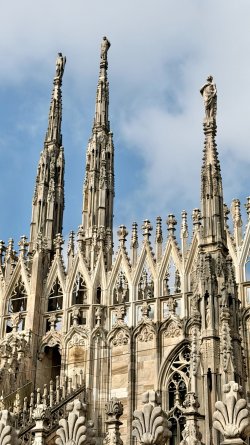
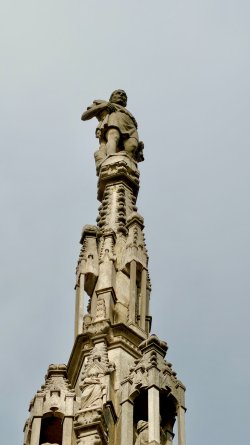
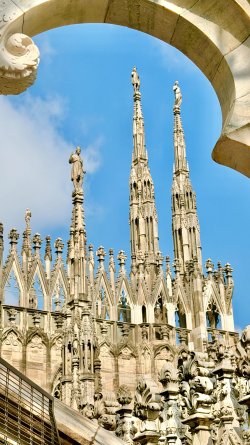
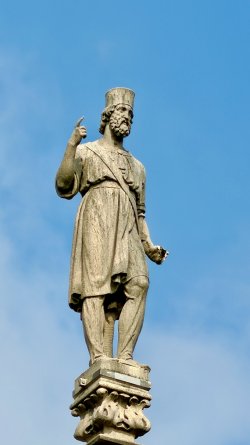
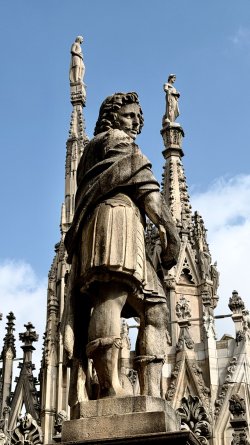
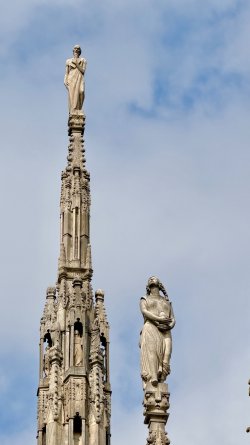
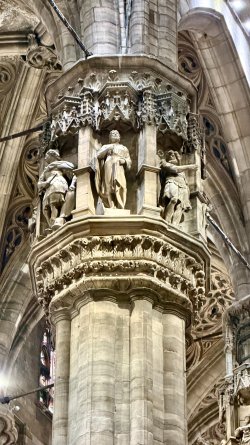
There are over 3,400 statues on and in the Cathedral, including 135 atop its spires. (135 gargoyles by the way)
Museo del Cenacolo Vinciano | Welcome to the Official Website
cenacolovinciano.org
I also got a ticket for the Cathedral (Fast track, elevator access to the terraces, crypt, archaeological area, early entry)
Booking Milan Cathedral
Discover the various options available to visit Milan Cathedral. Book your exclusive experience now and immerse yourself in the wonders of the Cathedral.
www.duomomilano.it
and the Pinacoteca Ambrosiana library and art gallery
Pinacoteca | Veneranda Biblioteca Ambrosiana
Pinacoteca | Veneranda Biblioteca Ambrosiana | Veneranda Biblioteca Ambrosiana |
www.ambrosiana.it
First thing was the Milano Duomo. On any list of the great cathedrals of the world, this usually makes the top 5, often the top 3.
Not interest in Gothic cathedrals? Suck it up, Princess, you are in for a treat.
Metro and out of the Duomo station and met with this incredible sight. Construction began in 1386, and the final details were completed in 1965. Its the largest church in Italy (including St Peter's at the Vatican) and one of the largest in the world. it can hold 40,0000 worshipers.
Later, this
Entrance to the elevators to the roof is around the back. I was one of about 20 people waiting for the first batch at 10am; they opened on time and took about 6 people at a time in the lift.
Out of the lift and you see this. Amazing to think that these structures hold the damn thing up. You can see the very top of the cathedral, the Madonnina's (Little Madonna) spire, put there in 1762, topping out at 108.5 m.
And then ... Past readers of my TRs will know how I love a gargoyle and a grotesque.
There are over 3,400 statues on and in the Cathedral, including 135 atop its spires. (135 gargoyles by the way)

- Joined
- Jan 29, 2012
- Posts
- 16,388
- Qantas
- LT Gold
- Virgin
- Red
- Oneworld
- Emerald
On a sunny day there are usually quite a few people snoozing on the roof. I may have also indulged in the past. Oh, If you are going to do that, make sure you do it before going inside. Because that is when you realise how little is holding up the roof. 

- Joined
- Nov 12, 2012
- Posts
- 33,372
- Qantas
- Platinum
- Virgin
- Gold
- Star Alliance
- Gold
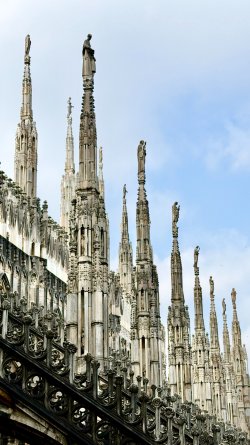
Continuing along the roof.
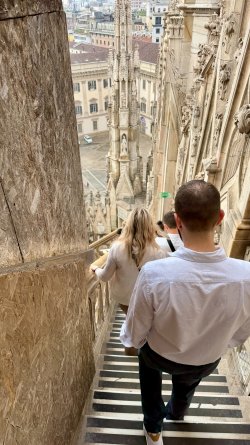
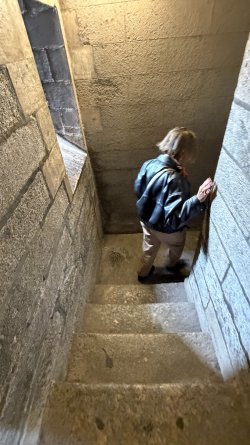
And then ... down ... down ...
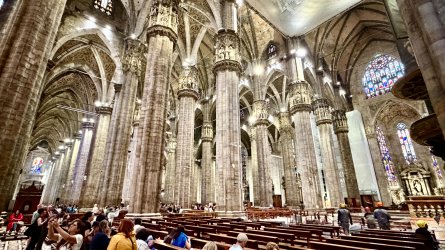
You come out in the cathedral interior and I had a random memory - of an Australian sports commentator, I think broadcasting the Moscow Olympic opening ceremony and his words were "Oh, ... my ... gawd ".
Oscar Wilde, on the other hand, visited in June 1875. In a letter to his mother, he wrote: "The Cathedral is an awful failure. Outside the design is monstrous and inartistic. The over-elaborated details stuck high up where no one can see them; everything is vile in it; it is, however, imposing and gigantic as a failure, through its great size and elaborate execution." No pleasing some people.
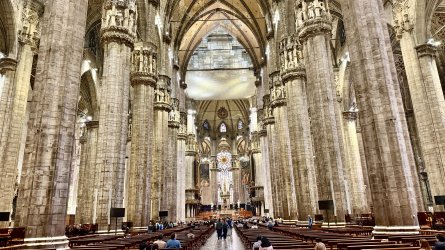
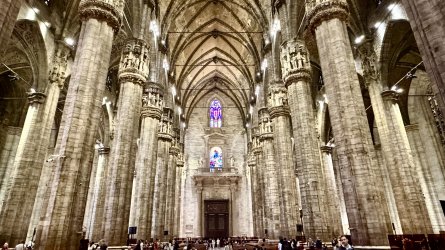
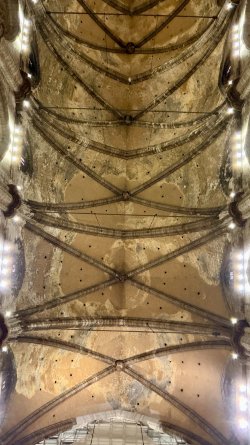
The nave columns are 24m high and the nave itself is 45m high, the highest Gothic vaults of any completed church.
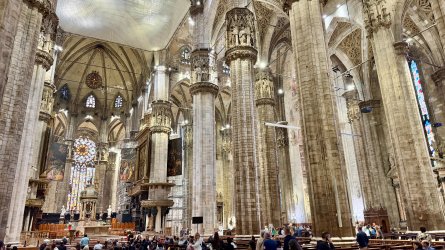
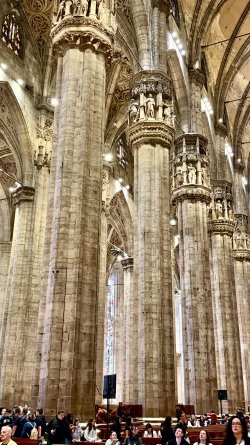
Those vaults on the ceiling
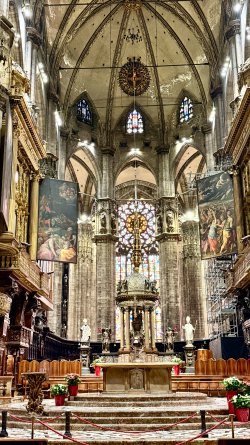
The chancel and altar
And then ... down ... down ...
You come out in the cathedral interior and I had a random memory - of an Australian sports commentator, I think broadcasting the Moscow Olympic opening ceremony and his words were "Oh, ... my ... gawd ".
Oscar Wilde, on the other hand, visited in June 1875. In a letter to his mother, he wrote: "The Cathedral is an awful failure. Outside the design is monstrous and inartistic. The over-elaborated details stuck high up where no one can see them; everything is vile in it; it is, however, imposing and gigantic as a failure, through its great size and elaborate execution." No pleasing some people.
The nave columns are 24m high and the nave itself is 45m high, the highest Gothic vaults of any completed church.
Those vaults on the ceiling
The chancel and altar
Last edited:

- Joined
- Jan 26, 2011
- Posts
- 30,988
- Qantas
- Platinum
- Virgin
- Red
Princess? Gothic cathedrals? Maybe some just don't like Gaudis inspiration?
Had some good news last night about our trip to Malta and Sliema. The UK people were stressing and thinking of cancelling a few weeks ago as they are flying from Birmingham on Easy Jet and that damn fuel crisis and which would have shut our trip there down. But it was all good news so will be there in just over a month.
Had some good news last night about our trip to Malta and Sliema. The UK people were stressing and thinking of cancelling a few weeks ago as they are flying from Birmingham on Easy Jet and that damn fuel crisis and which would have shut our trip there down. But it was all good news so will be there in just over a month.
- Joined
- Nov 12, 2012
- Posts
- 33,372
- Qantas
- Platinum
- Virgin
- Gold
- Star Alliance
- Gold
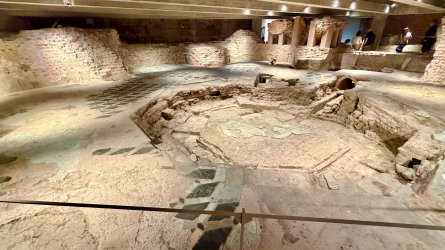
I happened to notice within the church, a guy manning a door which led down some stairs to the 'archaeological area'. I'd forgotten about this and asked if my ticket got me entrance. Yes!
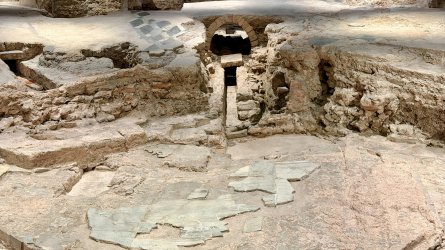
Down there is a big area now under the Piazza del Duomo which contains the remains of a 4th century 'episcopal complex'. Some narrowly avoided destruction during the construction of the MM1 metro line Duomo station in the 1960s but a lot was lost.
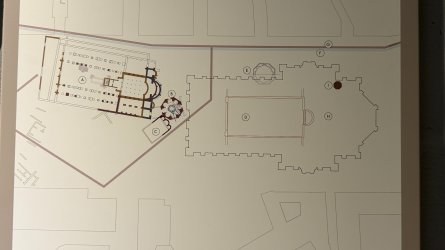
In this diagram, the modern cathedral is on the right, and within it, the footprint of the former Cathedral Santa Maria Maggiore (built 313AD), or 'old basilica', demolished to make way for the new cathedral from 1386. The Basilica of Santa Tecla, built in 350AD is to the left and between them, the octagonal Baptistery of San Giovanni alle Fonti (~380AD). At this time Milan was the capital of the Western Roman Empire (Constantinople being the Byzantine capital).
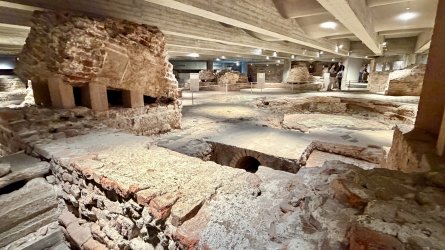
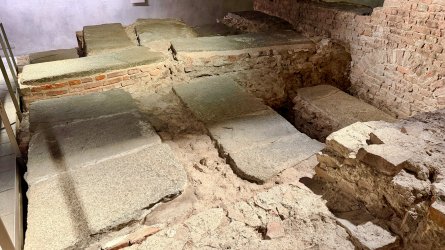
A lot of tombs and sarcophagi remain, from the 8th -11th century
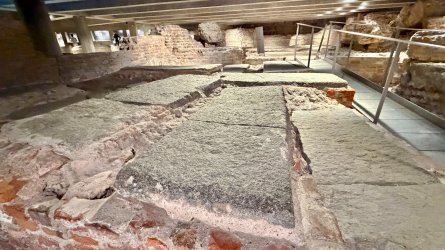
The font of the octagonal baptistry - it had flowing water.
Next stop was to visit the crypt, but unfortunately there was construction going on, and it wasn't open.
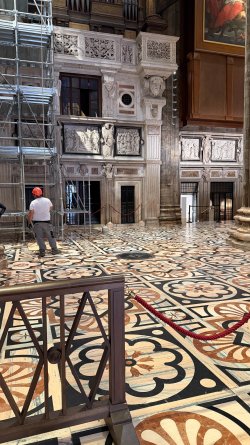
Back outside, and a last walk-around
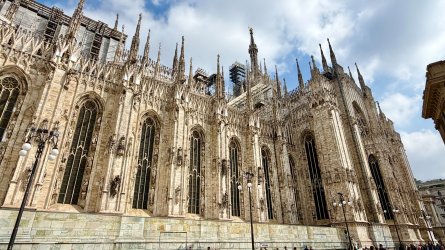
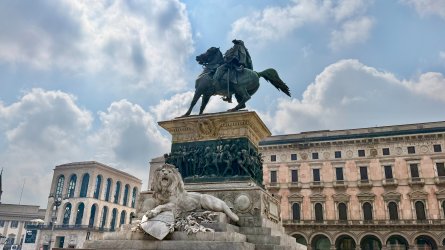
Statue of Victor Emmanuel II, first king of united Italy from 1861.
Down there is a big area now under the Piazza del Duomo which contains the remains of a 4th century 'episcopal complex'. Some narrowly avoided destruction during the construction of the MM1 metro line Duomo station in the 1960s but a lot was lost.
In this diagram, the modern cathedral is on the right, and within it, the footprint of the former Cathedral Santa Maria Maggiore (built 313AD), or 'old basilica', demolished to make way for the new cathedral from 1386. The Basilica of Santa Tecla, built in 350AD is to the left and between them, the octagonal Baptistery of San Giovanni alle Fonti (~380AD). At this time Milan was the capital of the Western Roman Empire (Constantinople being the Byzantine capital).
A lot of tombs and sarcophagi remain, from the 8th -11th century
The font of the octagonal baptistry - it had flowing water.
Next stop was to visit the crypt, but unfortunately there was construction going on, and it wasn't open.
Back outside, and a last walk-around
Statue of Victor Emmanuel II, first king of united Italy from 1861.
- Joined
- Nov 12, 2012
- Posts
- 33,372
- Qantas
- Platinum
- Virgin
- Gold
- Star Alliance
- Gold
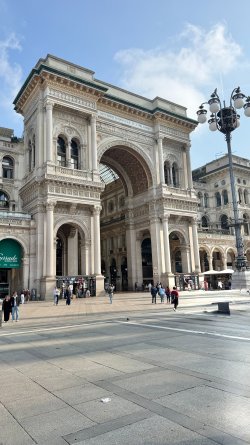
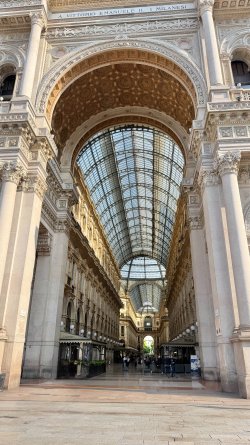
Outside, of course there is the Galleria Vittorio Emanuele II (so the first King of United Italy gats a second look-in). Again, wow. Built between 1865-1877.
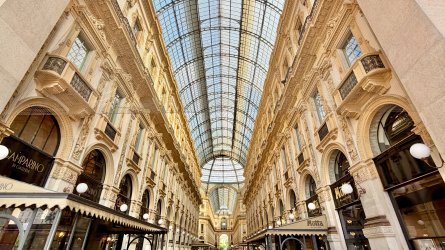
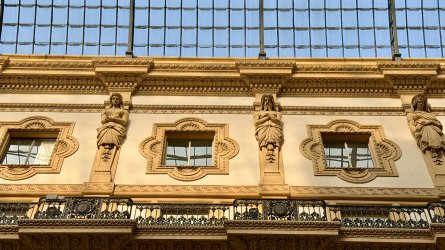
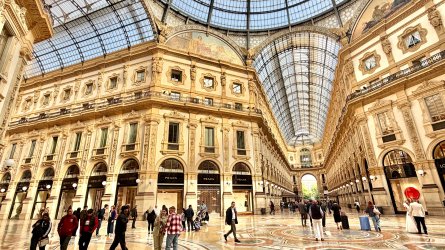
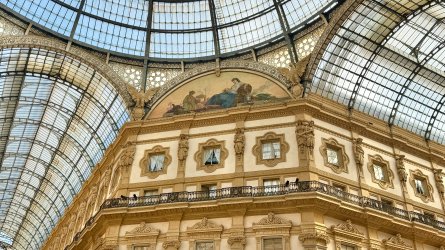
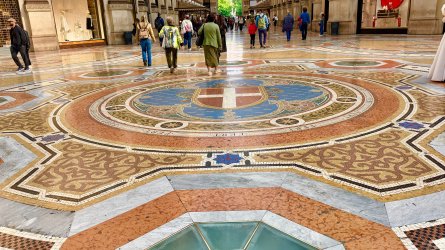
Looking up from the point above.
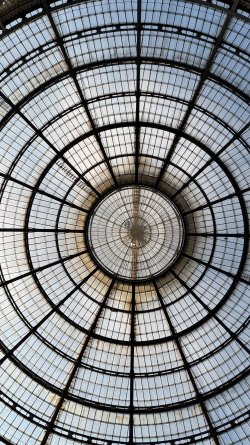
Looking up from the point above.
- Joined
- Nov 12, 2012
- Posts
- 33,372
- Qantas
- Platinum
- Virgin
- Gold
- Star Alliance
- Gold
Through the Galleria to see La Scala opera house. A bit disappointing. Passed Leonardo on the way - would have a lot more to do with him later today.
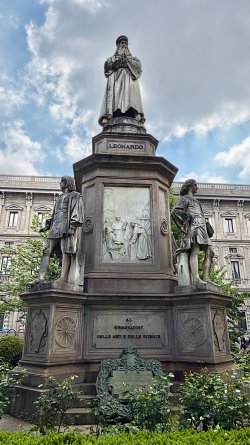
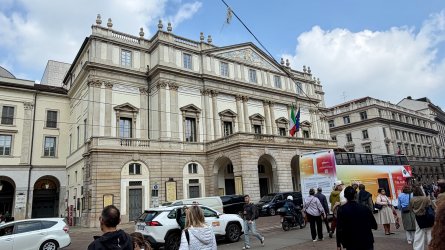
Still had time to kill before my entry time to Pinacoteca Ambrosiana, so I walked towards the Roman amphitheatre via Colonne di San Lorenzo.
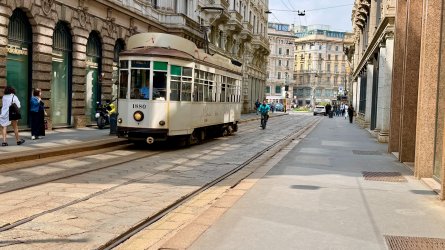
Wish I could remember what this was! Any ideas?
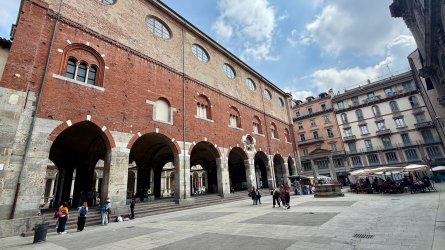
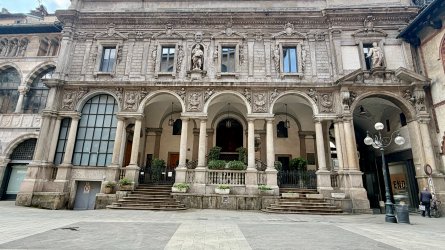
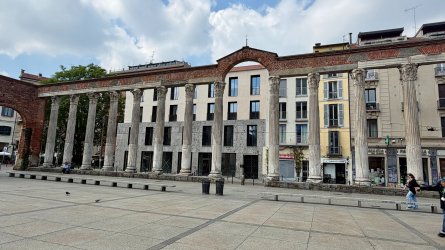
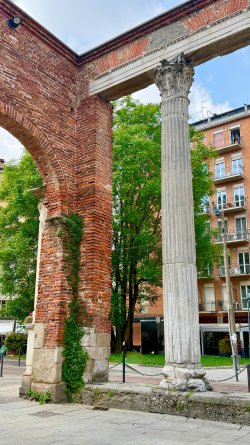
Colonne di San Lorenzo, consisting of sixteen tall Corinthian columns arranged in a row, facing an open square. In the 4th century, the columns were relocated to this site, salvaged from somewhere else.
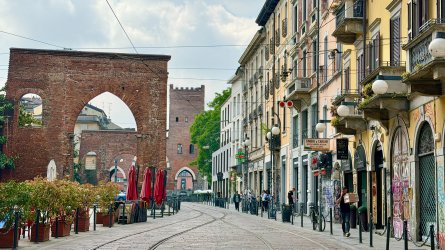
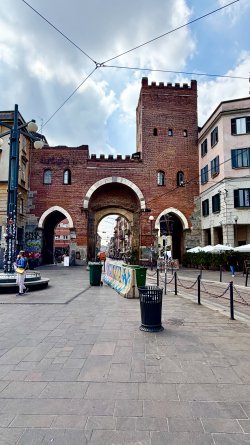
Just beyond, the Porta Ticinese Medievale, one of the three surviving 12th century gates of the old Milan city wall.
And then to the Roman theatre - shut. Turn around.
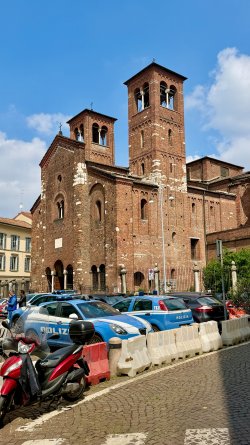
Past Cripta di San Sepolcro, which, I didn't recognise at the time is part of the Pinacoteca Ambrosiana and would have been a super place to visit - a 1030 church, visited by da Vinci, who drew a map showing it; it stands on the site of the old Roman Forum. The church is now a 'crypt' beneath street level. Next time.
Still had time to kill before my entry time to Pinacoteca Ambrosiana, so I walked towards the Roman amphitheatre via Colonne di San Lorenzo.
Wish I could remember what this was! Any ideas?
Colonne di San Lorenzo, consisting of sixteen tall Corinthian columns arranged in a row, facing an open square. In the 4th century, the columns were relocated to this site, salvaged from somewhere else.
Just beyond, the Porta Ticinese Medievale, one of the three surviving 12th century gates of the old Milan city wall.
And then to the Roman theatre - shut. Turn around.
Past Cripta di San Sepolcro, which, I didn't recognise at the time is part of the Pinacoteca Ambrosiana and would have been a super place to visit - a 1030 church, visited by da Vinci, who drew a map showing it; it stands on the site of the old Roman Forum. The church is now a 'crypt' beneath street level. Next time.

TheRealTMA
Senior Member
- Joined
- Jul 13, 2012
- Posts
- 8,700
- Qantas
- Platinum
Like many Italian buildings, the glory of La Scala is on the inside. Generally one does a tour of the theatre with commentary, or better still, go to a performance.Through the Galleria to see La Scala opera house. A bit disappointing. Passed Leonardo on the way - would have a lot more to do with him later today.
View attachment 506882
View attachment 506883
Still had time to kill before my entry time to Pinacoteca Ambrosiana, so I walked towards the Roman amphitheatre via Colonne di San Lorenzo.
View attachment 506884
Wish I could remember what this was! Any ideas?
View attachment 506886
View attachment 506885
Colonne di San Lorenzo, consisting of sixteen tall Corinthian columns arranged in a row, facing an open square. In the 4th century, the columns were relocated to this site, salvaged from somewhere else.
View attachment 506887
View attachment 506888
View attachment 506889
Just beyond, the Porta Ticinese Medievale, one of the three surviving 12th century gates of the old Milan city wall.
View attachment 506890
And then to the Roman theatre - shut. Turn around.
Past Cripta di San Sepolcro, which, I didn't recognise at the time is part of the Pinacoteca Ambrosiana and would have been a super place to visit - a 1030 church, visited by da Vinci, who drew a map showing it; it stands on the site of the old Roman Forum. The church is now a 'crypt' beneath street level. Next time.
View attachment 506891

- Joined
- Nov 12, 2012
- Posts
- 33,372
- Qantas
- Platinum
- Virgin
- Gold
- Star Alliance
- Gold
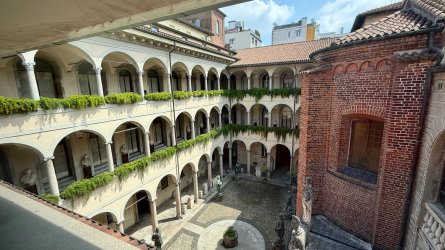
So, to the Pinacoteca Ambrosiana. I chiefly was interested in visiting the library, but of course there is much more. It was established in the early 1600s.
www.ambrosiana.it
To be honest, I wasn't much interested in the art exhibitions - hard to put them in any context.
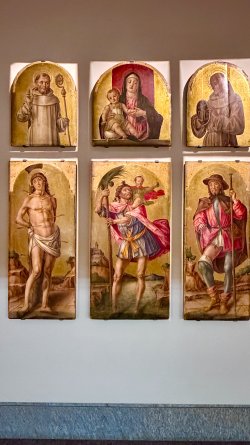
Polyptych from the 1400s
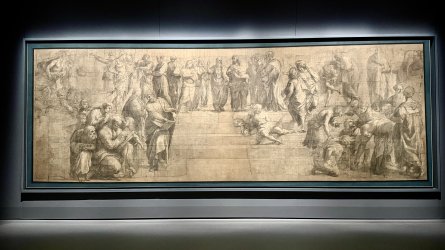
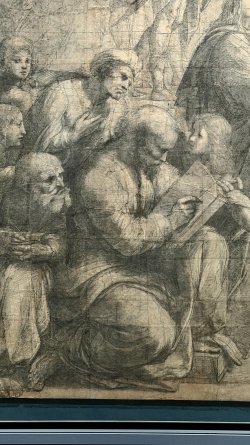
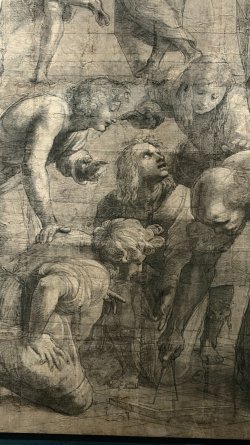
A whole room devoted to this enormous 'cartoon' by Raphael, apparently preparatory for his fresco of the Athenian School in the Vatican. Almost 3m long by 1m high.
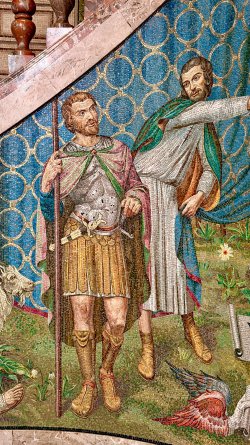
This mosaic staircase was only created in 1930
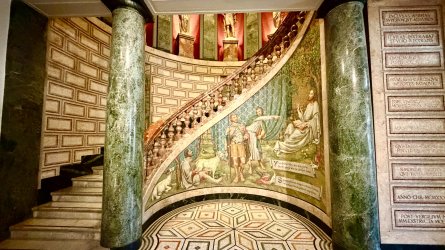
Upstairs
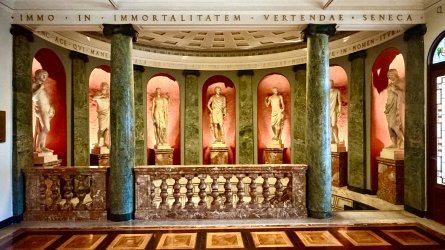
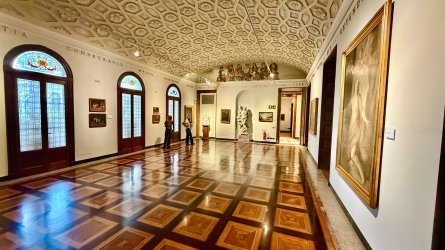
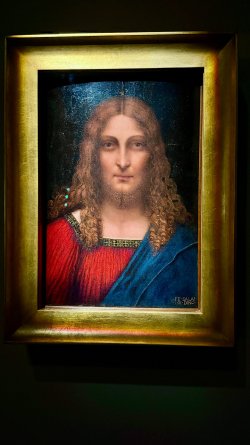
Christ the Redeemer by Salai ~1500
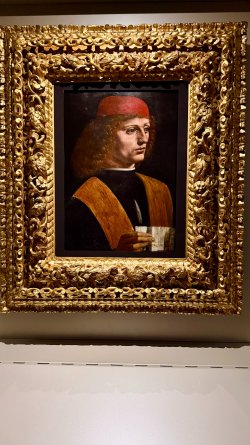
Portrait of a musician by da Vinci - it entered the Ambrosiana collection in 1637!
Veneranda Biblioteca Ambrosiana - museum and library in Milan
Library and museum in the heart of Milan: manuscripts, codices, artworks, and masterpieces such as Leonardo da Vinci's Codex Atlanticus.
www.ambrosiana.it
To be honest, I wasn't much interested in the art exhibitions - hard to put them in any context.
Polyptych from the 1400s
A whole room devoted to this enormous 'cartoon' by Raphael, apparently preparatory for his fresco of the Athenian School in the Vatican. Almost 3m long by 1m high.
This mosaic staircase was only created in 1930
Upstairs
Christ the Redeemer by Salai ~1500
Portrait of a musician by da Vinci - it entered the Ambrosiana collection in 1637!

- Joined
- Nov 12, 2012
- Posts
- 33,372
- Qantas
- Platinum
- Virgin
- Gold
- Star Alliance
- Gold
So to the library. Beautiful, but very dark, not least because of the exhibition of sketches by da Vinci on display. da Vinci spent 22 years in Milan in 2 stints, his most well know work being The Last Supper, which I see tomorrow.
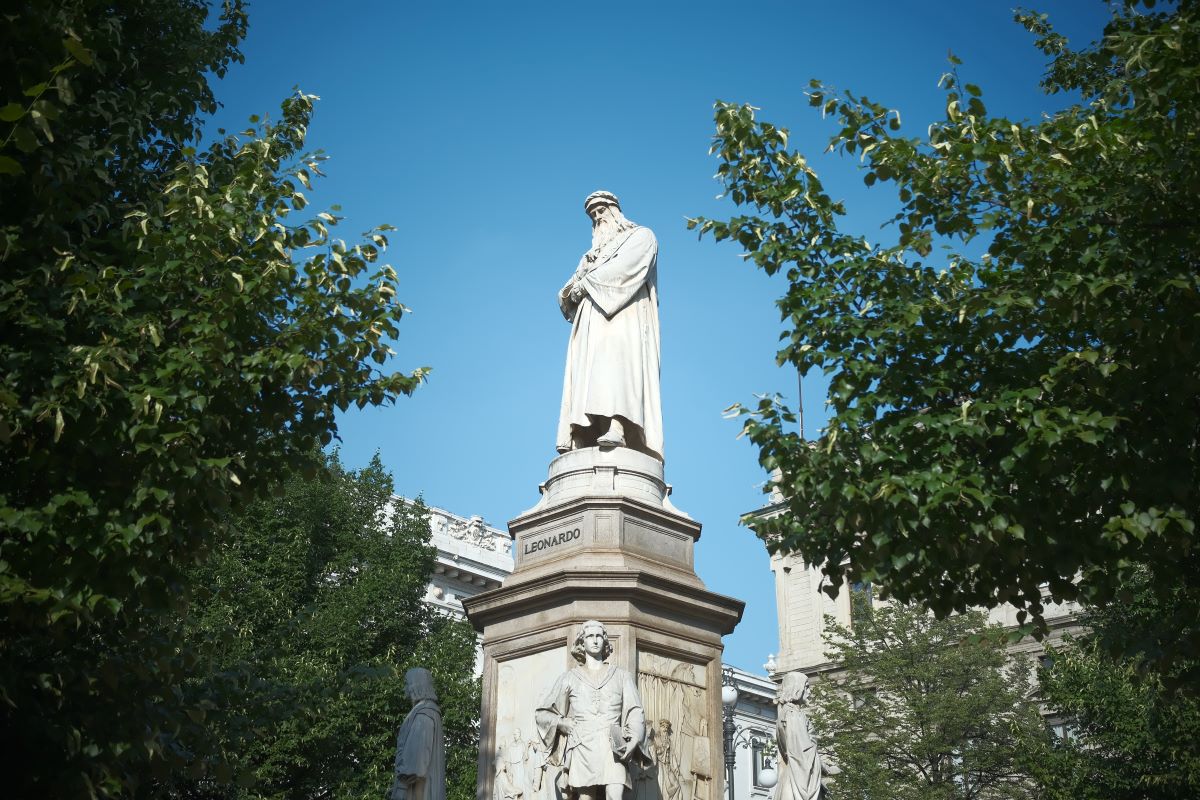
 www.takewalks.com
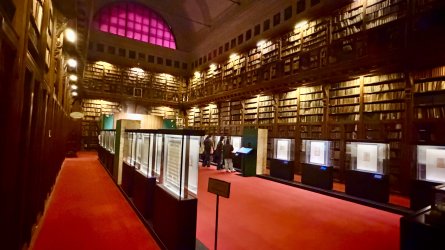
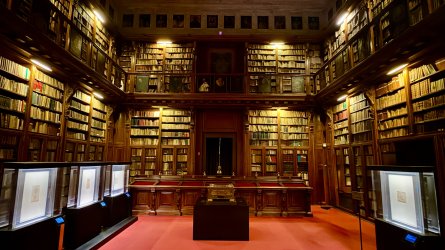
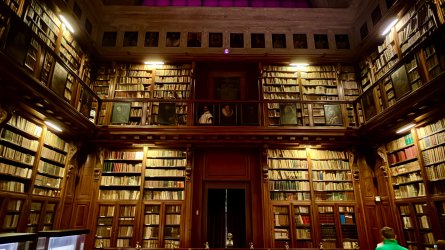
Some of the Leonardo works on display - the red is caused by the reflection of my iPhone case .
.
They are from the Atlantic Codex:
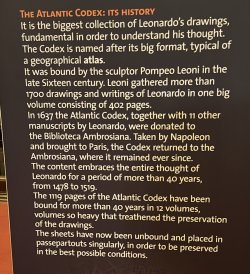
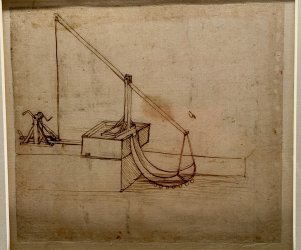
Water-raising machine, ~1488
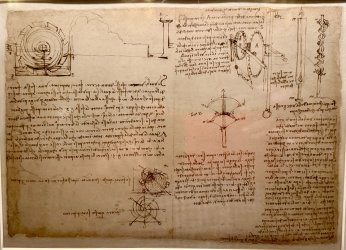
Hydraulics - studies on water and perpetual motion ~1490.
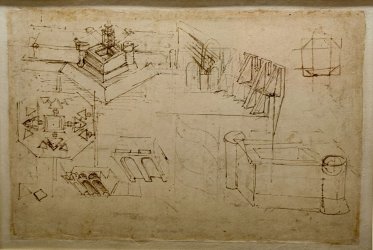
Studies of fortresses ~1487
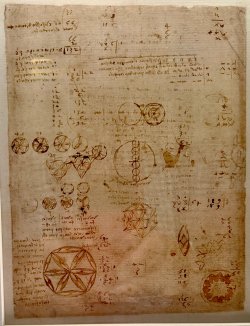
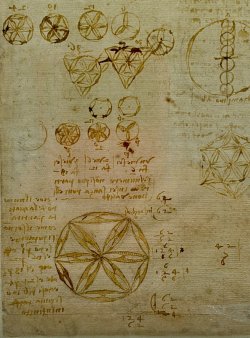
Ludo geometrico (squaring of curvilinear surfaces)
Leonardo da Vinci in Milan: A Detailed Overview
When you visit Florence, the Tuscan capital with the well-deserved nickname of “Birthplace of the Renaissance,” you’ll see Leonardo da Vinci’s work thro
www.takewalks.com
Some of the Leonardo works on display - the red is caused by the reflection of my iPhone case
.They are from the Atlantic Codex:
Water-raising machine, ~1488
Hydraulics - studies on water and perpetual motion ~1490.
Studies of fortresses ~1487
Ludo geometrico (squaring of curvilinear surfaces)
- Joined
- Nov 12, 2012
- Posts
- 33,372
- Qantas
- Platinum
- Virgin
- Gold
- Star Alliance
- Gold
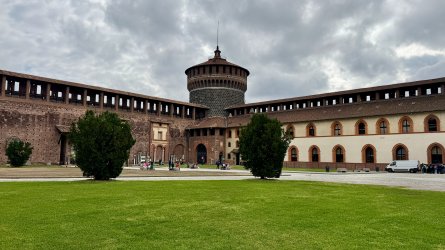
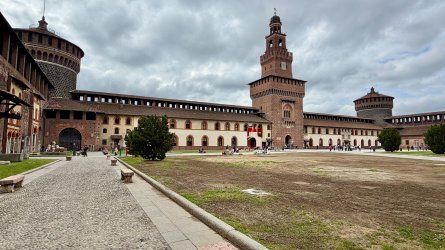
Next morning I had a ticket for the Last Supper at 11:45, so I went first to see Castello Sforzesco .
The library here houses another of Leonardo da Vinci's large written works. Closed today.
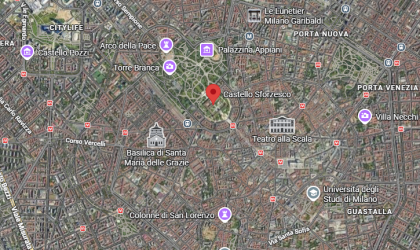
Its really big, and used to be much, much larger, with a huge moat around it, but the rest was demolished during Napoleonic times and that's the park behind the remaining structure
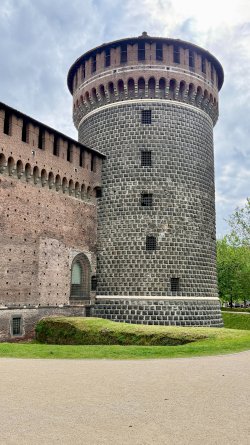
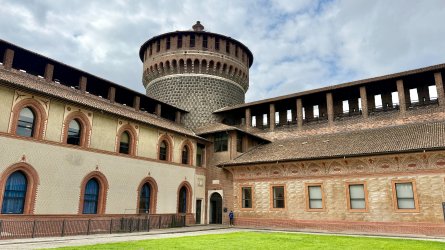
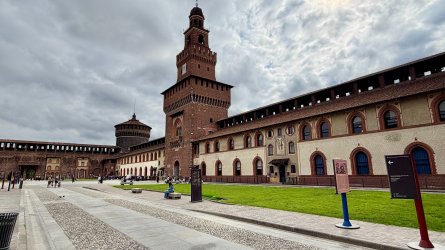
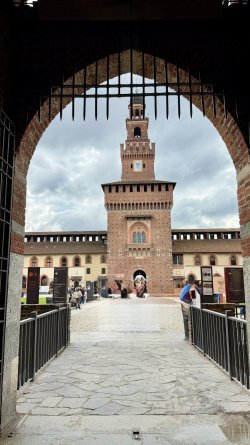
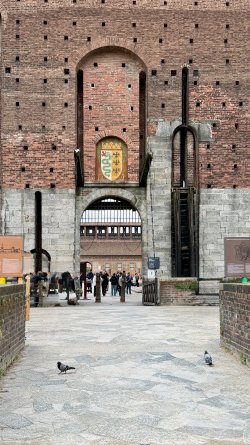
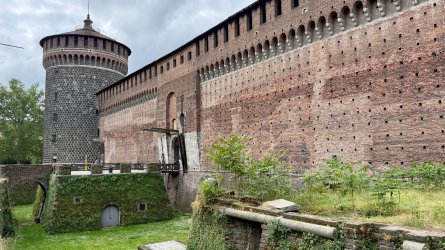
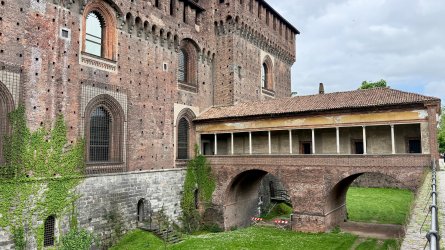
Torre del Filarete, rebuilt early 20th century after an explosion in the 16th century.
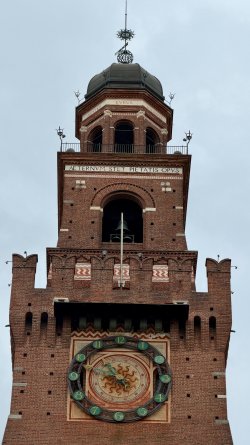
The Sforza Castle is a medieval fortification located in Milan, northern Italy. It was built in the 15th century by Francesco Sforza, Duke of Milan, on the remnants of a 14th-century fortification. Later renovated and enlarged, in the 16th and 17th centuries it was one of the largest citadels in Europe. Extensively rebuilt by Luca Beltrami in 1891–1905, it now houses several of the city's museums and art collections.
The library here houses another of Leonardo da Vinci's large written works. Closed today.
Its really big, and used to be much, much larger, with a huge moat around it, but the rest was demolished during Napoleonic times and that's the park behind the remaining structure
Torre del Filarete, rebuilt early 20th century after an explosion in the 16th century.
Last edited:
- Joined
- Nov 12, 2012
- Posts
- 33,372
- Qantas
- Platinum
- Virgin
- Gold
- Star Alliance
- Gold
Then it wasn't too far to walk to the Cenacolo Vinciano , ' 'Vinci's dining room' or, of course The Last Supper.
cenacolovinciano.org
I guess most people have heard about it, and probably know about it. Its painted by Leonardo da Vinci at the behest of his patron, Ludovico Sforza, Duke of Milan (he of the Castle). Housed in the refectory room of the Dominican convent Basilica di Santa Maria delle Grazie, a World Heritage site, completed in 1469.
A little about it:
Its painted with/via tempura, generally used in panel painting, rather than as a fresco, which would not allow alterations and would be less vivid. The substrate is 'gesso', which can be described as a type of plaster, and da Vinci put an undercoat of 'white lead' (lead carbonate) to enhance brightness.
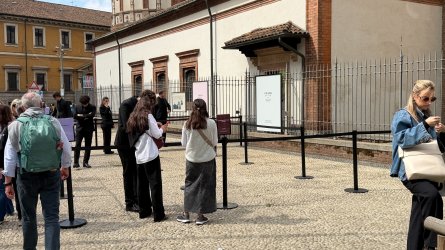
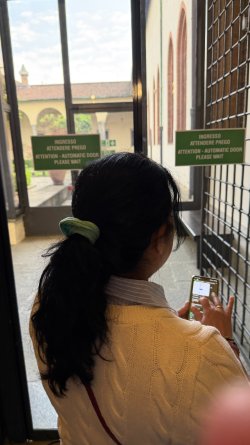
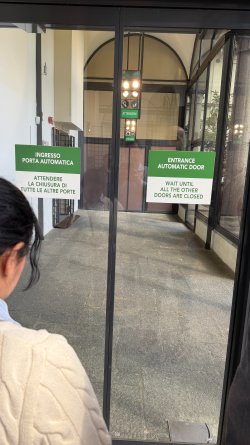
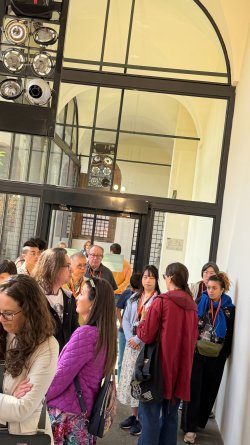
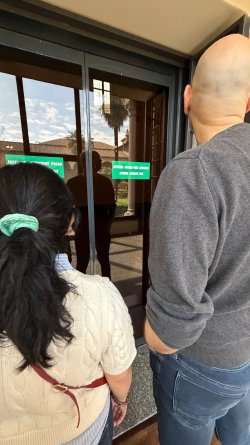
You had to be very quick to secure a ticket, which are issued in 30 minute intervals a few months prior. There is only about 20-25 tickets per time slot, {Edit - web site says max of 40] which I realised when I saw my own group. You have to report to the ticket office well before your allocated time. They then send you into the convent building and you are assembled into your group. Then, glass doors in front of you open, and you go into a small space, and the doors behind close. They re-opened to allow a late-comer. With those doors closed, glass doors in front of you open and you go through to the next space. When everyone is through, only then, after the doors behind close and after the people in the prior group clear out (you can see through smoked glass), do they open the glass doors into the space that holds the painting.
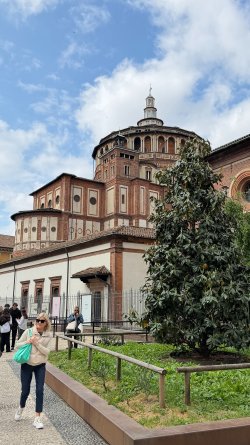
The Basilica
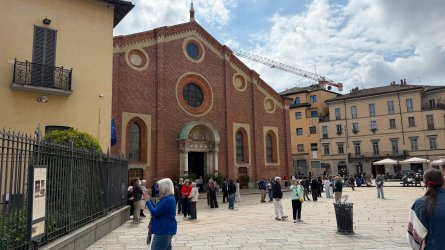
Waiting for entry.
Series of 'air locks' before entry.
Museo del Cenacolo Vinciano | Welcome to the Official Website
cenacolovinciano.org
I guess most people have heard about it, and probably know about it. Its painted by Leonardo da Vinci at the behest of his patron, Ludovico Sforza, Duke of Milan (he of the Castle). Housed in the refectory room of the Dominican convent Basilica di Santa Maria delle Grazie, a World Heritage site, completed in 1469.
A little about it:
The Last Supper is a mural painting by the Italian High Renaissance artist Leonardo da Vinci, dated to c. 1495–1498, housed in the refectory of the Convent of Santa Maria delle Grazie in Milan, Italy. The painting represents the scene of the Last Supper of Jesus with the Twelve Apostles, as it is told in the Gospel of John – specifically the moment after Jesus announces that one of his apostles will betray him. Its handling of space, mastery of perspective, treatment of motion and complex display of human emotion has made it one of the Western world's most recognizable paintings and among Leonardo's most celebrated works. Some commentators consider it pivotal in inaugurating the transition into what is now termed the High Renaissance.
Its painted with/via tempura, generally used in panel painting, rather than as a fresco, which would not allow alterations and would be less vivid. The substrate is 'gesso', which can be described as a type of plaster, and da Vinci put an undercoat of 'white lead' (lead carbonate) to enhance brightness.
You had to be very quick to secure a ticket, which are issued in 30 minute intervals a few months prior. There is only about 20-25 tickets per time slot, {Edit - web site says max of 40] which I realised when I saw my own group. You have to report to the ticket office well before your allocated time. They then send you into the convent building and you are assembled into your group. Then, glass doors in front of you open, and you go into a small space, and the doors behind close. They re-opened to allow a late-comer. With those doors closed, glass doors in front of you open and you go through to the next space. When everyone is through, only then, after the doors behind close and after the people in the prior group clear out (you can see through smoked glass), do they open the glass doors into the space that holds the painting.
The Basilica
Waiting for entry.
Series of 'air locks' before entry.
Last edited:
- Joined
- Nov 12, 2012
- Posts
- 33,372
- Qantas
- Platinum
- Virgin
- Gold
- Star Alliance
- Gold
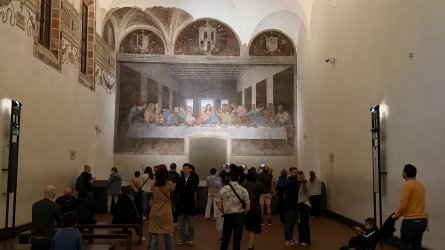
Each group is allowed 15 minutes in the room, which has another work at the other end.
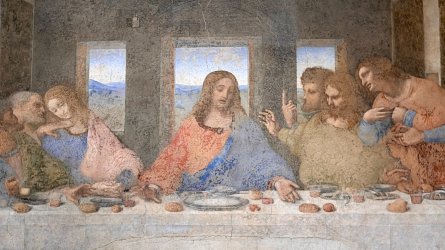
The painting shows the moment when Jesus discloses to the 12 Apostles that he has been betrayed by one of them, and their reactions.
Panning left to right:
From the left, Bartholomew, James, Andrew, Judas (holding a bag of ?silver), Peter, John
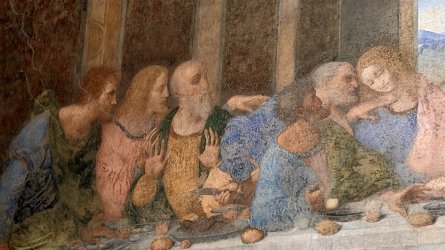
Judas, Peter, John, Jesus
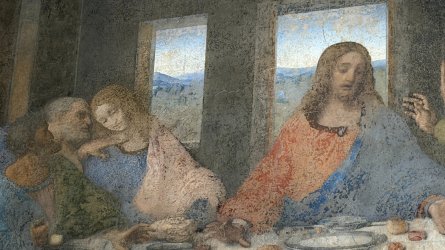
Jesus, Thomas, James the Elder, Philip
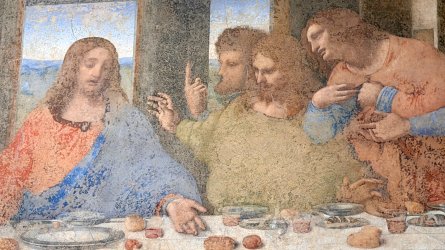
Matthew, Jude Thaddeus and Simon the Zealot
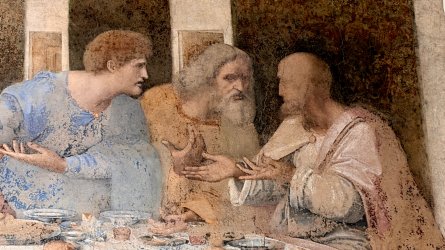
The centre
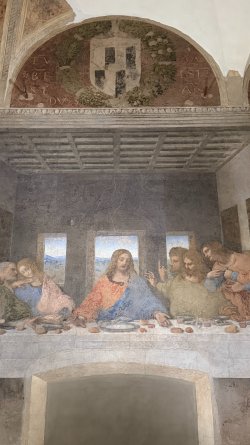
The lunettes above the work contain Sforza's coat-of-arms. The thing at the bottom is where a door was put through in 1652
Gotta say its looking a bit tatty ... after over 500 years ... and a few restorations, the last one in 1999. I read that little of the actual painting (original brushstrokes) remain.
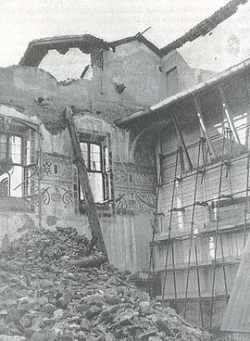
The Wikipedia article linked above details the history of damage, and damaging restorations through the years. Allied bombing nearly took the whole thing out - in this image, from the article, the painting is protected on the right by a shield.
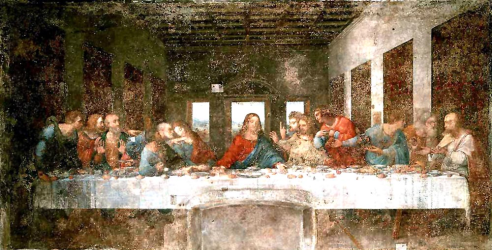
In the last restoration, 1978-99, unrestorable areas were painted with pale watercolours, hence the mottled appearance. This is what it looked like in the 1970s (Wikipedia article).
The painting shows the moment when Jesus discloses to the 12 Apostles that he has been betrayed by one of them, and their reactions.
Panning left to right:
From the left, Bartholomew, James, Andrew, Judas (holding a bag of ?silver), Peter, John
Judas, Peter, John, Jesus
Jesus, Thomas, James the Elder, Philip
Matthew, Jude Thaddeus and Simon the Zealot
The centre
The lunettes above the work contain Sforza's coat-of-arms. The thing at the bottom is where a door was put through in 1652
Gotta say its looking a bit tatty ... after over 500 years ... and a few restorations, the last one in 1999. I read that little of the actual painting (original brushstrokes) remain.
The Wikipedia article linked above details the history of damage, and damaging restorations through the years. Allied bombing nearly took the whole thing out - in this image, from the article, the painting is protected on the right by a shield.
In the last restoration, 1978-99, unrestorable areas were painted with pale watercolours, hence the mottled appearance. This is what it looked like in the 1970s (Wikipedia article).
TheRealTMA
Senior Member
- Joined
- Jul 13, 2012
- Posts
- 8,700
- Qantas
- Platinum
Once when I went, the guard said “l’ultima cena è finita” - The last supper is finished! Meaning the quota was full but they had two vacancies so managed to squeeze my way in,Each group is allowed 15 minutes in the room, which has another work at the other end.
The painting shows the moment when Jesus discloses to the 12 Apostles that he has been betrayed by one of them, and their reactions.
View attachment 507218
Panning left to right:
From the left, Bartholomew, James, Andrew, Judas (holding a bag of ?silver), Peter, John
View attachment 507216
Judas, Peter, John, Jesus
View attachment 507215
Jesus, Thomas, James the Elder, Philip
View attachment 507214
Matthew, Jude Thaddeus and Simon the Zealot
View attachment 507213
The centre
View attachment 507212
The lunettes above the work contain Sforza's coat-of-arms. The thing at the bottom is where a door was put through in 1652
View attachment 507217
Gotta say its looking a bit tatty ... after over 500 years ... and a few restorations, the last one in 1999. I read that little of the actual painting (original brushstrokes) remain.
The Wikipedia article linked above details the history of damage, and damaging restorations through the years. Allied bombing nearly took the whole thing out - in this image, from the article, the painting is protected on the right by a shield.
View attachment 507220
In the last restoration, 1978-99, unrestorable areas were painted with pale watercolours, hence the mottled appearance. This is what it looked like in the 1970s (Wikipedia article).
View attachment 507221
Last edited:
- Joined
- Nov 12, 2012
- Posts
- 33,372
- Qantas
- Platinum
- Virgin
- Gold
- Star Alliance
- Gold
I was surprised that my lot wasn't full - maybe since you have to book so far out, some can't make it in the end.
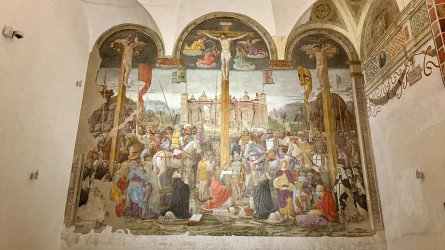
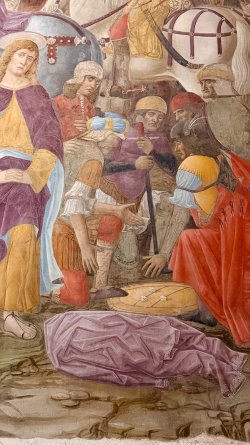
At the other end of the hall is The Crucifiction, by Donato Montorfano. Unlike TLS, it is done as a fresco, so is much better preserved. It was done before TLS and Leonardo added some figures to it at the edge!
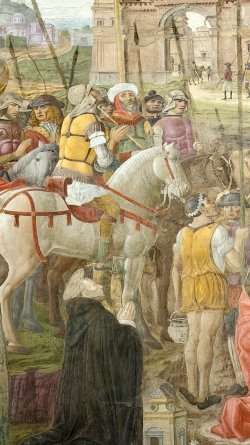
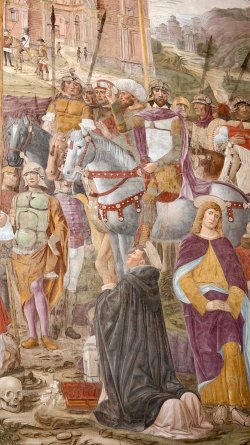
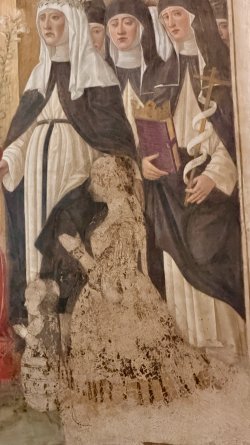
Some detail:
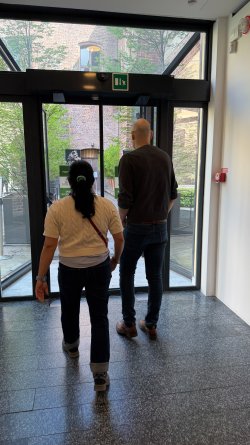
At 15 minutes we were ushered out, again through two 'airlocks'
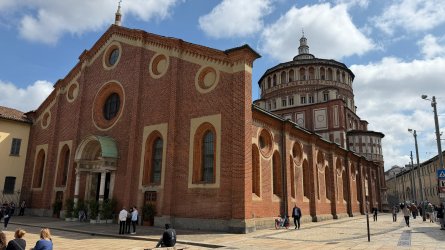
Farewell Santa Maria delle Grazie in Milan.
At the other end of the hall is The Crucifiction, by Donato Montorfano. Unlike TLS, it is done as a fresco, so is much better preserved. It was done before TLS and Leonardo added some figures to it at the edge!
Some detail:
At 15 minutes we were ushered out, again through two 'airlocks'
Farewell Santa Maria delle Grazie in Milan.
- Joined
- Nov 12, 2012
- Posts
- 33,372
- Qantas
- Platinum
- Virgin
- Gold
- Star Alliance
- Gold
Because of my change of flights from QR to TK, and needing to hook into my SQ award flight SIN-MEL, I had to leave Milan that evening, rather than the next day, which not least meant that I fore-went an expensive night's stay in my coughpy hotel (still got the stay credit, though ).
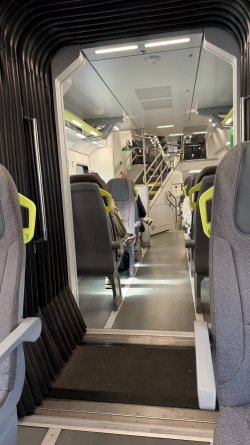
Departing from Malpensa airport (MXP) which I didn't realise was so far out. Got the 'Express Train' (which isn't).
And arrived at the check-in quite early, and had that frustrating experience where the check-in agents are there, chatting, while we wait 15 mins for the magic time to tick over. I was thrird.
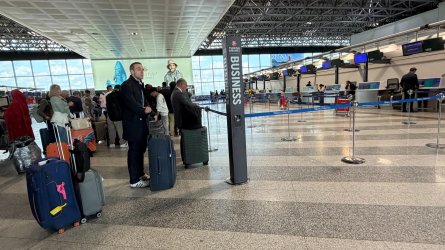
Oh, until this guy rocked up, with a 'helper' who seemed to know that the ropes would be opened on the right, so they parked there.
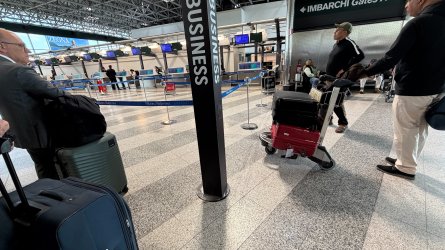
Great satisfaction then, when he, first to the counter, had some sort of issue and had to stand aside for a while.
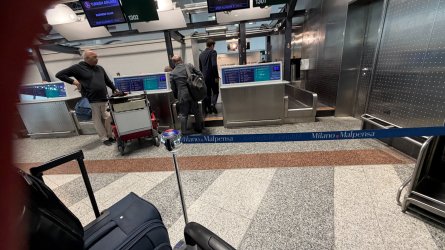
Its Milan.
Directed to the 'Premium Lounge'. A really good lounge, lots of quiet spaces, power points and decent-looking food and bev, but I was saving my appetite for the flight.
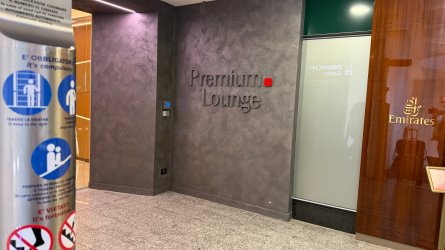
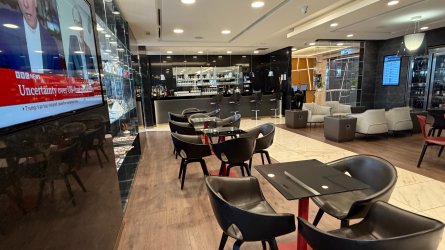
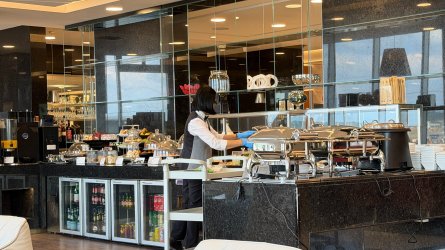
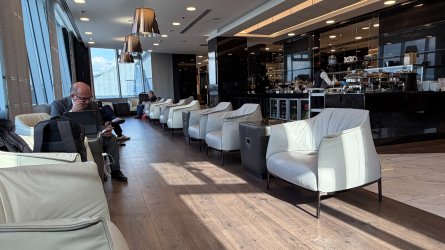
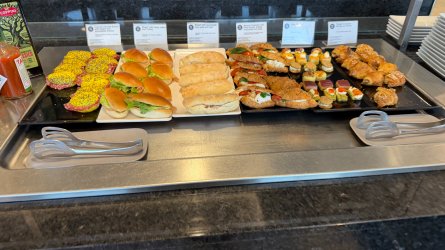
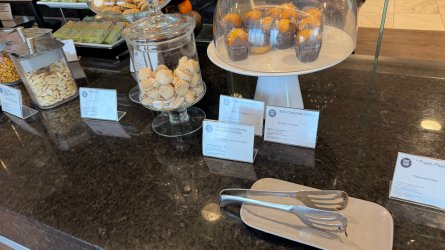
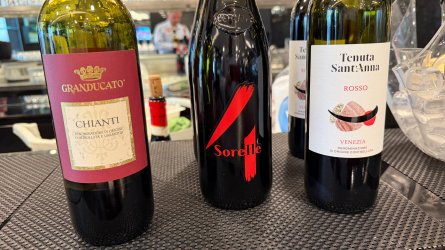
).Departing from Malpensa airport (MXP) which I didn't realise was so far out. Got the 'Express Train' (which isn't).
And arrived at the check-in quite early, and had that frustrating experience where the check-in agents are there, chatting, while we wait 15 mins for the magic time to tick over. I was thrird.
Oh, until this guy rocked up, with a 'helper' who seemed to know that the ropes would be opened on the right, so they parked there.
Great satisfaction then, when he, first to the counter, had some sort of issue and had to stand aside for a while.
Its Milan.
Directed to the 'Premium Lounge'. A really good lounge, lots of quiet spaces, power points and decent-looking food and bev, but I was saving my appetite for the flight.

Read our AFF credit card guides and start earning more points now.
AFF Supporters can remove this and all advertisements
- Joined
- Nov 12, 2012
- Posts
- 33,372
- Qantas
- Platinum
- Virgin
- Gold
- Star Alliance
- Gold
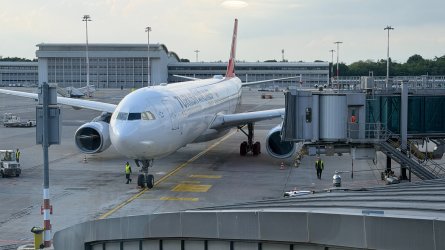
TK1876 MXP 19:45 - IST 23:40
A330-300, 3J
2H55m
Bit surprised to find a 2-2-2 layout, their old J product, but the cabin was lightly loaded for this short flight and there was plenty of legroom.
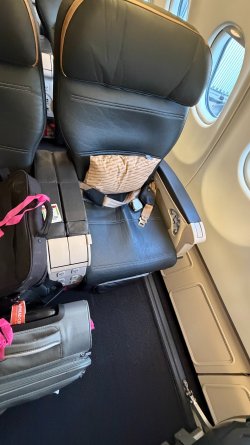
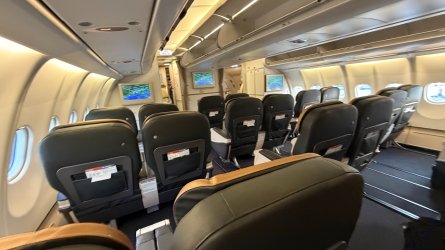
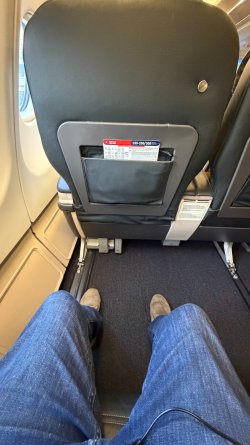
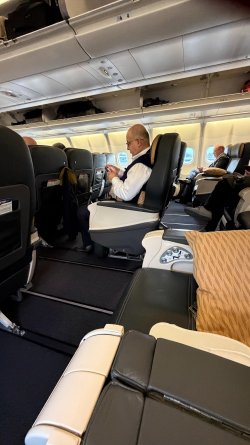
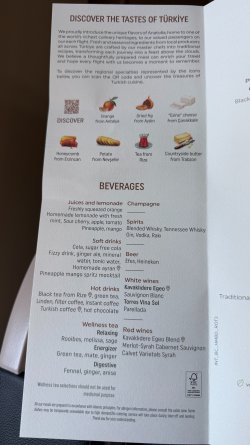
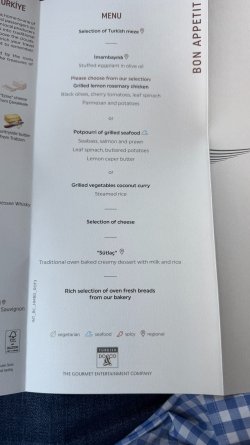
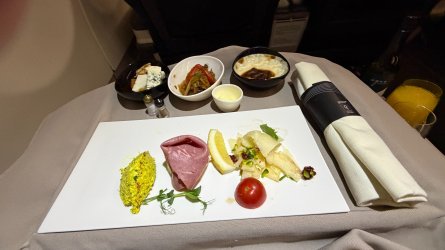
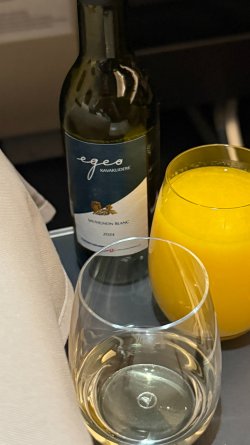
The wine was forgettable but the fresh OJ was great.
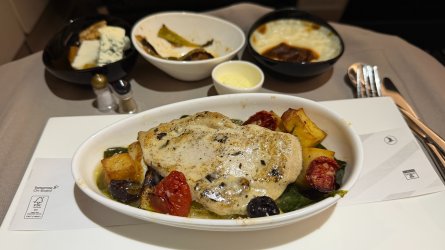
The main lemon rosemary chicken was pretty good.
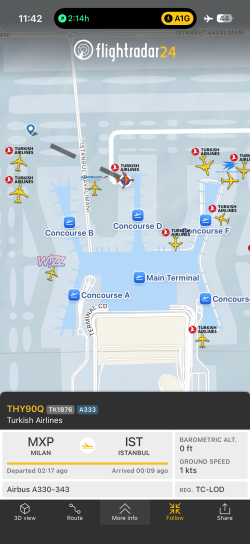
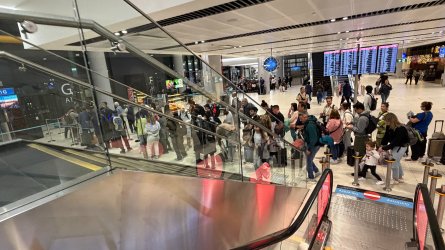
And we arrived, as usual at the far end of a pier at IST, which at IST is a long way!
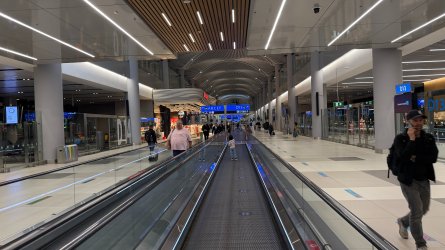
At least there were travelators on pier D - A and D don't.
A330-300, 3J
2H55m
Bit surprised to find a 2-2-2 layout, their old J product, but the cabin was lightly loaded for this short flight and there was plenty of legroom.
The wine was forgettable but the fresh OJ was great.
The main lemon rosemary chicken was pretty good.
And we arrived, as usual at the far end of a pier at IST, which at IST is a long way!
At least there were travelators on pier D - A and D don't.
- Joined
- Nov 12, 2012
- Posts
- 33,372
- Qantas
- Platinum
- Virgin
- Gold
- Star Alliance
- Gold
Straight to the shower-booking desk in the lounge - deserted. Someone showed up; 20 mins wait but that's after a long walk from the arrival gate and another medium walk (12 mins) to the departure date. Just enough.
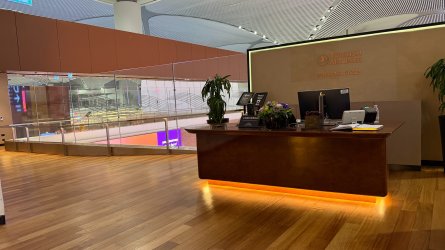
Another TK J lounge visit with nothing eaten, nothing drunk!
Again, because of the change in ticketing, I had an overnight flight, which I generally try to avoid these days, but at least it would give me the chance to try TK bed.
TK54 IST 1:55 - SIN 17:55 11 hours
B787-9, 4K
Ugh. Bus gate. As usual, there is priority bus boarding for J pax, then everyone else is jammed in.
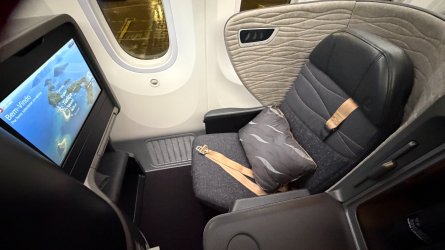
I like the TK J seat and also liked it as a bed. Both armrests slide down and the footwell isn't too bad.
We pushed back 30 mins late - just seemed a lot of faffing about.
Dinner, of course, despite 2am scheduled departure.
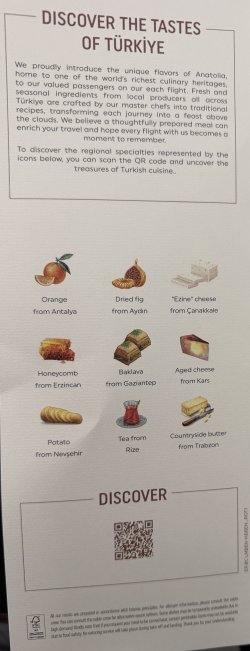
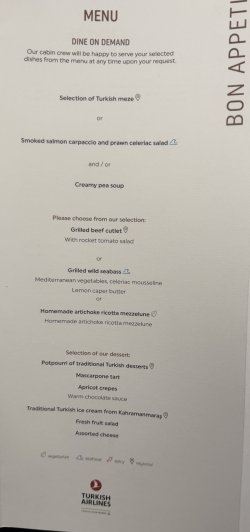
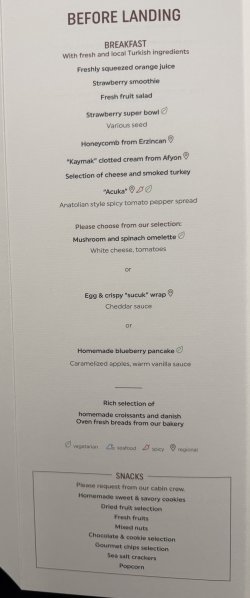
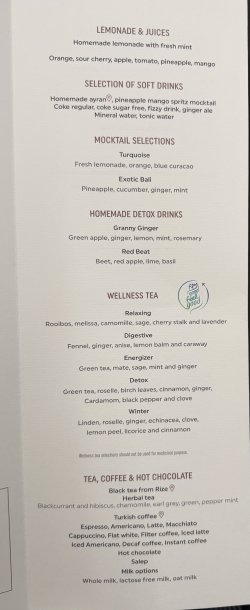
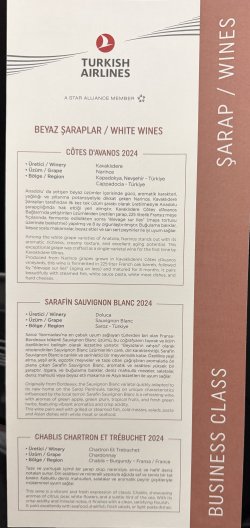
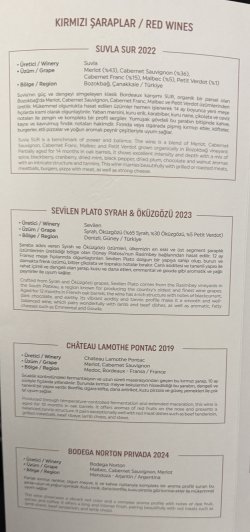
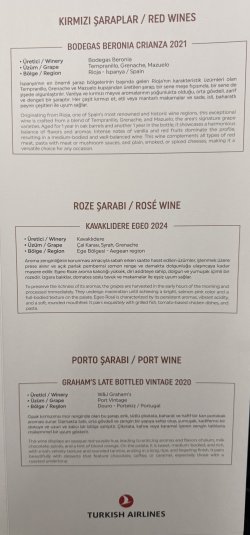
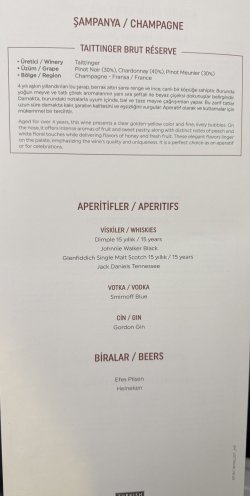
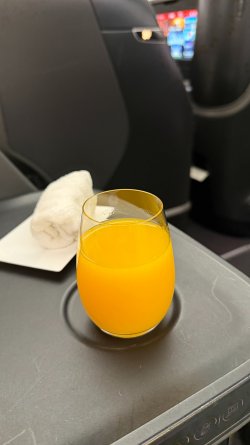
I wasn't hungry, but went for more fresh orange juice
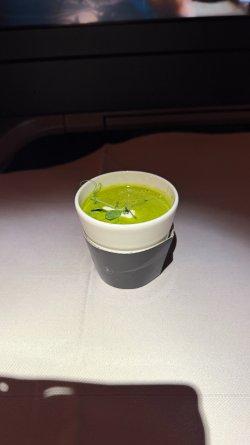
and I just asked for the 'creamy pea soup. It was sensational! Cream fraiche in it, totally fresh 'pea' taste. I asked for another cup! Finnair served a very memorable cold pea soup - but this was better.
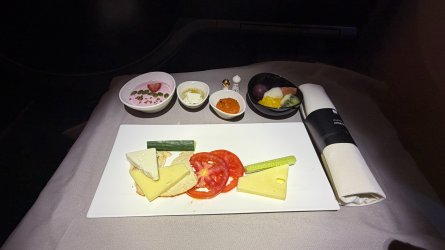
I got a bit of sleep, then breakfast. There were pastries etc as well but I didn't have any of the hot options.
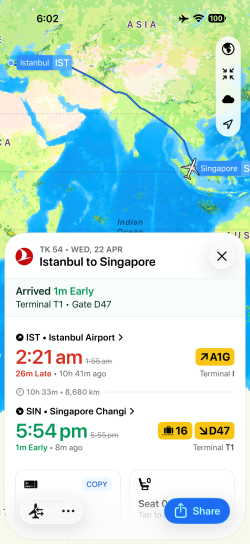
TK give J pax 1 GB of free data. For once I remembered to put on 'low data mode' and in spite of browsing etc most of the flight, I only used about 00MB.
Another TK J lounge visit with nothing eaten, nothing drunk!
Again, because of the change in ticketing, I had an overnight flight, which I generally try to avoid these days, but at least it would give me the chance to try TK bed.
TK54 IST 1:55 - SIN 17:55 11 hours
B787-9, 4K
Ugh. Bus gate. As usual, there is priority bus boarding for J pax, then everyone else is jammed in.
I like the TK J seat and also liked it as a bed. Both armrests slide down and the footwell isn't too bad.
We pushed back 30 mins late - just seemed a lot of faffing about.
Dinner, of course, despite 2am scheduled departure.
I wasn't hungry, but went for more fresh orange juice
and I just asked for the 'creamy pea soup. It was sensational! Cream fraiche in it, totally fresh 'pea' taste. I asked for another cup! Finnair served a very memorable cold pea soup - but this was better.
I got a bit of sleep, then breakfast. There were pastries etc as well but I didn't have any of the hot options.
TK give J pax 1 GB of free data. For once I remembered to put on 'low data mode' and in spite of browsing etc most of the flight, I only used about 00MB.



Become an AFF member!
Join Australian Frequent Flyer (AFF) for free and unlock insider tips, exclusive deals, and global meetups with 65,000+ frequent flyers.AFF members can also access our Frequent Flyer Training courses, and upgrade to Fast-track your way to expert traveller status and unlock even more exclusive discounts!
AFF forum abbreviations
Wondering about Y, J or any of the other abbreviations used on our forum?Check out our guide to common AFF acronyms & abbreviations.