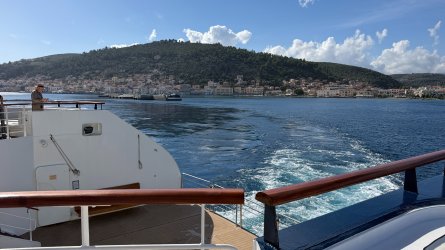
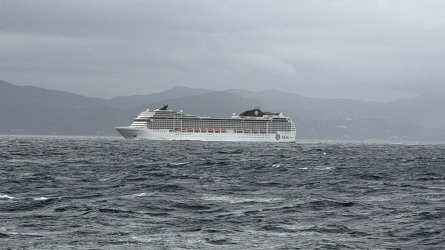
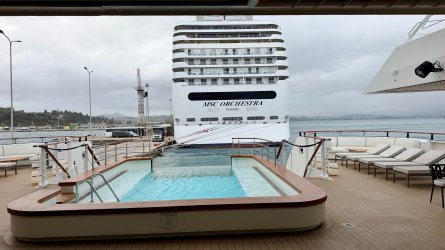
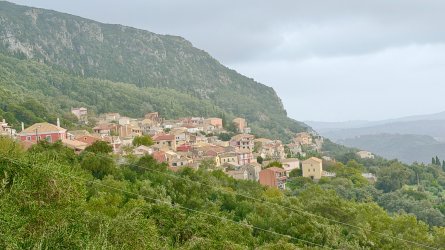
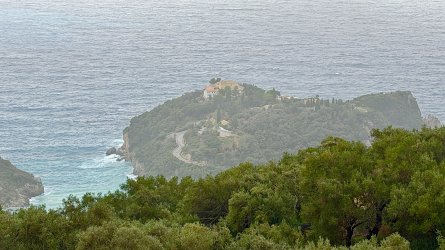
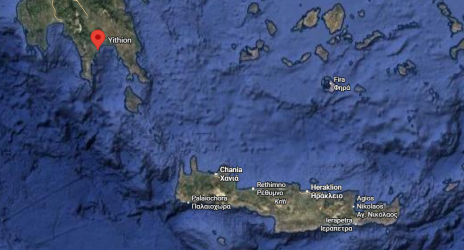
Overnight, we sailed on smooth seas from Heraklion to Gytheio on the Peloponnese mainland
And from there a one hour drive to Mystras, via (modern day) Sparti.
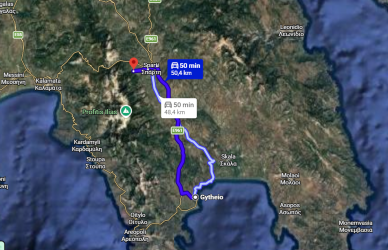
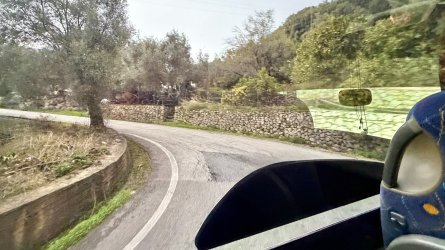
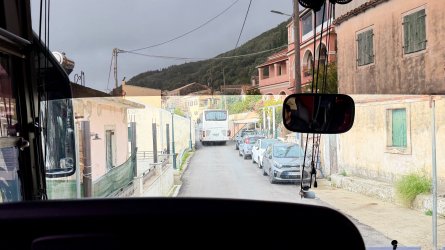
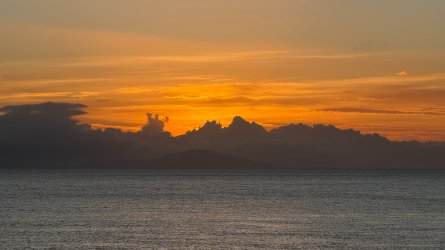
Dawn and drive through Gytheio
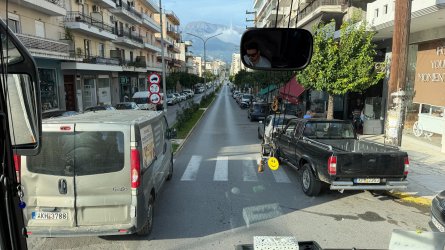
Approaching Mystras we see Mount Taygetus, and the fort built in 1249 by William II de Villehardouin, Prince of Achaea, a Frankish crusader who had conquered much of the Peloponnese after the Fourth Crusade. His rule was short-lived: after his defeat and capture at the Battle of Pelagonia in 1259, he ceded Mystras, along with other fortresses (such as Mycenae), to the Byzantine Empire as part of his ransom in 1262.
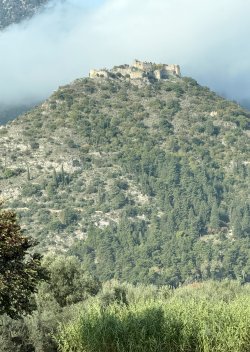
I was glad to finally reach the Mystras UNESCO world heritage site and our Greek guide, although a lovely knowlegable lady with good english, talked for the entire hour, non stop and very quickly with incredible and useless detail.
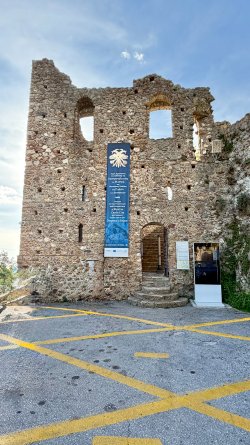
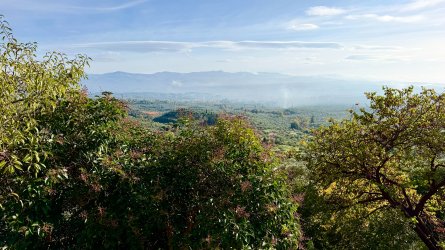
We could look down on old Sparta (A city-state of fierce warriors and a competitor to Athens). We didn't visit that archeological site, which I regretted. White smoke from the annual burning of olive branches, permitted at this time of year.
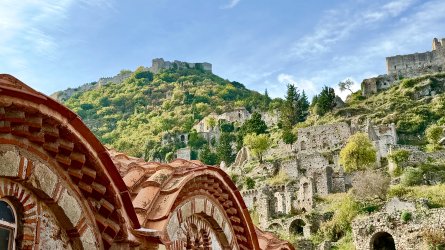
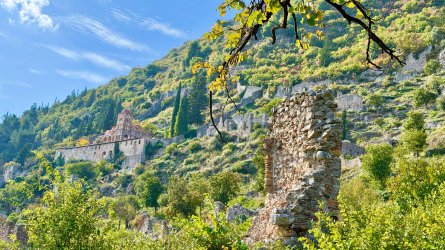
Walkin g through the lower part of the town, looking up to the ruins of the lower town.
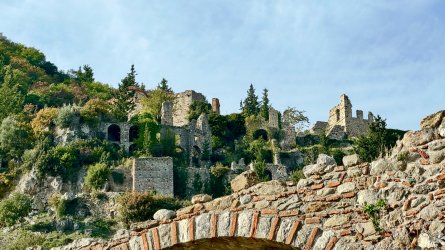
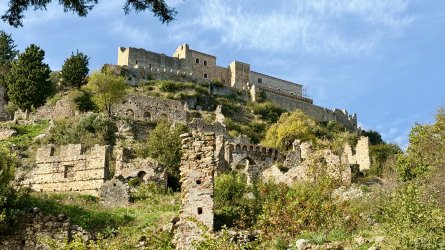
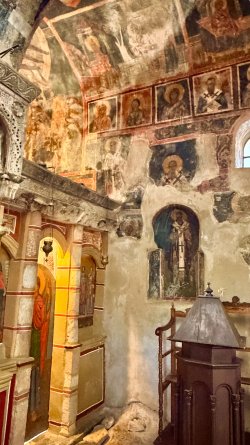
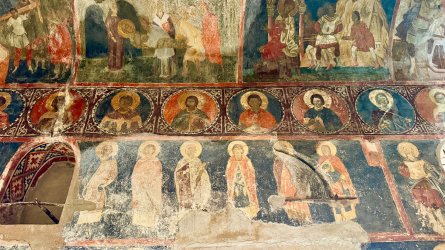
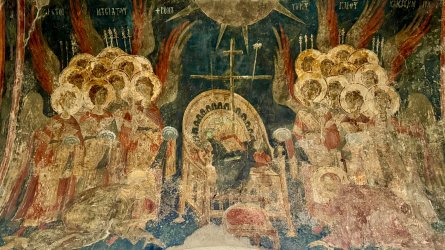
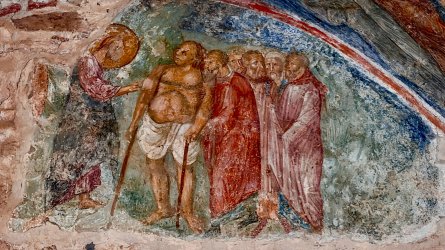
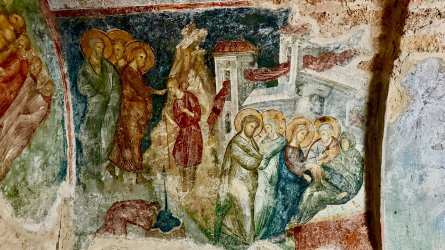
Under Byzantine control, Mystras became the seat of the Despotate of the Morea, usually governed by a son or brother of the emperor. As Constantinople shrank under Ottoman pressure, Mystras grew in importance, reaching its height in the 14th and 15th centuries. The city developed a distinct cultural identity, with a Palaiologan-era artistic revival visible in its frescoes and a lively intellectual life. . The last Byzantine emperor, Constantine XI Palaiologos, was crowned at Mystras in 1449 before traveling to Constantinople, where he died when the city fell in 1453.
Mystras itself held out until 1460, when it surrendered to Mehmed II. It remained under Ottoman control, with an interlude of Venetian rule from 1687 to 1715, during which the settlement prospered economically, particularly through silk. The Ottomans regained the Morea in 1715. The town suffered further during the Russian-backed Orlov revolt of 1770, when Albanian irregulars devastated much of the area.
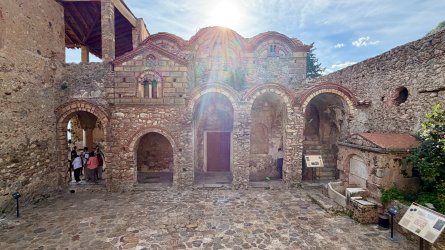
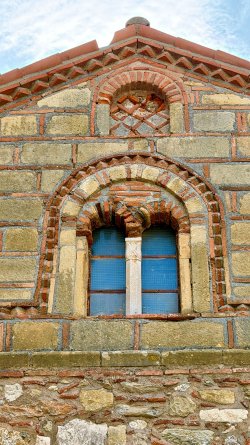
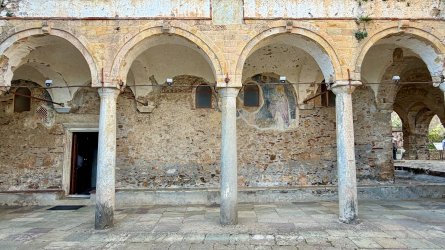
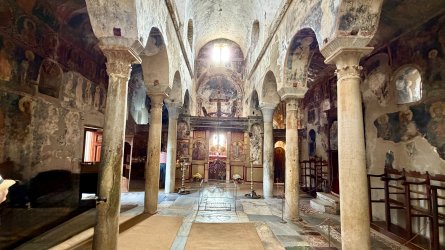
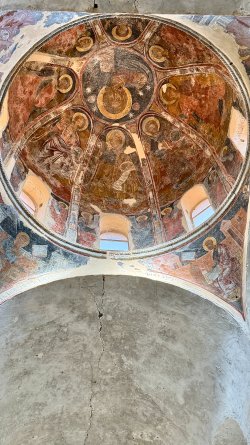
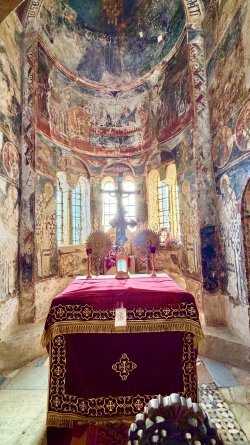
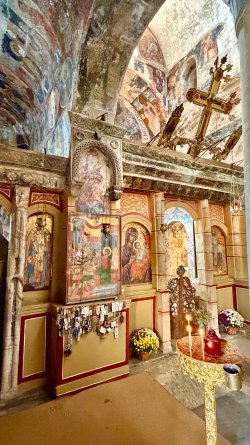
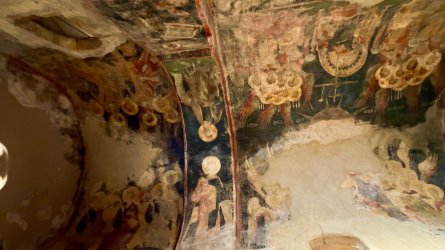
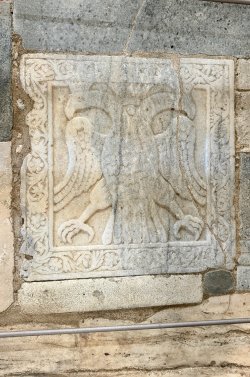
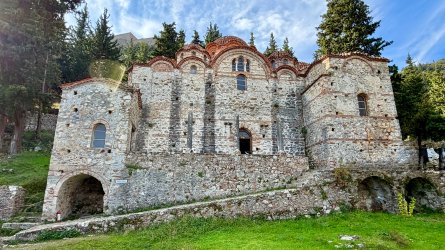
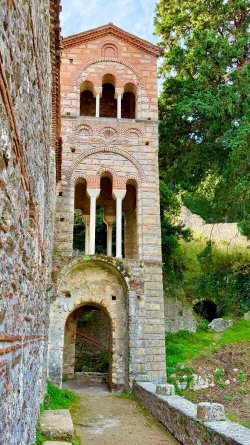
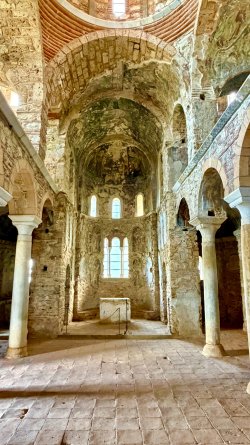
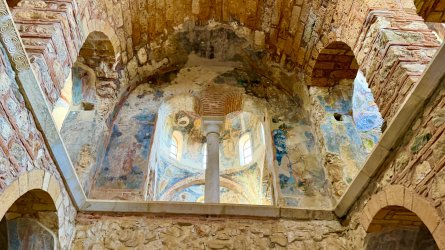
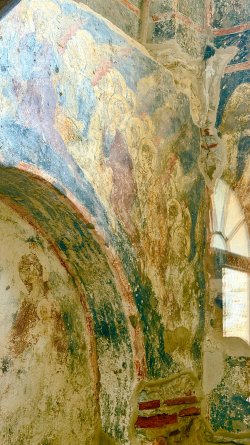
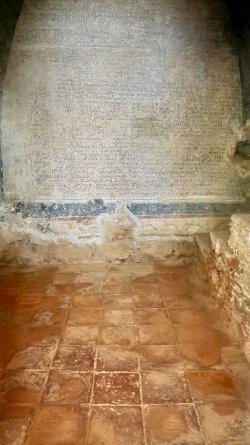
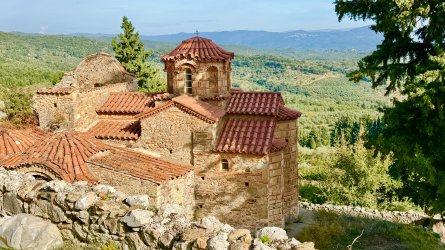
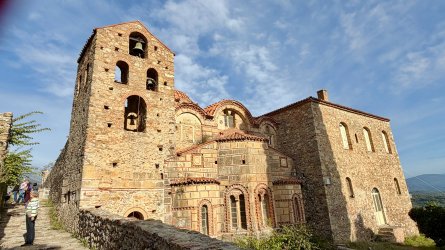
The first stop on our walking tour, and I think the most important was the Holy Metropolitan Church of Saint Demetrius. The church was founded around 1291 shortly after the Byzantines had consolidated their hold on Mystras. It is a hybrid structure. The original building was a three-aisled basilica, but in the 14th century a gallery with a dome-covered upper level was added, turning the church into a cross-in-square design on the upper floor. The exterior is notable for its multi-tiered roofline, with the domes and later bell tower. The bell tower is a Western-style addition, reflecting the Frankish influence in the region.
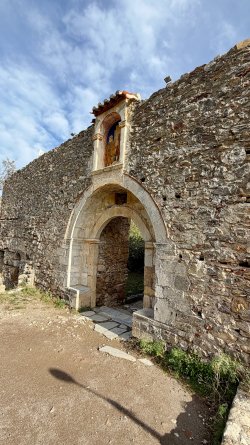
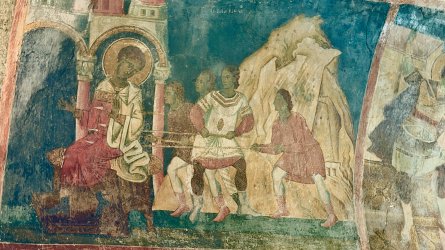
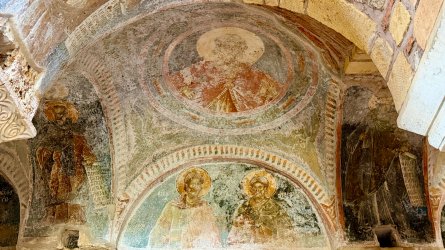
Saint Demetrius. Traditionally, Demetrius was a young Roman official or officer in Thessalonica, from a Christian family. He is said to have openly professed and preached Christianity despite the imperial ban. Arrested on the Emperor's orders, he was imprisoned and then killed, usually described as being speared to death in his cell.
A famous episode involves Nestor (Nestor!!), a Christian gladiator who is said to have defeated the emperor's favourite champion, after receiving Demetrius's blessing in prison. Galerius had Nestor executed, and Demetrius soon followed. The story has often been treated as a later embellishment, but it became a staple of Demetrius's iconography.
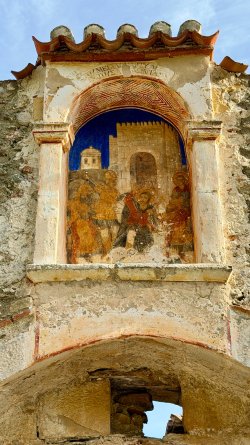
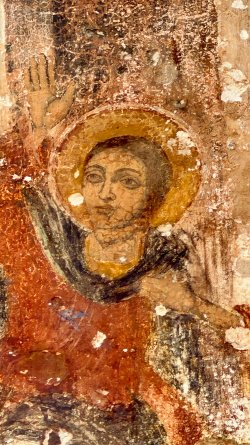
The 13th century church. Original.