




An Africa odyssey

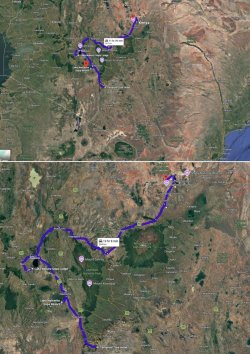
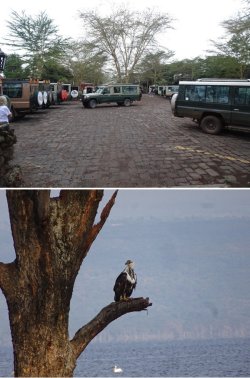
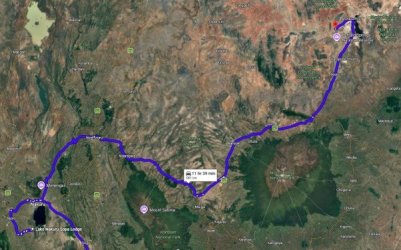
A long drive the next day to Samburu National Reserve which took in a major change of habitat as we drove up over the lush highlands and down to the more arid plains. Mt Kenya was obscured by cloud.

Generally, the main roads are good, but progress is slowed by a plethora of speed bumps, so it makes it tiring for the driver.
Snip 102.jpg

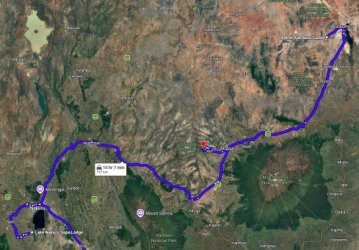
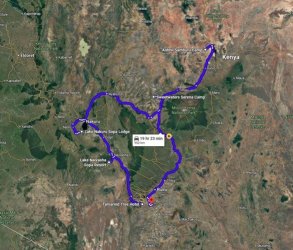
Total safari progress so far:

Snip 103.jpgSnip 104.jpg

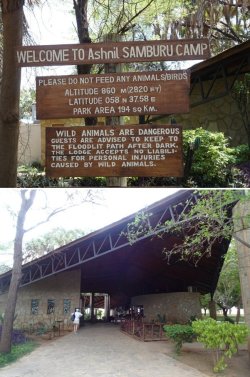
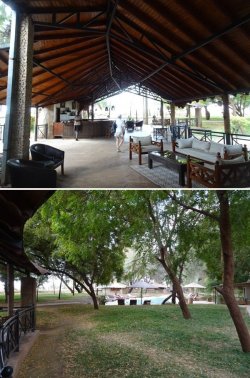
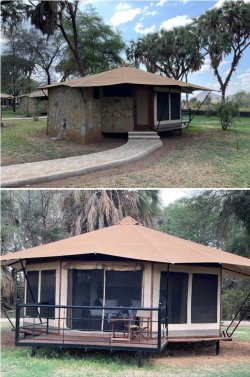
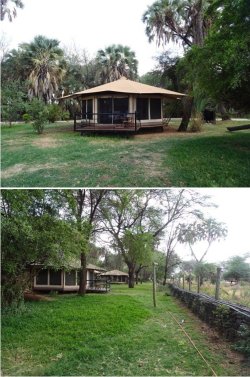
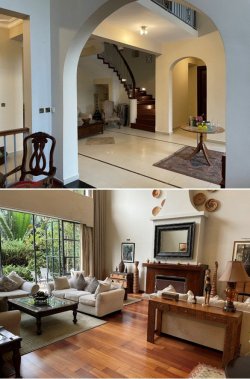
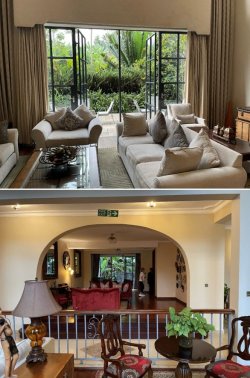
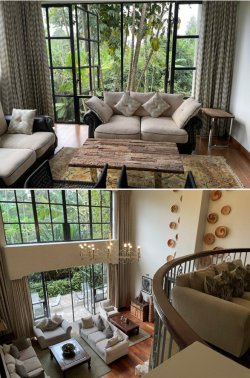
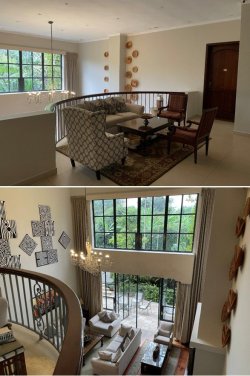
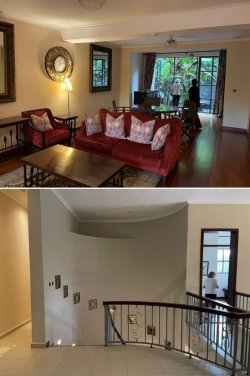
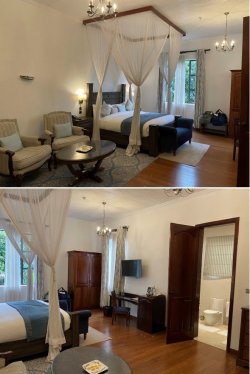
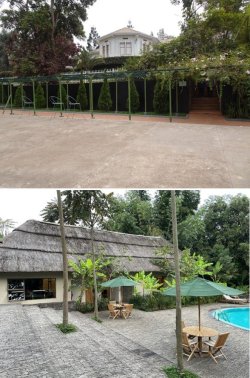
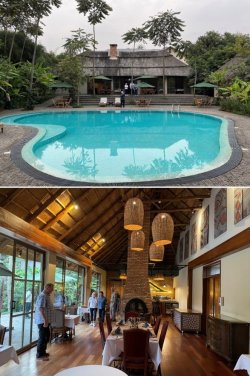
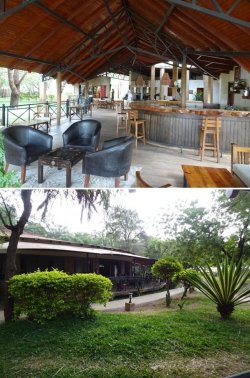
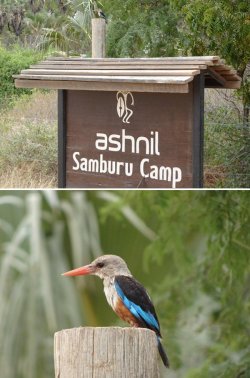
Our lodge for the next two nights.
Snip 105.jpgSnip 106.jpgSnip 107.jpgSnip 108.jpgSnip 109.jpgSnip 110.jpg

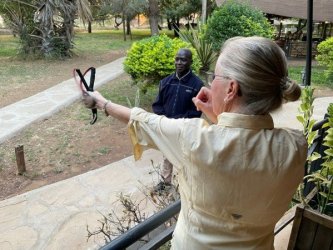
As visitors to game lodges in Africa would know, it is often necessary for a member of staff to be patrolling in the nearby gardens whenever food is being served, armed with a shanghai (more often ging in WA parlance) to discourage baboons and monkeys. PJM trying her hand.
Snip 111.jpgSnip 112.jpg
 
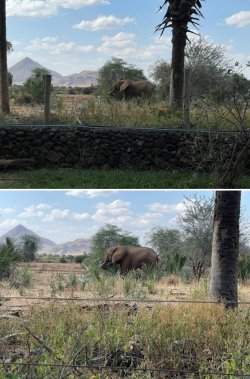
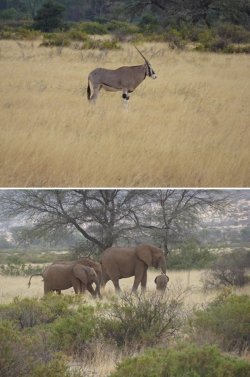
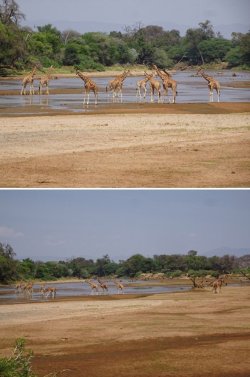
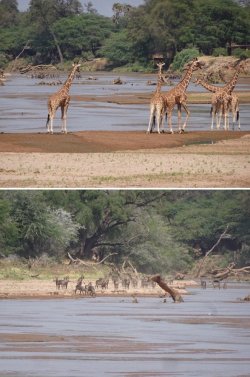
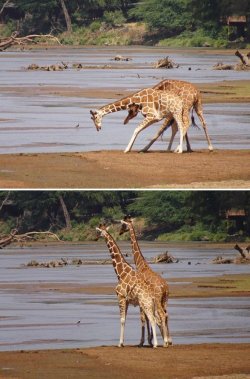
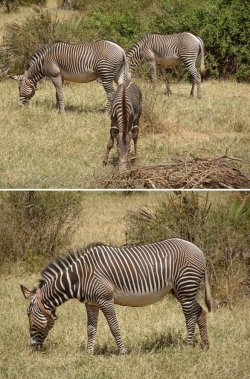
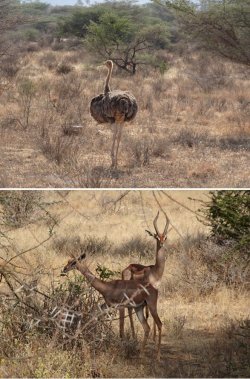
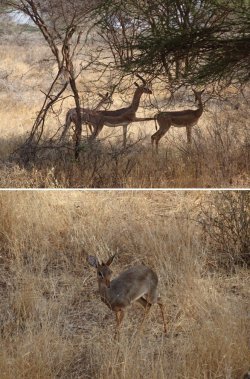
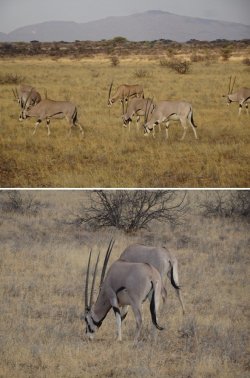
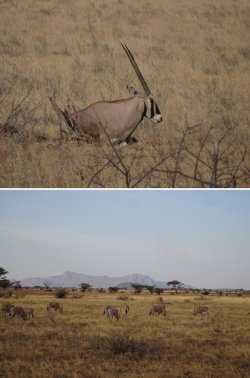
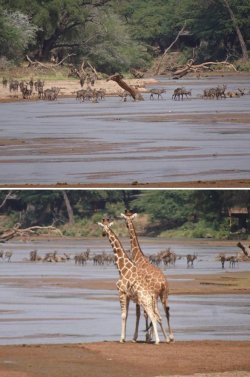
Samburu National Reserve is a 165-square-kilometer protected wildlife area located on the banks of the Ewaso Ng'iro River in northern Kenya. It’s noted for the ‘Samburu Special Five’: rare northern species adapted to the semi-arid climate, including the Grevy’s zebra, reticulated giraffe, Somali ostrich, gerenuk (giraffe antelope), and Beisa oryx. Also, elephants, lions, leopards, cheetahs, and hippos along the riverbanks.

Plenty of action on our afternoon and morning game drives.

Snip 113.jpgSnip 114.jpgSnip 115.jpgSnip 116.jpgSnip 117.jpg

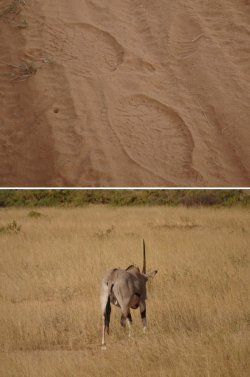
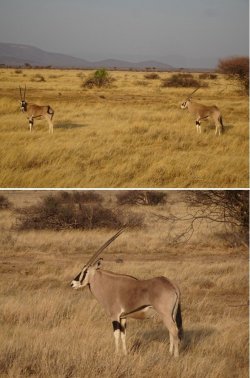
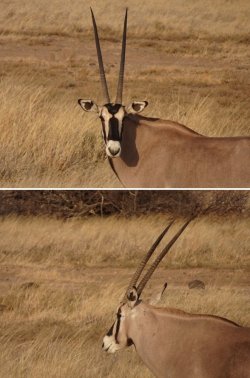
Elephant footprints and one-horned oryx.

Snip 118.jpgSnip 119.jpg

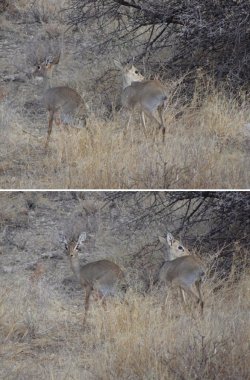
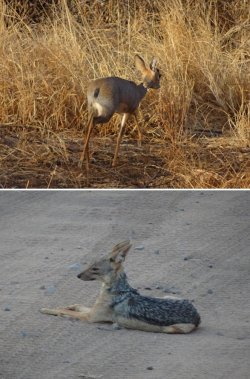
Dik-diks. Very endearing and they became real group favourites. They mate for life. If one dies or is killed, the other tends to fret to death or surrender to predators.

Snip 120.jpg

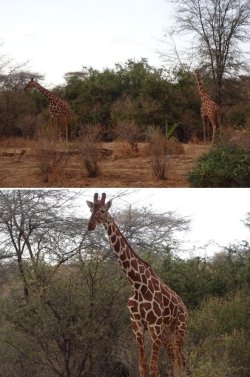
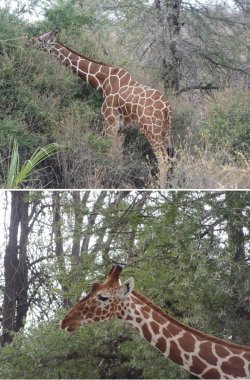
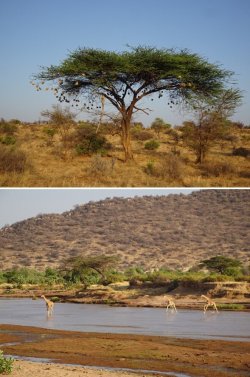
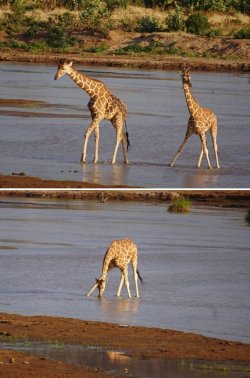
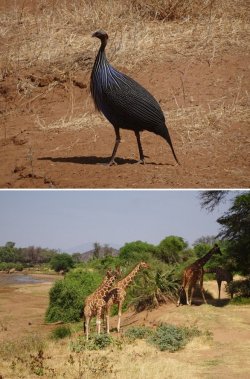
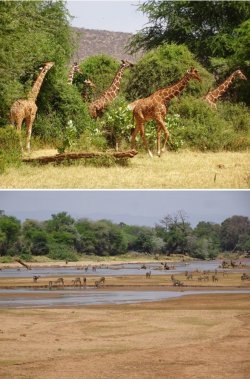
Reticulated giraffe.

Snip 121.jpgSnip 122.jpg

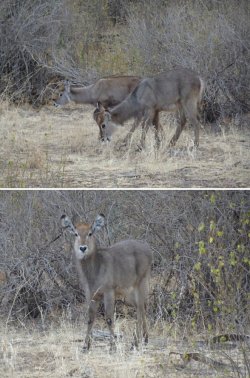
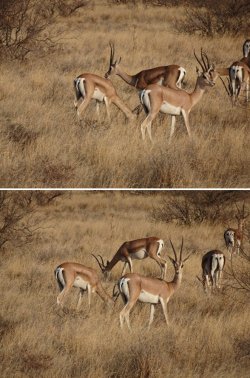
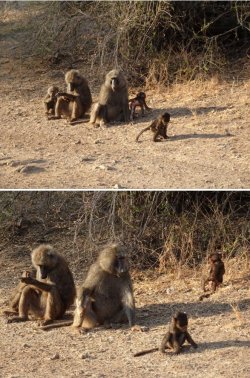
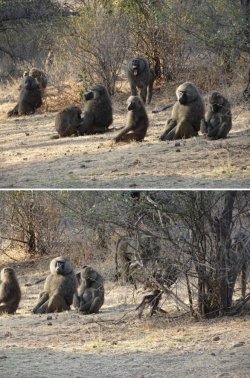
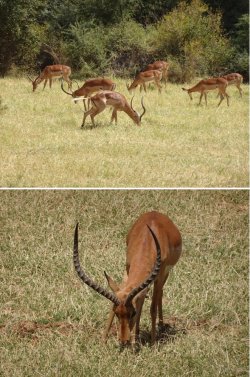
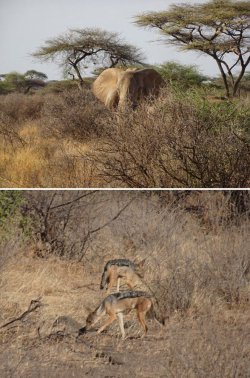
Waterbuck, another dik-dik, black-backed jackal, oryx, Grant’s gazelle, baboons.

Snip 123.jpgSnip 124.jpgSnip 125.jpgSnip 126.jpgSnip 127.jpgSnip 128.jpgSnip 129.jpg
 
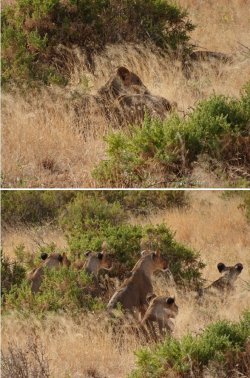
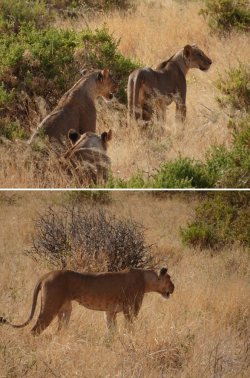
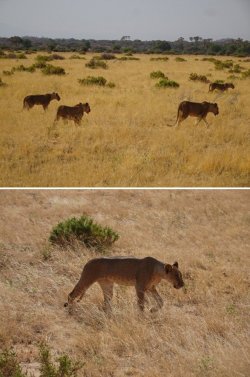
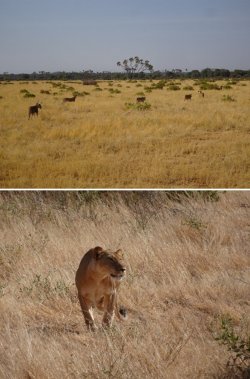
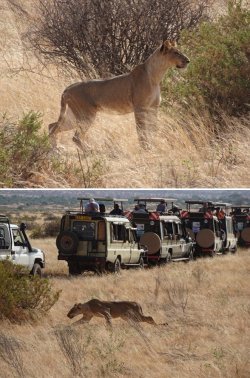
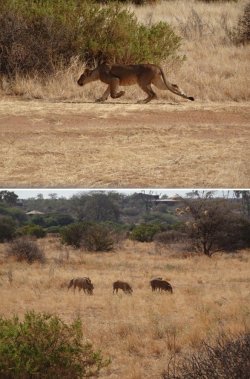
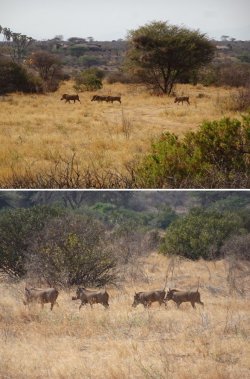
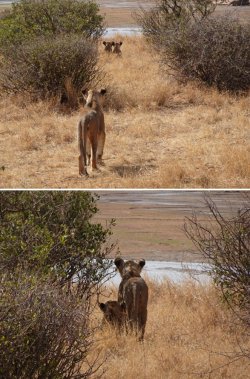
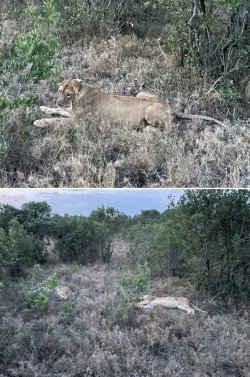
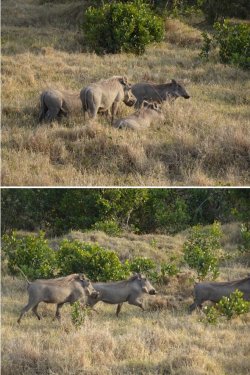
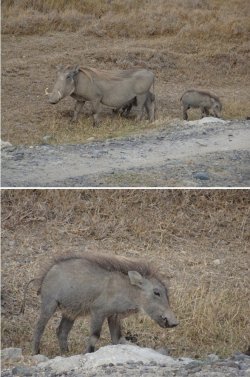
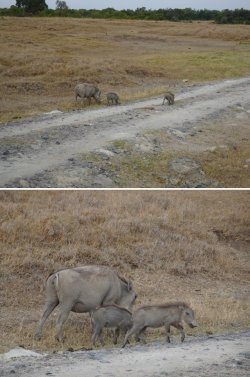
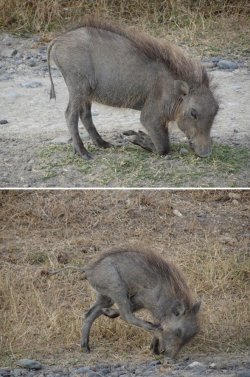
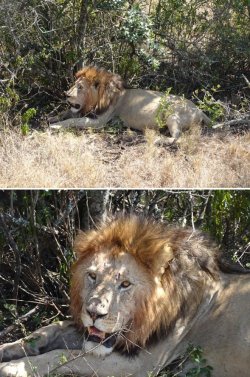
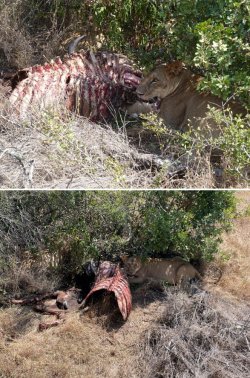
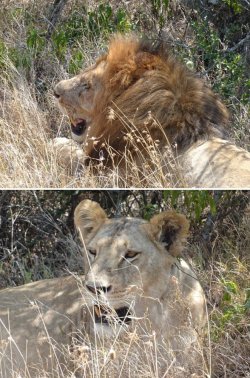
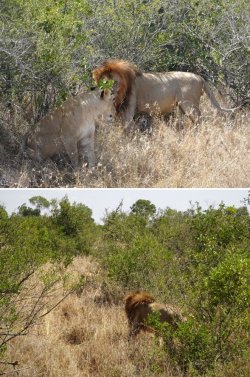
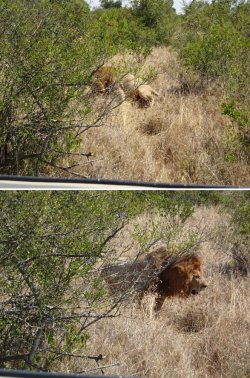
Next morning, we watched a group resting lions for quite some time before they spotted a group of warthogs and set out towards them. Initially quite casually, then a flanking strategy developed as they fanned out – while ignoring all the safari vehicles. But it was never hyper-enthusiastic. It seemed opportunistic. If they could do it easily, OK, but they did not appear to be so hungry that it was imperative. Interesting to watch, nevertheless.

Snip 130.jpgSnip 131.jpgSnip 132.jpgSnip 133.jpgSnip 134.jpgSnip 135.jpg

The warthogs are off. As soon as they start to run, their tails go vertical.

Snip 136.jpg

So the lions went sightseeing instead.

Snip 137.jpg
 
Vulturine guineafowl.

Snip 150.jpgSnip 151.jpg

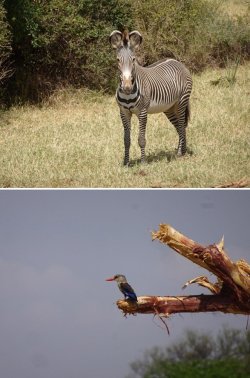
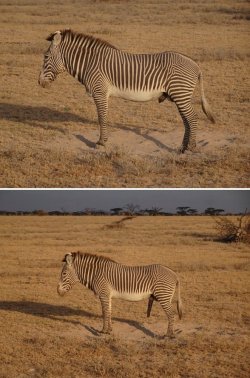
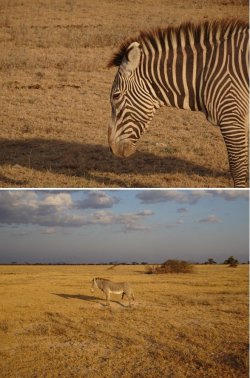
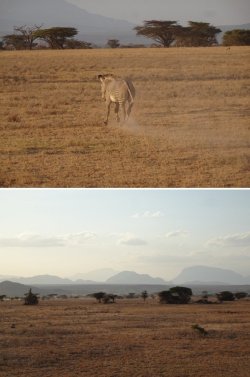
Grevy's zebra

Snip 152.jpgSnip 153.jpgSnip 154.jpgSnip 155.jpgSnip 156.jpgSnip 157.jpgSnip 158.jpgSnip 159.jpg

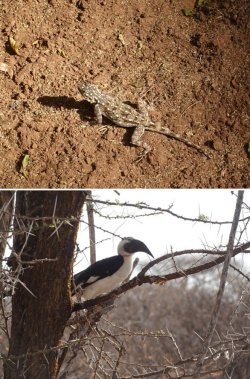
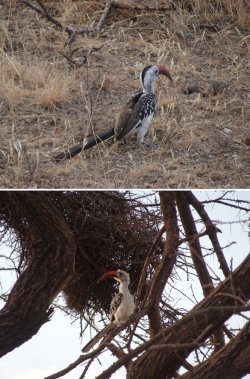
Hornbill.

Snip 160.jpg

This solitary zebra caused much mirth. We stopped close to him, and he appeared to be asleep or in some sort of trance on his feet, while obviously having some enjoyable dreams. After watching him for some time, he suddenly woke with a start or snapped out of his reverie, must have seen us, and immediately bolted with loud braying.

Snip 161.jpgSnip 162.jpgSnip 163.jpg

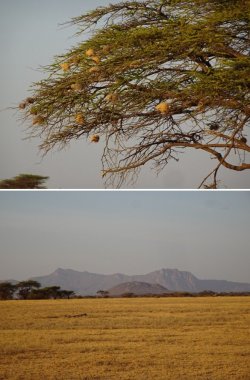
Weaver bird nests.

Snip 164.jpg
 
Elevate your business spending to first-class rewards! Sign up today with code AFF10 and process over $10,000 in business expenses within your first 30 days to unlock 10,000 Bonus PayRewards Points.
Join 30,000+ savvy business owners who:

✅ Pay suppliers who don’t accept Amex
✅ Max out credit card rewards—even on government payments
✅ Earn & transfer PayRewards Points to 10+ airline & hotel partners

Start earning today!
- Pay suppliers who don’t take Amex
- Max out credit card rewards—even on government payments
- Earn & Transfer PayRewards Points to 8+ top airline & hotel partners

AFF Supporters can remove this and all advertisements

Back to the lodge for breakfast and then on the road again. Next destination Ol Pejeta Conservancy (Ol Pejeta Conservancy - Wikipedia).

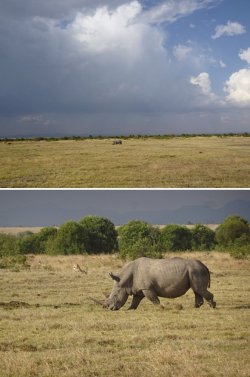
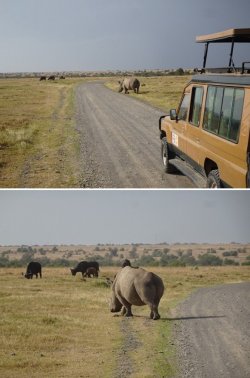
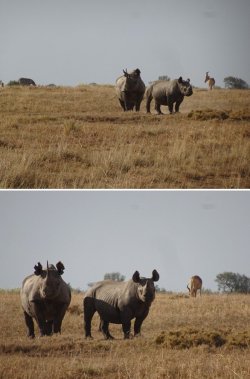
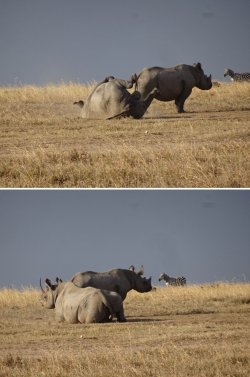
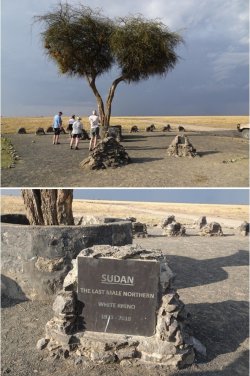
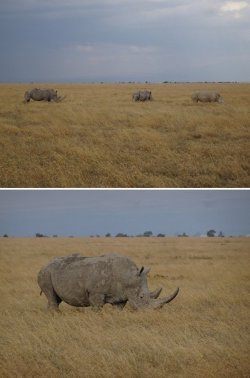
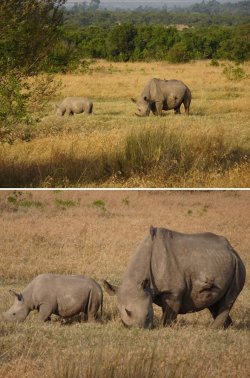
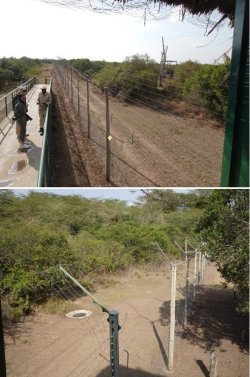
It is the largest black rhinoceros sanctuary in East Africa, and home to the two last northern white rhinos in captivity. It also has a chimpanzee sanctuary for orphaned, abandoned and rescued chimpanzees.

The journey was a backtrack about half the distance we had travelled two days before.

Snip 172.jpg

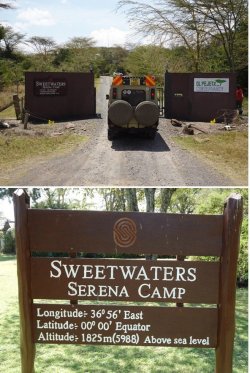
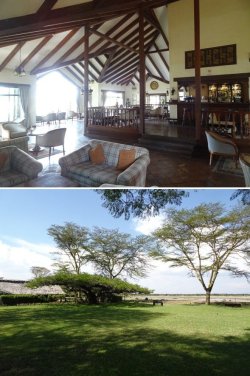
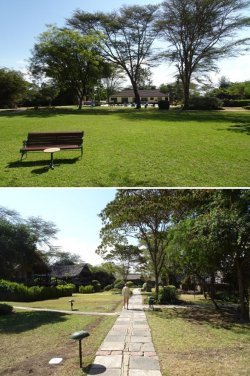
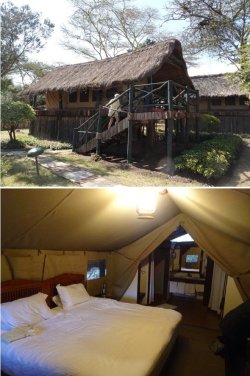
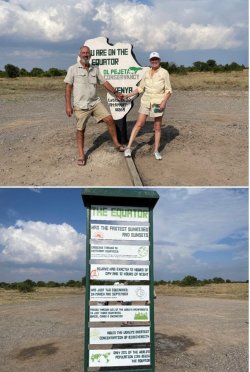
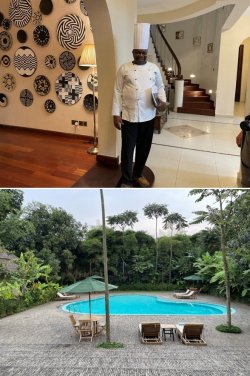
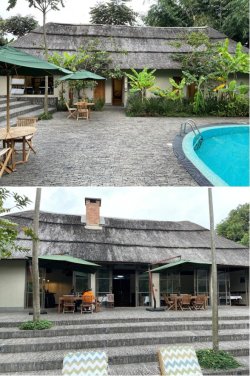
Our accommodation for the next two nights, right on the equator:

Snip 173.jpgSnip 174.jpgSnip 175.jpgSnip 176.jpgSnip 177.jpgSnip 178.jpgSnip 179.jpgSnip 180.jpg

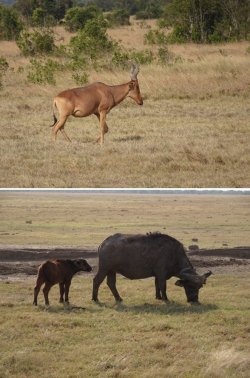
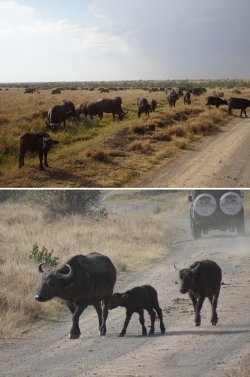
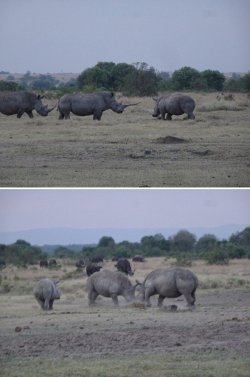
Hartebeest and buffalo.

Snip 181.jpgSnip 182.jpgSnip 183.jpgSnip 184.jpg
 
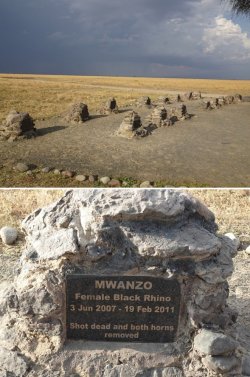
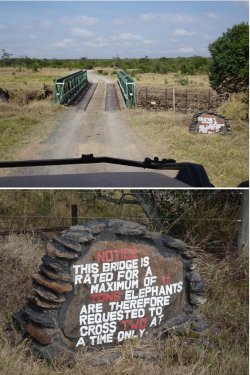
Memorial for poached and dead rhinos.

Snip 185.jpg

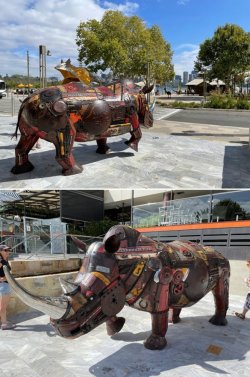
Many people in Perth would be familiar with this Jordan Sprigg sculpture commemorating ‘Sudan’ (White Rhino- Metal Art Sculpture — Jordan Sprigg Sculptures), located on the South Perth Swan River foreshore.

Snip 186.jpgSnip 187.jpg

You do not want to see any more similar epitaphs on the string of memorials. Heartbreaking.

On a brighter note.

Snip 188.jpgSnip 189.jpgSnip 190.jpgSnip 191.jpgSnip 192.jpgSnip 193.jpgSnip 194.jpg
 
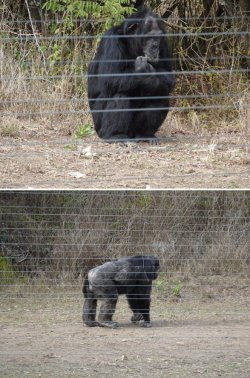
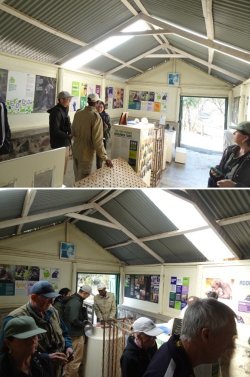
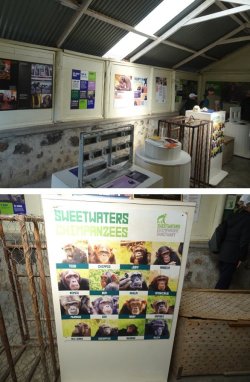
Then to the Sweetwaters Chimpanzee Sanctuary. It’s the only place in Kenya that houses and cares for rescued chimpanzees. Chimpanzees are not native to Kenya, their natural distribution being primarily tropical forests of equatorial West and Central Africa.

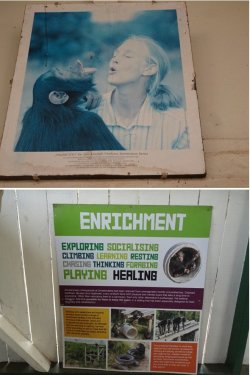
The sanctuary was created when a rescue centre in Burundi had to close because of the 1993 civil war. It was founded under an agreement between the Ol Pejeta Conservancy, the Kenya Wildlife Service and the Jane Goodall Institute (Sweetwaters Chimpanzee Sanctuary: 2026/2027 Visitor Guide, CHIMPANZEES - Ol Pejeta Conservancy).

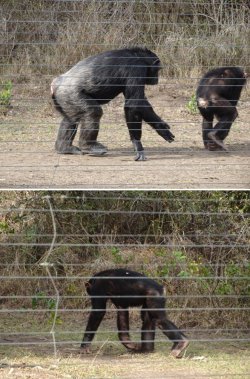
In many ways it was distressing. The rescued chimps were all traumatised and carrying the emotional scars from conflict zones or other forms of maltreatment. But they are trying to save the animals, rehabilitate them and raise awareness at this centre.

Snip 206.jpgSnip 207.jpgSnip 208.jpgSnip 209.jpgSnip 210.jpgSnip 211.jpgSnip 212.jpg

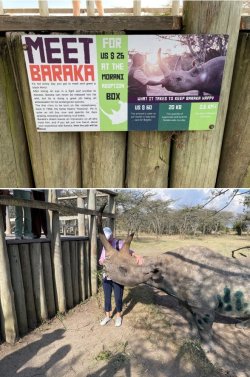
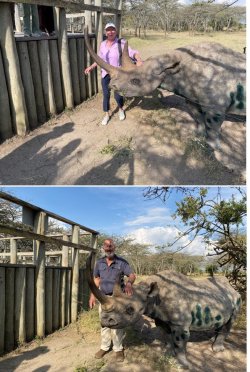
We then went to see Baraka, the 31-year-old blind black rhino. That was on 1 August. We found out later that he died of old age on 16 August.

Snip 213.jpgSnip 214.jpg

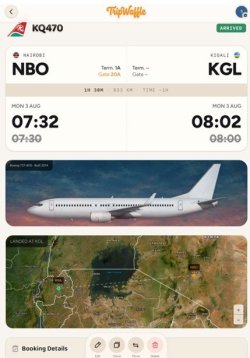
Next day, we returned to Nairobi, bringing to an end the Northern Circuit safari. We stayed at the Four Points by Sheraton, NBO and prepard for an early flight to Kigali, Rwanda the following morning. It was to be the first of four stays at the Four Points as we came and went through NBO over the next several weeks.

Snip 215.jpg
 
Snip 216.jpg

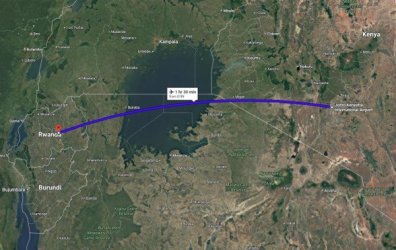
TripWaffle didn’t pick up the actual flight path on this one.

Snip 217.jpg

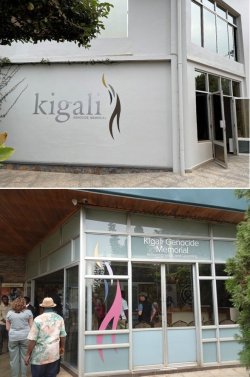
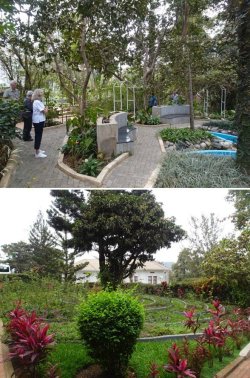
The first stop after arrival in Kigali was the Kigali Genocide Memorial (A place of remembrance & learning - Kigali Genocide Memorial).

The memorial commemorates the 1994 Rwandan genocide, but it is more than just that. It is also a centre for educating people about genocidal events in other parts of the world and campaigning to stop them.

The remains of over 250,000 people are interred there. There is a visitor centre for students and others wishing to understand the events leading up to the Rwanda genocide against the Tutsi in 1994. The Centre is a permanent memorial to those who fell victim to the genocide and serves as a place where the bereaved could bury their family and friends. The Centre is managed and run by the Aegis Trust on behalf of the National Commission for the Fight Against Genocide.

The Aegis Trust, founded in 2000, is a British NGO which campaigns to prevent genocide worldwide. Based at the United Kingdom's Holocaust Centre, which opened in 1995, the Aegis Trust coordinates the UK Genocide Prevention All-Party Parliamentary Group, funds the Genocide Prevention Group (Canada) and is responsible for the Kigali Genocide Memorial Centre which is central to education of a new generation about the dangers of ethnic division.

Photography is not permitted inside.

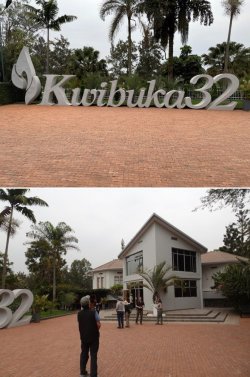
‘Kwibuka’ means ‘To remember’. It is now 32 years since the genocide. The number is updated each year.

Snip 218.jpgSnip 219.jpgSnip 220.jpg

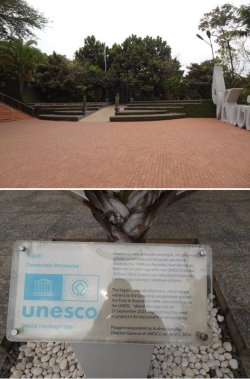
Mass graves underneath.

Snip 221.jpgSnip 222.jpg
 
Reflecting on the genocide memorial visit.

While it was confronting and sobering, perhaps strangely it was not morbid. Nor was it accusative.

My initial feeling is that I did not want to go there. Back in 2013, we were scheduled to visit it but for reasons that were not given, our schedule failed to take it in. I remember thinking at the time that I was not disappointed. Probably why I didn’t query the variation from the schedule.

But I was glad that we went this time. It was informative about the complex history and sobering as to the immediate effects but also uplifting in how with concerted effort these sorts of horrific situations can be overcome and learned from to hopefully not happen again. That legacy seemed a positive.

It is easy to Google the detailed - and complex - history, but what I understand in a nutshell is that once the victimised Tutsis eventually came to power the mantra was ‘No revenge’ – otherwise the madness would go on forever. The focus was on healing.

Not easy, but thankfully it seems to have worked.

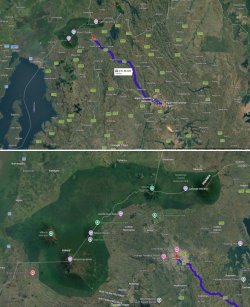
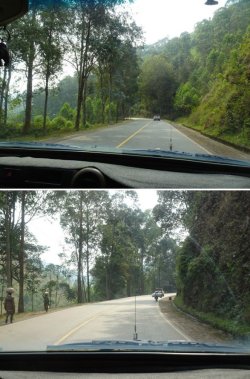
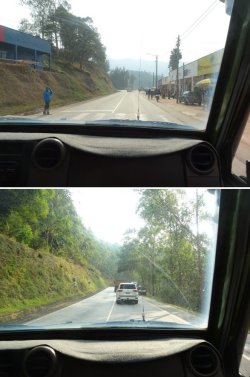
We then set out towards Volcanoes National Park to stay in Musanze overnight before our gorilla trek the following day.

Snip 223.jpg

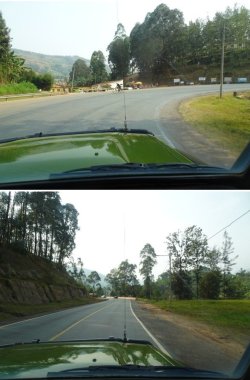
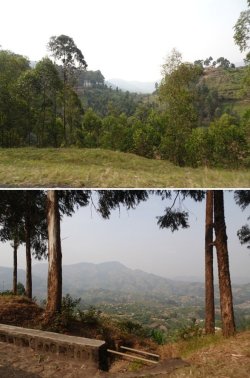
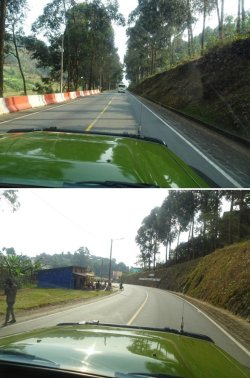
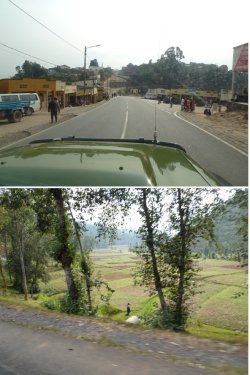
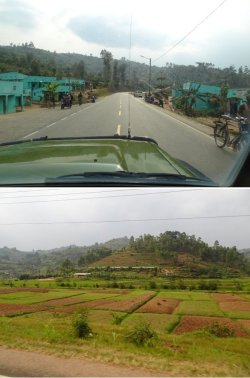
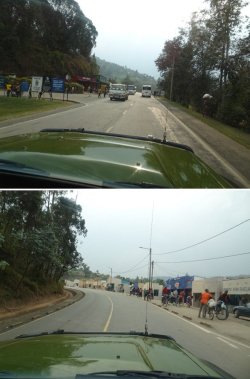
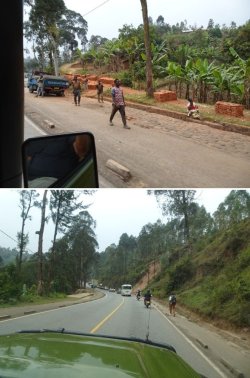
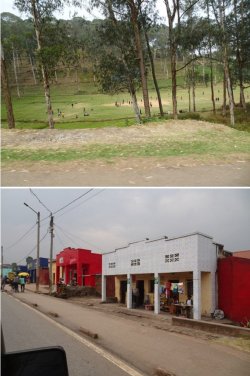
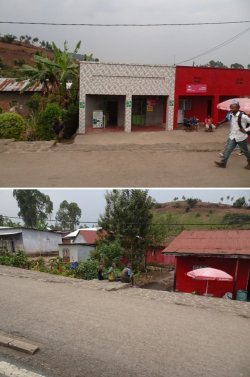
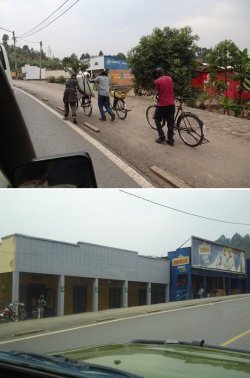
For anyone who hasn’t visited Rwanda, no matter how much one might say to them “Put your preconceptions away; it is the most amazing and wonderful country.”, it is not until you go there and experience it for yourself that you realise just how true that is.

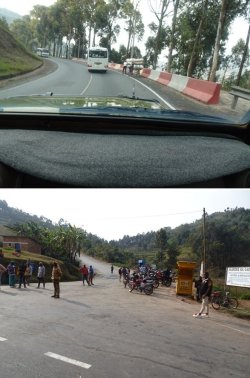
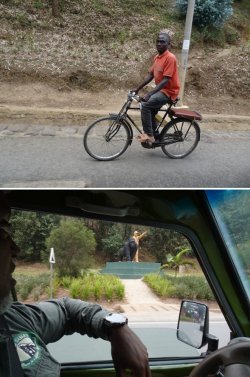
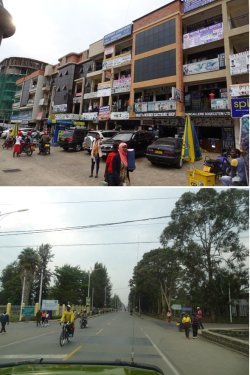
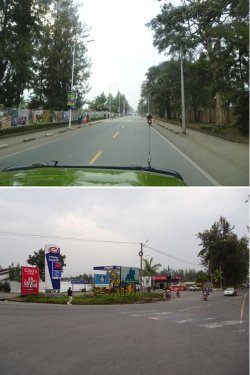
The thing that immediately stands out is that everywhere is spotlessly clean and neat. It puts Australia and really the rest of the world to shame. There is simply no litter – city and country. Plastic bags have been banned for years (I first went in 2013 and they were long banned even then). But people just simply do not drop stuff on the ground. Monthly nationwide cleanup days are now basically superfluous, so they just become an excuse to have a street party.
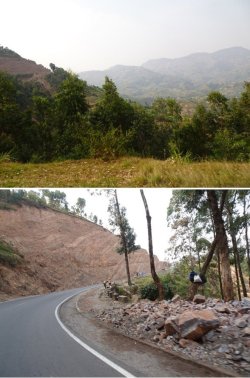
I only saw two places with razor wire: the US and UK embassy walls. Roiads are good. The street kerbs in cities and towns are neatly painted alternating black and white and streets and paths are kept swept. The people are happy and friendly as they bustle about their business. The economy appears to be thriving. It is truly a revelation.
Snip 224.jpgSnip 225.jpgSnip 226.jpgSnip 227.jpgSnip 228.jpgSnip 229.jpgSnip 230.jpgSnip 231.jpgSnip 232.jpgSnip 233.jpgSnip 234.jpgSnip 235.jpgSnip 236.jpgSnip 237.jpgSnip 238.jpgSnip 239.jpgSnip 240.jpg
 

Become an AFF member!

Join Australian Frequent Flyer (AFF) for free and unlock insider tips, exclusive deals, and global meetups with 65,000+ frequent flyers.

AFF members can also access our Frequent Flyer Training courses, and upgrade to Fast-track your way to expert traveller status and unlock even more exclusive discounts!

AFF forum abbreviations

Wondering about Y, J or any of the other abbreviations used on our forum?

Check out our guide to common AFF acronyms & abbreviations.
Back
Top