




An Africa odyssey

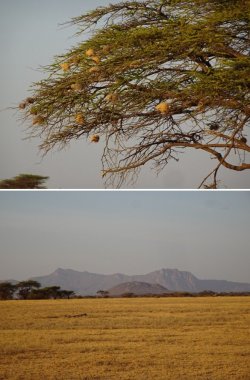
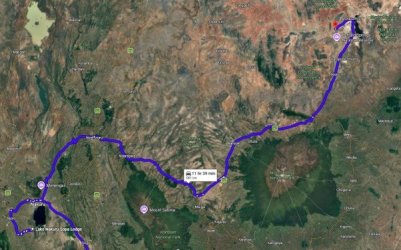
A long drive the next day to Samburu National Reserve which took in a major change of habitat as we drove up over the lush highlands and down to the more arid plains. Mt Kenya was obscured by cloud.

Generally, the main roads are good, but progress is slowed by a plethora of speed bumps, so it makes it tiring for the driver.
Snip 102.jpg

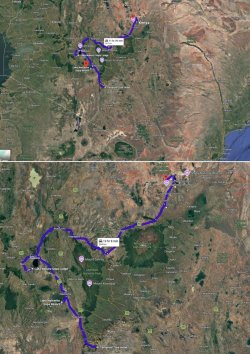
Total safari progress so far:

Snip 103.jpgSnip 104.jpg

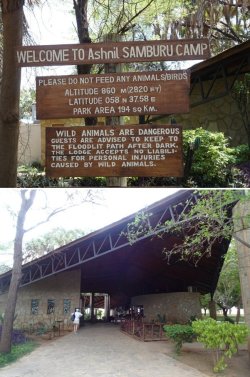
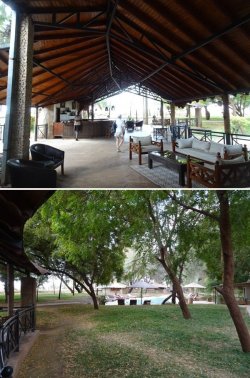
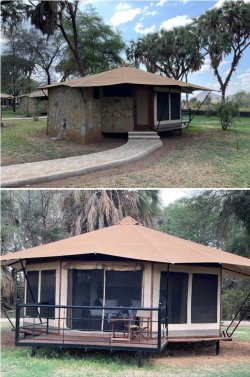
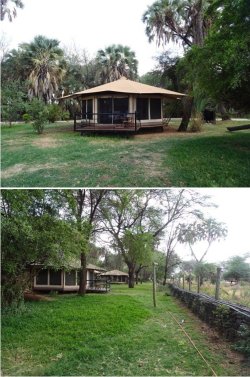
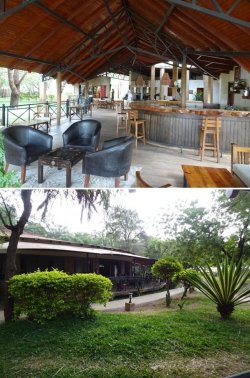
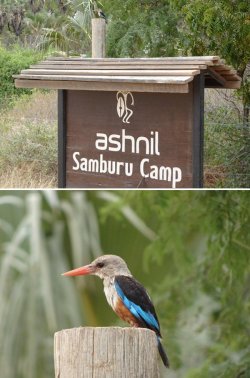
Our lodge for the next two nights.
Snip 105.jpgSnip 106.jpgSnip 107.jpgSnip 108.jpgSnip 109.jpgSnip 110.jpg

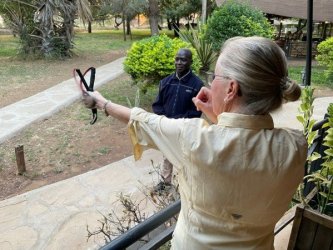
As visitors to game lodges in Africa would know, it is often necessary for a member of staff to be patrolling in the nearby gardens whenever food is being served, armed with a shanghai (more often ging in WA parlance) to discourage baboons and monkeys. PJM trying her hand.
Snip 111.jpgSnip 112.jpg
 
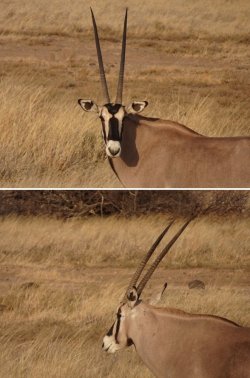
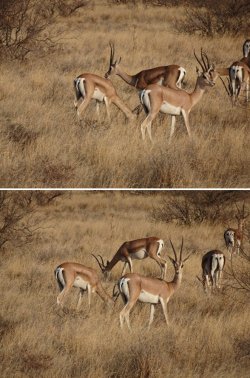
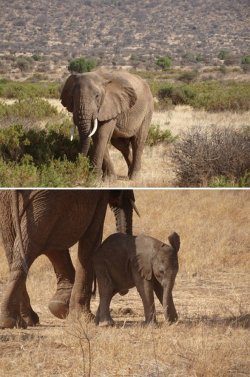
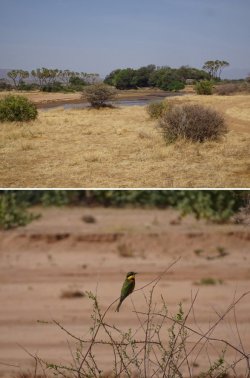
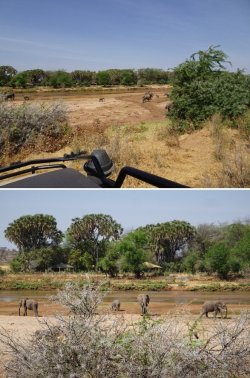
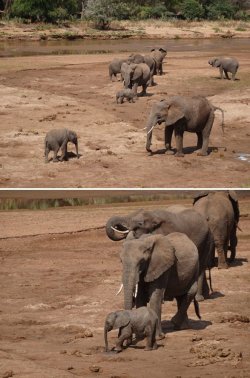
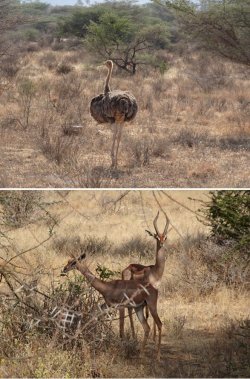
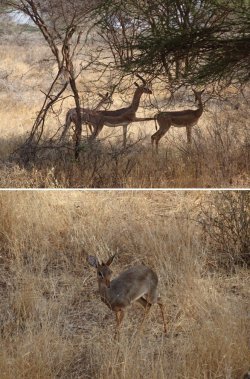
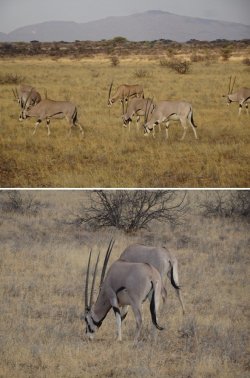
Samburu National Reserve is a 165-square-kilometer protected wildlife area located on the banks of the Ewaso Ng'iro River in northern Kenya. It’s noted for the ‘Samburu Special Five’: rare northern species adapted to the semi-arid climate, including the Grevy’s zebra, reticulated giraffe, Somali ostrich, gerenuk (giraffe antelope), and Beisa oryx. Also, elephants, lions, leopards, cheetahs, and hippos along the riverbanks.

Plenty of action on our afternoon and morning game drives.

Snip 113.jpgSnip 114.jpgSnip 115.jpgSnip 116.jpgSnip 117.jpg

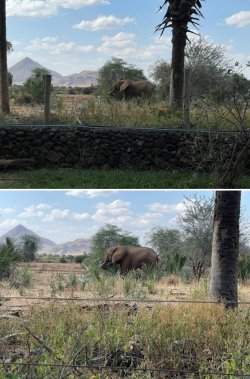
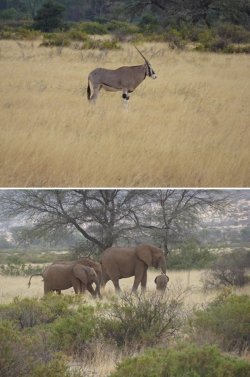
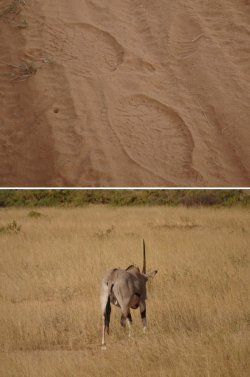
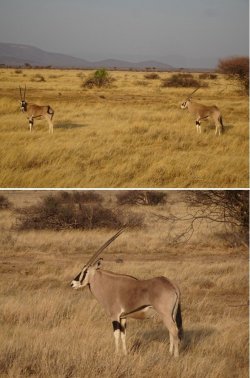
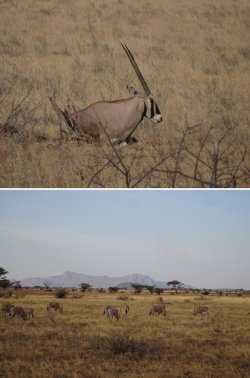
Elephant footprints and one-horned oryx.

Snip 118.jpgSnip 119.jpg

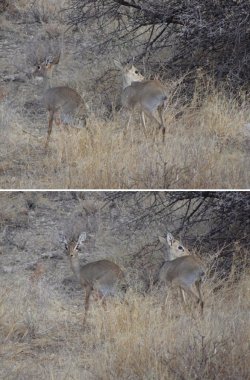
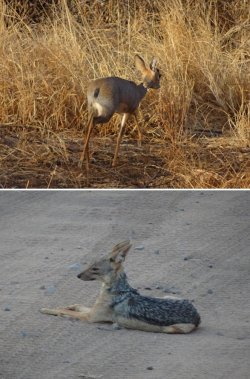
Dik-diks. Very endearing and they became real group favourites. They mate for life. If one dies or is killed, the other tends to fret to death or surrender to predators.

Snip 120.jpg

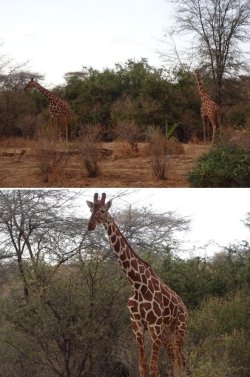
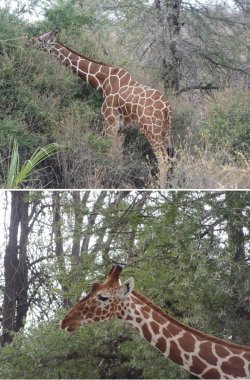
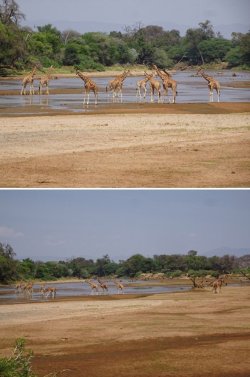
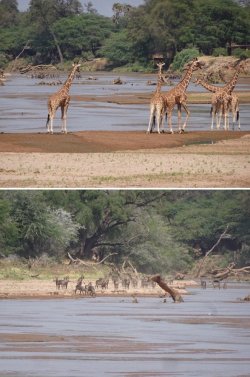
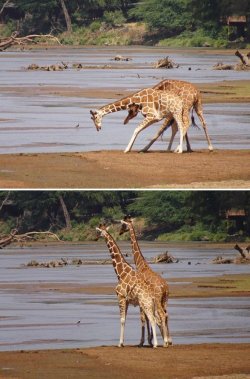
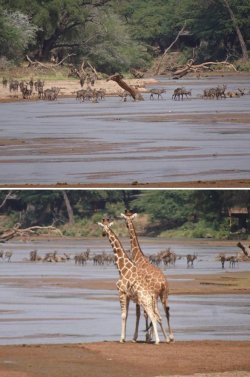
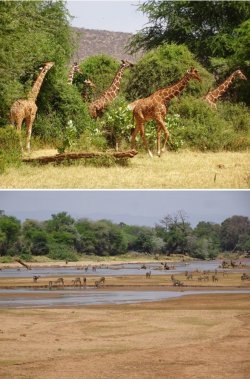
Reticulated giraffe.

Snip 121.jpgSnip 122.jpg

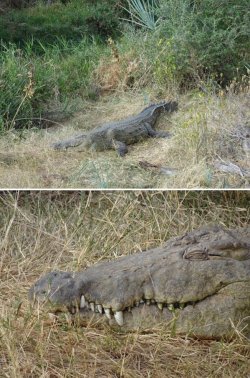
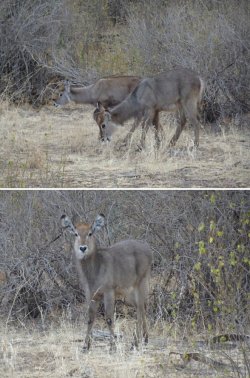
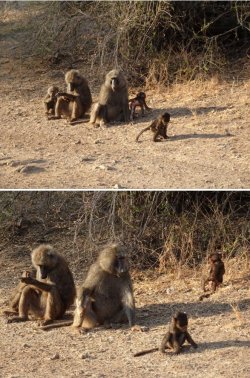
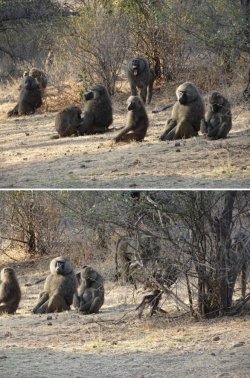
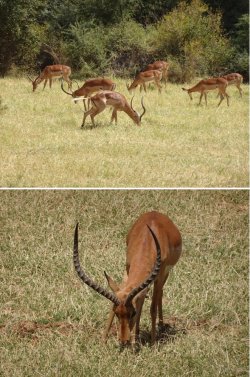
Waterbuck, another dik-dik, black-backed jackal, oryx, Grant’s gazelle, baboons.

Snip 123.jpgSnip 124.jpgSnip 125.jpgSnip 126.jpgSnip 127.jpgSnip 128.jpgSnip 129.jpg
 
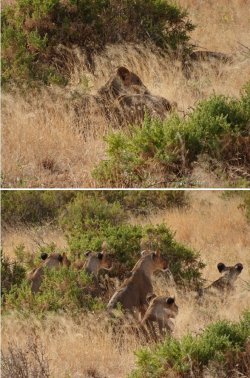
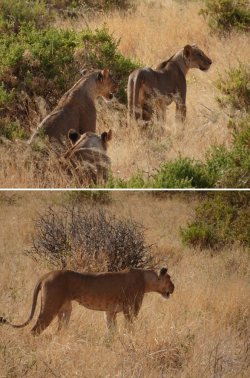
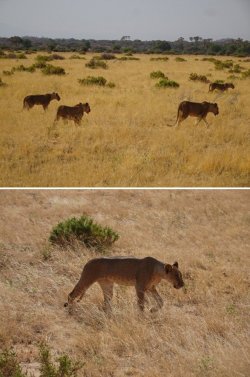
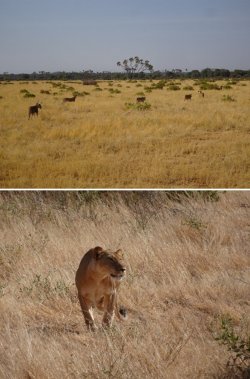
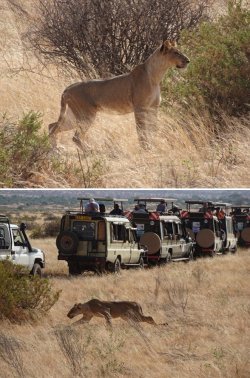
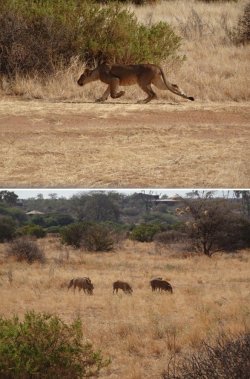
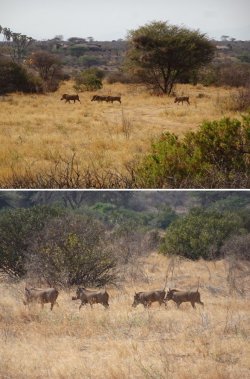
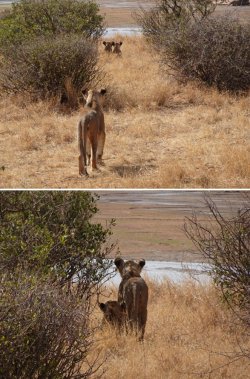
Next morning, we watched a group resting lions for quite some time before they spotted a group of warthogs and set out towards them. Initially quite casually, then a flanking strategy developed as they fanned out – while ignoring all the safari vehicles. But it was never hyper-enthusiastic. It seemed opportunistic. If they could do it easily, OK, but they did not appear to be so hungry that it was imperative. Interesting to watch, nevertheless.

Snip 130.jpgSnip 131.jpgSnip 132.jpgSnip 133.jpgSnip 134.jpgSnip 135.jpg

The warthogs are off. As soon as they start to run, their tails go vertical.

Snip 136.jpg

So the lions went sightseeing instead.
Snip 137.jpg
 
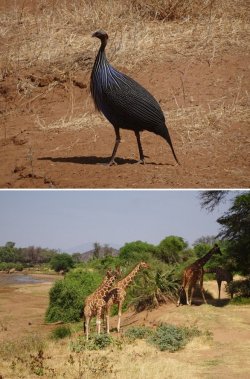
Vulturine guineafowl.
Snip 150.jpgSnip 151.jpg

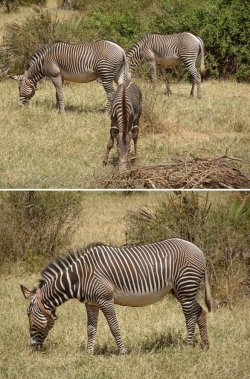
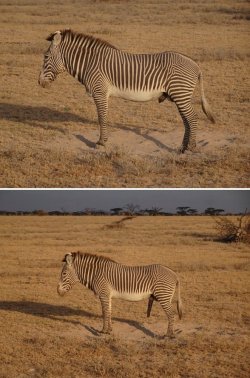
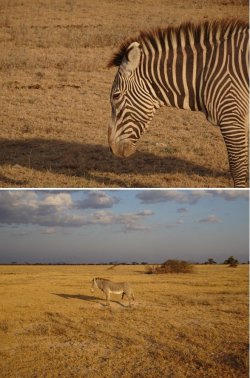
Grevy's zebra

Snip 152.jpgSnip 153.jpgSnip 154.jpgSnip 155.jpgSnip 156.jpgSnip 157.jpgSnip 158.jpgSnip 159.jpg

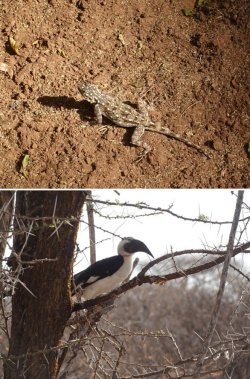
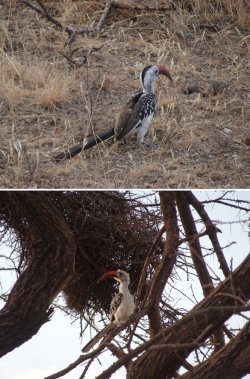
Hornbill.

Snip 160.jpg

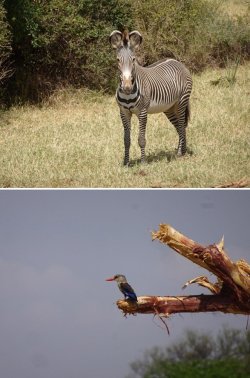
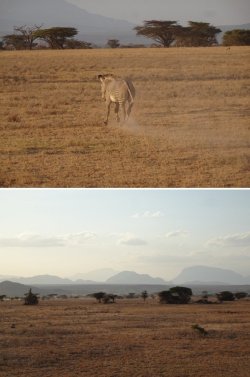
This solitary zebra caused much mirth. We stopped close to him, and he appeared to be asleep or in some sort of trance on his feet, while obviously having some enjoyable dreams. After watching him for some time, he suddenly woke with a start or snapped out of his reverie, must have seen us, and immediately bolted with loud braying.

Snip 161.jpgSnip 162.jpgSnip 163.jpg

Weaver bird nests.

Snip 164.jpg
 
Read our AFF credit card guides and start earning more points now.

AFF Supporters can remove this and all advertisements

If PJM really wanted to see a giraffe early on and saw one on the first day, at what point did she become blasé about them? Day 2? 😊
 

Become an AFF member!

Join Australian Frequent Flyer (AFF) for free and unlock insider tips, exclusive deals, and global meetups with 65,000+ frequent flyers.

AFF members can also access our Frequent Flyer Training courses, and upgrade to Fast-track your way to expert traveller status and unlock even more exclusive discounts!

AFF forum abbreviations

Wondering about Y, J or any of the other abbreviations used on our forum?

Check out our guide to common AFF acronyms & abbreviations.
Back
Top