We then had to walk past the Jardin where the next timed entry tickets were waiting. The lineup in the street was huge, we'd walked straight in. I think with such crowds the atmosphere would have disappeared.
We then ventured further into the main part of the city. All of us were keen to get lost in the fascinating bazaars we passed on the way to the Palace but one of the main issues of tours is that this is verboten. Hurry hurry or in the case of Morocco - yallah yallah. Our task was to see the Palace.
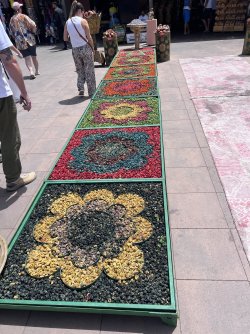
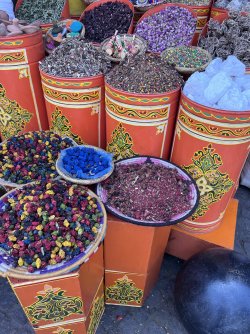
The Bahia Palace was built in the late 1800s by the Grand Vizier, who clearly wasn’t into doing things by halves. It was designed to show off wealth and power, with beautiful courtyards, carved cedar ceilings, colourful tiles and peaceful gardens tucked away from the chaos outside.
The name Bahia means “brilliance” or “beauty”. Depending on which story you believe, it was named after the Grand Vizier’s favourite – and reportedly fourth – wife, Bahia. Whether that’s completely true or not seems to be debated, but it’s certainly the story our guide to,d
These days it’s one of Marrakech’s most visited places. We wandered through room after room thinking, “I’d hate to be the one dusting all this,” while admiring the incredible craftsmanship that has somehow survived for well over a century.
I think by now I was getting palaced out. I didn't take many photos. It wasn't my main game in Marrakech.
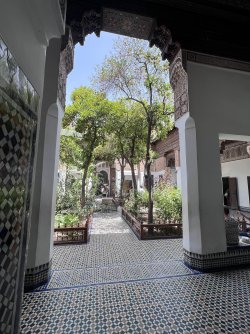
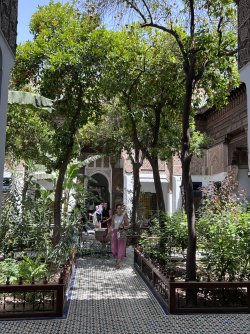
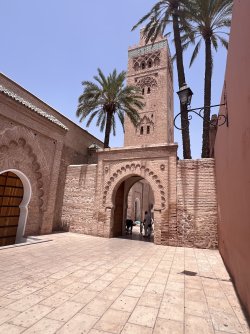
We left the palace early as much of it is under renovation after a major earthquake a couple of years ago. We walked for some time thinking - are we getting to the main square where all the fun was. The guide was yallahing a lot right now but as we were at the back three of us got stuck behind a van unloading stuff. He was heading forth and didn't realise we weren't tailing him. We eventually caught up. We turned a final corner expecting to see snakes and shops and spices to buy - but no, we were walking to our van again.







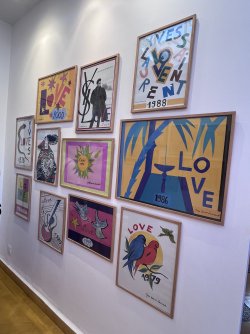
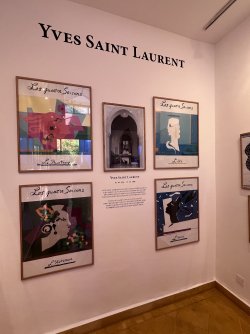
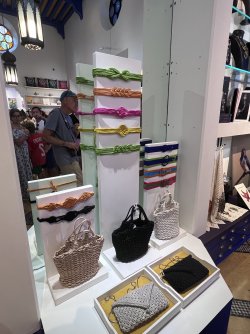
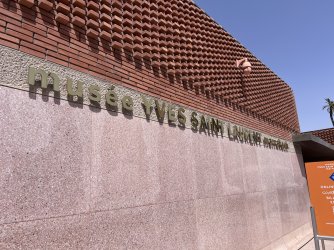
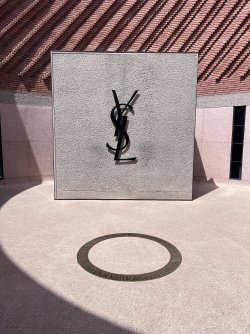
 . The musee was huge, as such things are, but space. The first auditorium was a history of YSL. I had no idea his background started in theatrical productions, then movie but the requirements for theatre have greatly influenced his modern fashion design.
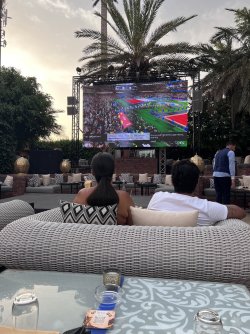

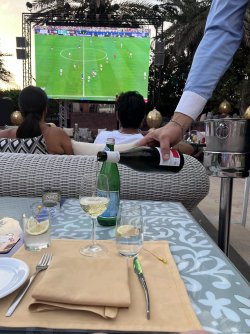

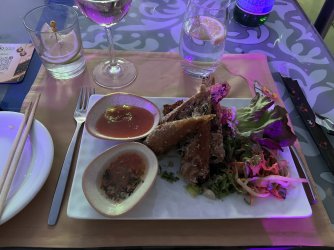




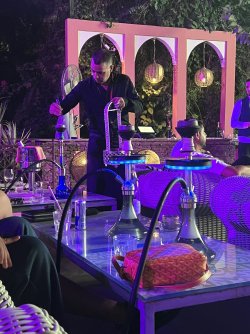
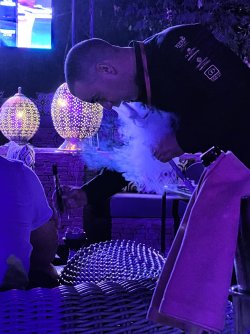
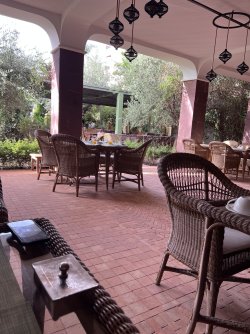
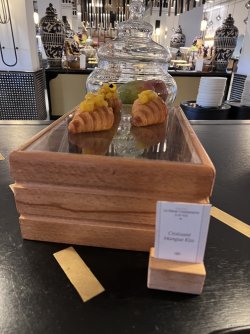
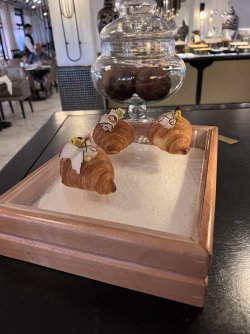
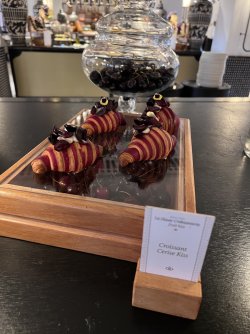
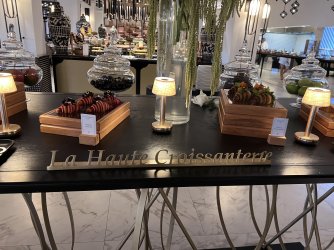
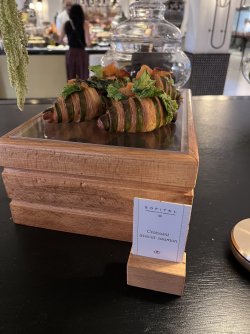
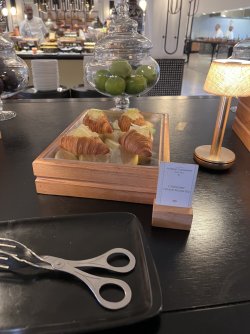
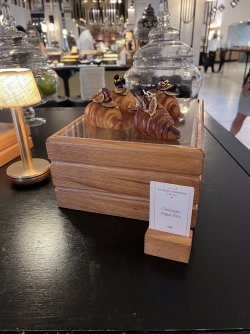
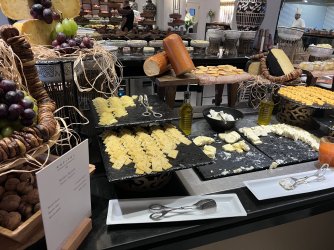
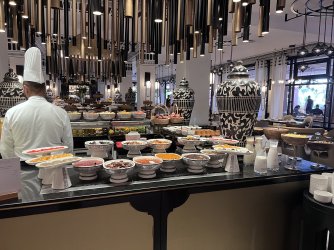
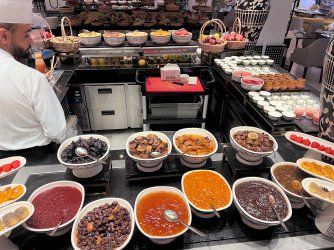
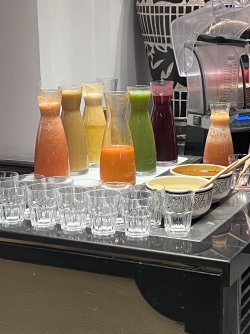
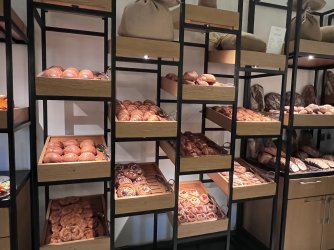
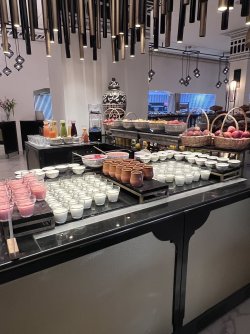
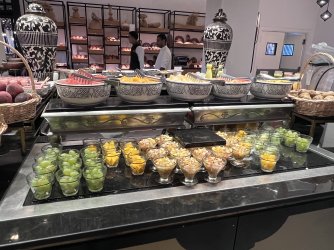
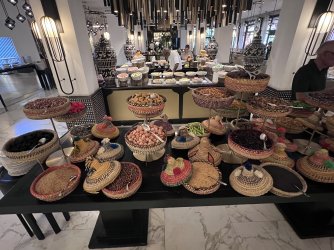
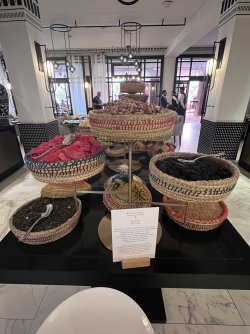
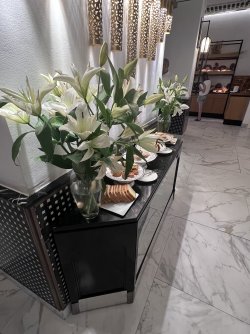
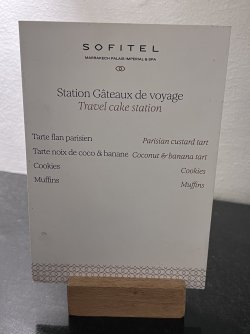
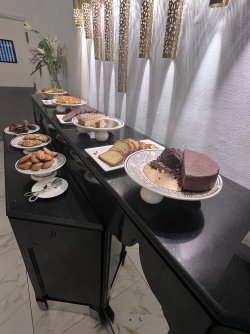
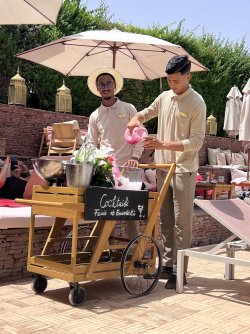
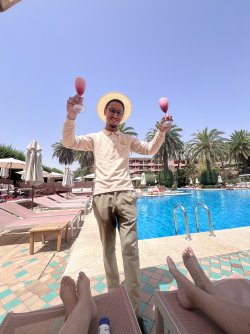
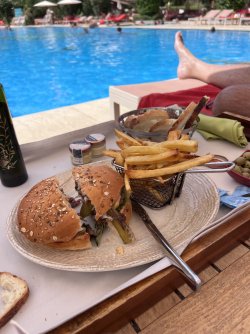
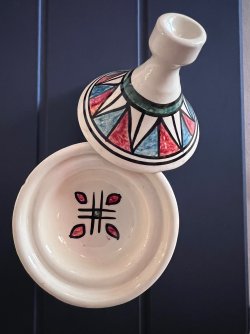
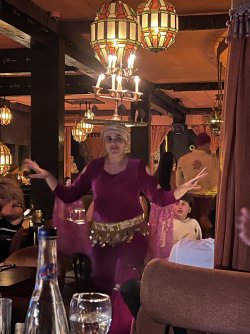
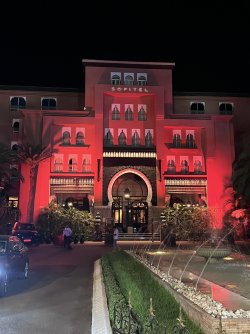


 . We had booked the Club level so that helped. But there are 320 rooms and husband counted the number of chairs available around the pool and let's say they serviced about 1/10 of the rooms and were all gone 'at dawn'. Of course there are plenty at the beach but - it's trade wind season. So windy. Our friends stay here year after year and won't go anywhere else. They love it. We had to continually book if we wanted to eat at a restaurant for dinner. They would turn people away if they hadn't booked even though we could see spare tables that we not filled (we were eating there at the time). It was very clean. The gardens at the rear of the club were beautiful but most don't likely know they are there, not that there are any seats there or anything. The club was good. Some nice food. Coffee available all day but not tea or soft drinks. The breakfasts were good. We also ate at the main breakfast bar and it was mayhem.