




India Diaries: Middle India, In Search of Nothing

somebol

Active Member
Joined
Mar 6, 2008
Posts
634
Virgin
Platinum
Today we’re heading north for a short circuit through middle India, with a neat mix of forts, palace hotels, and temples. The kids are staying home, which means we’ll be travelling lighter, moving faster, and only negotiating with ourselves for once. This is either going to be wonderfully efficient, or we’ll discover that we were the ones who needed supervision all along.

The plan
Day 1 starts with HYD to DEL on Air India, followed by dinner with my sister and a night at the Taj Palace hotel.
Day 2 is an early morning run to Jhansi on the new Vande Bharat train, then a day exploring before checking into the Lemon Tree hotel.
Day 3 is Orchha, and then an evening train onward to Gwalior, where we’ll be staying at the Taj Usha Kiran Palace.
Days 4 and 5 are for exploring Gwalior, before we fly back Gwalior to Delhi to Hyderabad on IndiGo. We also get to try their new Stretch product on DEL to HYD.

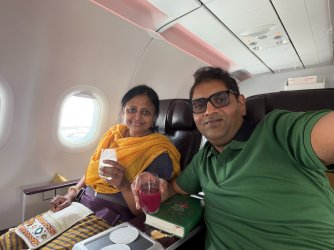
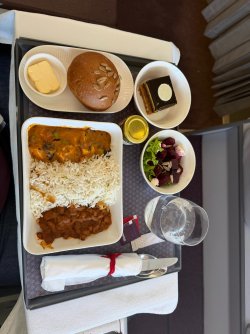
Confession time: I have what I describe as “class envy” the inherent need to fly the highest class available, regardless of whether the flight is long enough to finish a movie. Our HYD to DEL flight was booked in premium economy, but the plan was always to upgrade to business if possible. Initially the upgrade cost was ₹12K per person, which the rational part of my brain refused to pay.

This morning (day of departure), the upgrade dropped to ₹6K per person, which I accepted immediately, with the calm restraint of someone making a deeply considered decision. Yes, it’s only domestic business. But it keeps the class envy at bay, and more importantly it prevents me from spending the rest of the flight doing mental math about “what if we had upgraded.”

The fun starts in a couple of hours when we head to the airport… to buy jackets. We are heading to north India in January with the serene confidence of people who have entirely forgotten that weather exists.

So before forts, palaces, and heroic history, we’ll be doing our first cultural activity of the trip: panic-shopping winterwear at airport prices, under fluorescent lighting, while insisting to each other that this was “the plan all along.”
 
I got to be a fan of Lemon Tree hotels when I was visiting, especially after their discount for signing up to their program.
 
Day 1

The whole HYD–DEL leg was seamless. The entire airport experience was a breeze thanks to DigiYatra, a government app that uses facial recognition at entry, security, and boarding. Once you’ve linked your boarding pass to the app, you mostly stop needing it. You just present your face at the appropriate points and are allowed to proceed, which is efficient and only mildly existential. Unfortunately, it’s currently limited to travellers with Indian government issued IDs. Meanwhile, in Australia we still fill out paper landing forms, presumably to ensure pens remain economically viable.

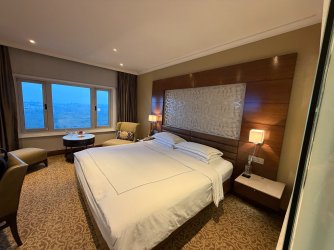
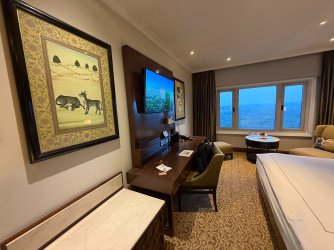
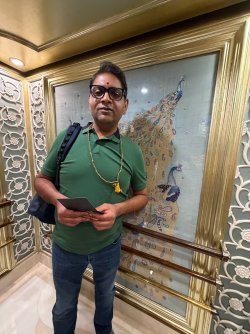
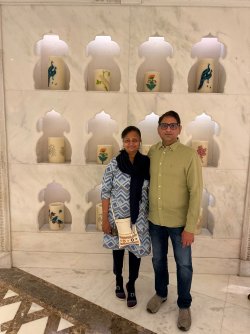
After some airport shopping for winter essentials (because we are nothing if not strategically unprepared), we had a pleasant flight on an ex-Vistara aircraft to Delhi, followed by a short cab ride to the Taj Palace. I chose this hotel purely because it’s close to my sister’s place, which is how I justify decisions that look suspiciously like luxury. We were upgraded to a club room and invited to coughtail hour. I experienced a brief, shining moment of joy before my sister vetoed the plan and insisted I show up at her place immediately. This was framed as “family time,” but it was clearly an operation to prevent me from living my best life in a hotel lounge.

I handled the disappointment with quiet dignity, which is to say I went downstairs and bought a couple of drinks anyway, at prices that suggested the coughtail hour was not a perk but a humanitarian program. I drank them with the solemnity of a man paying tribute to what could have been.

IMG_0771.jpeg
IMG_0774.jpeg
IMG_8162.jpeg
IMG_8163.jpeg
IMG_8156.jpeg
IMG_0776.jpeg
 
Day 2

I woke up at sparrows because we had a 6 am train to catch. My sister and brother-in-law kindly dropped us into the chaos known as an Indian railway station. The mass of humanity, even at that hour, is impressive in a way that makes you reconsider the concept of “early morning quiet.” We navigated multiple scrums of people trying to get in and out until we were finally settled in our Vande Bharat seats. Some things, like Indian railway stations, never change. Consistency is comforting, in its own loud way.
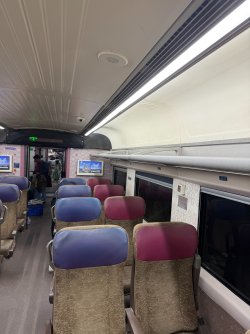
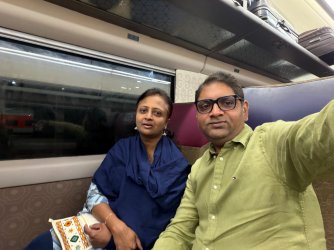
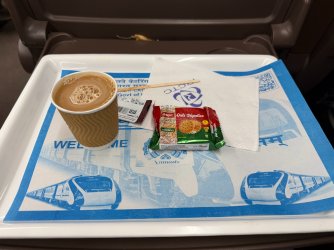
Vande Bharat was a pleasant surprise. These are among India’s newest passenger trains: better seats, automatic doors, fewer stops, and noticeably faster overall. We picked up a minor 15-minute delay on the 4.5-hour journey to Jhansi, which felt almost obligatory, like a nod to tradition. Breakfast was acceptable, tea and coffee made regular rounds, and overall it was the fastest and least painful way to get from Delhi to Jhansi without adding extra hours for character development.

IMG_0779.jpeg
IMG_0781.jpeg
IMG_0783.jpeg
 
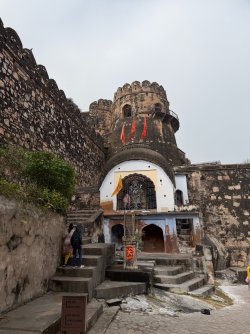
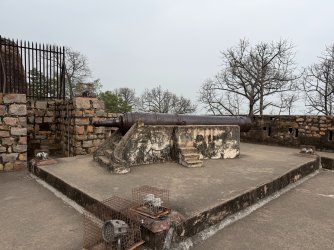
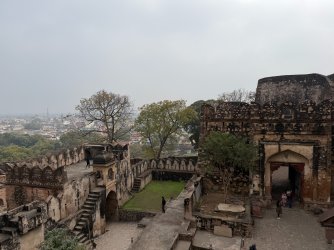
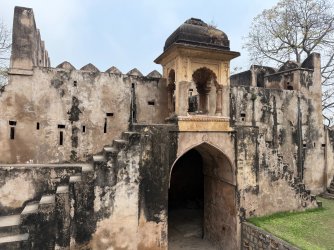
Jhansi Fort

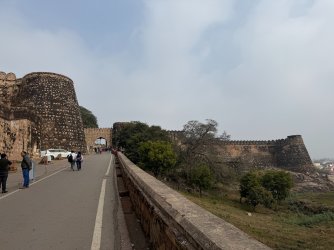
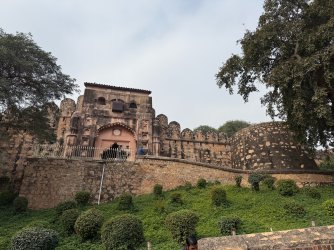
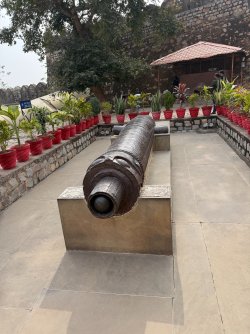
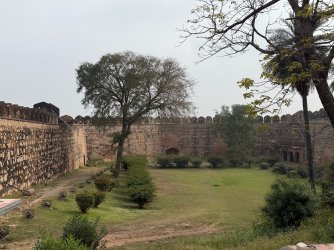
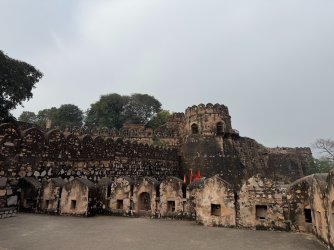
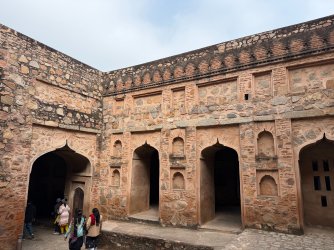
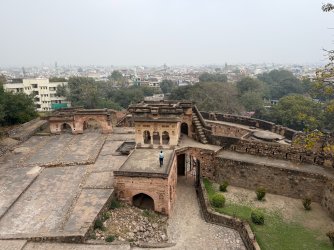
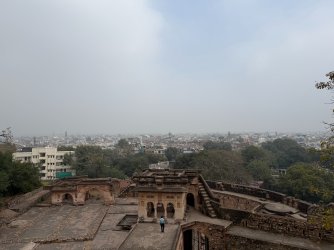
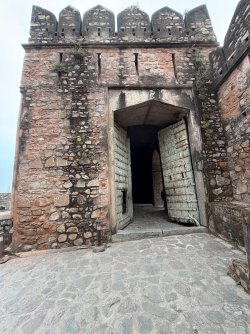
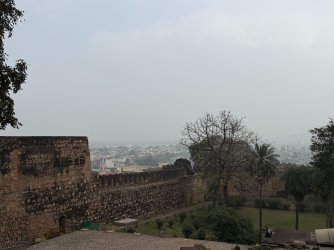
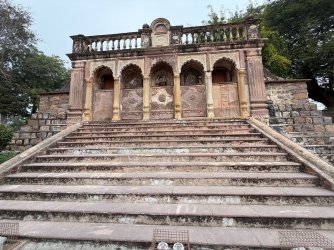
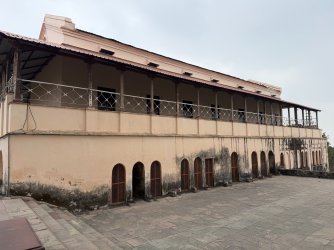
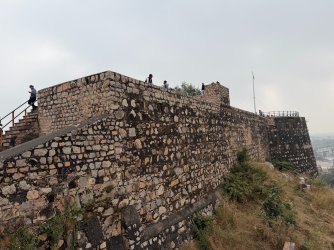
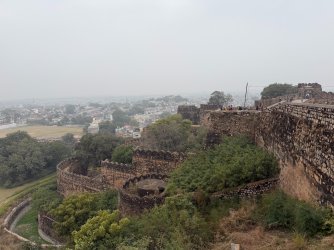
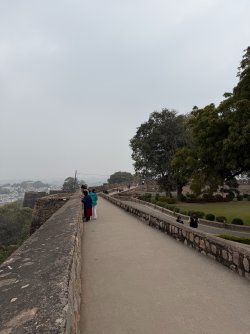
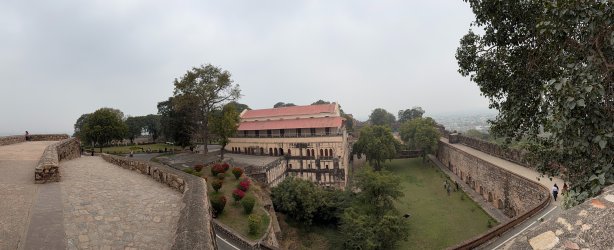
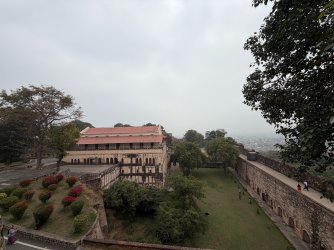
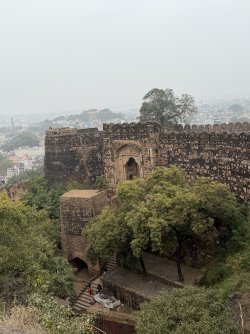
Jhansi Fort sits on a rocky hill called Bangra above the old town of Balwantnagar (today’s Jhansi), and it was built in the early 17th century by Raja Bir Singh Ju Deo of Orchha. Over the next two centuries it passed through the hands of Bundela and Maratha powers, accumulating layers of military architecture and local memory.

Jhansi’s most famous heroine was Rani Lakshmibai, the wife of Raja Gangadhar Rao. After his death, the East India Company refused to recognise the claim of his adopted son to the throne and, invoking their controversial “Doctrine of Lapse,” annexed the kingdom. It was the kind of policy that managed to be both bureaucratic and incendiary, which is an unpleasantly effective combination.
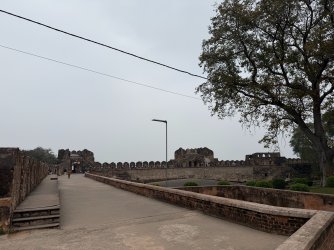
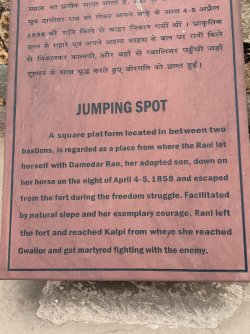
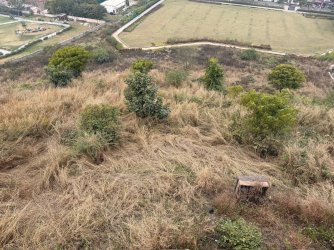
When the 1857 uprising spread, Lakshmibai emerged as the political and military face of resistance in Bundelkhand, organising defences, raising forces, and holding the fort through a period when neutrality was not really on the menu. The fort’s defining moment came in 1858, when General Hugh Rose laid siege to Jhansi. After weeks of fighting, the British captured the fort on 4 April 1858. Lakshmibai escaped, and legend adds a suitably cinematic detail: a leap from the fort walls on horseback with her adopted son. She rode on to join other rebel leaders and continued the campaign through Central India until she was killed near Gwalior on 18 June 1858, a death that sealed her reputation as both a warrior and a symbol.

She remains very present in Jhansi today. The city remembers her loudly and on purpose, through songs, statues, and an annual festival in her honour. You don’t so much “learn” about Lakshmibai in Jhansi as repeatedly bump into her, which feels appropriate for someone who refused to quietly accept being written out of her own story.
IMG_0784.jpeg
IMG_0787.jpeg
IMG_0788.jpeg
IMG_0789.jpeg
IMG_0790.jpeg
IMG_0792.jpeg
IMG_0793.jpeg
IMG_0794.jpeg
IMG_0795.jpeg
IMG_0796.jpeg
IMG_0800.jpeg
IMG_0802.jpeg
IMG_0803.jpeg
IMG_0808.jpeg
IMG_0810.jpeg
IMG_0817.jpeg
IMG_0818.jpeg
 
Read our AFF credit card guides and start earning more points now.

AFF Supporters can remove this and all advertisements

Day 1

The whole HYD–DEL leg was seamless. The entire airport experience was a breeze thanks to DigiYatra, a government app that uses facial recognition at entry, security, and boarding. Once you’ve linked your boarding pass to the app, you mostly stop needing it. You just present your face at the appropriate points and are allowed to proceed, which is efficient and only mildly existential. Unfortunately, it’s currently limited to travellers with Indian government issued IDs. Meanwhile, in Australia we still fill out paper landing forms, presumably to ensure pens remain economically viable.

After some airport shopping for winter essentials (because we are nothing if not strategically unprepared), we had a pleasant flight on an ex-Vistara aircraft to Delhi, followed by a short cab ride to the Taj Palace. I chose this hotel purely because it’s close to my sister’s place, which is how I justify decisions that look suspiciously like luxury. We were upgraded to a club room and invited to coughtail hour. I experienced a brief, shining moment of joy before my sister vetoed the plan and insisted I show up at her place immediately. This was framed as “family time,” but it was clearly an operation to prevent me from living my best life in a hotel lounge.

I handled the disappointment with quiet dignity, which is to say I went downstairs and bought a couple of drinks anyway, at prices that suggested the coughtail hour was not a perk but a humanitarian program. I drank them with the solemnity of a man paying tribute to what could have been.

View attachment 489164
View attachment 489165
View attachment 489168
View attachment 489169
View attachment 489167
View attachment 489166
You write very well and humorously .
 
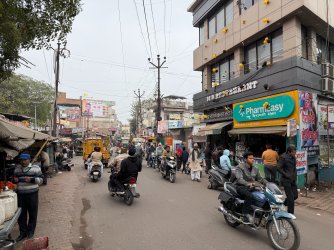
After the fort, our next destination was the Rani Mahal (the queen’s palace), about 1.5 km away. We decided to walk, a choice that sits somewhere between courage and questionable judgment. I’ll let history decide, since history loves a good march and rarely mentions the part where you’re dodging scooters and negotiating for your life.

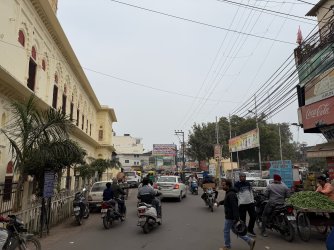
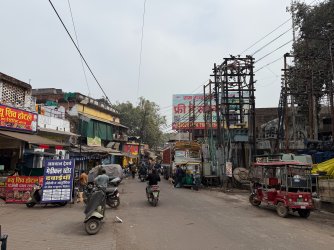
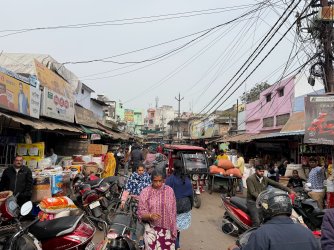
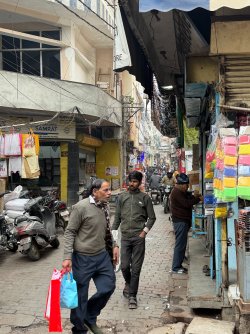
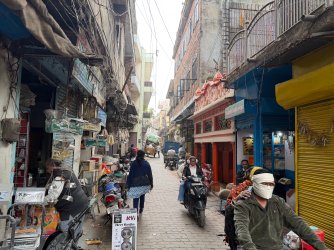
And walk we did, through narrow lanes jam packed with every kind of vehicle and pedestrian, all of them flowing forward by a shared agreement that gaps are not found, they are negotiated into existence. Traffic here doesn’t so much follow rules as practise a kind of collective improvisation, and we were right in the middle of it, doing our best impression of calm tourists with functioning survival instincts.

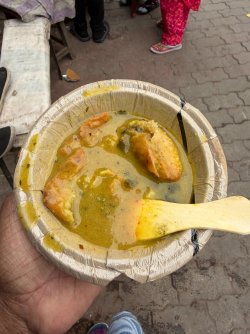
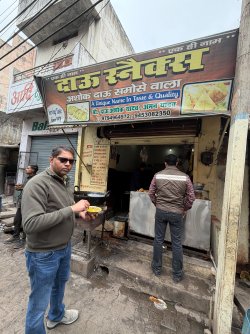
Naturally, we also paused for street food. I have a simple rule: if it’s hot and prepared in front of you, you can eat it. It’s not a perfect system, but it has served me well so far, which is more than I can say for our walking plan.

IMG_0833.jpeg
IMG_0834.jpeg
IMG_0837.jpeg
IMG_0838.jpeg
IMG_0839.jpeg
IMG_0842.jpeg
IMG_8188.jpeg
IMG_8189.jpeg
 
Rani Mahal

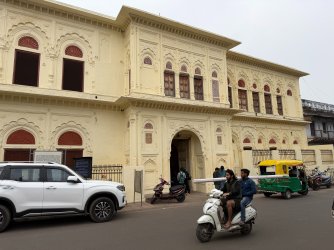
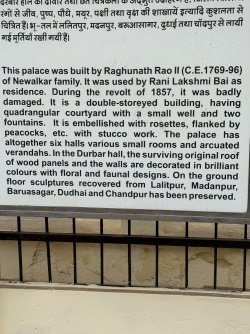
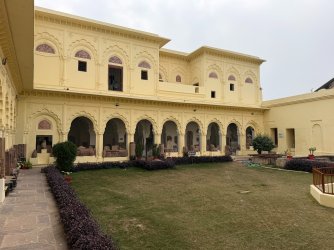
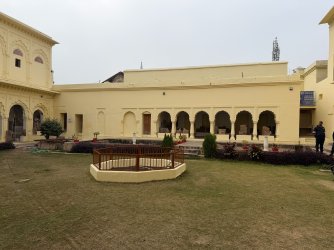
Rani Mahal is an 18th-century royal palace, a compact but elegant two-storied building arranged around a quadrangular courtyard. Rani Lakshmibai is associated with it as one of her residences, which adds a certain gravity to what might otherwise look like a quiet architectural stop after the drama of the fort.

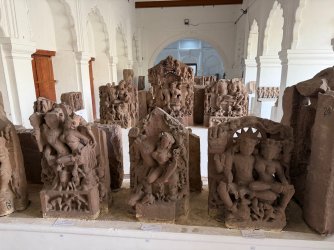
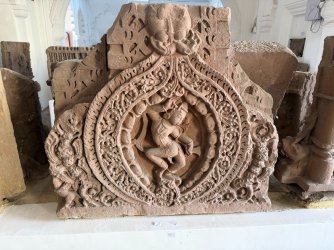
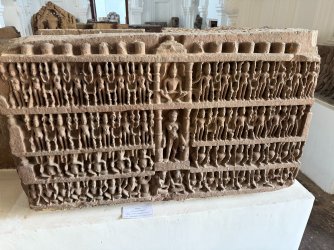
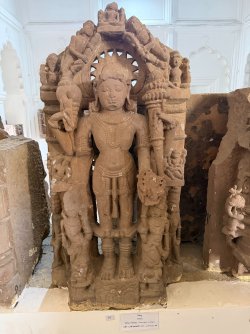
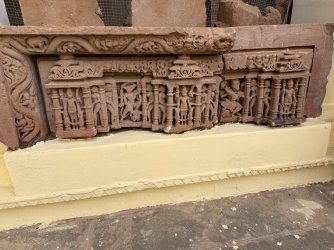
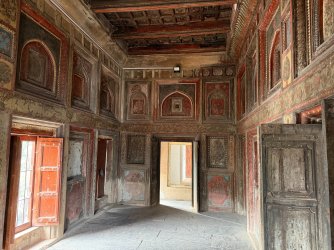
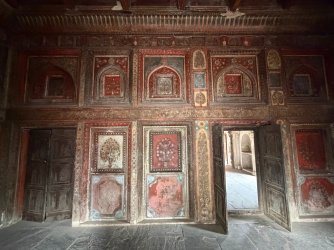
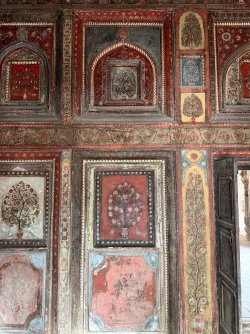
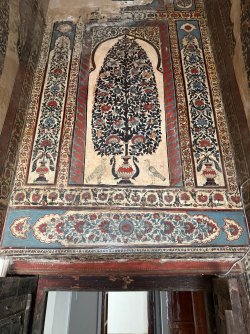
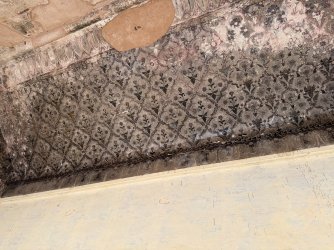
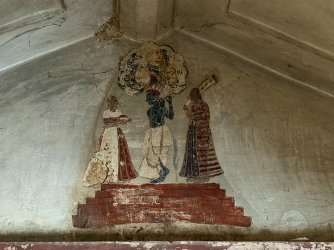
Inside, Rani Mahal has been repurposed as a small museum and now houses stone sculptures found in nearby areas, most of them dated roughly between the 9th and 12th centuries. The highlight is the durbar hall, where the colourful frescoes still hold your attention, full of floral and geometric motifs.

IMG_0835.jpeg
IMG_0843.jpeg
IMG_0844.jpeg
IMG_0845.jpeg
IMG_0847.jpeg
IMG_0848.jpeg
IMG_0849.jpeg
IMG_0850.jpeg
IMG_0852.jpeg
IMG_0854.jpeg
IMG_0855.jpeg
IMG_0856.jpeg
IMG_0857.jpeg
IMG_0859.jpeg
IMG_0861.jpeg
IMG_0862.jpeg
IMG_0863.jpeg
IMG_0858.jpeg
 
Day 3 - Orchha

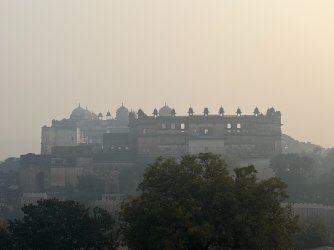
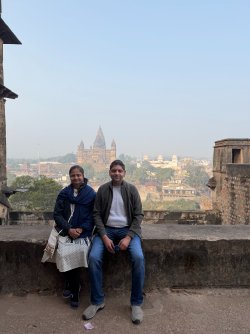
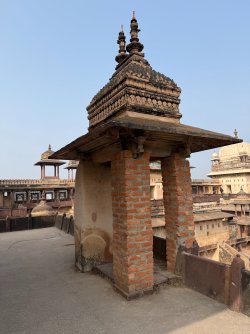
Orchha was founded in the 16th century by the Bundela chief Rudra Pratap Singh, who set up his kingdom along the Betwa River and began fortifying the place against growing Mughal pressure. The result is a compact historic landscape where palaces, temples, cenotaphs, and river ghats all sit within easy reach, like someone planned a complete medieval town and then forgot to dilute it with modern clutter.

I’ve wanted to visit Orchha since I first read about it in a blog post more than fifteen years ago. Since then, plans were made and abandoned multiple times for the usual reasons: time, logistics, life. The more I read about Orchha, the more intrigued I became. And as the visit finally approached, I had one very specific fear: had I built it up too much? Would it live up to the version of Orchha that had been quietly expanding in my head for a decade and a half? I’m happy to report it delivered on every aspect and then some.

What genuinely astounds me is that Orchha isn’t on the mainstream tourist trail. It feels like one of the best-preserved medieval towns in India. The ruins of the Orchha fort complex and temples are extensive and remarkably intact. In Rajasthan, many forts are “living forts” still owned and maintained by royal families, so their preservation makes sense. Orchha is different. For a place that was largely abandoned long ago, the condition of its monuments is incredible, and honestly a bit unheard of in India, where “historic site” too often comes with a side of neglect.

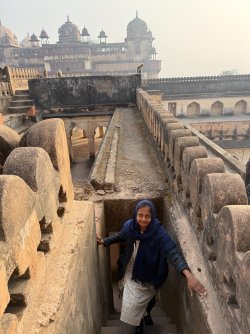
Another thing I loved was the access. There were no roped-off rooms, no “do not enter” signs, no balconies placed behind bars as though the view might escape. You’re free to explore every nook and cranny, climb stairways, step into courtyards, and wander through spaces that still feel architectural rather than curated. It’s a rare and deeply satisfying way to experience history: not from behind barriers, but by moving through it.

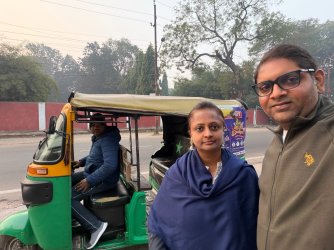
We left early to reach Orchha when it opened at 8 am, hoping to beat the crowds. I also hired an auto rickshaw instead of a car, partly because I suspected it would be able to get into places a car wouldn’t. This turned out to be correct, which was satisfying on two levels: practically, because it worked, and domestically, because I was right for once.

IMG_0884.jpeg
the ride

IMG_0885.jpeg
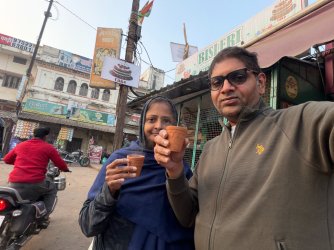
warming up with a hot cuppa!

Chaturbhuj Temple

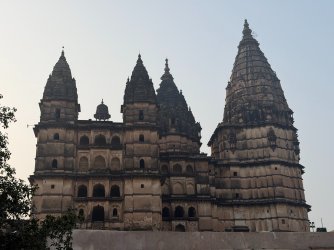
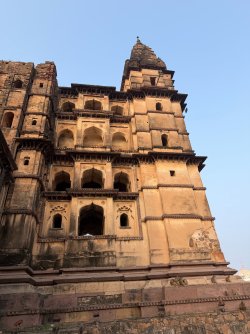
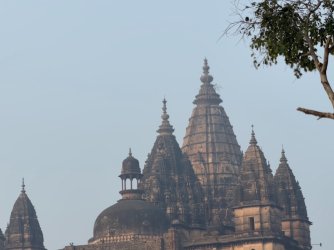
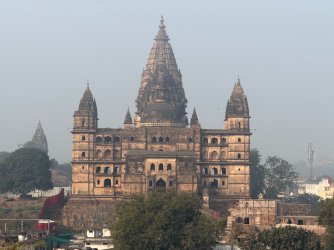
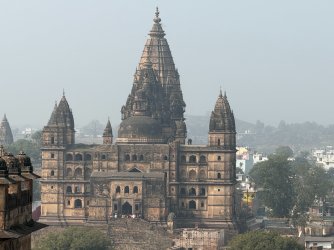
As you enter town, you’re greeted by the sight of the Chaturbhuj Temple, and it immediately resets your sense of scale. It’s an imposing structure that no amount of photographs can properly prepare you for.
Chaturbhuj was built in the early 16th century and was originally intended to house an idol of Lord Rama, but that never happened, and the temple never had idols installed in the way it was meant to. Today an image of Radha and Krishna is worshipped there. The temple’s towers are among the tallest in Hindu temple architecture, and once you’re standing beneath them, that fact stops being information and becomes a physical feeling in your neck and spine.

IMG_0886.jpeg
IMG_0890.jpeg
IMG_0891.jpeg
IMG_0892.jpeg
IMG_0893.jpeg
IMG_0894.jpeg
IMG_0895.jpeg
IMG_0896.jpeg

IMG_0898.jpeg
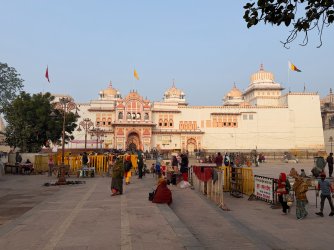
Ram Raja temple, next to chaturbhuj temple.

IMG_0887.jpeg
IMG_0899.jpeg
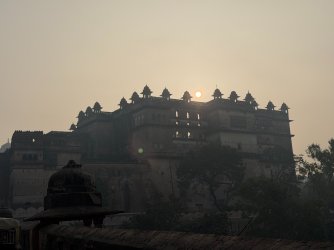
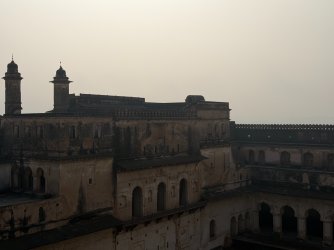
silhouette of the fort complex in the early morning sun

IMG_0901.jpeg
IMG_0947.jpeg
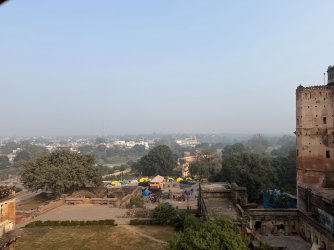
chaturbhuj temple as seen from the fort
 
Orcha Fort Complex

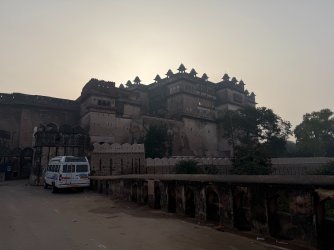
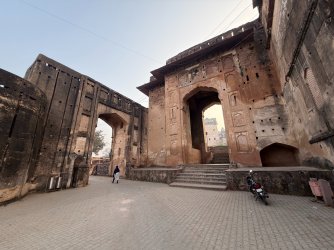
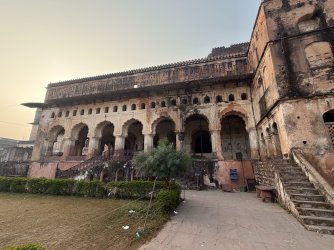
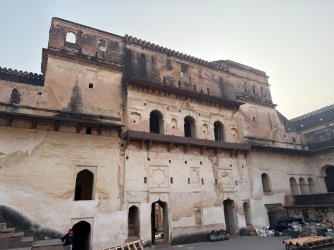
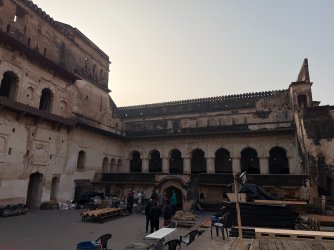
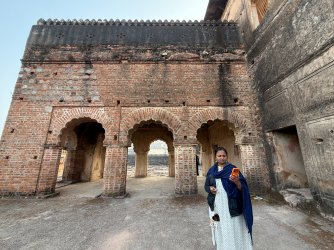
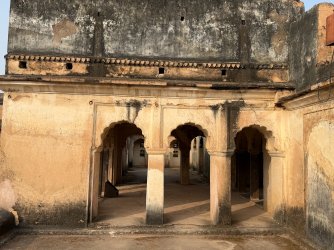
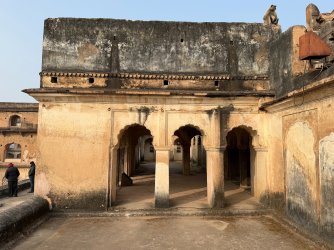
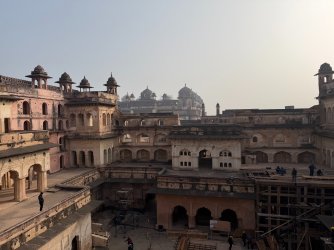
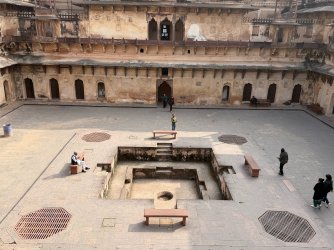
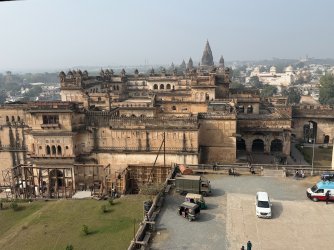
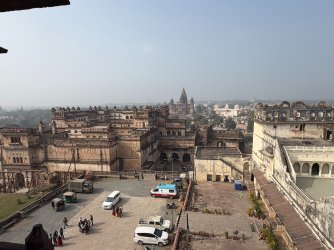
Orchha Fort complex is less a single fort and more a compact walled capital, built up by the Bundela Rajputs from the early 16th century onward after Orchha state was founded in 1501. You enter over a multi-arched stone causeway and pass through a large gateway into an open quadrangle, with the main palaces arranged around it.

IMG_0904.jpeg
IMG_0906.jpeg

Durbar Hall & interiors

IMG_0907.jpeg
IMG_0908.jpeg
IMG_0909.jpeg
IMG_0910.jpeg

IMG_0913.jpeg
IMG_0914.jpeg
IMG_0915.jpeg
IMG_0916.jpeg
IMG_0916.jpeg
IMG_0917.jpeg
IMG_0919.jpeg
 

Attachments

  • IMG_0912.jpeg
    IMG_0912.jpeg
    4.8 MB · Views: 1
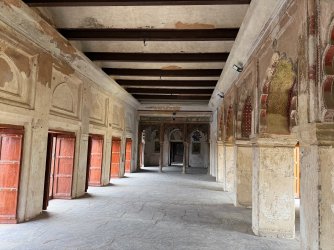
Raja Mahal (King's Palace)

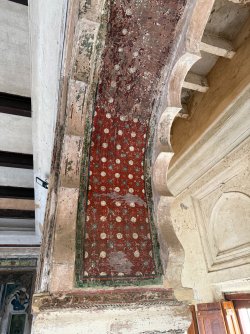
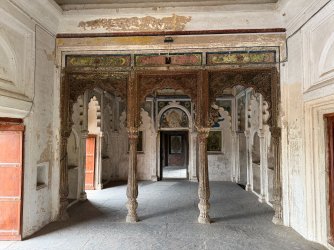
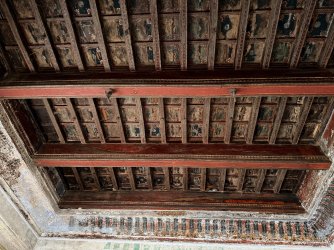
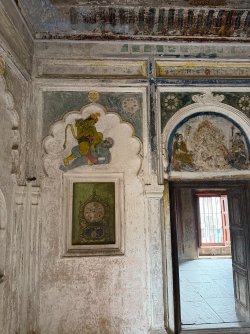
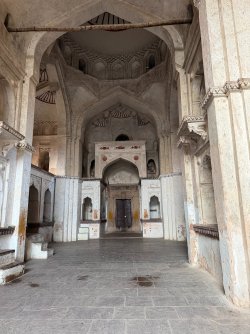
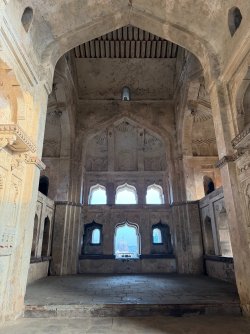
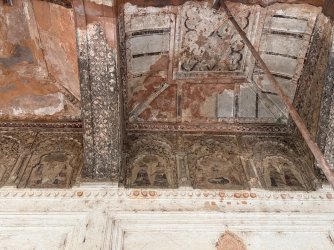
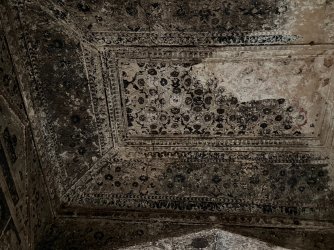
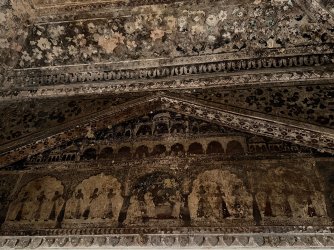
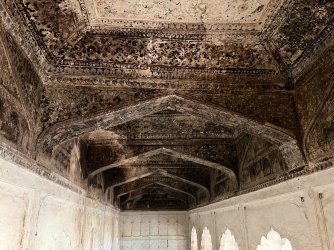
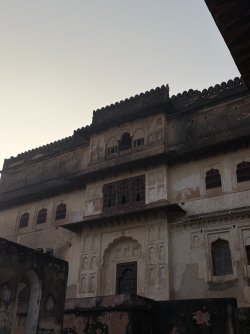
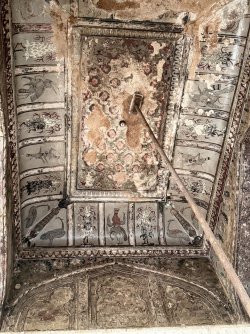
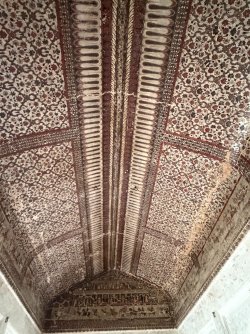
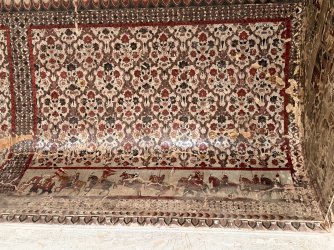
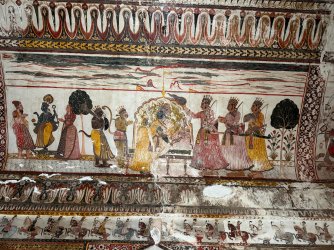
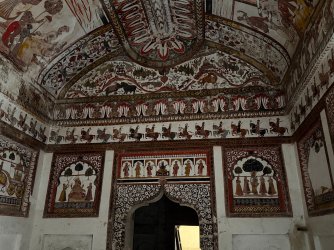
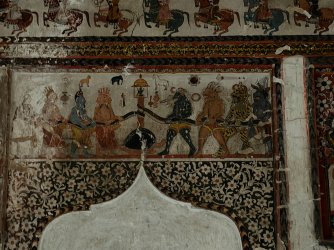
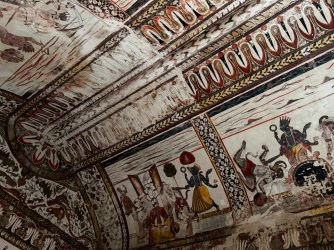
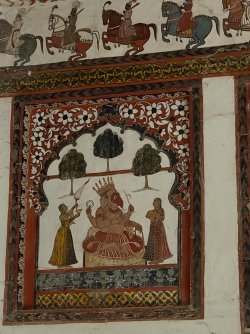
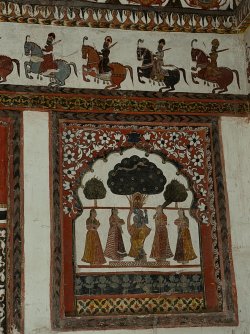
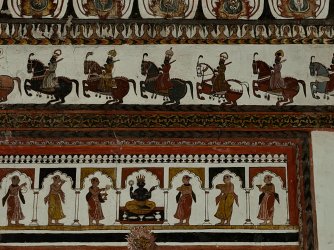
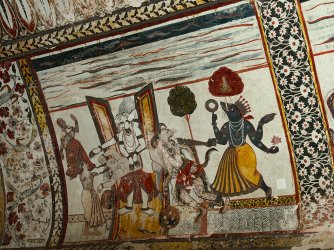
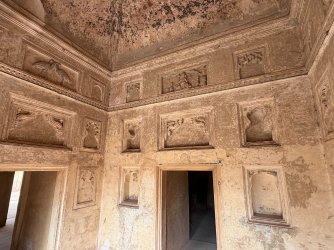
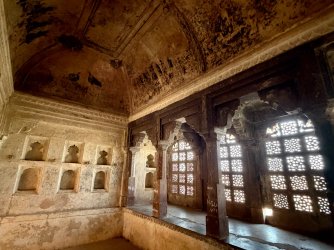
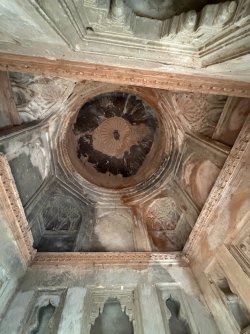
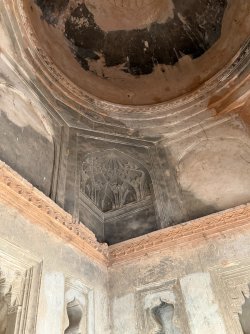
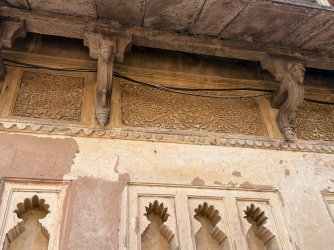
The oldest and most “Bundela” in temperament is the Raja Mahal (also called Raja Mandir), largely built under Madhukar Shah in the second half of the 16th century. From the outside it is relatively plain and almost stern. Inside, the rooms and corridors are decorated with murals and painted themes that bring the palace back to life even when the halls are empty.

When we visited, there was also a film production crew setting up for a shoot. I was told it was for a Hollywood film

IMG_0920.jpeg
IMG_0921.jpeg
IMG_0922.jpeg
IMG_0923.jpeg
IMG_0924.jpeg
IMG_0925.jpeg
IMG_0926.jpeg
IMG_0927.jpeg
IMG_0928.jpeg
IMG_0929.jpeg
IMG_0930.jpeg
IMG_0931.jpeg
IMG_0932.jpeg
IMG_0934.jpeg
IMG_0937.jpeg
IMG_0941.jpeg
IMG_0942.jpeg
IMG_0943.jpeg
IMG_0944.jpeg
IMG_0945.jpeg
 
Jahangir Mahal

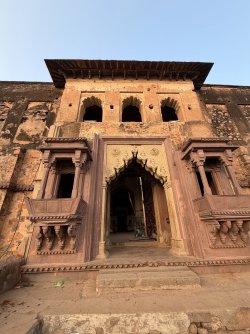
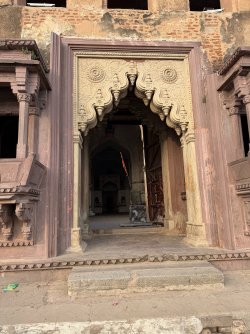
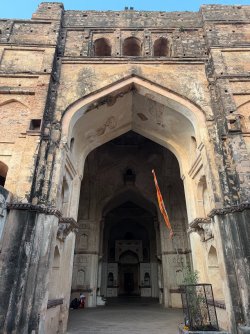
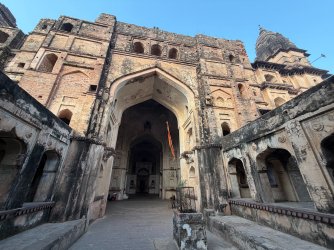
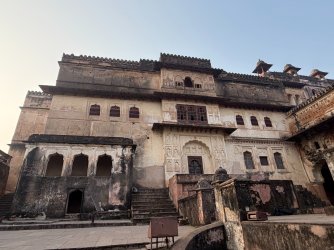
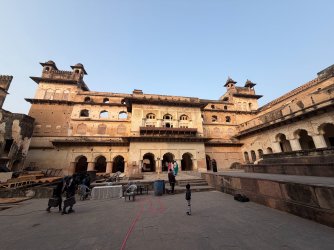
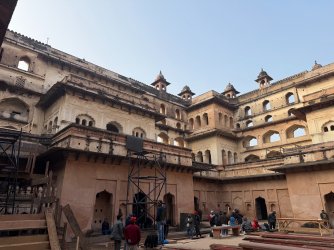
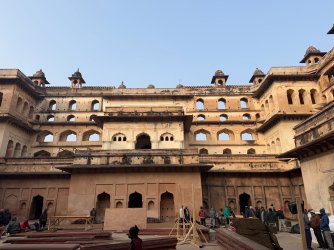
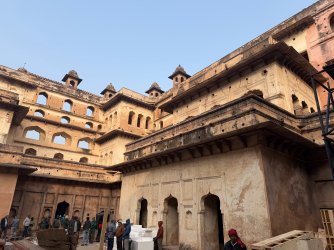
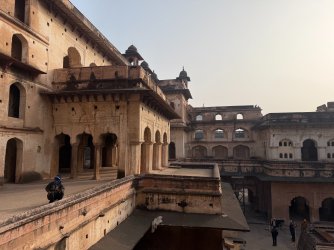
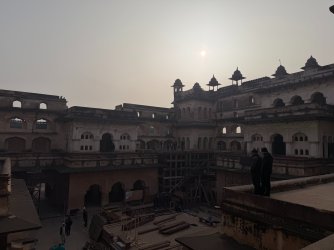
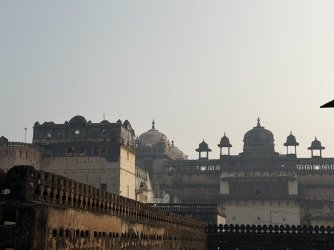
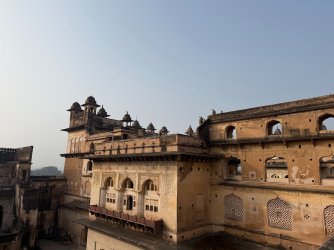
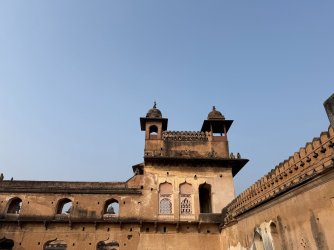
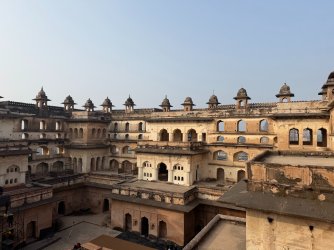
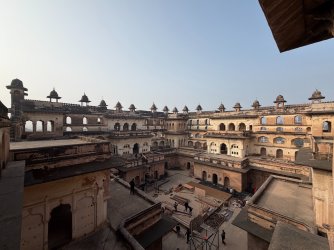
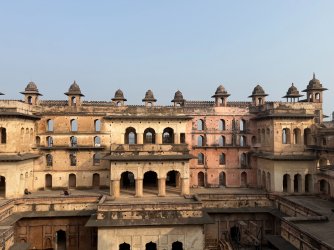
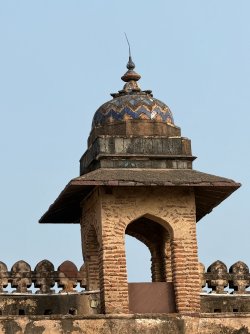
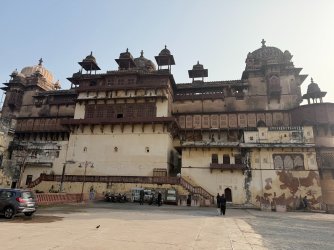
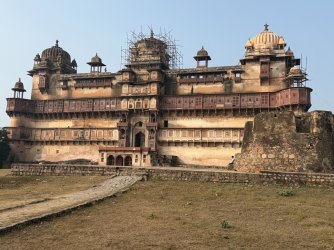
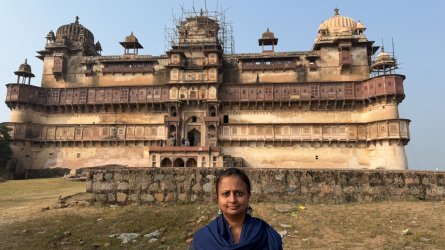
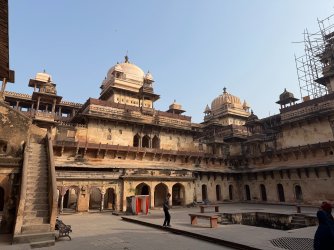
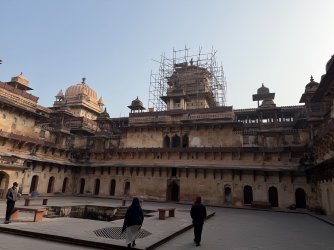
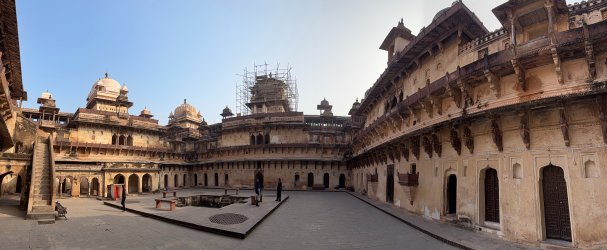
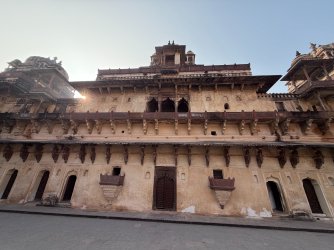
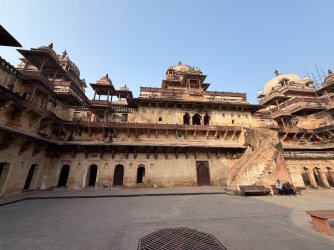
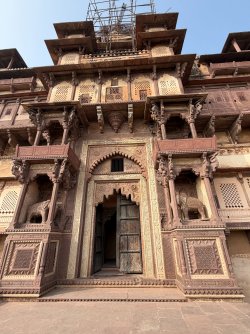
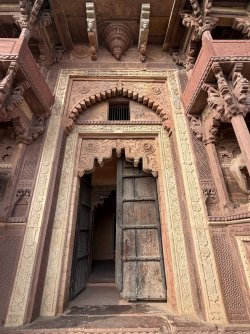
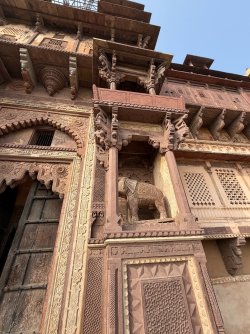
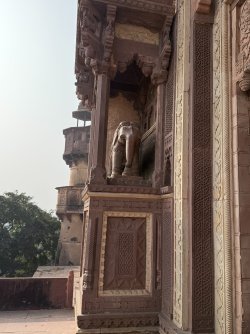
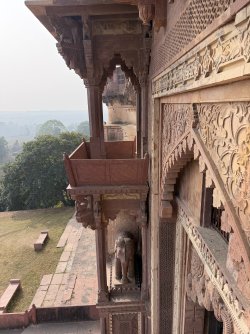
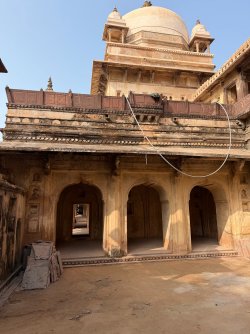
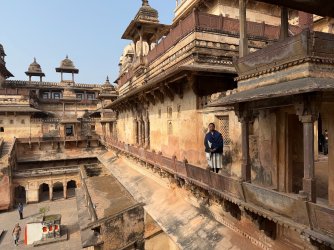
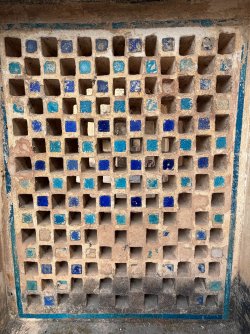
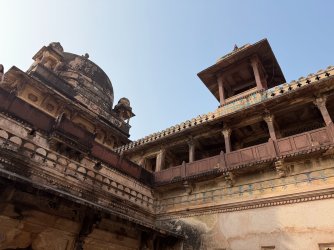
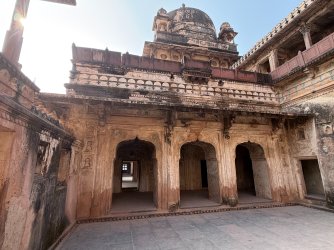
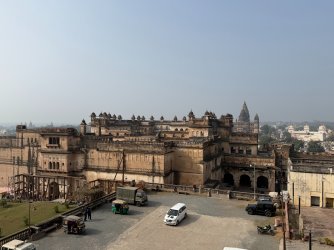
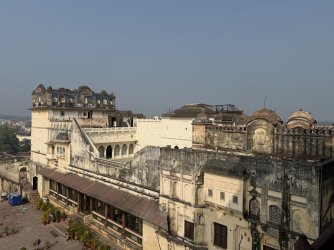
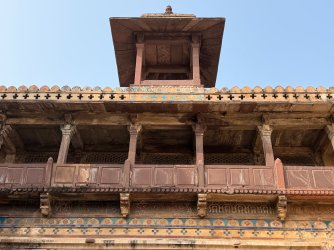
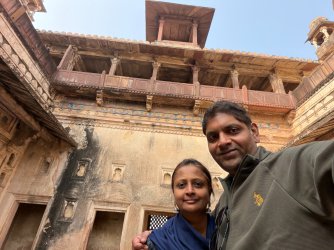
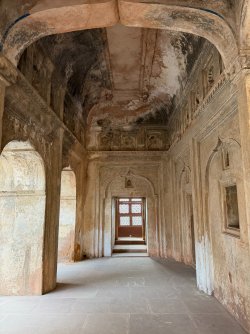
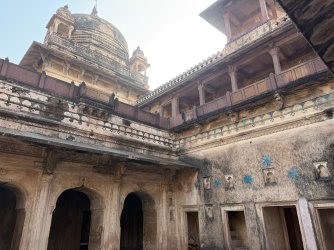
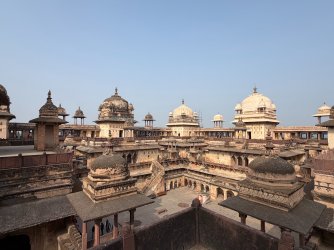
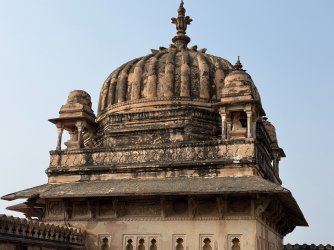
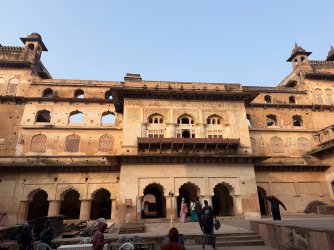
Jahangir Mahal, built in 1605 by Bir Singh Deo to honour Emperor Jahangir’s visit. The plan is famously symmetrical, a square palace organised around an inner courtyard, rising through multiple levels and topped with domes and chhatris that give it a skyline of its own. It blends Rajput and Mughal elements: jali windows, projecting balconies, arcaded openings, and terraces.

IMG_0976.jpeg
back entrance, from the Raja Mahal

IMG_0992.jpeg
Front facade

IMG_0997.jpeg
IMG_0977.jpeg
inner courtyard

IMG_0978.jpeg
IMG_0979.jpeg
IMG_0981.jpeg
IMG_0982.jpeg
IMG_1001.jpeg
a grand entrance!
IMG_1002.jpeg
IMG_1003.jpeg
IMG_1005.jpeg
IMG_1006.jpeg
IMG_1007.jpeg
IMG_1008.jpeg
IMG_1009.jpeg
 

Become an AFF member!

Join Australian Frequent Flyer (AFF) for free and unlock insider tips, exclusive deals, and global meetups with 65,000+ frequent flyers.

AFF members can also access our Frequent Flyer Training courses, and upgrade to Fast-track your way to expert traveller status and unlock even more exclusive discounts!

AFF forum abbreviations

Wondering about Y, J or any of the other abbreviations used on our forum?

Check out our guide to common AFF acronyms & abbreviations.

Recent Posts

Back
Top