




India Diaries: Hyderabad

somebol

Active Member
Joined
Mar 6, 2008
Posts
610
Virgin
Platinum
Every December, the Somebol clan makes its annual trip to India to visit both sets of parents. It also gives our kids the best kind of holiday perk: time with their cousins.

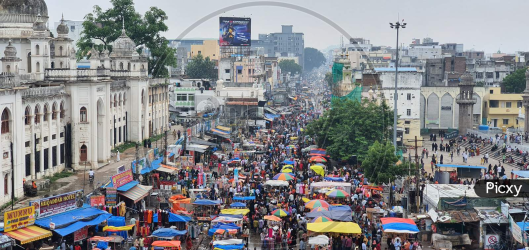
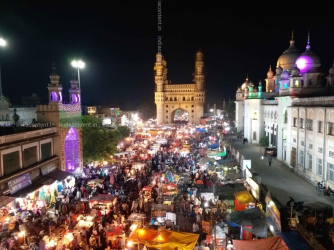
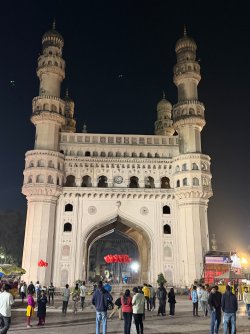
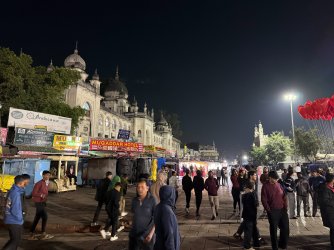
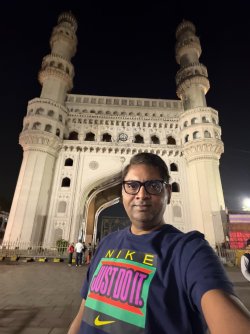
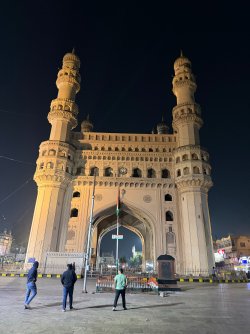
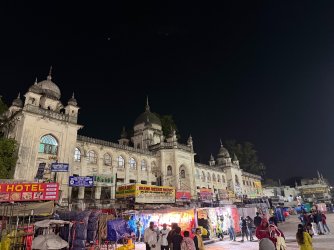
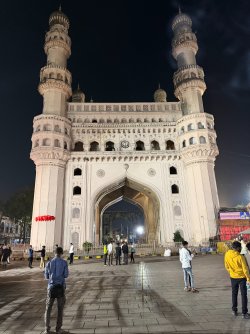
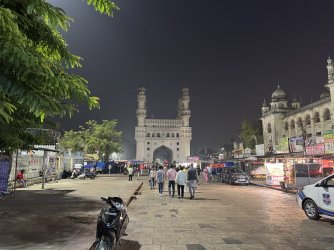
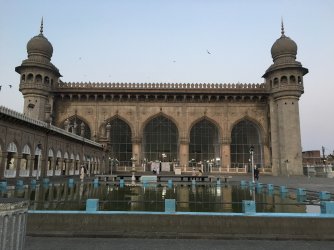
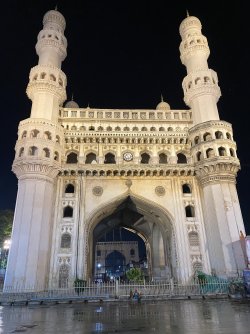
Our parents live in Hyderabad, a city in south-central India on the Deccan Plateau. Hyderabad has many things going for it: history, architecture, pearls, politics, and an impressive ability to turn a 20 minute drive into a reflective life journey.

I’m especially drawn to history and archaeology, so during our visits I try to get beyond the usual checklist. I look for lesser-known sites, small museums, forgotten ruins, and day trips that don’t show up in most guidebooks. The intent of this report is to document the off the beaten track historic places I’ve visited, along with a bit of background to put them in context.

But first, a brief history of Hyderabad.

Archaeological finds in and around Hyderabad include Iron Age sites dating back to roughly 500 BCE. The city’s most relevant recorded history, however, begins with the rise of Golconda Fort, established in the 12th century by the Kakatiya rulers as a defensive outpost.

Golconda grew in prominence under the Qutb Shahi dynasty (15th–17th centuries). In 1591, the Qutb Shahis founded the city of Hyderabad, east of Golconda, which would eventually become the region’s political and cultural center.

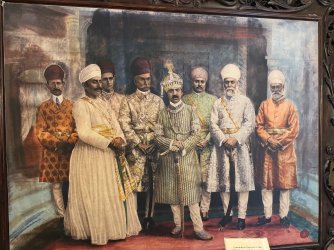
After the Qutb Shahis, the region came under Mughal control, and later the Asif Jahi dynasty (the Nizams of Hyderabad) rose to power in the 18th century. Hyderabad remained one of the most significant princely states under British paramountcy until it was integrated into the Indian Union in 1948.

Some Interesting Facts About Hyderabad
  • In the 1930s, the Nizam of Hyderabad was considered the richest person in the world, and among the wealthiest individuals in recorded history.
  • His collection of jewels included the Jacob Diamond (around 180 carats), which he reportedly used as a paperweight.
  • The princely state of Hyderabad was the largest in British India and one of the few granted a 21-gun salute.
  • The Hyderabad Nizams had close ties with the Ottoman Empire. After World War I, there was even a plan floated to shift the caliphate to Hyderabad. Two of the Ottoman Sultan’s daughters married the Nizam’s sons, but the idea never materialized, especially as India moved toward independence in 1947.
  • Mines near Hyderabad were among the world’s earliest major sources of diamonds, before later discoveries in places like Brazil and South Africa reshaped global supply. In fact the Kohinoor diamond was mined here.
  • And the best part of Hyderabad is the food. This is not a fact so much as a universal law that becomes clearer with every meal.
 
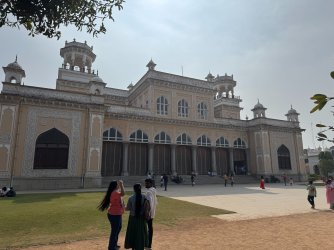
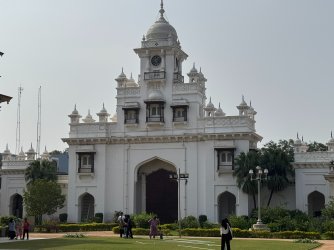
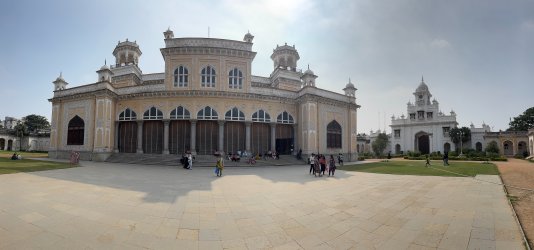
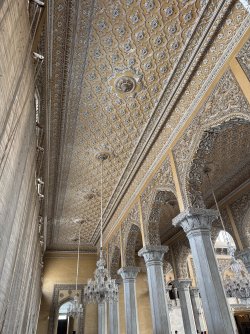
Chowmahalla Palace

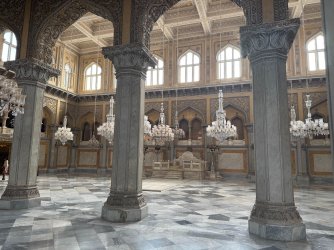
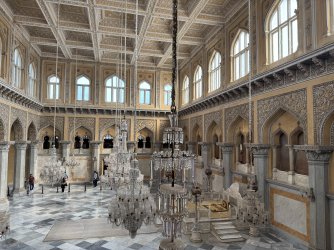
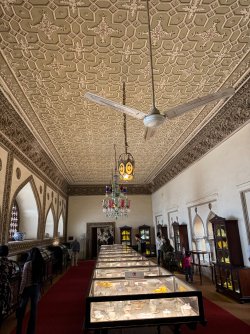
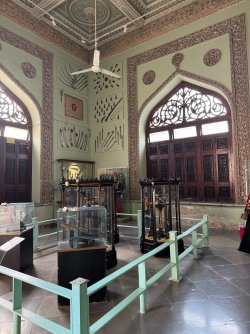
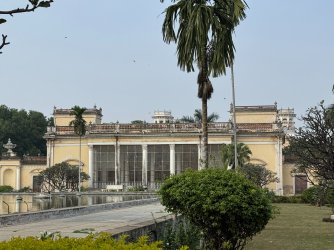
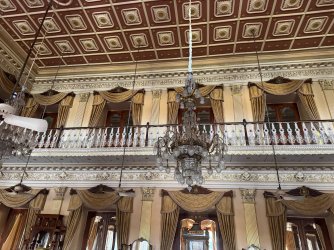
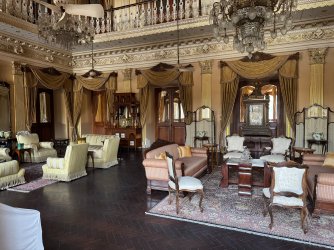
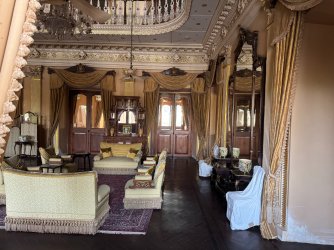
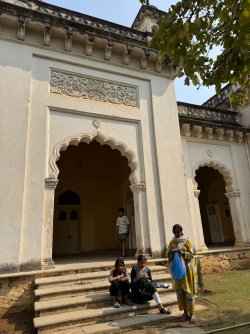
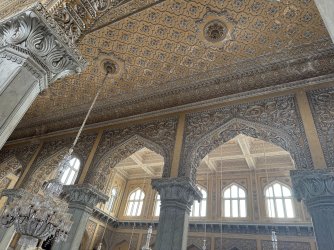
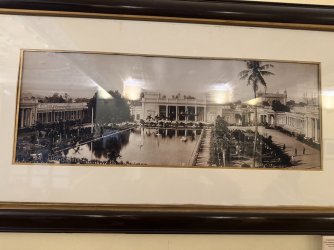
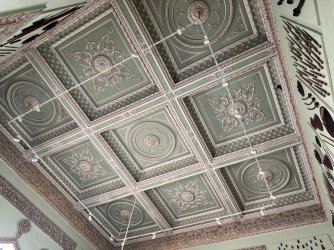
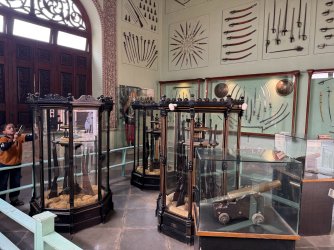
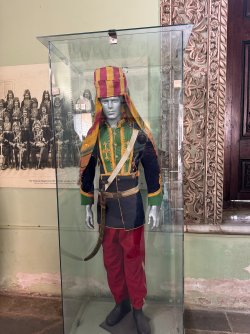
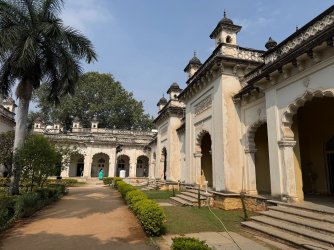
Chowmahalla was the ceremonial and administrative heart of the Nizams of Hyderabad, built up over time as the seat of the Asaf Jahi dynasty. Construction of the complex “as it stands today” is generally dated to 1769, begun under Nizam Ali Khan, Asaf Jah II. The name itself is a literal clue: chow/char meaning “four” and mahal meaning “palace”, referring to the idea of four palaces within the complex.

While Chowmahalla remained the dynasty’s formal seat, the 7th Nizam, Mir Osman Ali Khan, is closely associated with King Kothi Palace as his primary residence. Even after his accession in 1911, he continued living at King Kothi rather than shifting to Chowmahalla.

After the end of princely rule and especially following the abolition of privy purses in 1971, the family’s estates entered a long period of uncertainty. Mukarram Jah (Asaf Jah VIII) later relocated to Western Australia and then Turkey, and during his absence several Hyderabad properties were encroached upon and fell into disrepair. Over time, this neglect also meant that many objects and collections dispersed, and parts of the palace grounds were compromised.

Princess Esra, the ex wife of Mukarram Jah, started the renovation and restoration works on the places in 2000, the palace was opened to the public in 2005. In parallel, Falaknuma Palace was leased to the Taj Group, undergoing a long restoration that started around 2000 and culminated in the Taj Falaknuma Palace’s reopening as a luxury hotel in 2010.

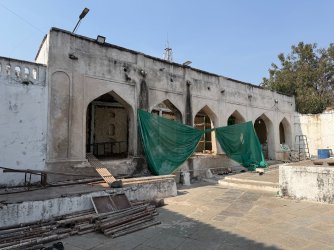
Today you enter the palace through a small gate that gives no hint of what’s inside. It’s the architectural equivalent of a modest paperback cover hiding a very expensive hardback. The approach also makes it hard not to notice what’s missing: the palace grounds that once framed Chowmahalla have largely been eaten away over time, replaced by tightly packed little shops that press right up to the perimeter, as if the city is gently but persistently reclaiming the space.

Walking through the palace, I felt a tinge of sadness. Even though the buildings have been restored, the atmosphere still carries an unmistakable sense of a glorious past. You can see the grandeur and, more importantly, you can feel where it used to be heavier. The restoration brings back the shell, but not the world that once animated it, and there’s something quietly sobering about knowing that what was lost isn’t coming back.

IMG_2444.jpeg

IMG_2447.jpeg

IMG_2451.jpeg

IMG_2455.jpeg

IMG_2456.jpeg

IMG_2457.jpeg

IMG_2464.jpeg

IMG_2463.jpeg

IMG_2461.jpeg

IMG_2468.jpeg

IMG_2475.jpeg

IMG_2476.jpeg

IMG_2478.jpeg

IMG_2481.jpeg
 

Attachments

  • IMG_2446.jpeg
    IMG_2446.jpeg
    4.1 MB · Views: 1
  • IMG_2473.jpeg
    IMG_2473.jpeg
    3.4 MB · Views: 1
  • IMG_2472.jpeg
    IMG_2472.jpeg
    3.4 MB · Views: 1
  • IMG_2469.jpeg
    IMG_2469.jpeg
    5.1 MB · Views: 1
  • IMG_2460.jpeg
    IMG_2460.jpeg
    2.5 MB · Views: 1
  • IMG_2458.jpeg
    IMG_2458.jpeg
    5.4 MB · Views: 1
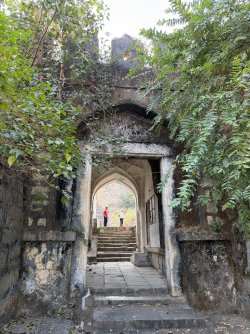
Moula Ali Dargah

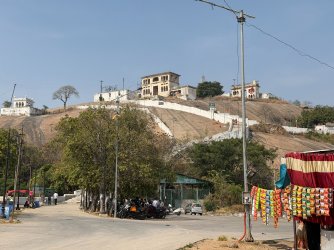
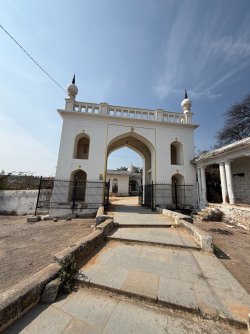
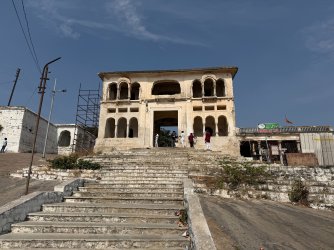
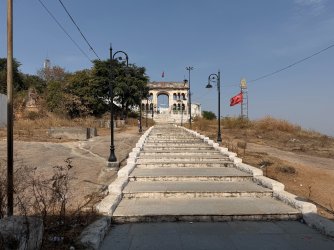
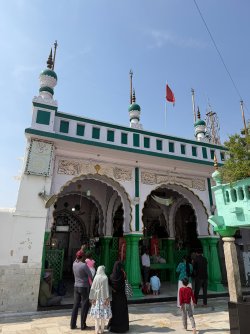
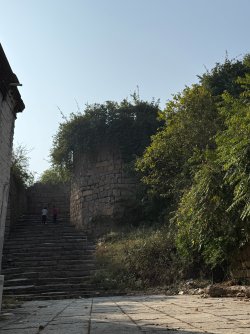
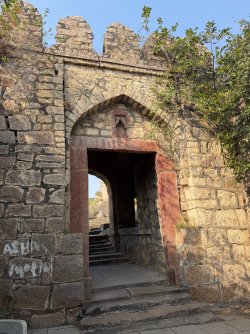
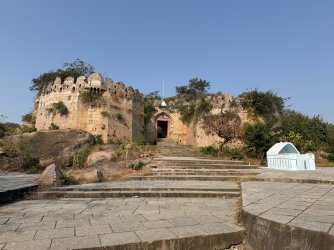
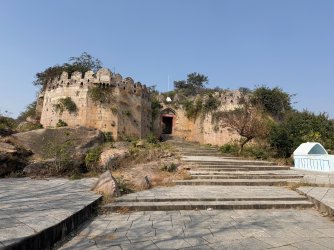
Moula Ali is one of those Hyderabad places where geography does half the storytelling: a shrine on a rocky hill, reached by 484 steps, with the city slowly unfolding as you climb. The dargah is generally attributed to Sultan Ibrahim Qutb Shah in the late 16th century, built around the tradition of a sacred mark associated with Ali, the Prophet’s son-in-law. It’s often described as a rare (and, in local tellings, unique) dedication to Ali in this form, which gives the place a distinct identity even before you’ve taken the first step.

In recent years, a serpentine road has been laid part way up the hill, so the full 484-step commitment is now optional. You can drive to a mid-way point and finish with a couple hundred steps instead, which is a sensible modernization that your knees will accept without debate.
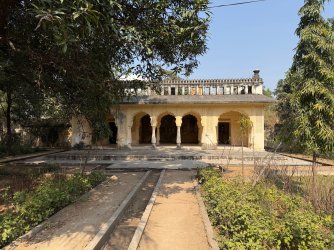
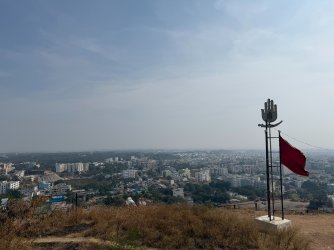
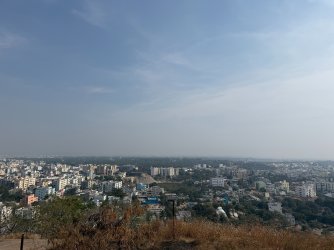
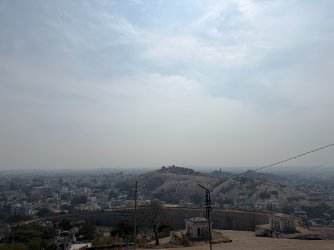
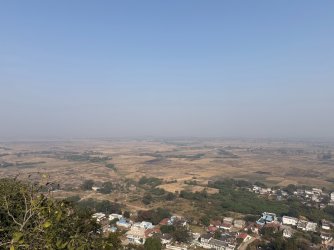
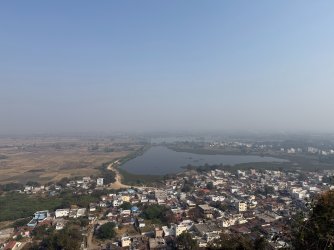
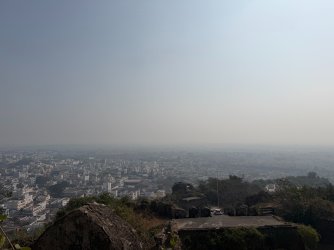
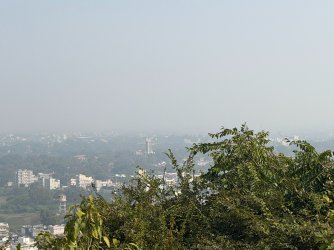
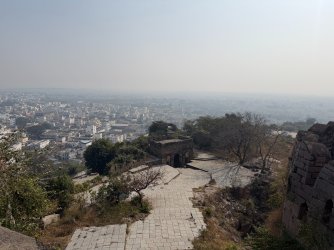
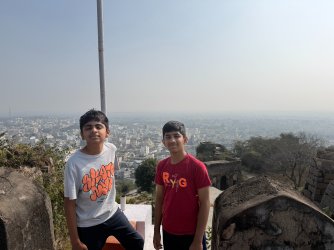
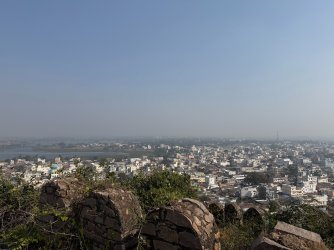
At the top, the reward is a haze-softened panorama of Hyderabad, the kind that makes the city feel both immense and strangely quiet from above. When I visited, the main shrine was being rebuilt, so what you encounter is a smaller, working version of the dargah and a sense of a site in transition.

IMG_0587.jpeg
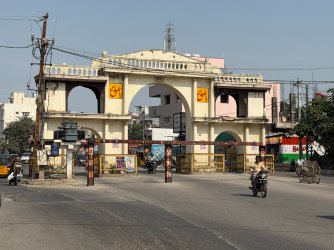
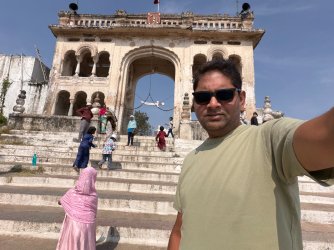
The kaman (arch or gateway to important buildings or places) of Moula Ali

IMG_0608.jpeg

IMG_0607.jpeg
The ascent begins!

IMG_0609.jpeg
not there yet!

IMG_0611.jpeg
still not there yet

IMG_0612.jpeg

IMG_0614.jpeg
what remains of the dargah

IMG_0616.jpeg

IMG_0617.jpeg

IMG_0620.jpeg

IMG_0619.jpeg
 
Read our AFF credit card guides and start earning more points now.

AFF Supporters can remove this and all advertisements

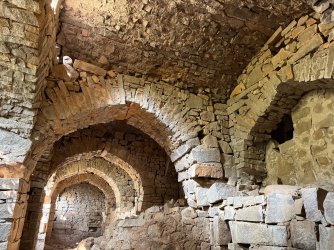
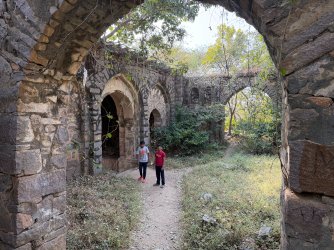
Maqbara of Mah Lqa Bai Chanda

Mah Laqa Bai Chanda was one of the very few female Urdu poets to leave a major mark, and her life reads far larger than the quietness of her memorial. Beyond poetry, she was also an accomplished soldier and is remembered for accompanying the 2nd Nizam on military campaigns. She was among the earliest women to be counted within the high nobility, the omarah, moving in circles that were not designed with female membership in mind.
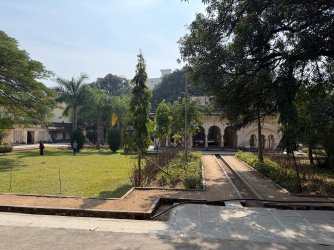
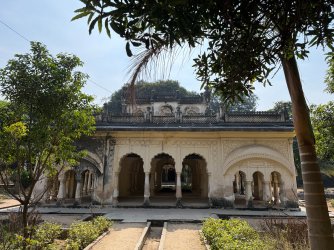
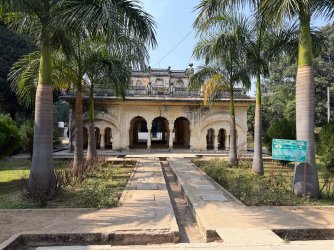
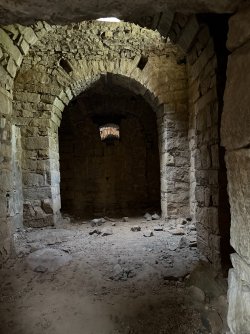
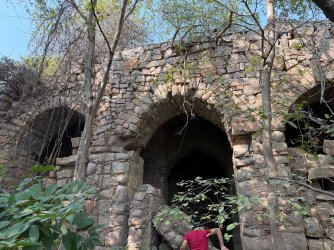
She was also an ardent devotee of Moula Ali, and in 1792 she built a tomb complex for her mother near the hill. The site wasn’t conceived as a single tomb but as a full compound, including a caravanserai and two stepwells, which hints at both piety and practicality. The layout followed the charbagh concept: a central structure framed by four garden quarters, separated by paths and water channels, turning remembrance into something you can walk through.

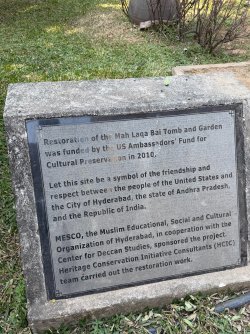
The complex was restored in 2010 with funding from the U.S. Ambassador’s Fund

IMG_0591.jpeg

IMG_0592.jpeg

IMG_0596.jpeg

IMG_0597.jpeg

IMG_0598.jpeg

IMG_0599.jpeg

IMG_0603.jpeg

IMG_0604.jpeg
 
Paigah Tombs

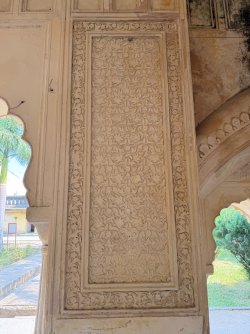
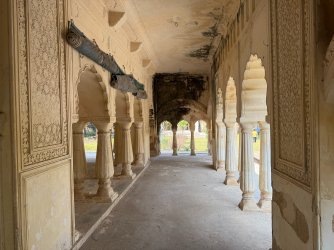
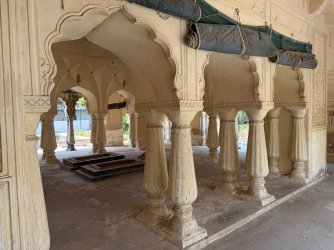
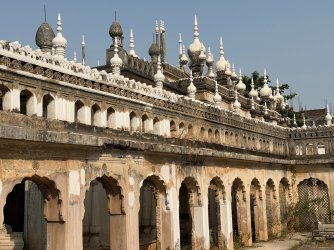
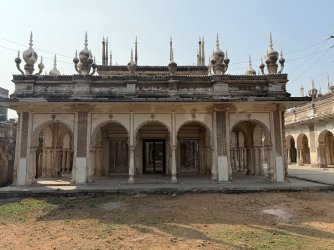
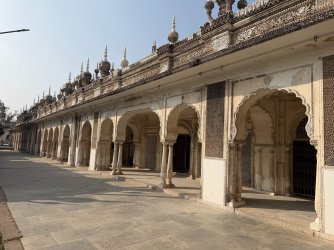
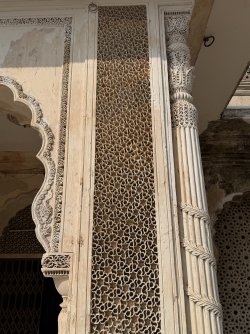
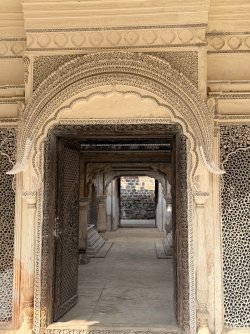
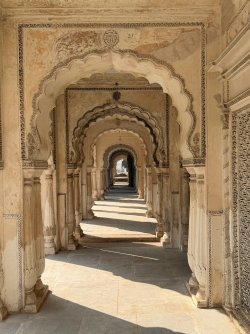
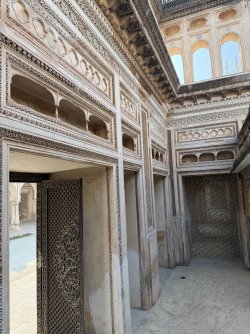
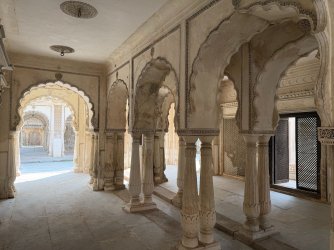
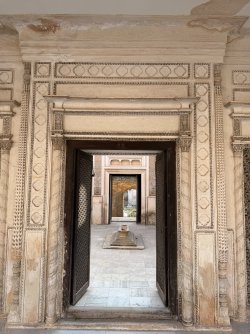
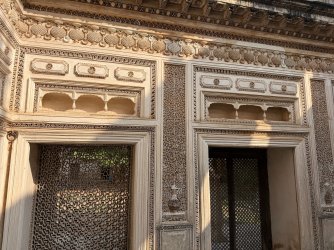
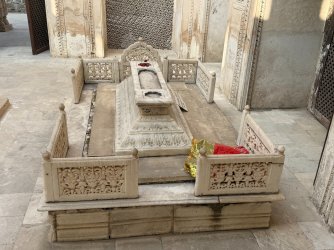
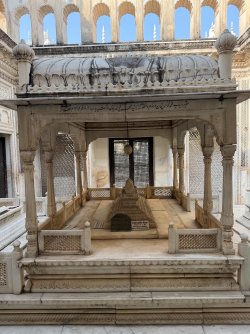
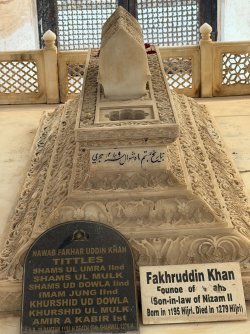
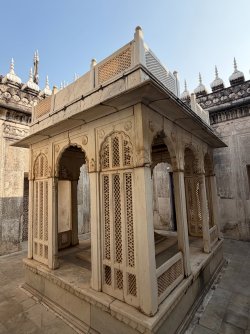
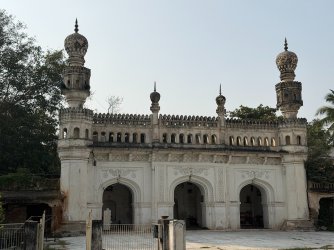
The Paigah Tombs are one of Hyderabad’s most striking reminders that the city’s history wasn’t only written by Nizams, but also by the powerful families around them. The Paigahs were among the highest-ranking nobles in the old Hyderabad state, close to the Nizams through service, wealth, and marriage alliances, and their necropolis reflects that status. This isn’t a single monument so much as a quiet constellation of mausoleums, built over the 19th and early 20th centuries.

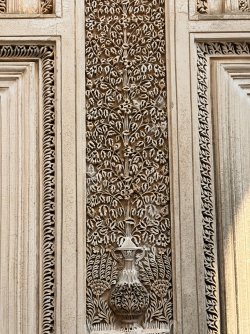
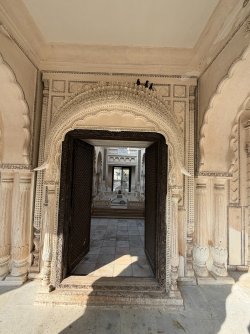
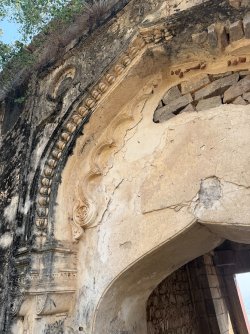
What stays with you is the detail. The tombs are covered in carved stucco, lace-like lattice screens, floral patterns, geometric borders, and domes that look delicate despite being made to last.

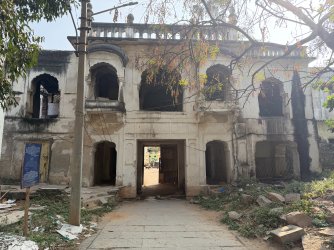
And then the present-day Hyderabad presses in. The tombs sit amid modern neighbourhoods, and the contrast is unavoidable: elaborate memorials surrounded by ordinary city life, with the sense that the living have been steadily negotiating the available space for decades. Parts of the complex feel cared for, and other parts feel like they’ve been left to the long, slow work of weather, weeds, and missing pieces.

Walking through, you get that familiar Hyderabad twinge, the one that comes from seeing grandeur that has survived, but not intact. The stonework and plaster still carry real elegance, but they also carry absence, as if the site is doing its best with what history allowed it to keep.

IMG_0725.jpeg
IMG_0727.jpeg
IMG_0728.jpeg

IMG_0731.jpeg
IMG_0732.jpeg
IMG_0733.jpeg
IMG_0734.jpeg
IMG_0736.jpeg
IMG_0737.jpeg
IMG_0739.jpeg
IMG_0741.jpeg
IMG_0742.jpeg
IMG_0744.jpeg
IMG_0745.jpeg
IMG_0746.jpeg
IMG_0747.jpeg
IMG_0749.jpeg
IMG_0750.jpeg
IMG_0752.jpeg
 
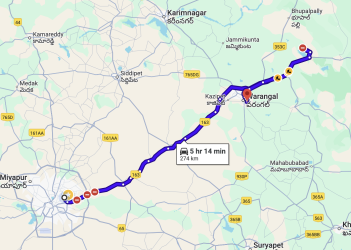
Day Trip to Ramappa Temple and Warrangal Fort (from last year's trip)

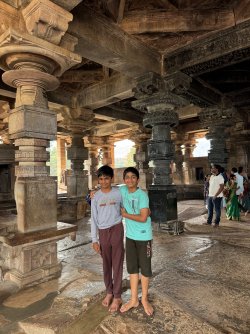
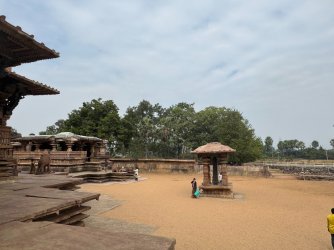
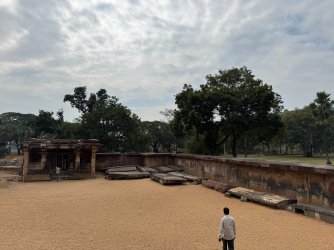
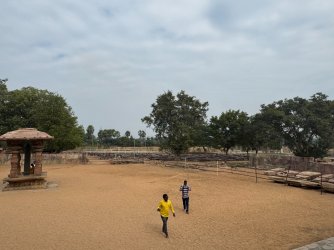
We embarked on a day trip to visit the historic Ramappa Temple and Warangal Fort. The touring party included the Somebol clan, plus my brother’s son and daughter. I also braved driving there myself, an experience that deserves its own entry in the annals of personal courage and defensive driving.

The kids took to the adventure immediately, clambering through corridors, scanning walls for carvings, and exploring every nook and cranny. They loved exploring these places so much that they remained blissfully unaware of my real agenda: a carefully engineered, heritage-themed operation to keep them away from their devices.

1767320769328.png

Ramappa Temple

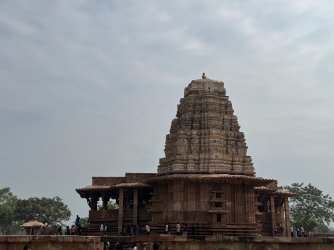
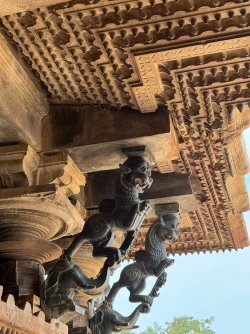
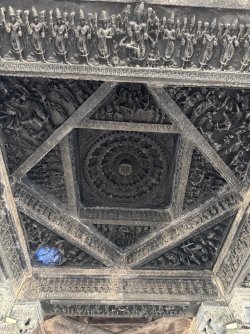
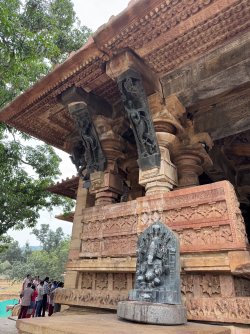
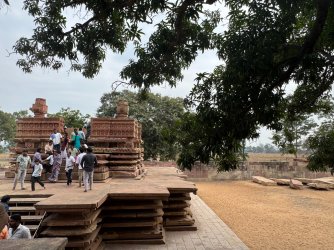
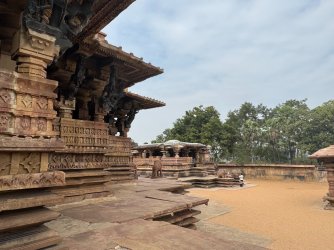
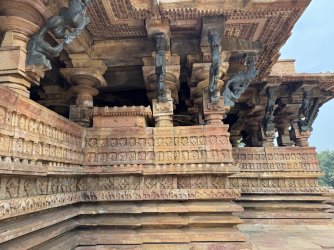
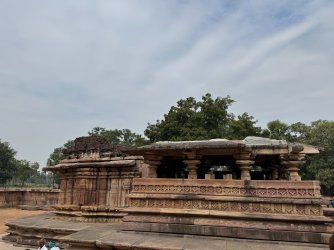
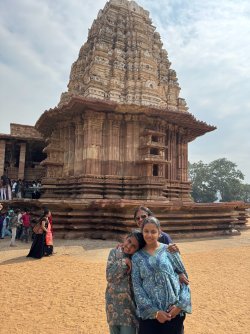
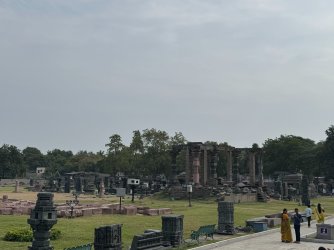
Ramappa Temple (UNESCO World Heritage site), also known as the Rudreshwara temple, is a 13th-century Kakatiya-era Shiva temple located at Palampet (near present-day Warangal). It is generally dated to around 1213 CE, commissioned during the reign of Ganapati Deva and traditionally associated with the general Recharla Rudra. Architecturally, it is a classic Kakatiya composition: a main sanctum and mandapa set on a raised, star-shaped platform, supported by finely finished pillars and surrounded by richly carved stonework, especially on the bracket figures and decorative bands. One of its best-known technical features is the use of lightweight, porous bricks in the superstructure, often described locally as “floating bricks,” which helped reduce the load on the roof and tower. It is the only temple to be named after it's architect rather than the presiding deity.

IMG_2369.jpeg
IMG_2375.jpeg
IMG_2376.jpeg
IMG_2378.jpeg
IMG_2380.jpeg
IMG_2386.jpeg
IMG_2387.jpeg
IMG_2391.jpeg
IMG_2394.jpeg
IMG_2395.jpeg
IMG_2396.jpeg
IMG_2399.jpeg
IMG_2400.jpeg
IMG_2397.jpeg
IMG_2401.jpeg
 

Attachments

  • IMG_2398.jpeg
    IMG_2398.jpeg
    1.5 MB · Views: 4
  • IMG_2374.jpeg
    IMG_2374.jpeg
    3.9 MB · Views: 4
Warangal Fort

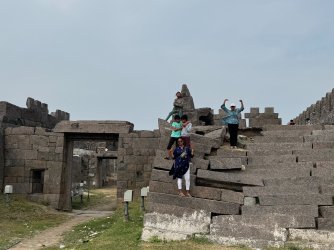
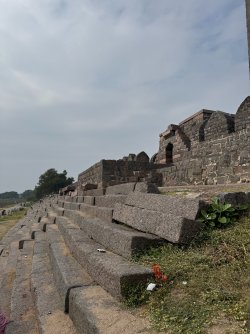
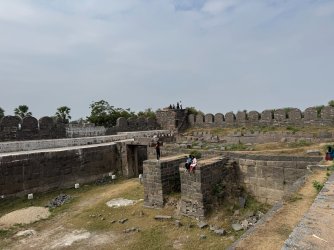
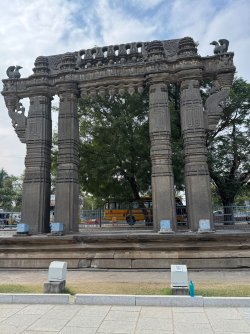
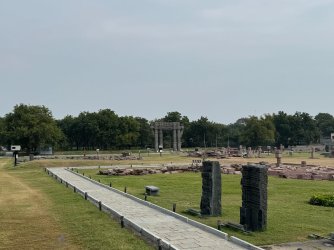
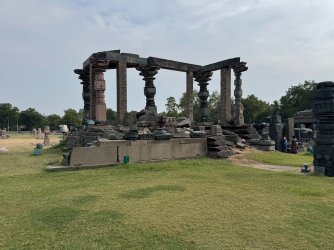
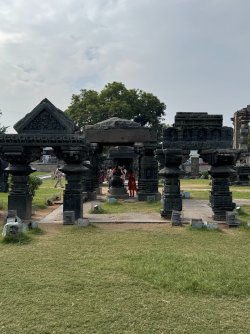
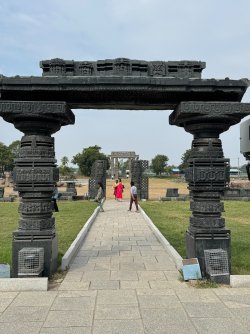
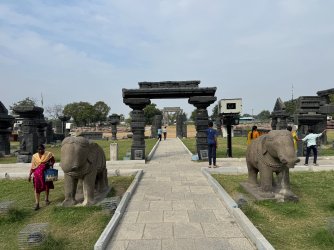
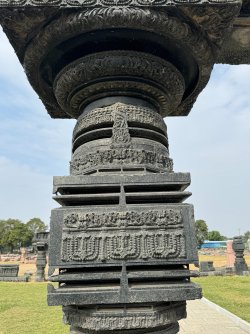
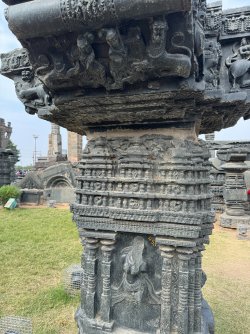
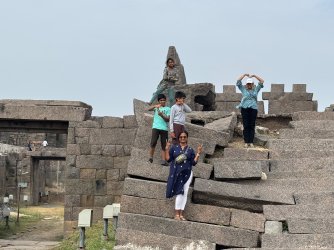
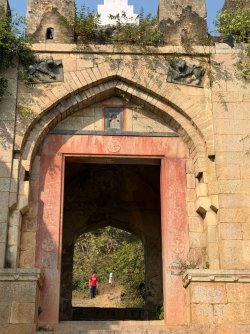
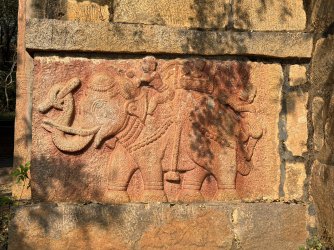
Warangal Fort is one of the strongest surviving statements of Kakatiya ambition, built and expanded between the 12th and 14th centuries when Warangal was their capital. What remains today is less a single “fort” and more a layered defensive and sacred landscape: stone gateways, thick walls, earthwork ramparts, and the ruins of temple complexes that once sat at the heart of the citadel. The most iconic elements are the four great ornamental gateways, the Kakatiya Kala Thoranam, which originally framed an important temple precinct.
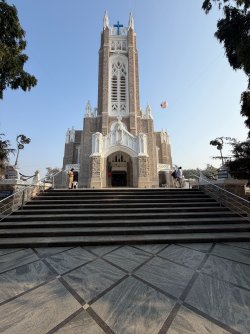
Warangal was fought over repeatedly, and the Kakatiya kingdom fell after invasions from the Delhi Sultanate in the early 14th century. The site continued to be used and altered under later rulers, but the Kakatiya layer is what still dominates the feel of the place.

IMG_2403.jpeg
IMG_2406.jpeg
IMG_2407.jpeg
IMG_2408.jpeg
IMG_2412.jpeg
IMG_2409.jpeg
IMG_2415.jpeg
IMG_2417.jpeg
IMG_2419.jpeg
IMG_2422.jpeg
IMG_2424.jpeg
IMG_2425.jpeg

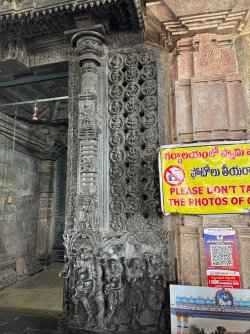
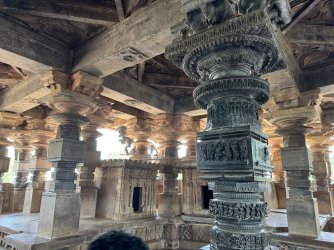
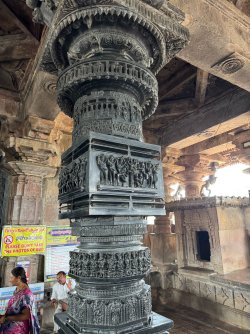
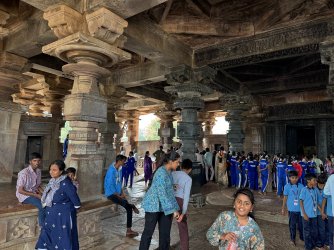
1000 Pillars Temple

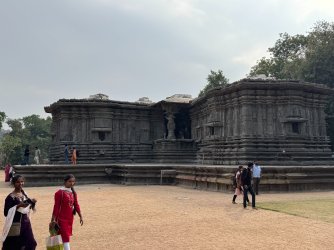
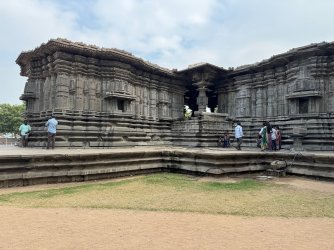
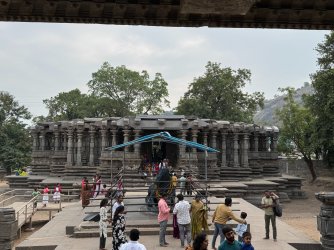
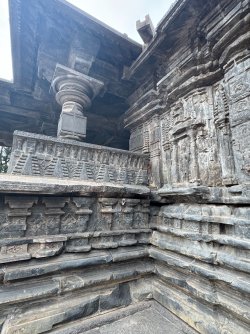
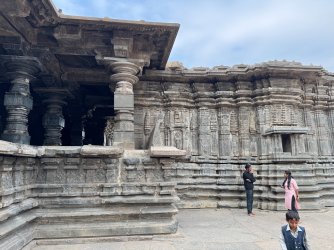
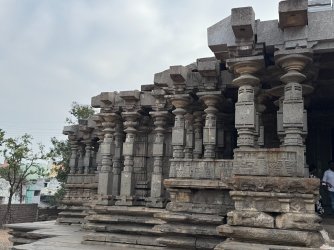
Thousand Pillar Temple in Hanamkonda is a 12th-century Kakatiya-era temple, generally dated to around 1163 CE and associated with King Rudra Deva. Architecturally it’s a trikutalaya, a three-shrine layout dedicated to Shiva, Vishnu, and Surya, set on a star-shaped platform and built with the Kakatiyas’ trademark precision. The temple is celebrated for its richly carved, closely spaced pillars and lathe-turned stone work, where the geometry feels deliberate rather than decorative.

Like many Kakatiya monuments, the temple’s history includes damage and loss over the centuries, so the experience today is a mix of surviving brilliance and missing pieces.

IMG_2426.jpeg
IMG_2431.jpeg
IMG_2433.jpeg
IMG_2436.jpeg
IMG_2437.jpeg
IMG_2438.jpeg
 

Attachments

  • IMG_2405.jpeg
    IMG_2405.jpeg
    1.7 MB · Views: 3
Thank you so much for taking the trouble to write up the details and the history. I could so plan another trip to India reading this!

I also braved driving there myself, an experience that deserves its own entry in the annals of personal courage and defensive driving.

Medal for bravery, with bar and cluster.
 

Become an AFF member!

Join Australian Frequent Flyer (AFF) for free and unlock insider tips, exclusive deals, and global meetups with 65,000+ frequent flyers.

AFF members can also access our Frequent Flyer Training courses, and upgrade to Fast-track your way to expert traveller status and unlock even more exclusive discounts!

AFF forum abbreviations

Wondering about Y, J or any of the other abbreviations used on our forum?

Check out our guide to common AFF acronyms & abbreviations.
Back
Top