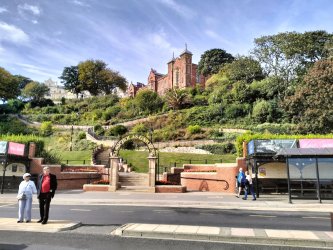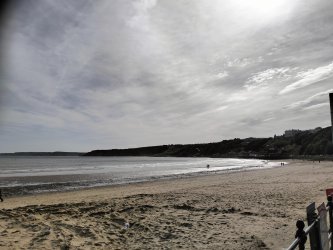





Back to the UK after 50 years

We spent 6 days in and around York so I will break it up into manageable bites.

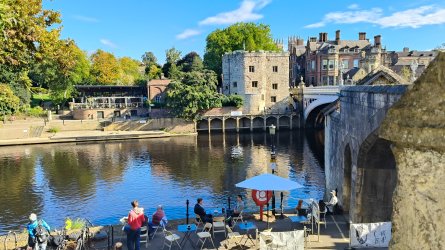
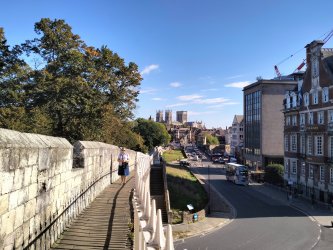
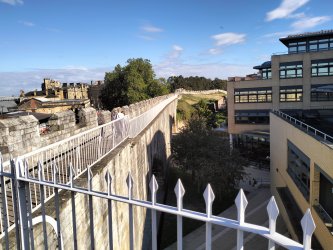
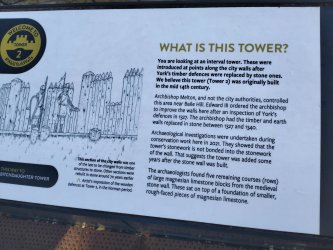
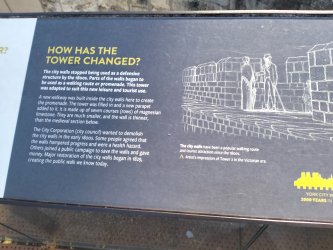
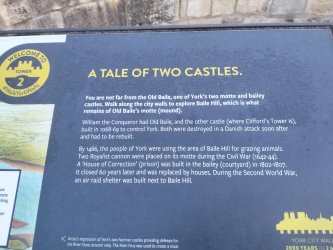
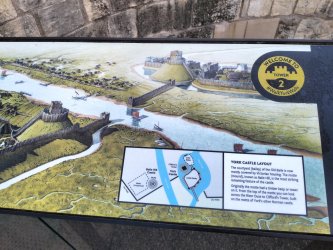
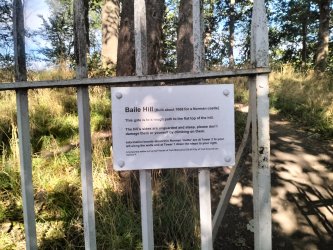
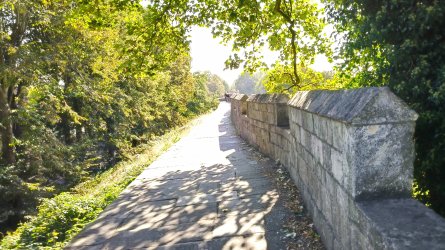
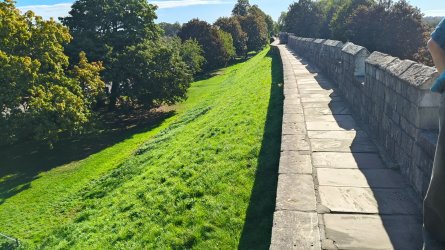
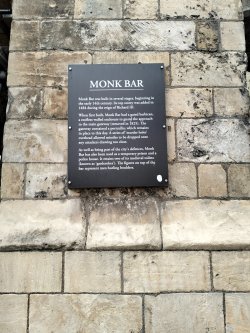
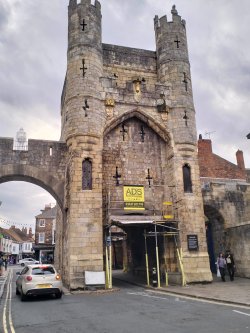
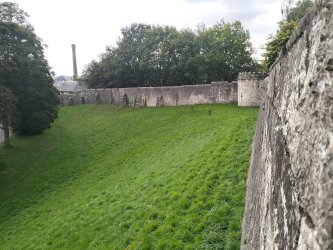
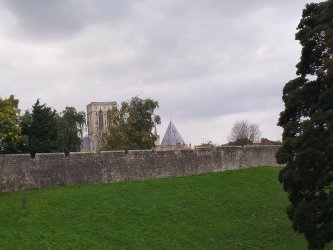
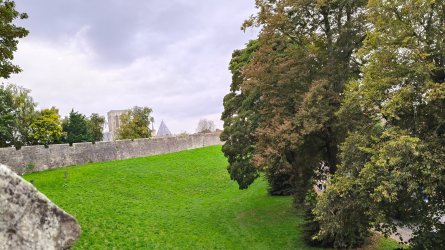
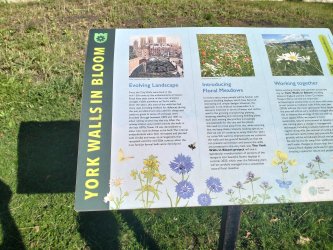
The city walls - "The city or ‘bar’ walls of York are the most complete example of medieval city walls still standing in England today"


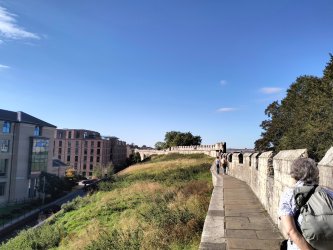
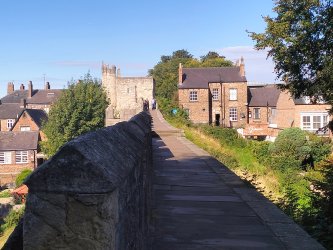
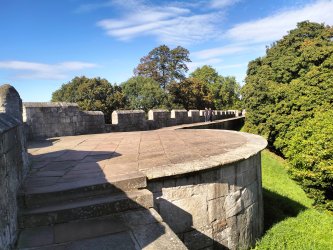
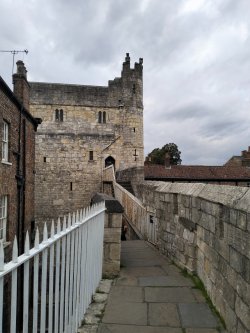
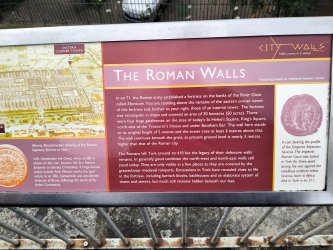
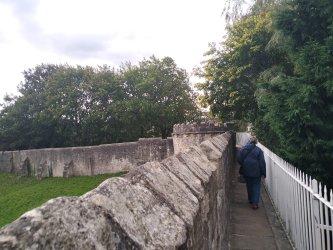
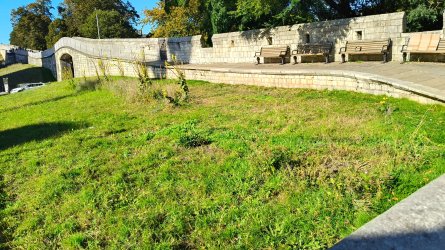
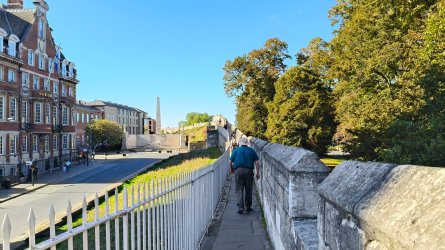
The first walls were erected in AD 71 by the Romans. Most of the current walls date from the 13th - 14th C. Roughly 3.4 km is walkable today. Not quite the same as the walls of Carcassonne but still a pleasant walk. We did the walk over two days as it is 'broken' up by the loss of certain parts of the fortifications. On our first day there we had absolutely lovely weather and on our last drizzly, gloomy weather.
1.jpg

30.jpg

31.jpg

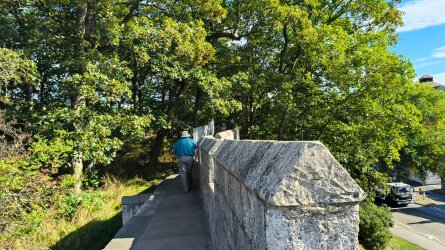
The walkway is often pretty narrow. I gather it was wider when in military use.
32.jpg

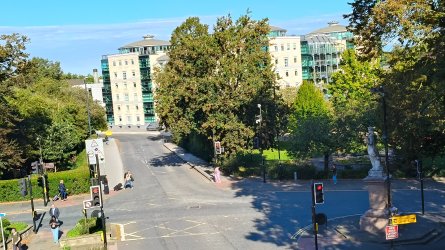
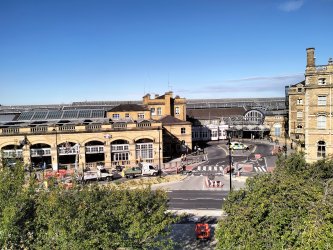
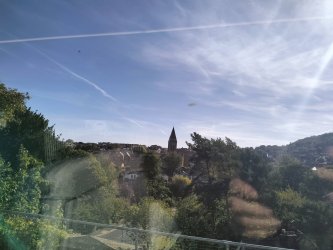
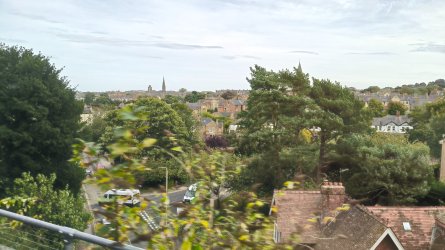
Our apartment building

33.jpg

4.jpg

5.jpg

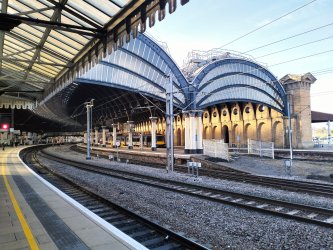
The railway station

7.jpg

8.jpg

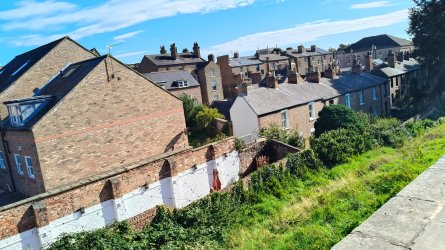
Lookin inwards. The housing comes right up to the inner ramparts
34.jpg

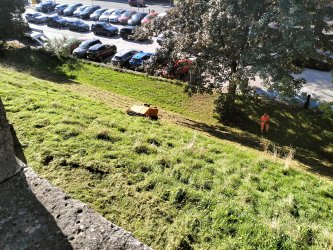
The city uses a interesting very stable machine to mow the steep banks
10.jpg

9.jpg
 
Last edited:
The final part

38.jpg

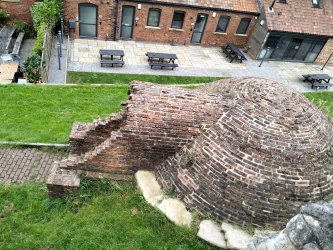
At first I thought that this was the remains of some type of kiln. But it was in fact an icehouse built around 1800.

19.jpg

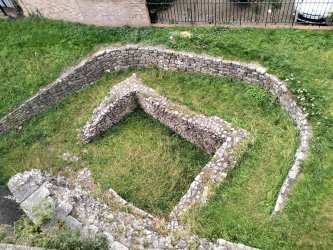
A remnant of the Roman Walls

23.jpg

21.jpg

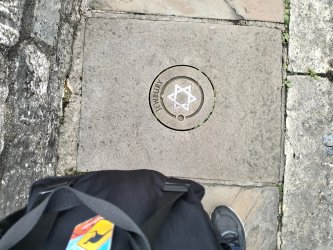
For some context - "one of only ten Jewish cemeteries in medieval England and the only to be extensively excavated"


24.jpg

It now lies beneath this Sainbury's car park

25.jpg

26.jpg

27.jpg

29.jpg

40.jpg

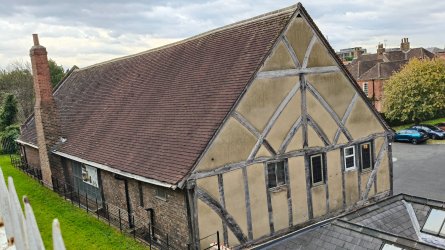
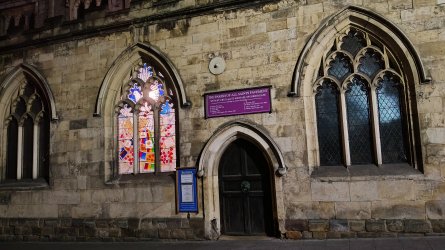
Merchant Taylors' Hall - "a medieval guildhall located on Aldwark in York, England. Constructed primarily in the late 14th century, it has served continuously as the headquarters of the Company of Merchant Taylors of the City of York for over 600 years."

39.jpg
 
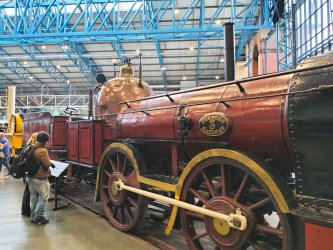
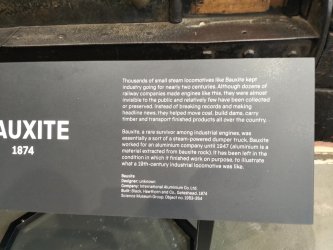
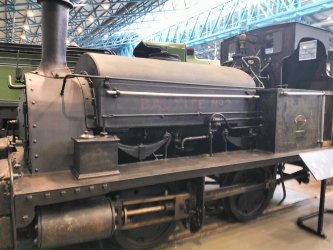
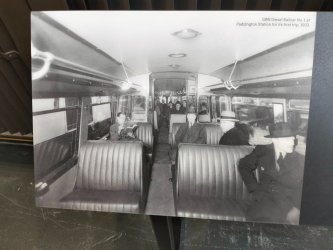
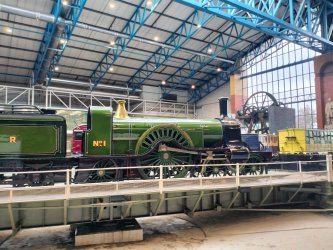
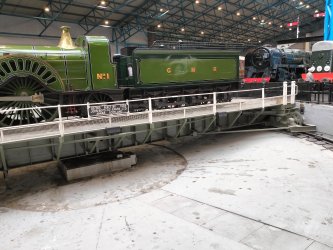
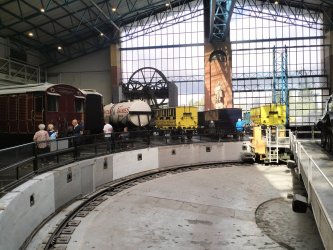
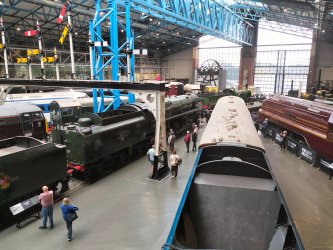
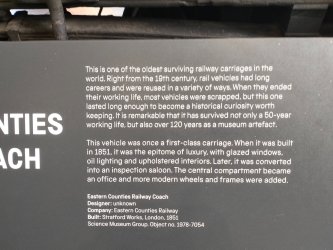
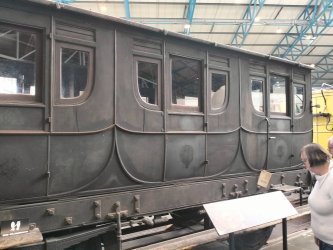
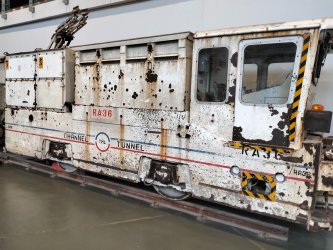
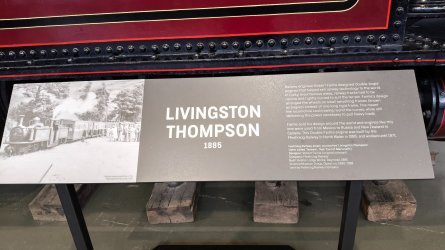
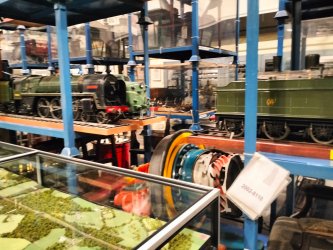
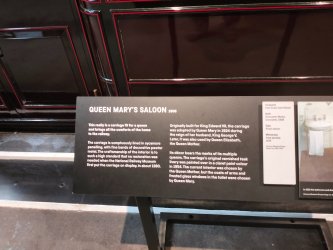
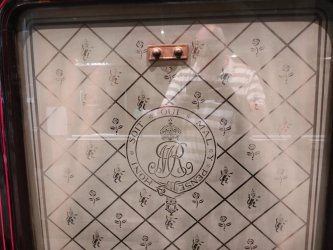
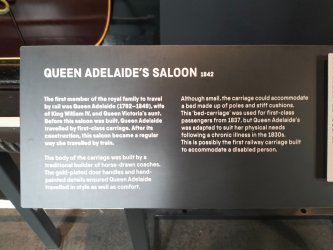
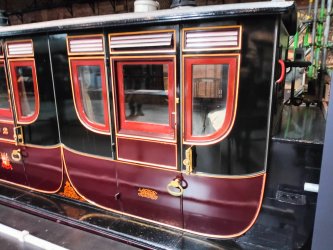
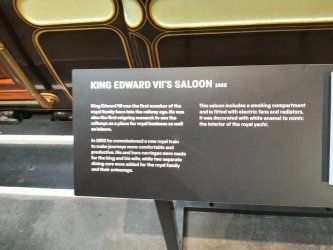
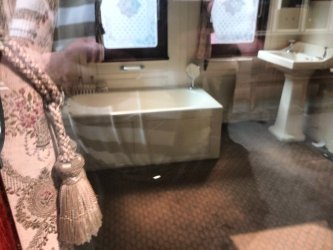
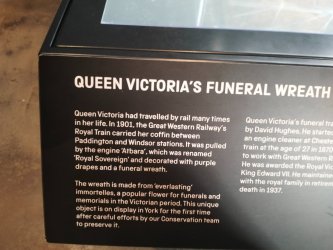
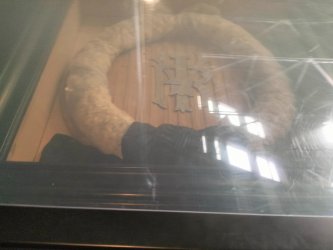
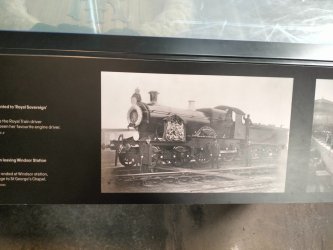
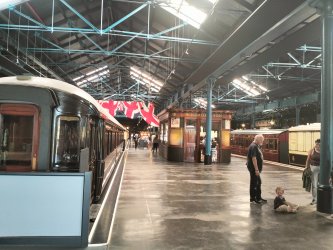
On our first morning in York we went to the National Railway Museum. A truly fabulous place for anyone with any interest in railway history or even industrial progress. The next few posts will contain LOTS of photos and some videos on this subject so feel free to ignore them if you so desire.


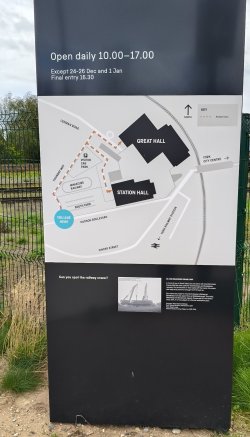
Normally the entrance would only have been a few hundred metres from where we were staying. But they are doing a lot of redevelopment so we had to walk in a big 'circle' to get there. A closer entrance has been opened in the last few days.

The entrance used to be between the Station Hall and Great Hall. Our apartment building was basically next to the arrow to the city centre.

1b.jpg

A couple of short videos giving an idea of the size and variety of the collection


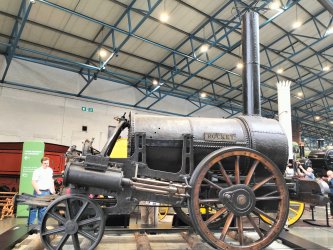
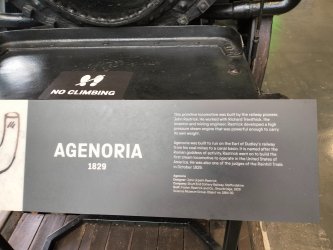
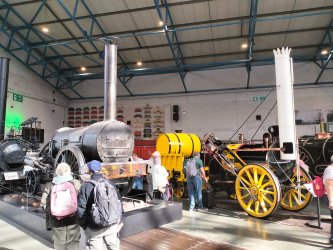
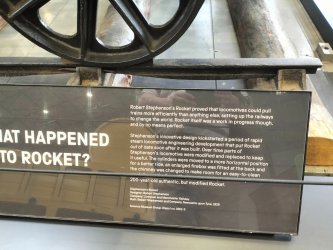
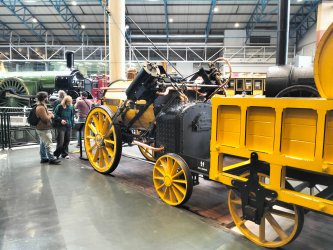
Arguably the most famous loco in history - Stephenson's Rocket 1829.

Stephenson's Rocket | Science and Industry Museum


It is displayed in its final form having been modified in various ways during its working life

5.jpg

7.jpg

A 1935 replica of the Rocket in its original form

6a.jpg

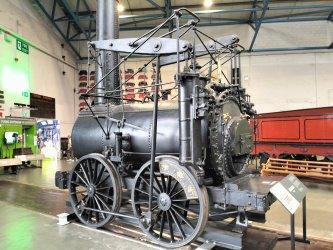
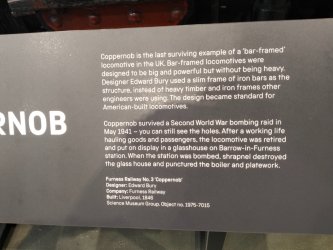
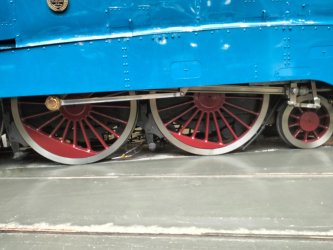
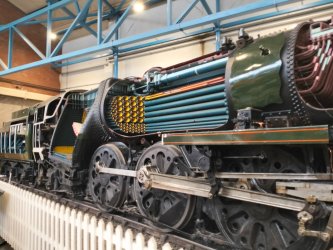
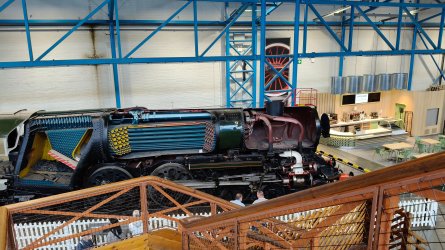
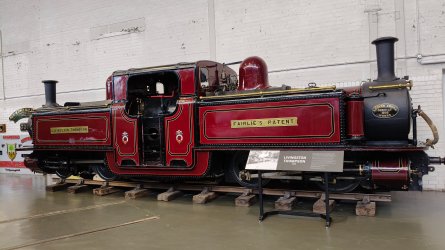
This locomotive must have been amazing to see in operation with all those levers and rods thrashing about

IMG20260923103146.jpg

80.jpg


2.jpg

1.jpg

10.jpg

9.jpg

11.jpg


12.jpg
 
Last edited:
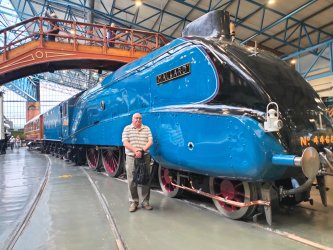
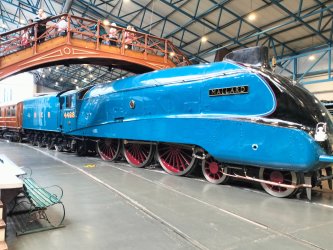
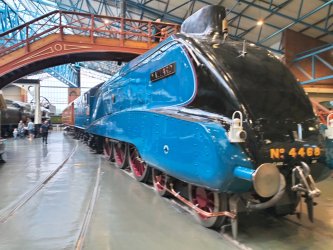
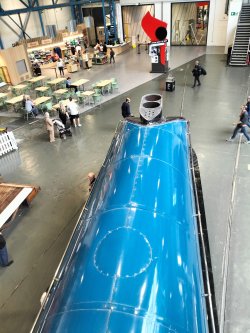
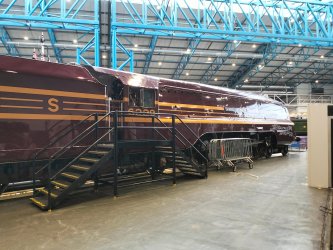
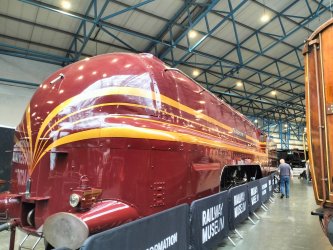
I got to fulfill one of my childhood ambitions here to see the Mallard. It has fascinated mw for decades. I think I must have first run across it in something like a 4th hand "Boys Own Annual" from the UK when I was under 10. Its streamlined lines and sense of immense, if out of date, power always remained with me.

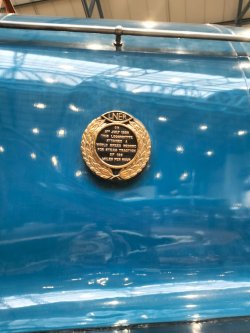
It didn't disappoint me in real life being absolutely beautiful and immaculately preserved. It operated from 1938 - 1963.


A video of another "Mallard Class" engine at high speed


In 1936, Nigel Gresley, the chief mechanical engineer of the LNER, ordered a new batch of six 4-6-2 "Pacific" Class A4 engines to be built at Doncaster Works. The A4s were known for their distinct streamlined and aerodynamic design and designed for hauling long-distance express passenger services at high speeds.

Born in 1876, Sir Nigel Gresley was an engineering powerhouse with a long list of achievements in his career. He designed A1 Flying Scotsman, the first locomotive to break 100mph in the UK, while Mallard combined a number of technical innovations—from the streamlined casing to the efficient Kylchap exhaust system—to make it a prime candidate for the steam speed record.

And here it is in all its art deco glory

18a.jpg

19.jpg

20.jpg

34.jpg

IMG20260923111541.jpg

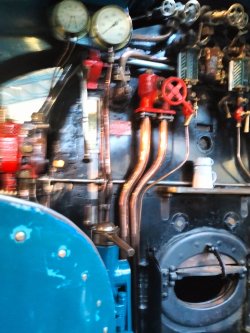
The drivers cabin seemed almost old fashioned compared to the body shape - not my best photo but the other one was even worse

38.jpg

35.jpg

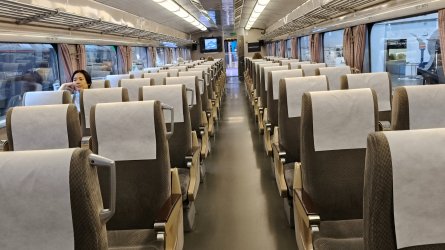
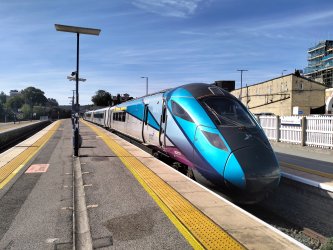
As a spoiler I got a surprise chance to see the only operational survivor of this class of trains at a station a few days later and took some photos and a video.
 
Read our AFF credit card guides and start earning more points now.

AFF Supporters can remove this and all advertisements

IMG20260923104428.jpg

IMG20260923104419.jpg

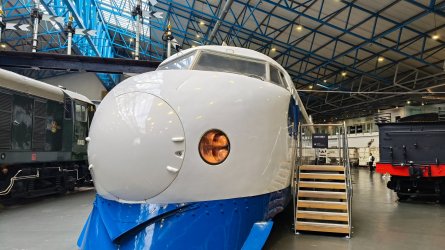
There was even a Shinkansen - "A 1976-built 0 Series Shinkansen car, which is one of only two Japanese bullet trains preserved anywhere outside of Japan. The 0 Series represents the world's first high-speed rail system, launched in Japan in 1964 to connect Tokyo and Osaka"

IMG20260923110534.jpg

94.jpg

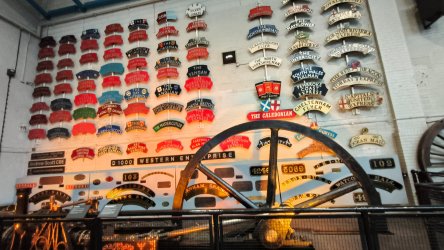
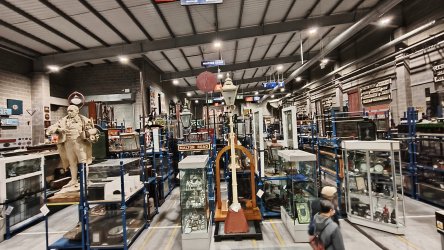
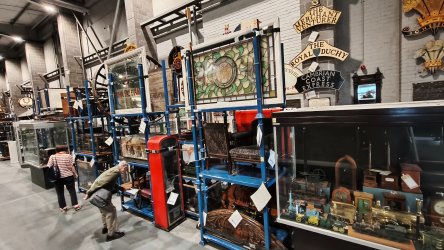
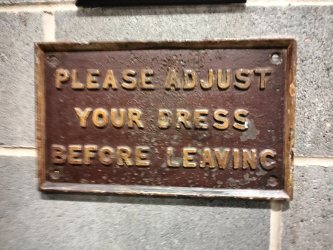
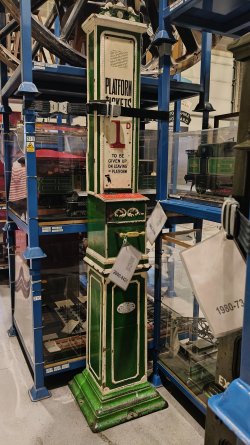
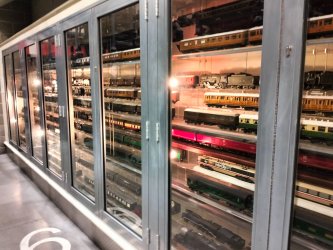
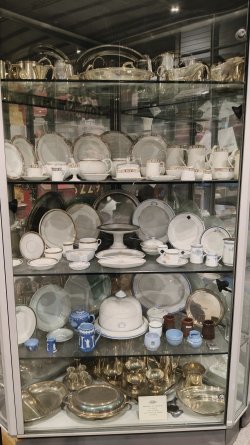
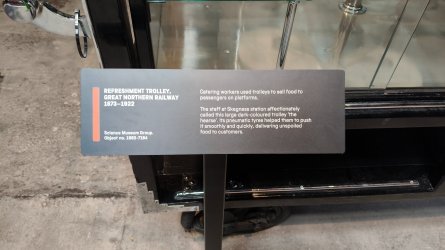
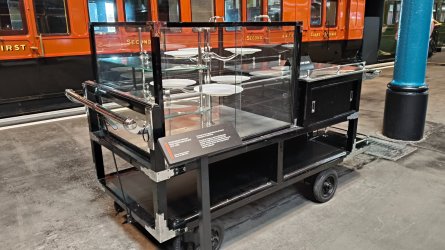
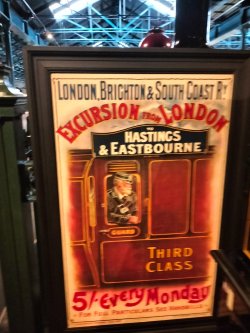
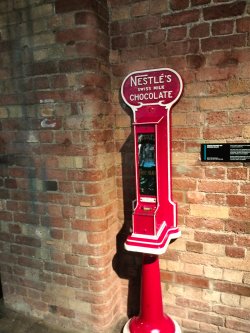
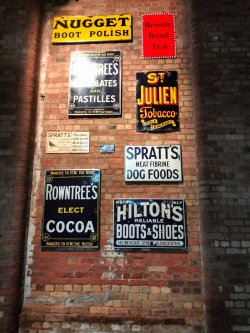
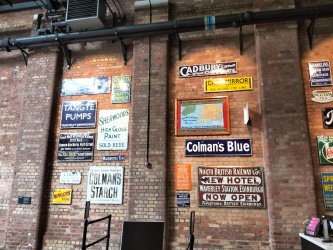
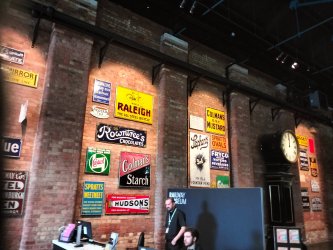
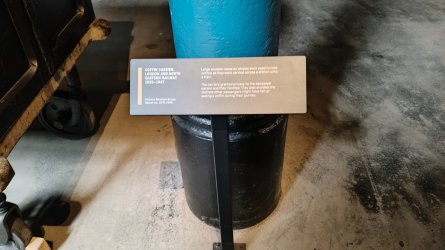
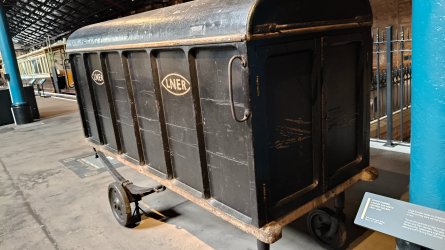
There was a vast collection of railway bric-a-brac and memorabilia

84.jpg

92.jpg

24.jpg

91.jpg

23.jpg

25.jpg

I am sure that I remember Platform Tickets from the Perth Railway Station in the early 1960's.

90.jpg

26.jpg

88.jpg

89.jpg
 
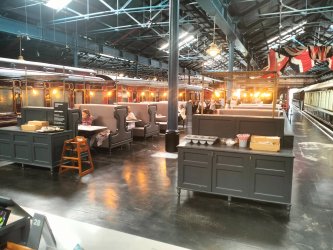
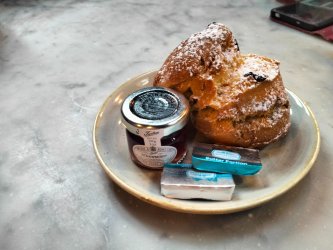
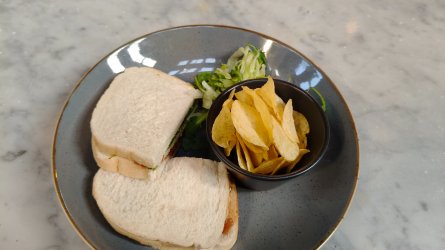
By this time we were running out of energy so we had brunch

This was another place where you had to either order via your phone or a couple of 'mounted' tablets. As usual this took twice as long as doing it the old fashioned way

52.jpg

51.jpg

Ploughman's Sandwich

112.jpg

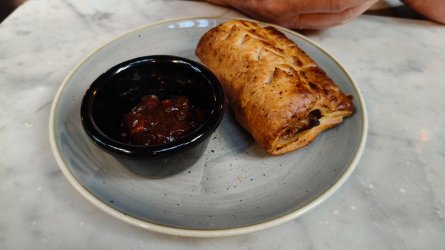
As usual in the UK the sausage roll was pork. Served with chutney

113.jpg

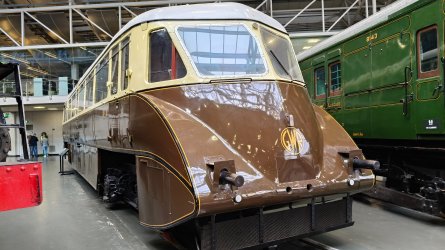
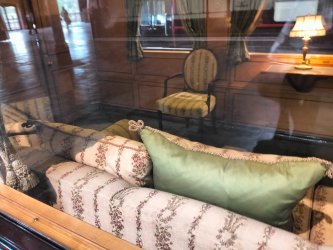
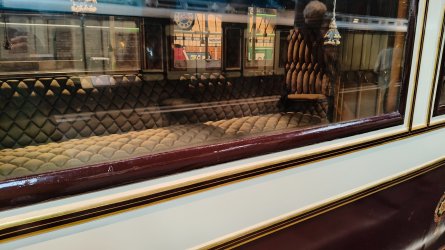
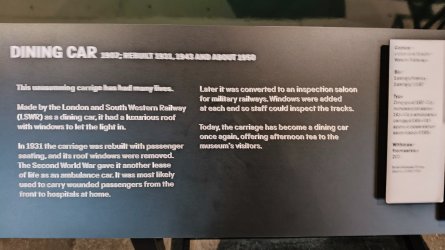
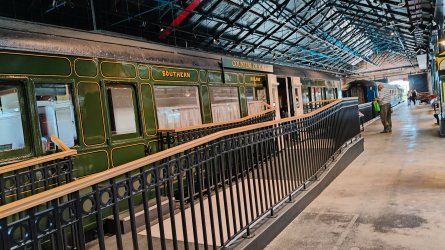
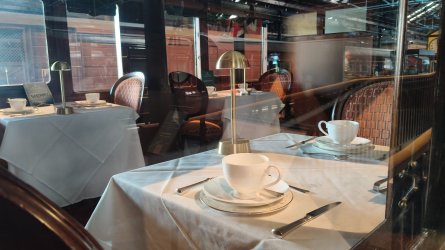
There was a flash dining carriage but it wasn't open

118.jpg

117.jpg

116.jpg

114.jpg

115.jpg

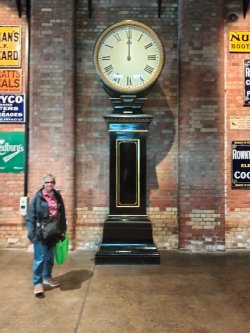
Some more memorabilia

A Hall Clock for someone?

71.jpg

50.jpg

53.jpg

70.jpg

I remember my mother using 'Blue' in her old gas fired copper.

72.jpg

73.jpg
 
56.jpg

121.jpg

122.jpg

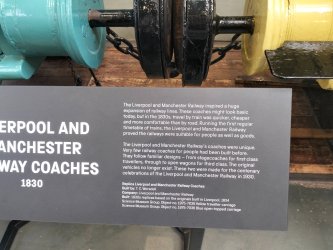
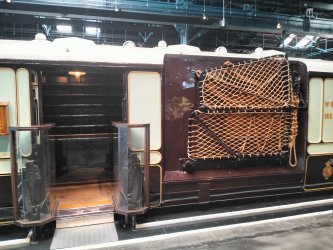
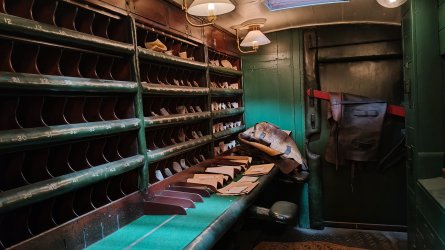
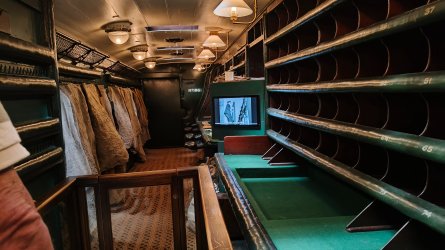
A Railway Post Office carriage used in various guises from 1830 to 1996. There is a great 1936 documentary about how they worked. I first it saw some 40 years ago - music by Benjamin Britain and some verses by W.H Auden


The nets were used to 'flip' hanging mail bags on board while the train was travelling at full speed. See around 6:10 on the documentary

55.jpg

The mail was sorted on board while on the move

119.jpg

120.jpg

After about 4 hours were were exhausted so we headed out - with some train toys for our grandsons

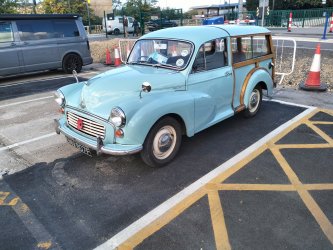
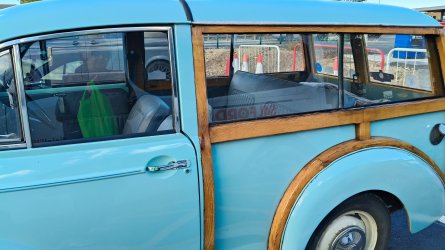
This Morris Traveller was outside the museum and it made my wife happy because her father one as the family car when she was young

75.jpg

IMG20260923133443.jpg

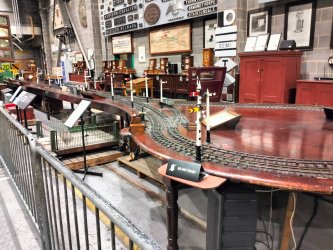
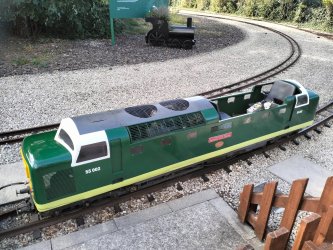
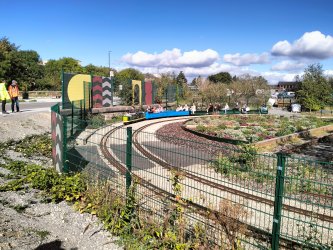
There was a large model railway in the grounds of the museum
74.jpg
76.jpg

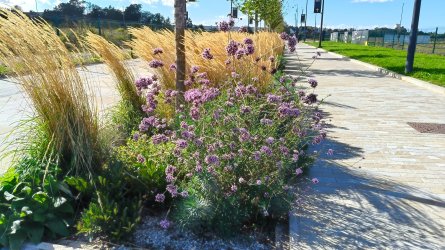
Some flowers on the museum pathway

123.jpg

A very definite recommendation for a visit if you are in York and it is still currently free to enter.
 
I loved my visit to that museum. I was a young train buff with my Hornby wind up train set. It is back sitting in our garage.
 
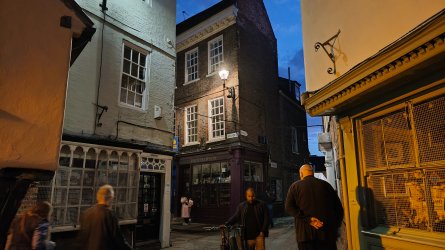
Back inside the city walls but at nighttime.

We always felt safe here. The only disturbance we had at night was about 50 drunken, half dressed teenage girls celebrating "Freshers Week" and roaming the streets in a pack while going from bar to bar.

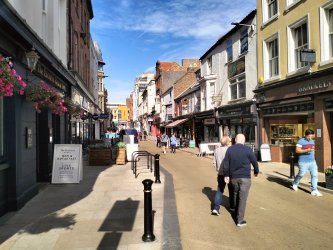
York is close to the hardest city I have visited to get my bearings. The streets mostly follow the rambling mediaeval layout. I thought I would be able to navigate by the spires of the Minster but often the streets are too narrow to see them. My 4G phone often failed to get a signal. Luckily there are some direction signs for lost tourists and we used them a lot.

The Minster

47.jpg

5r4.jpg

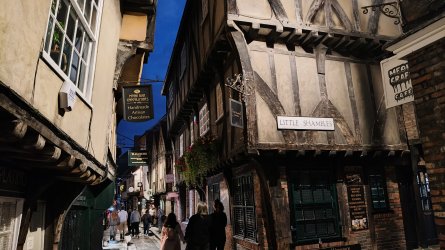
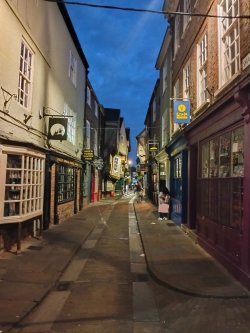
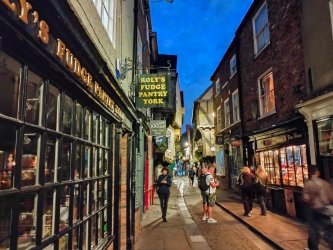
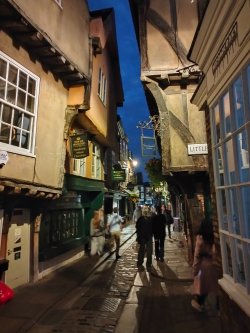
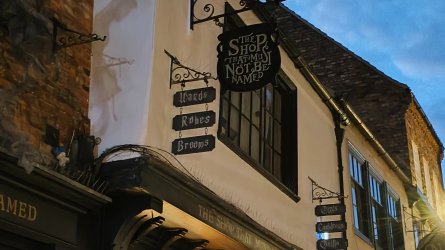
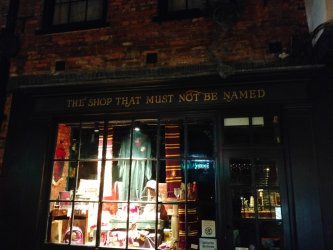
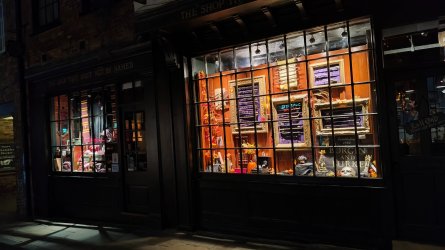
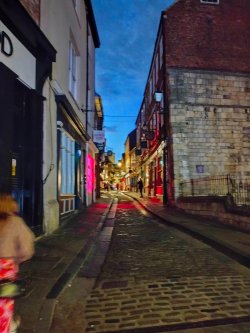
The Shambles - as featured in Harry Potter movies. "It was mentioned in the Doomsday Book of William the Conqueror in 1086. Many of the buildings on the street today date back to the late fourteenth and fifteenth century (around 1350-1475). The Shambles was a street of butchers’ shops and houses, many complete with a slaughterhouse at the back of the premises, ensuring a ready supply of fresh meat."


In think that it is better at night. Without the crowds of people that are usually there during the day it feels more 'authentic'. It is not as long as some photos seem to make it.

50.jpg

51.jpg

37.jpg

38.jpg

39.jpg

We had to buy some earrings from here for my 12 year old granddaughter - and she was delighted with them.

53.jpg

40.jpg

52.jpg

41.jpg
 
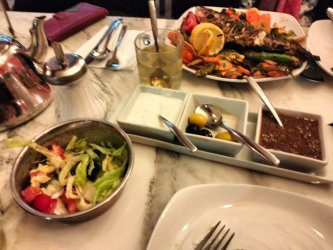
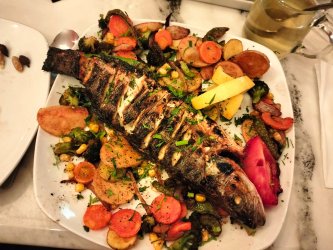
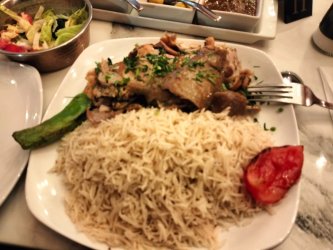
We had a 'middle eastern' meal at the Kabul and Istanbul Restaurant. The food was good, the serves very large and the staff extremely friendly.

43.jpg

44.jpg

45.jpg​

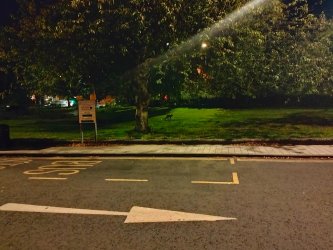
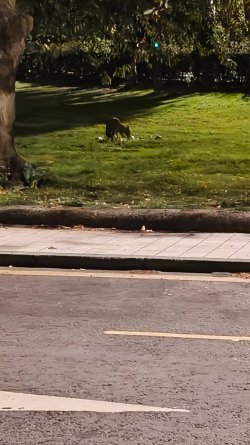
A suburban fox on the prowl

46.jpg

55.jpg

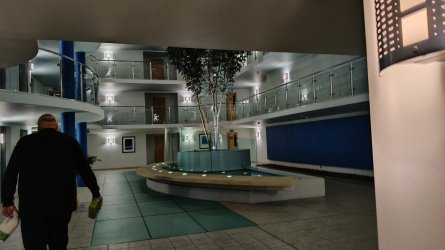
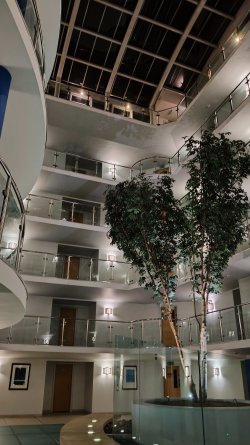
The foyer of our building - we were on the ground floor. The outside doors required an electronic fob to be opened and there was a concierge on duty during the day.

56.jpg

57.jpg

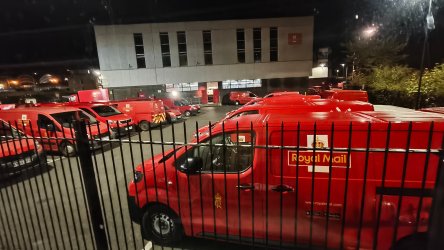
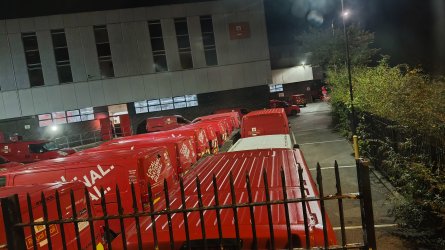
The car park view was even more special at night. That is the railway station in the left background

58.jpg

IMG20260922005832.jpg
 
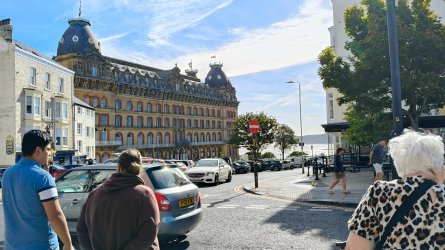
On our second day we did a day trip to Scarborough. In 1976 we were driving around Yorkshire when we decided to visit Scarborough. Unfortunately it was a Bank Holiday and the was a massive traffic jam about 10 km out of town so we turned around. Ever since I had always wanted to complete the trip. Unfortunately this was one of those dreams covered by the saying 'be careful what you wish for in case your wish come true'. Much of Scarborough was run down and depressed with peeling paint and tired buildings. When we went on our bus trip to Whitby a few days later the driver said that money had been spent on Whitby over the last few years but Scarborough had missed out.


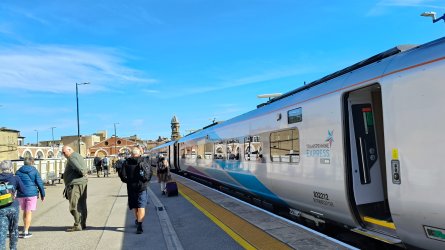
We caught the train at the farthest end of the station in York

1.jpg

Just out of York Station

49.jpg

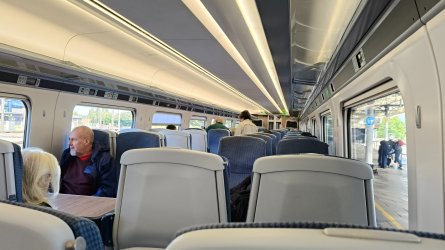
It was a pretty comfortable train but the rail line to Scarborough is probably the roughest 'main line' I have been on. In the middle part of the trip the train bounced, rocked and rolled. I assume a result of the years of 'austerity' in the 2010's. My phone kept loosing this signal on the trip as well. This wasn't uncommon while we were in the UK. The mobile coverage seemed surprisingly patchy to me.

48.jpg

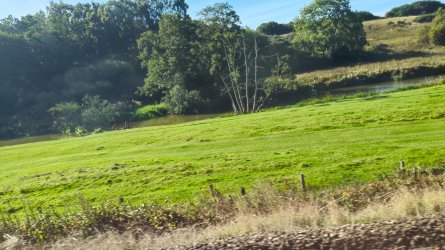
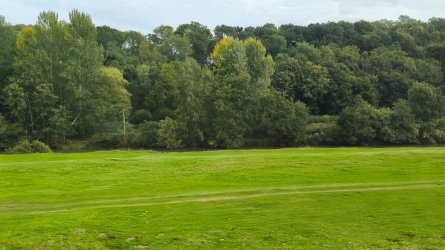
During the trip we did pass through some bucolic countryside.

51.jpg

83.jpg

84.jpg

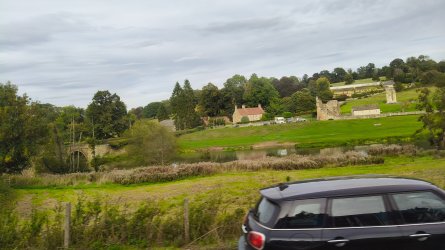
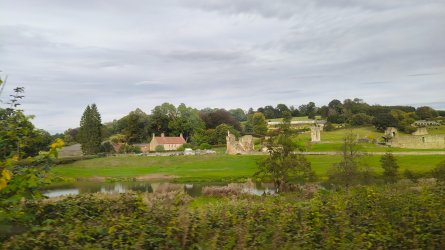
The train also passed some ruins on the banks of the Derwent River that we were actually familiar with. These are the ruins of Kirkham Priory - my family name. We visited them in 1976.


85.jpg

86.jpg

The outskirts of Scarborough - coming and going

3.jpg

81.jpg

Our train

4.jpg

53.jpg

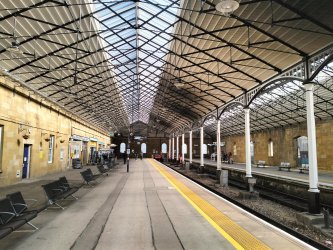
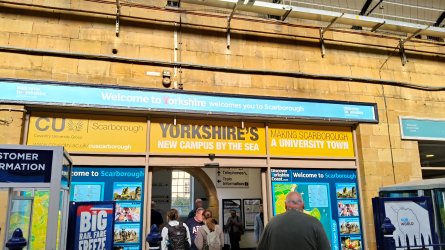
The station was opened in 1845 - not a lot has been improved since then.

5.jpg

54.jpg
 
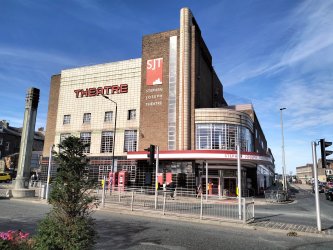
Across the road from the station is a nice art deco theatre. Built in 1936 as an Odeon Cinema

6.jpg

It was about a 1km walk from the station to the beach. We passed a nice little mall - Huntriss Row

7.jpg

Our first view of the North Sea

57.jpg

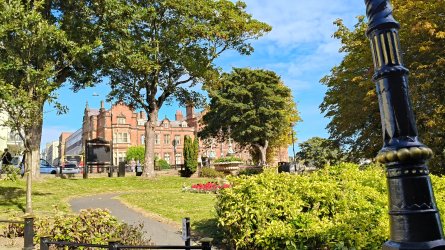
St Nicholas Gardens

60.jpg

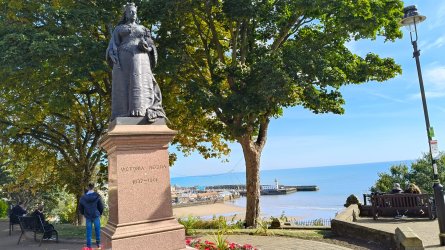
With a statue of Queen Victoria

58.jpg

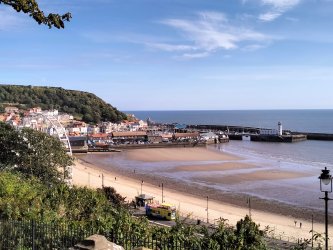
The view over South Bay. It was lovely day except for a bit of wind that increased during the day

9.jpg

We then spotted this

8.jpg

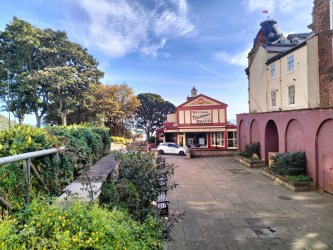
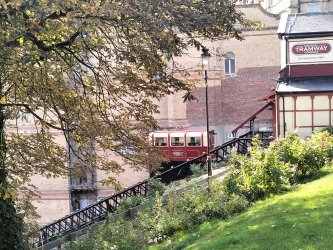
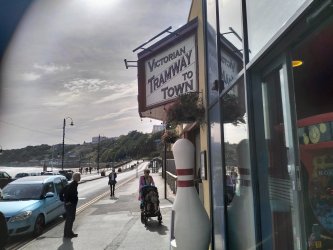
I am a sucker for a funicular railway so we used it both ways. It is operated by -- "the oldest surviving Tramway Company in the UK, as the original corporation still operates the funicular today. Built in just 6 months between January and August 1881"


10.jpg

The bottom station

IMG20260924131420.jpg

The gardens from below

29.jpg

Because of the sun it was very hard taking photos looking south

IMG20260924131253.jpg
 

Become an AFF member!

Join Australian Frequent Flyer (AFF) for free and unlock insider tips, exclusive deals, and global meetups with 65,000+ frequent flyers.

AFF members can also access our Frequent Flyer Training courses, and upgrade to Fast-track your way to expert traveller status and unlock even more exclusive discounts!

AFF forum abbreviations

Wondering about Y, J or any of the other abbreviations used on our forum?

Check out our guide to common AFF acronyms & abbreviations.
Back
Top