



Back to the UK after 50 years

Finishing off Chester. If you are nearby it is well worth spending a few hours here.

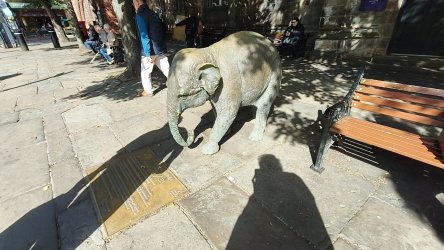
Outside the Town Hall - a bronze statue gifted to the city by the Chester Zoo
54.jpg

Grosvenor Bride - "This elegant stone bridge across the River Dee, seen from the city wall as you pass Chester Castle, is actually a Grade I listed building. It was the longest single-span arched bridge in the world when it was opened by (the then) Princess Victoria in 1832"
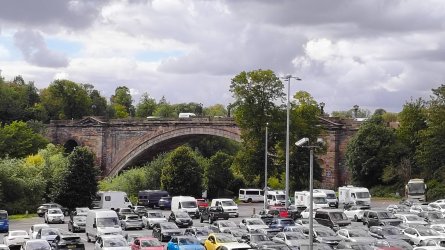
50.jpg

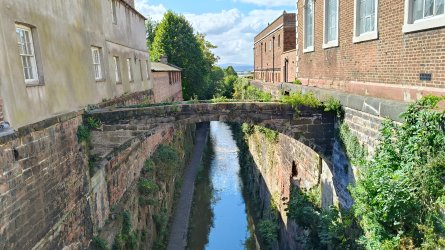
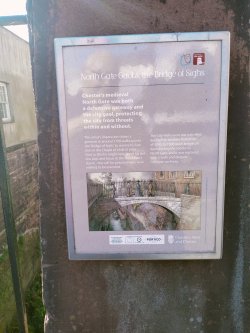
Another "Bridge of Sighs"

55.jpg

59.jpg

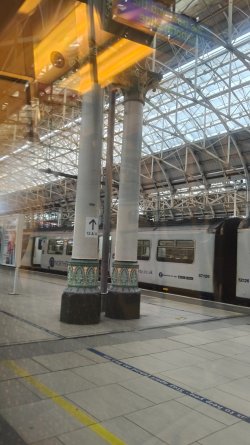
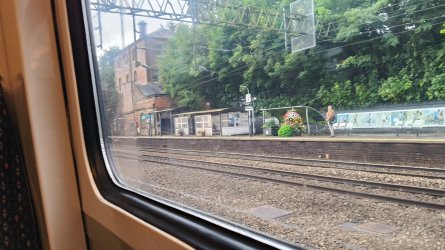
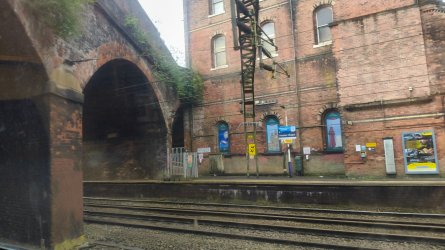
The train trip to and from Chester was not the most scenic one I have ever taken. The line often runs through cuttings or with trees hiding it from view. And when views were available they were often just of flat farmland.
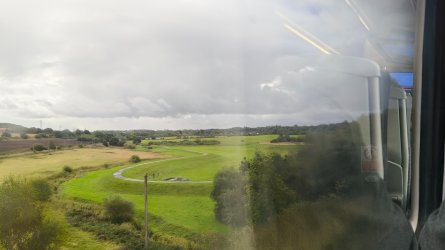
56.jpg

This was one of the more exciting sights
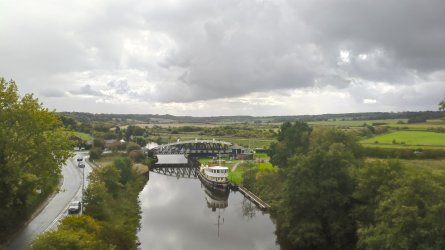
57.jpg

Occasionally you would pass by a small town
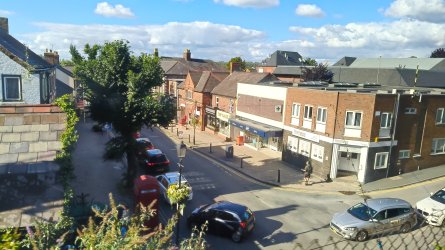
IMG20260909161140.jpg

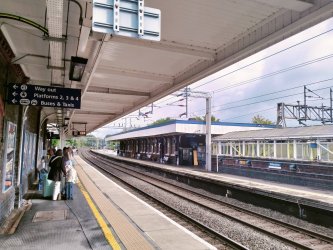
Once again we got both English and Welsh language information
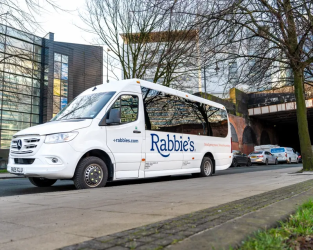
 
Our second day trip was a mini-bus tour to the Lake District. This can be visited by train from Manchester but then you are restricted as to what areas you can see. The company we went with was Rabbie's Tours and the price was £164 including a 45 minute 'cruise' on Lake Windermere. Due to traffic delays on the return trip it turned out to be close to an 11 hour trip.

We had visited the Lake District in 1976 and it was so cold and wet we spent very little time there. Unfortunately this pattern repeated itself as we experienced the coldest and wettest day of our trip.

A stock photo of one of their vans. All the tour companies seem to use the same 18 seat Mercedes vans and their prices are basically identical.

1791446316566.png

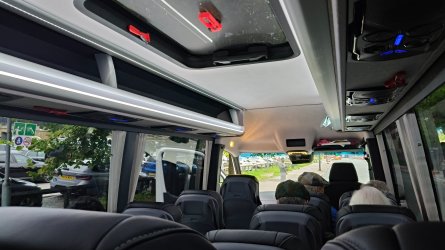
The inside of the van. It was pretty comfortable but a little short on legroom. I sat in the middle rear seat so I could stick my legs out but this also meant I was right over the rear axle so it was a bit bumpy.

31.jpg

On the way out of Manchester

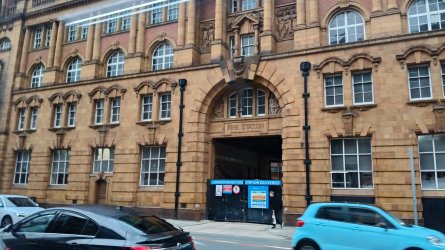
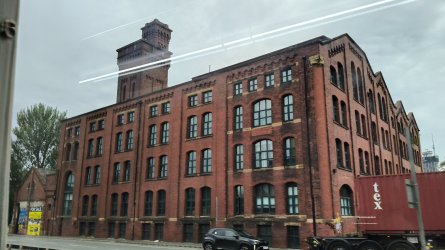
London Road Fire Station opened 1906 and shut down in 1986 with a variety of failed redevelopment schemes since then.
32.jpg

A former cotton mill - Victoria Mill built between 1869 - 1873. It operated until 1960 and is now mixed residential/commercial use.

33.jpg

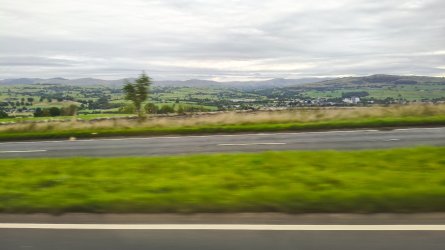
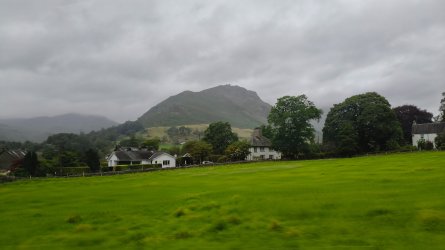
A bit of rolling countryside

34.jpg

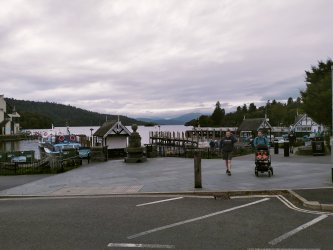
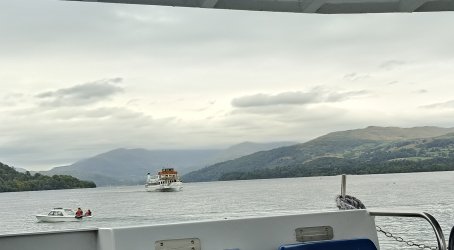
Bowness Pier on Lake Windermere

17.jpg

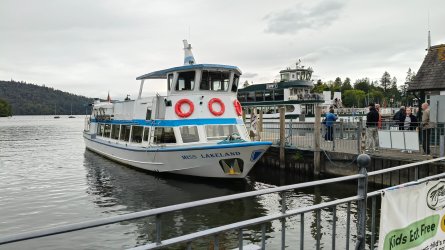
Our boat

46.jpg

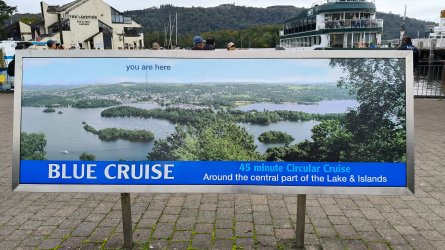
The tour

47.jpg

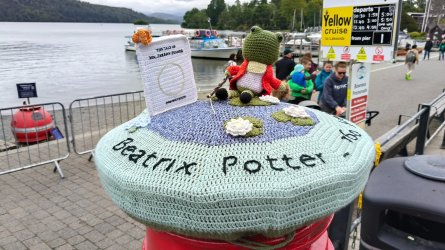
My wife found this little display

50.jpg
 
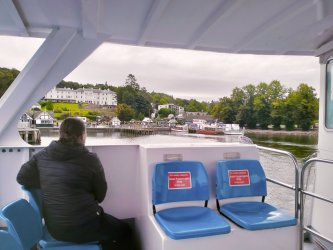
From the boat.

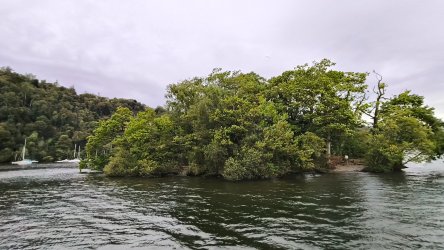
Leaving the pier

1.jpg

13.jpg

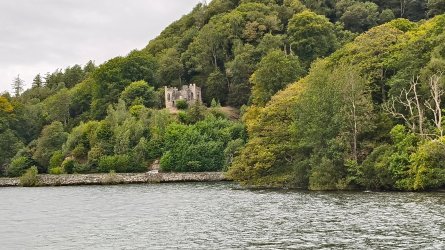
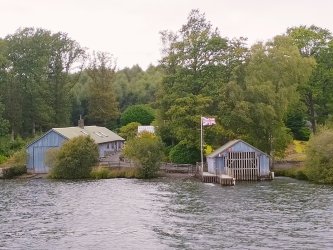
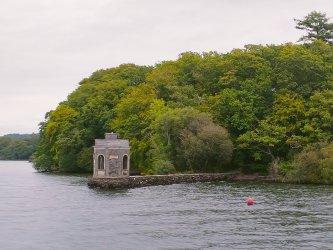
Claife Viewing Station is a 19th century viewing platform on the western shore of Windermere, designed with coloured glass panels to frame scenic views of the Lake District.
37.jpg
42.jpg

40.jpg

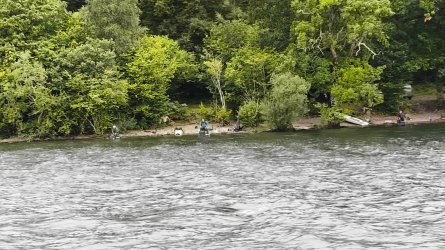
Some fishermen

38.jpg

5.jpg

39.jpg

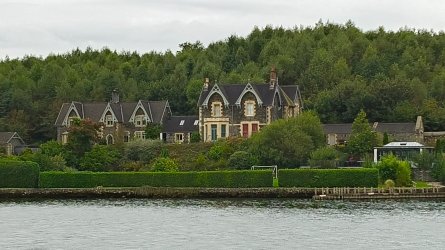
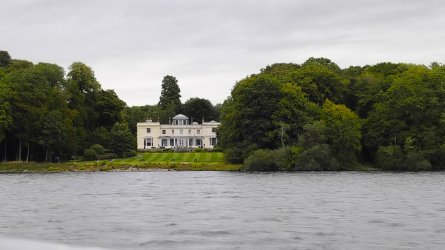
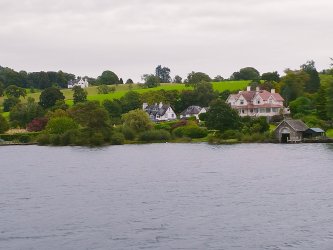
Storrs Hall Hotel

41.jpg

7.jpg

8.jpg

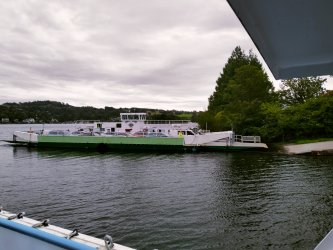
Car ferry

9.jpg

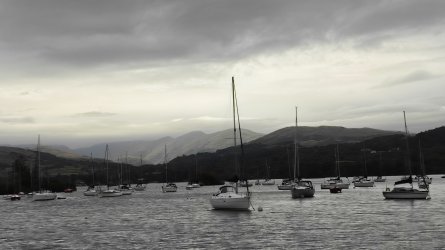
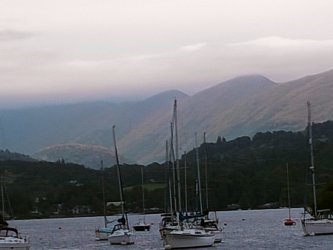
As good as the weather got for the day

44.jpg

11.jpg

45.jpg

43.jpg


They are made of sterner stuff than me. Being out on paddleboards in this weather - brr.

 
Last edited:
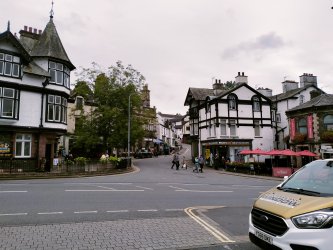
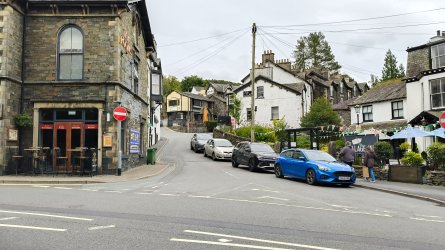
We had time for a quick walk around Bowness. I can't imagine how crowded it would be in peak periods. It was not the most scenic town I have seen.

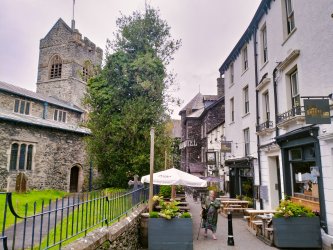
Old Bowness

15.jpg

48.jpg

Bowness

16.jpg

49.jpg

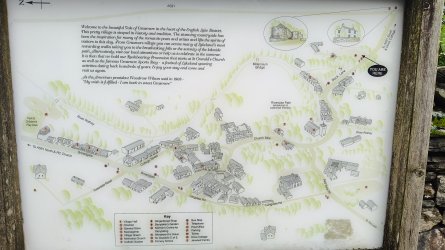
Then we moved onto towards Grasmere

51.jpg

52.jpg

53.jpg

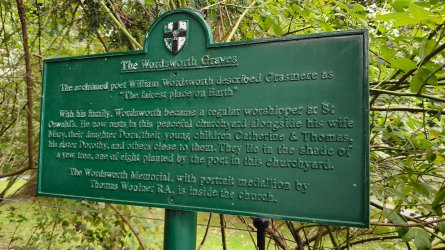
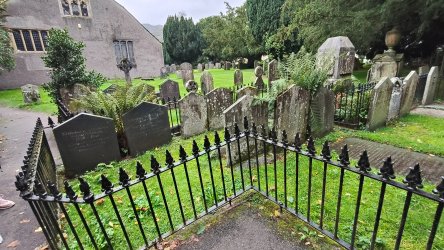
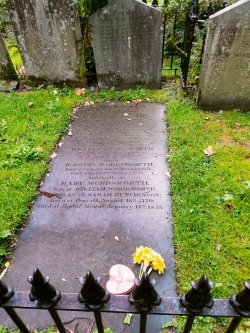
The grave of the doyen of the "Lakes Poets" William Wordsworth is in this village - complete with fresh daffodils

55.jpg

54.jpg

19.jpg

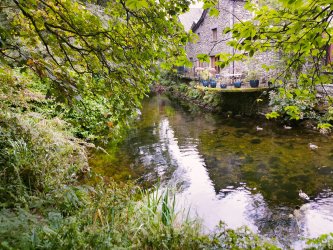
A lovely little stream runs next to the graveyard

20.jpg

56.jpg

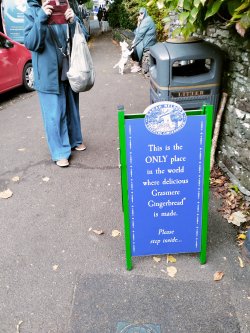
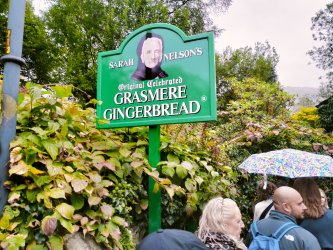
We bought some of the 'famous' Grasmere Gingerbread. It was ok but not my favourite version.


22.jpg

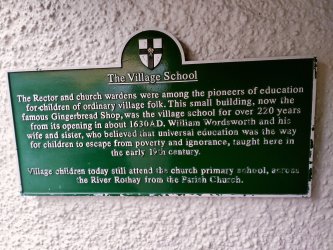
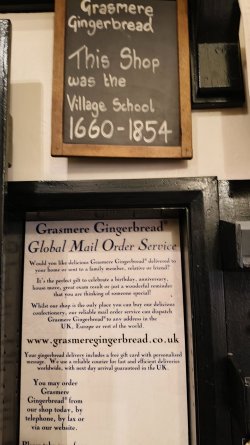
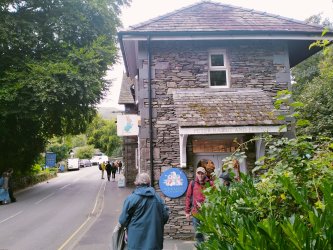
The bakery is housed in the old Village School

21.jpg

23.jpg

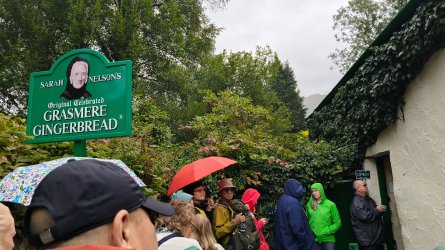
All us foolish tourists queued up in the rain to buy our gingerbread. Later in the day we stopped at another village which had an outlet for the gingerbread - it had no queue whatsoever.

57.jpg

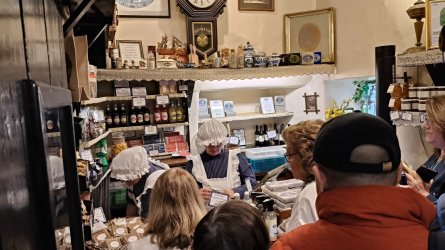
This is the full size of the shop.

58.jpg

59.jpg

The Beatrix Potter industry is alive and well

18.jpg

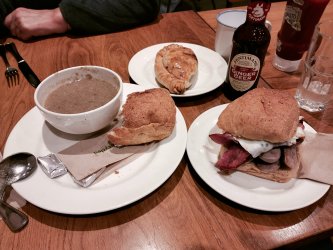
My wife had Mushroom Soup for lunch and I had a healthy egg, sausage and bacon roll. We shared a pasty. I also had one of the worse Ginger Beers I have ever had. I think because of the Sugar Tax in the UK on soft drinks and the like artificial sweeteners are used extensively and this seriously affects the taste. Plus this Ginger Beer was full of 'botanicals' which tasted pretty horrible. Absolutely not within cooee as good as Bundaberg Ginger Beer or for older West Australians like me Weaver & Lock.

24.jpg
 
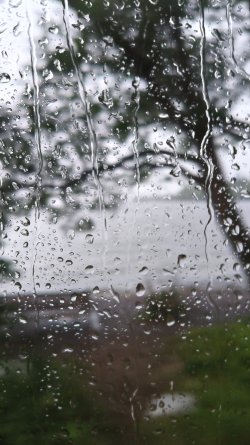
And then the rain really came down and didn't stop until we had left the lake district a couple of hours later. It was unfortunate as it really affected the tour. At one 'scenic; viewing point no-one got out of the bus because of the extremely unpleasant conditions.

My wife took a quick video to show how bad it was.


The next stop was at Coniston Water. This was the site of the disastrous attempt at the World Water Speed Record by Donald Campbell in 1967 that resulted in his death. The driver said the theories about the cause of the accident is that due to time constraints he had not not refuelled the boat after the first run and it was therefore too light at the bow and that also he had not waited long enough for the wake from the first run to properly subside.


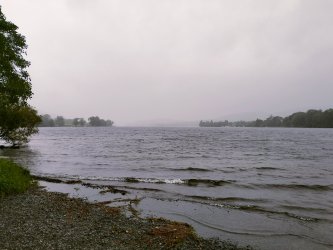
The viewing conditions from the van were not very good


60.jpg

A few of us got out for a quick look around

25.jpg

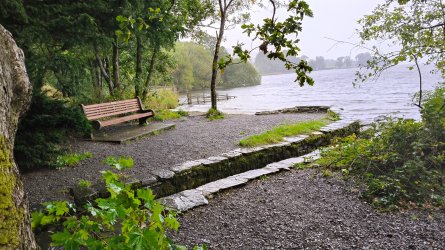
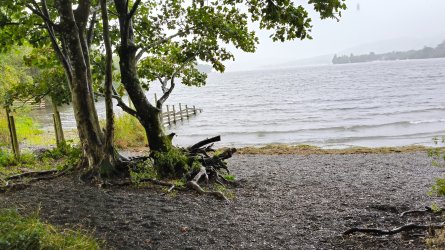
It would have been a lovely spot with a bit of decent weather.

IMG20260910145553.jpg

IMG20260910145737.jpg

61.jpg

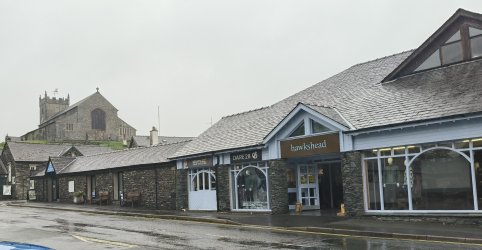
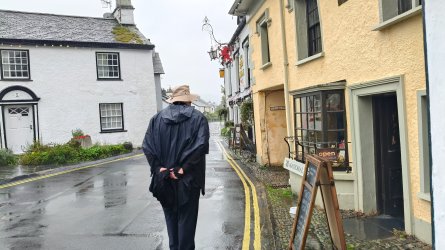
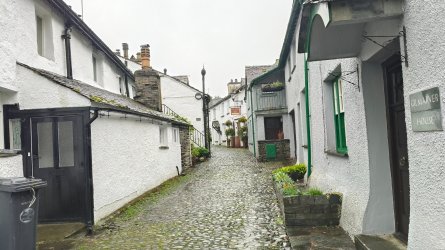
Our final stop for the day was the village of Hawkshead.

The weather was 'better' but still miserable.

62.jpg

63.jpg

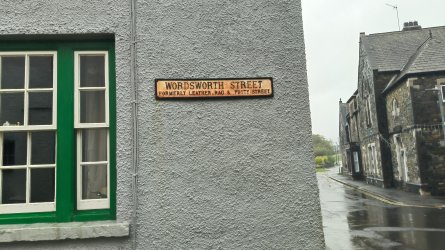
I think I preferred the original street name

64.jpg

65.jpg

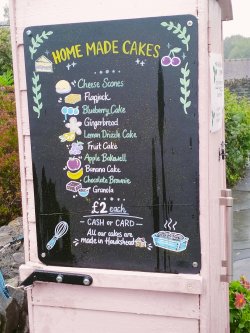
We bought a couple of cakes from this 'cabinet' and they were both delicious.

30.jpg

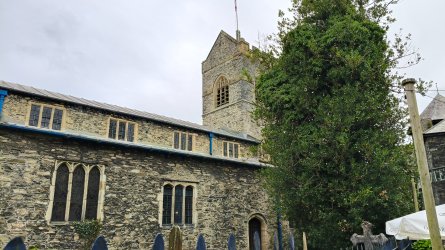
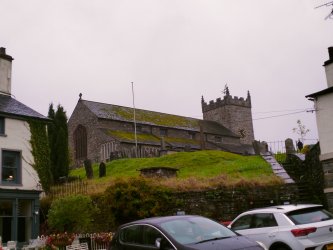
St Michaels and All Angels Church - mostly 16/17C with some earlier parts

28.jpg

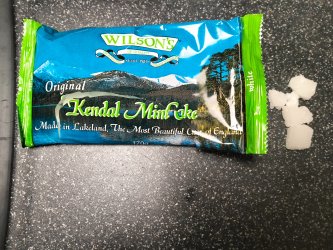
I bought a packet of Kendall Mint Cake at the local CoOp in the village. I had heard about it previously but had never seen it before. It is anything but a cake. It basically a peppermint flavoured slab of sugar. You can feel your teeth rot as you eat it. But you can also see why it is popular with climbers and hikers as there is certainly a quick 'sugar rush' when you try a piece.


IMG20261010093240.jpg

And that was the end of a fairly disappointing day out. The driver/guide did his best to entertain/enlighten us but he admitted that it was 'simply one of those days'. The disappointment was not due to his or his companies actions but just because of the weather gods.

We had an extended drive on the way back because of three incidents on the motorway and heavy traffic in Manchester.

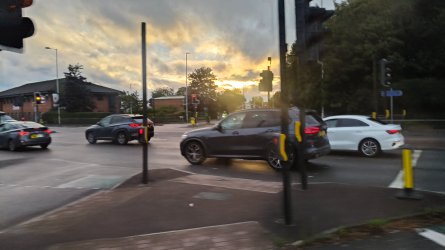
To taunt us there was a bit of a sunset when we arrived back in Manchester.

IMG20260910191021.jpg
 
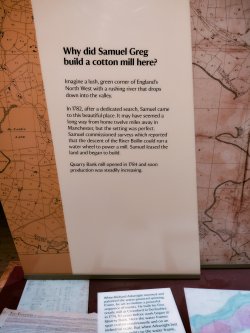
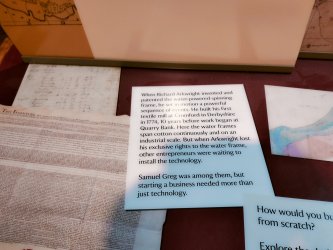
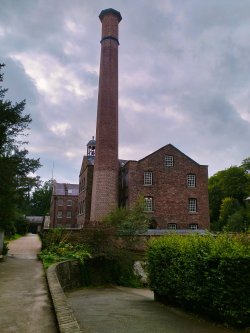
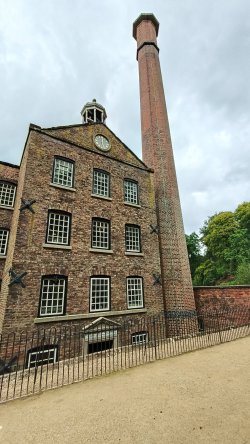
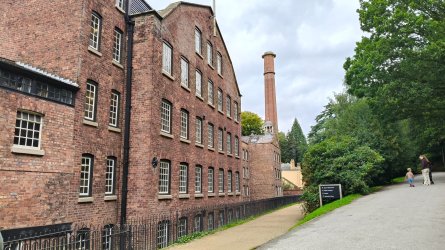
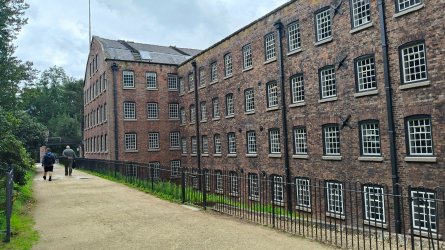
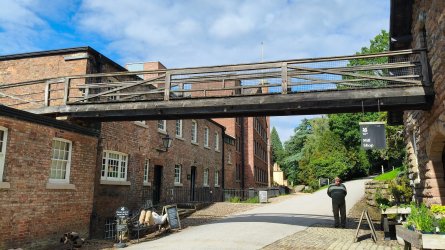
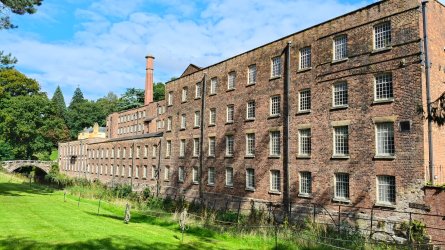
Our next day trip was far more successful. We went to see if the there was trouble at t'mill. To be precise we went to the National Trust site Quarry Bank Mill. Built in 1784 it ontinued in operation until 1959.

It is pretty easy to get to by public transport from Manchester -under an hour. It is actually close to Manchester Airport. On the way there we had to take two trains but on our return trip we only took one.

We left from Manchester Piccadilly Station
IMG20260911095728.jpg


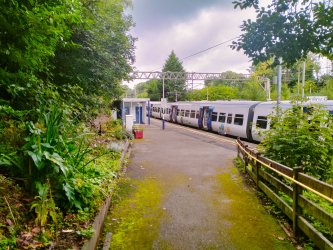
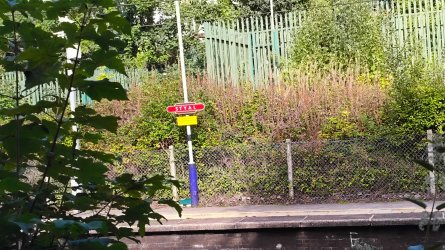
A station we passed through
49.jpg50.jpg

Our interchange station - only a short wait.
1.jpg

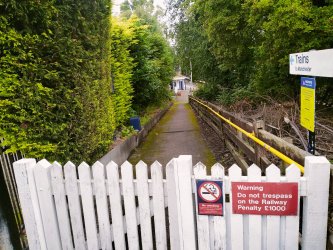
Our destination station at Styal
2.jpg

3.jpg

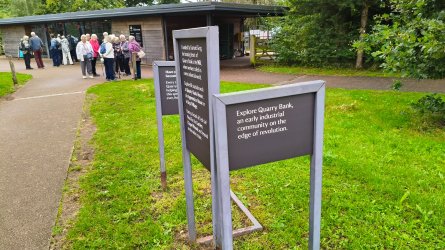
It was about a 20 minute walk to the entrance to the mill

IMG20260911105937.jpg

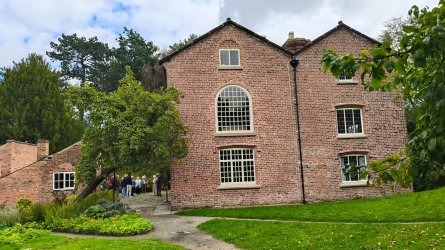
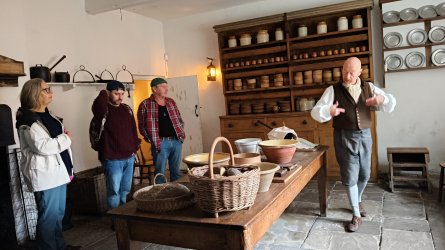
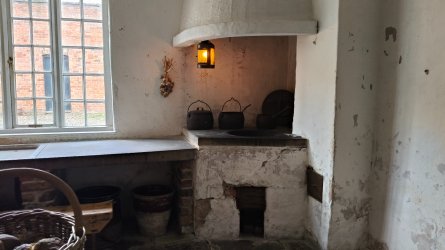
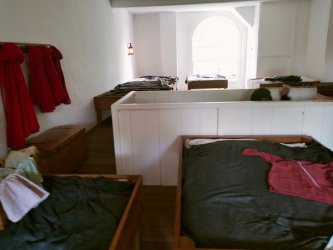
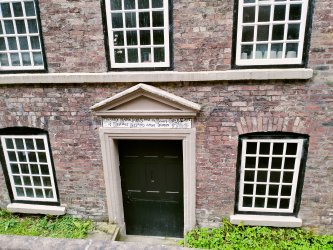
The first stop on our tour was "The Apprentice House where up to 90 children lived" built in 1790. These were "child apprentices" "The last child to be indentured started work in 1841. Child labour constituted over half of the labour force in the early decades of the mill's operation, according to Prof Hannah Barker, chair of Manchester Histories at the University of Manchester. "By 1833 apprentices made up only 20% of workforce at Styal, and in 1847 the apprentice system was completely abandoned". These children came from workhouses and it was considered that they would be better off working than staying in the workhouse al la "Oliver Twist". "Initially, the children were brought from Hackney and Chelsea but by 1834 they came mostly from neighbouring parishes or Liverpool poorhouses."

It is considered that the conditions at Quarry Bank were better than most and that they were well fed. The wife of the owner was responsible for making sure that the children, including the girls, received at least some education. But the still worked around 70 hours per 6 day working week.

57.jpg
 
Inside

The tours were conducted by guides wearing period clothing

51.jpg

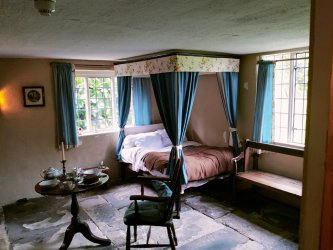
The children were cared for by a married couple who acted as their superintendents. This was their room.

6.jpg

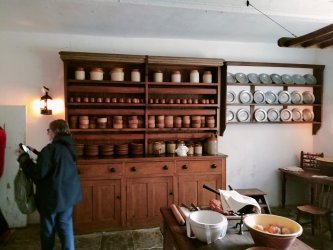
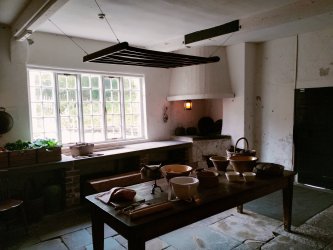
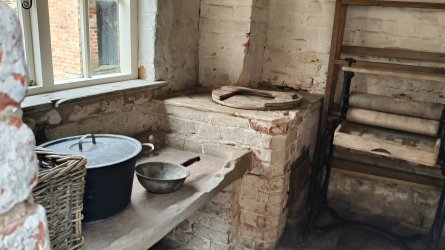
Staff were employed to do the cooking, cleaning and laundry for the children. So they were well looked after for that period. They received some pay and could buy things at the company store which eventually became the first CoOp in the UK. If they 'misbehaved' they could be 'fined' by the mill owner. They paid the fine by working unpaid overtime. It was still a hard life.

4.jpg

5.jpg

52.jpg

56.jpg

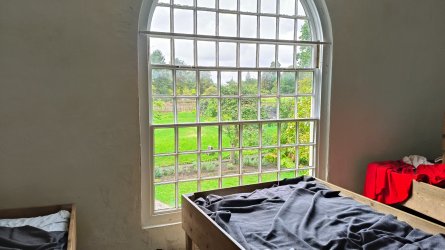
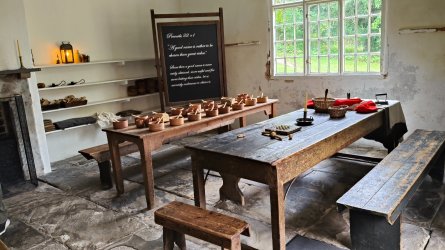
The dormitories were upstairs and the building had the 'typical' large Georgian windows.

54.jpg

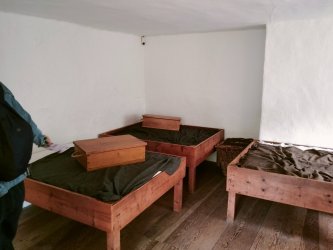
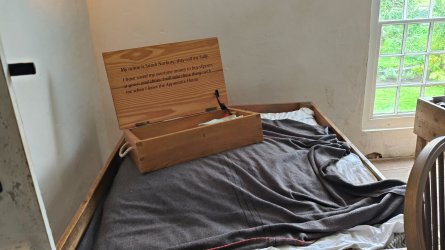
The children slept two to a bed which is less than we all guessed would be the number.

7.jpg

10.jpg

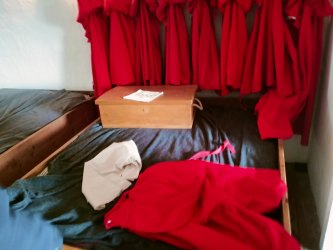
Girls cloaks

11.jpg

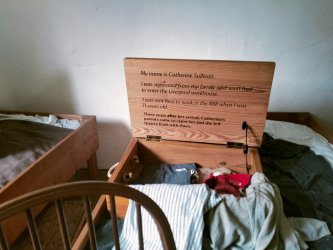
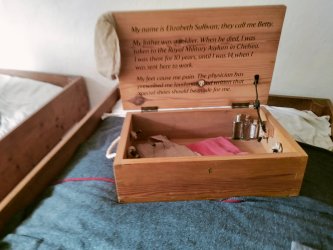
However their stories are still very sad.

8.jpg

9.jpg

53.jpg

Eating implements and some toys

55.jpg

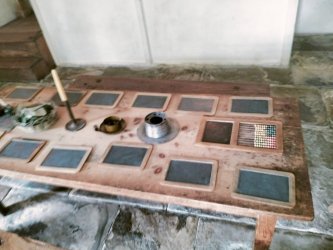
Slates

12.jpg
 
Moving down towards the mill.

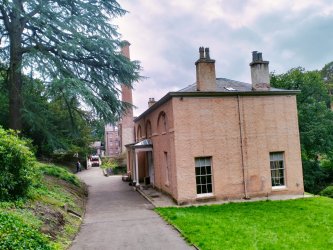
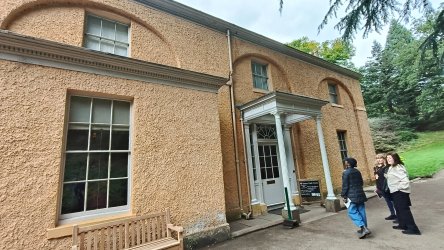
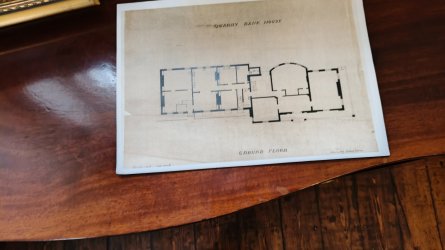
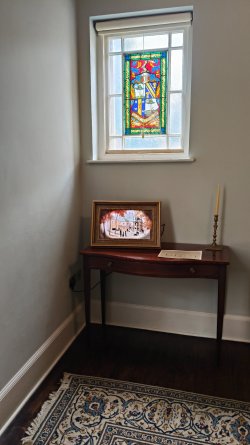
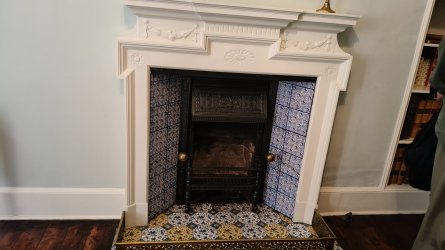
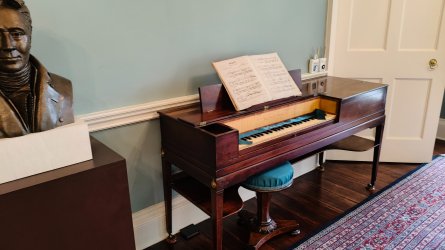
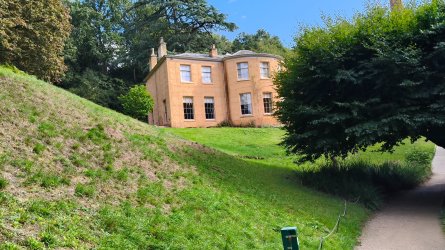
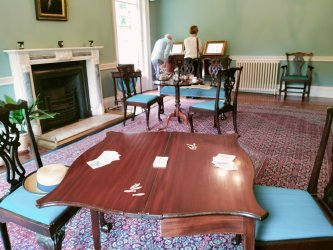
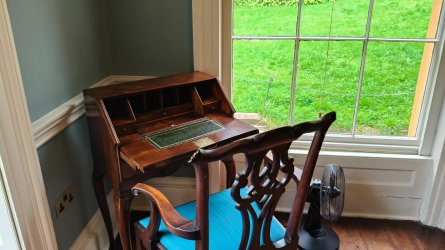
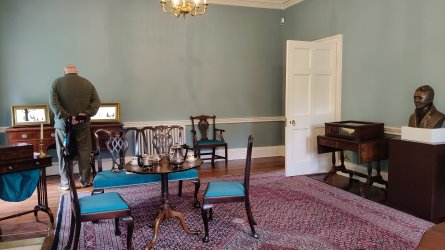
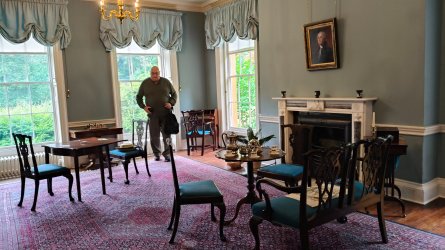
Firstly Quarry Bank House - the Georgian home built by the Gregg Family from 1796 with various additions over the years.


15.jpg

IMG20260911122538.jpg

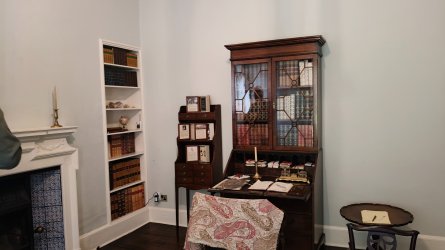
Only the ground floor was open to the public

62.jpg

60.jpg

61.jpg

64.jpg

70.jpg17.jpg

IMG20260911122222.jpg

IMG20260911122229.jpg

IMG20260911122200.jpg

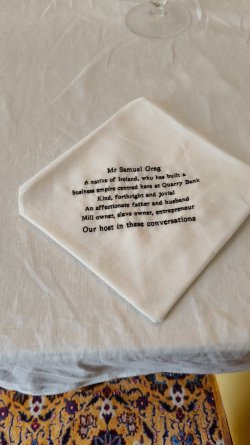
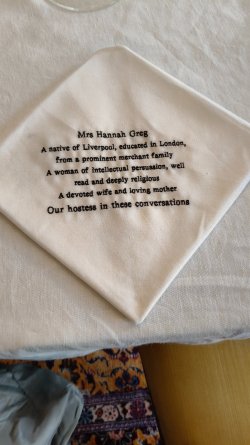
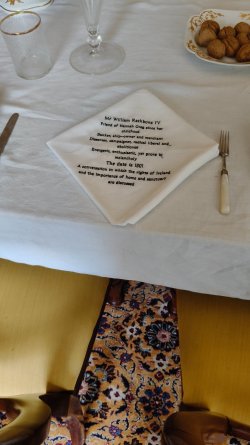
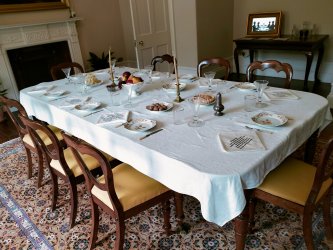
The dining table was set up for a dinner party with place cards

16.jpg

68.jpg

69.jpg

67.jpg

One of place cards for the guests was for John James Audobon who was a guest of the Gregg family in 1826. He was the famous, if controversial, artist and naturalist whose illustrations were collected in the colour plate book "The Birds of America" in 1827 -33.. If you have a spare original copy floating around it would be worth around US$11,000,000. I was excited enough about this to point his name out to one of the house guardians - she didn't have a clue what or who I was talking about.


66.jpg

IMG20260911122500.jpg

Lest it appear that I am too enamoured of the founder of the mill Samuel Gregg it must be pointed out that the money to build the mill came at least in part from the slave trade. His family were part of the now infamous group of Bristol slave traders and owners.

 
Elevate your business spending to first-class rewards! Sign up today with code AFF10 and process over $10,000 in business expenses within your first 30 days to unlock 10,000 Bonus PayRewards Points.
Join 30,000+ savvy business owners who:

✅ Pay suppliers who don’t accept Amex
✅ Max out credit card rewards—even on government payments
✅ Earn & transfer PayRewards Points to 10+ airline & hotel partners

Start earning today!
- Pay suppliers who don’t take Amex
- Max out credit card rewards—even on government payments
- Earn & Transfer PayRewards Points to 8+ top airline & hotel partners

AFF Supporters can remove this and all advertisements

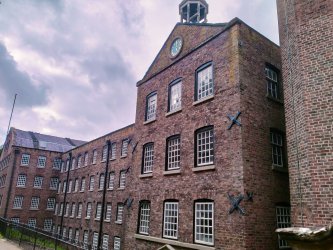
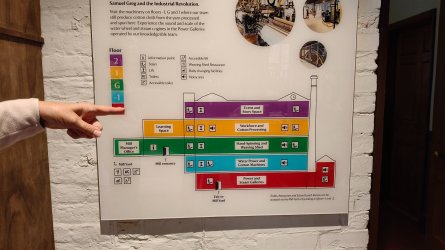
Now onto the mill building itself

24.jpg

25.jpg

18.jpg

Notice the multiplicity of windows to allow the maximum amount of light to enter. Use of open flames for illumination was dangerous in a cotton mill because the loose fibres in the air were extremely inflammable especially combined with grease etc.

19.jpg

71.jpg

73.jpg

72.jpg

20.jpg

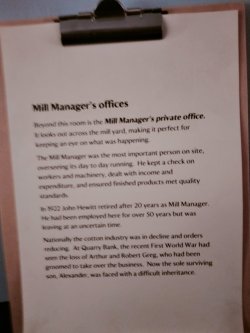
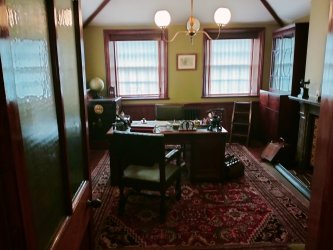
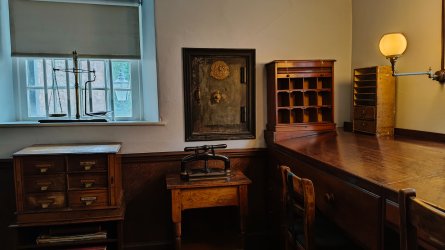
The Mill Managers Office

23.jpg

22.jpg

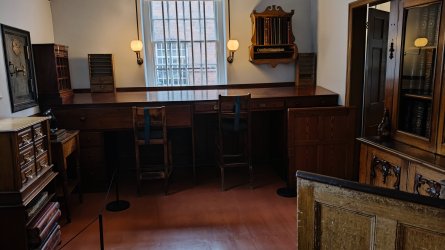
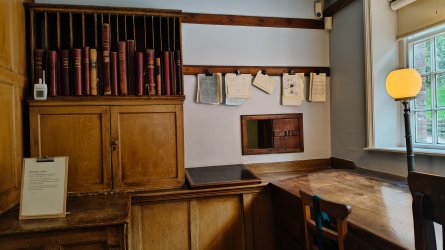
The other offices made me a bit nostalgic. When I first joined Customs in 1972 parts of our older offices were still set up in similar way to these.

75.jpg

77.jpg

78.jpg
 
74.jpg

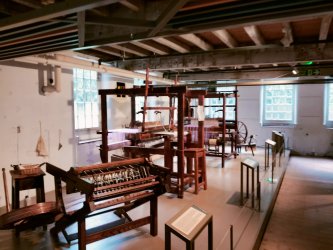
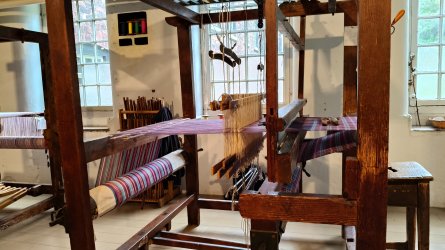
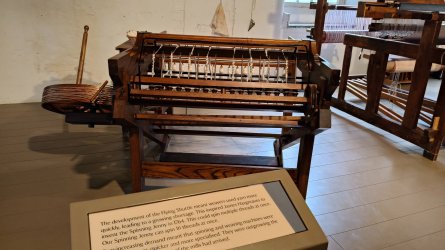
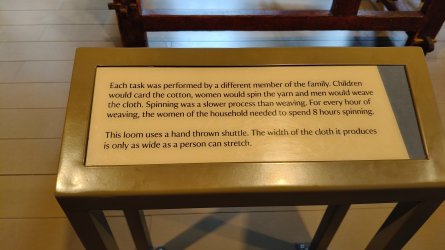
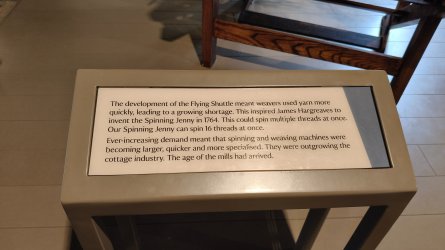
Various hand looms

26.jpg

86.jpg

83.jpg

85.jpg

84.jpg

81.jpg

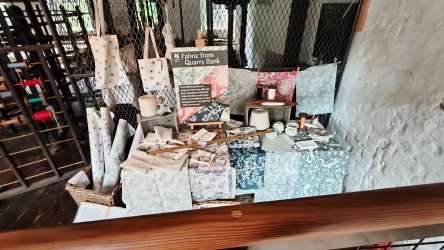
Fabric is still made here tody and there is a small shop selling various products made on-site.

80.jpg

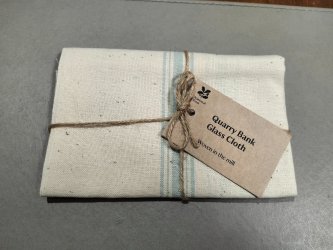
My wife bought a couple of small "Glass Cloths" for my daughter and herself.

116.jpg
 
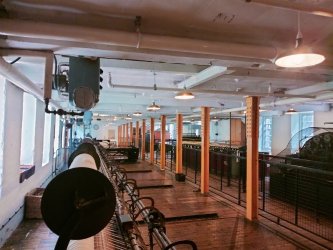
And now to the business end of the mill. I would think that I am probably one of the few people on here who has actually walked through an operating yarn mill. In my case it was the late lamented Albany Woolen Mills in the 1990's when I was in Customs. It operated from 1925 - 2002.

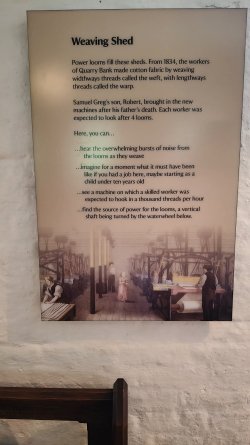
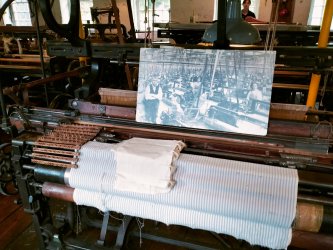
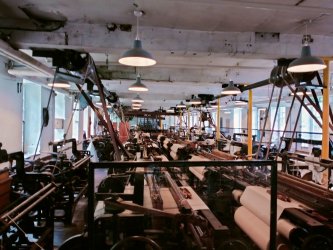
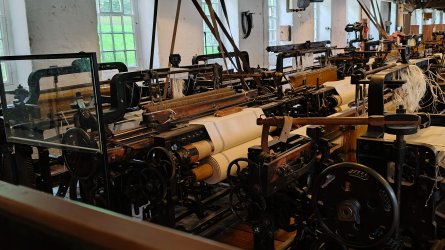
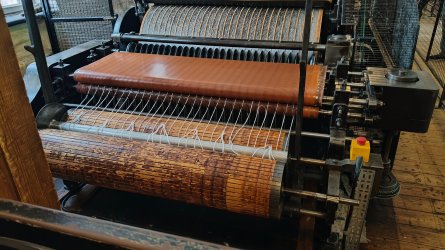
The weaving machines

Lots of lovely leather belts in which to become entangled. You can imagine how noisy it would have been when all the machines were in operation.


27.jpg

28.jpg

82.jpg

32.jpg

82.jpg

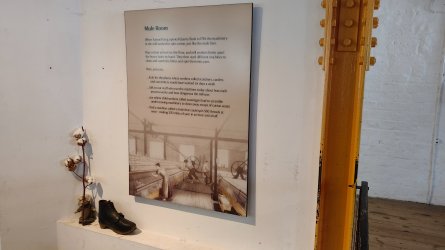
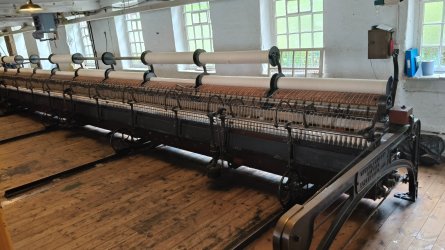
The "Mules"


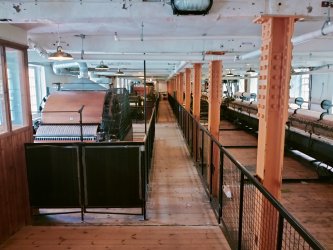
My wife did a walk of the full machine deck


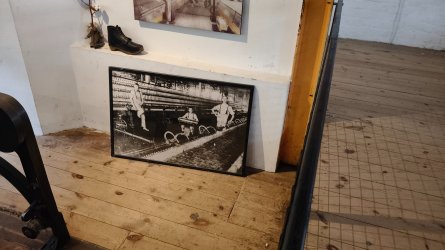
One of them in operation. The young children used to work underneath the yarns collecting waste, greasing and retying broken yarns. A great place to lose fingers and on occasion your life.


91.jpg


30.jpg

31.jpg

88.jpg

89.jpg

90.jpg
 
Last edited:
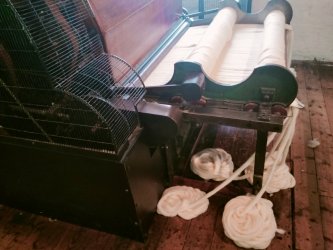
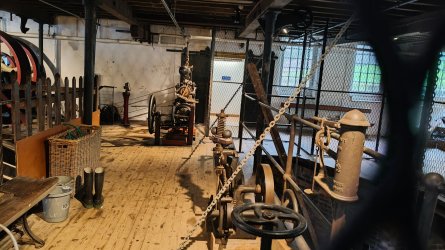
Some more machinery

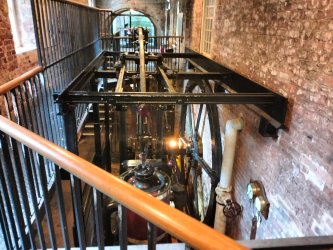
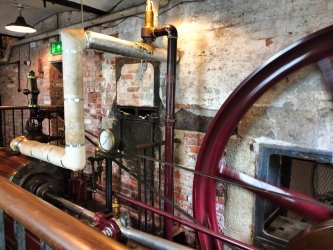
Historic beam steam engine - but not original to this mill. It was built around the 1830's/40's and was rescued from a sawmill that was being demolished. The mill was, and is, mainly water powered but auxiliary steam engines were installed to power it when water levels were low.

33.jpg

IMG20260911131638.jpg

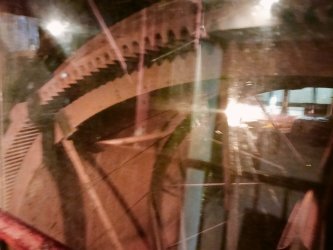
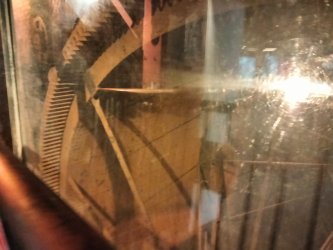
Waterwheel equipment

87.jpg

The waterwheel

IMG20260911131311.jpg

IMG20260911131352.jpg


92.jpg

There was a quite nice café on-site and we got some lunch there.

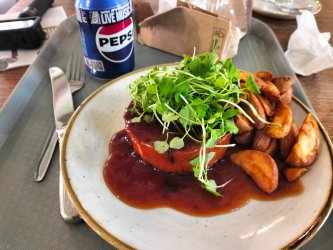
I had Hunters Pie with Pork and Chicken. They 'lost' my order and after we hunted it up my wife got a free Fat White coffee as compensation. As an aside those who complain about coffee prices here should order one in the UK. Luckily I don't drink coffee.

IMG20260911140010.jpg

For the masochists a few more videos


A short part of a talk about operating the mule - she is speaking very softly.

 
Last edited:
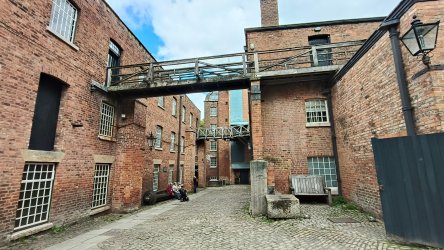
Outside the mill

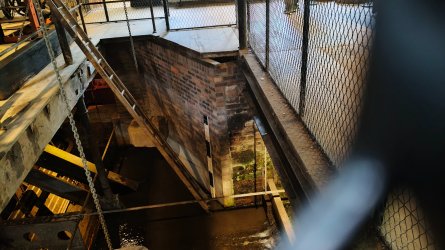
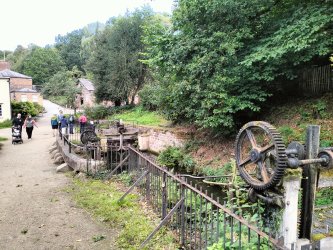
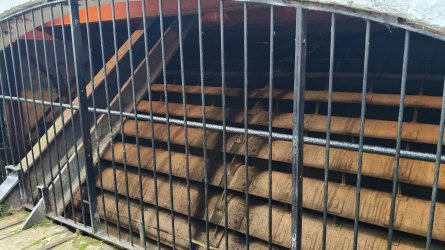
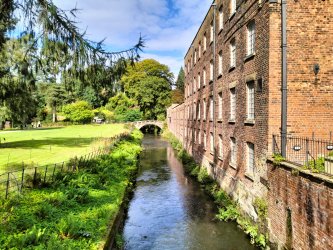
The water gates

37.jpg

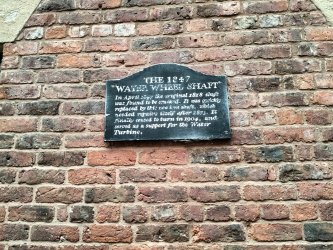
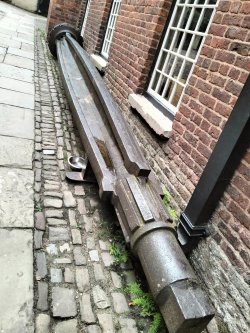
The original waterwheel shaft

36.jpg

35.jpg

The waterwheel from outside'

93.jpg

94.jpg

95.jpg

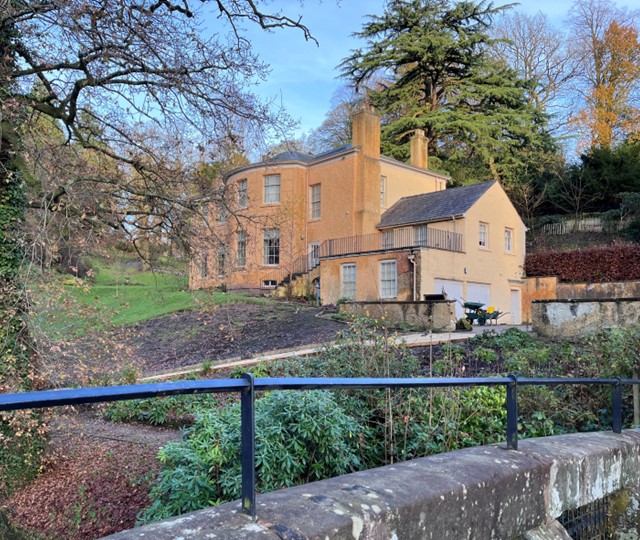
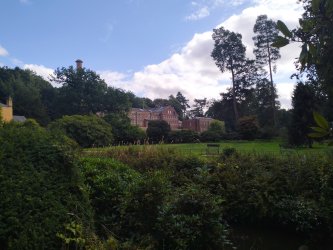
The back view of the owners house

97.jpg

40.jpg

38.jpg

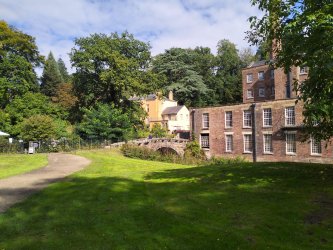
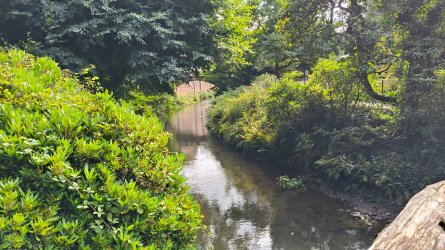
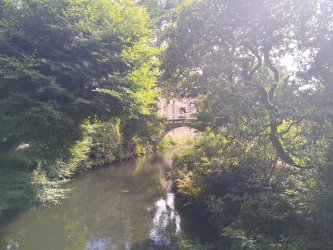
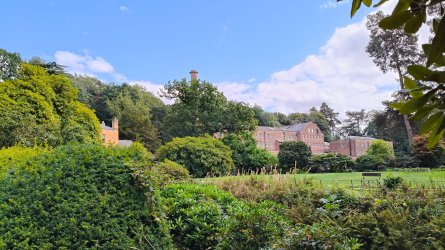
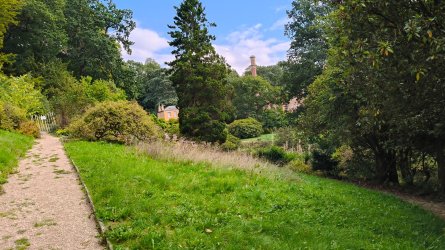
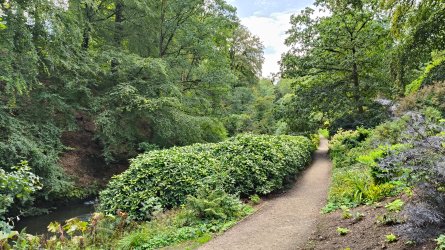
It really is a rather beautiful spot.

96.jpg

98.jpg

41.jpg

44.jpg

99.jpg

103.jpg
 
Last edited:
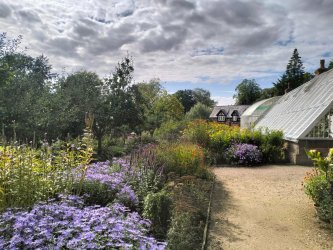
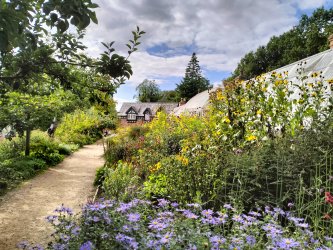
The gardens are also very attractive

46.jpg

100.jpg

101.jpg

IMG20260911144054.jpg

42.jpg

102.jpg

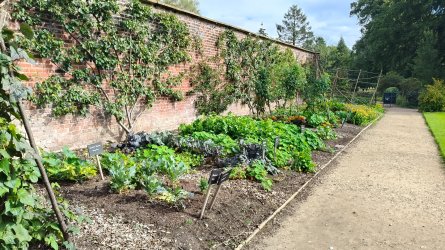
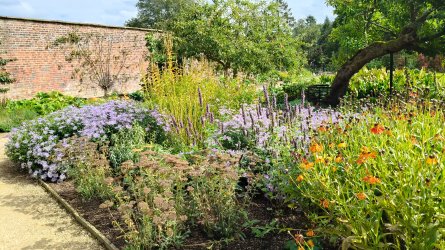
There is a walled garden there as well

107.jpg

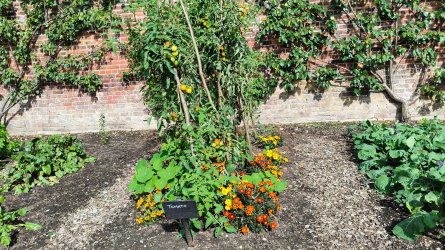
You could buy some of the garden produce

106.jpg

Yhere was still a nice display of flowers

47.jpg

48.jpg

108.jpg

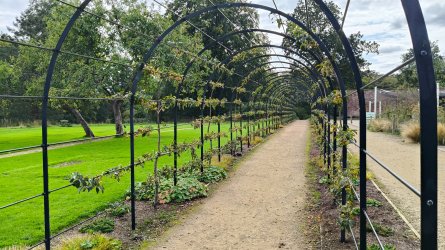
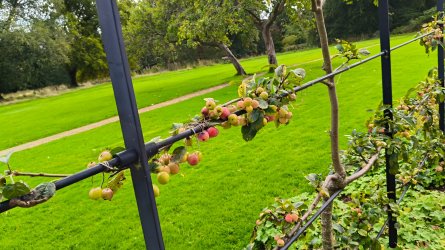
Complete with apples trained over ironwork

109.jpg

110.jpg

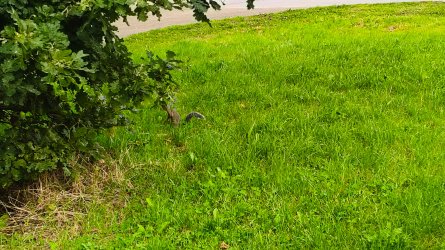
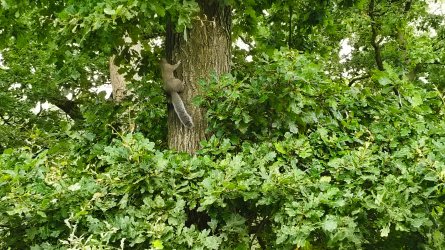
A squirrel entertained us for a while

112.jpg

113.jpg

An dthen we walked back to the railways station and returned to Manchester. The 'direct' train passed through Manchester Airport.

114.jpg
 
Last edited:

Become an AFF member!

Join Australian Frequent Flyer (AFF) for free and unlock insider tips, exclusive deals, and global meetups with 65,000+ frequent flyers.

AFF members can also access our Frequent Flyer Training courses, and upgrade to Fast-track your way to expert traveller status and unlock even more exclusive discounts!

AFF forum abbreviations

Wondering about Y, J or any of the other abbreviations used on our forum?

Check out our guide to common AFF acronyms & abbreviations.
Back
Top