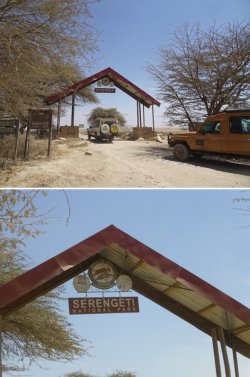
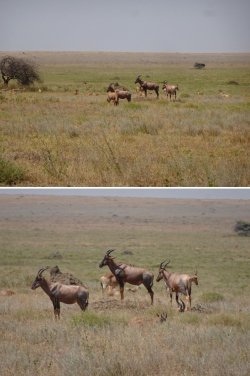
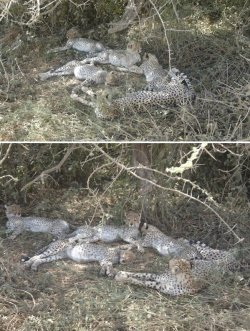
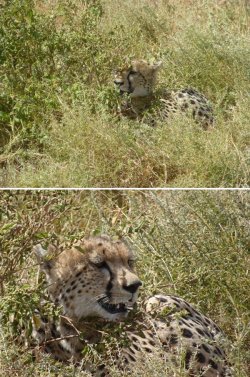
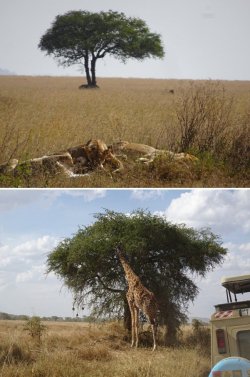
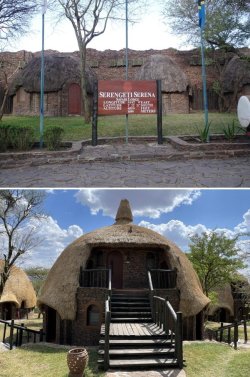
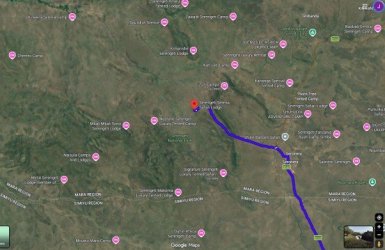
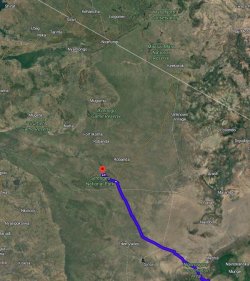
Next day we moved into the Serengeti National Park (
Serengeti National Park - Home to the Great Migration).
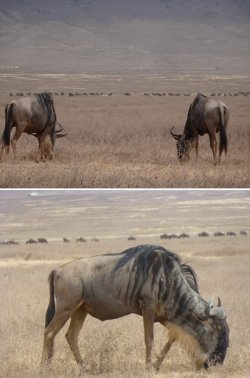
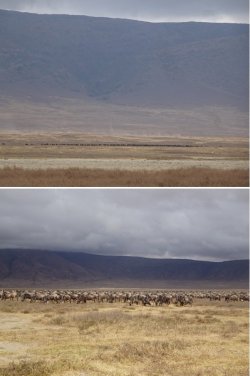
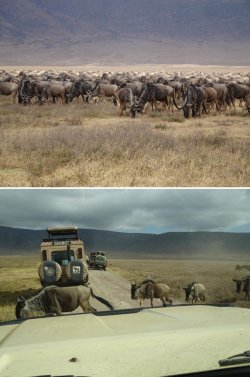
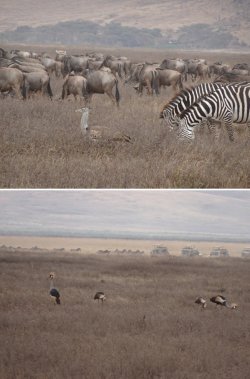
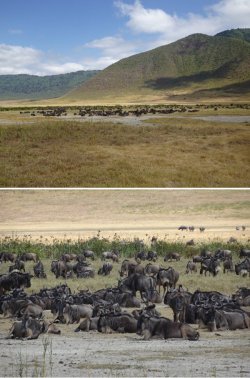
Nearly 15,000 sq km and famed for the Great Migration, a continuous, year-round journey of over 1.5 million wildebeest, zebras, and gazelles looping roughly 800 to 1,000 km across Tanzania's Serengeti and Kenya's Masai Mara.
The cycle:
- January to March (calving season): The herds gather in the southern Serengeti and Ndutu plains in Tanzania, where roughly half a million calves are born.
- April to May (The march north): As the short rains fade and the southern plains dry, the herds move northwest through the central and western Serengeti.
- June (Grumeti River): The animals face their first major aquatic hurdle at the Grumeti River in Tanzania.
- July to September (Mara River crossings): The herds arrive at the Mara River, creating iconic, dramatic river-crossing scenes before spilling into Kenya's Masai Mara National Reserve.
- October to November (The return south): After grazing on the Masai Mara plains, the herds begin their trek back south as the short rains refresh the Tanzanian ecosystem.
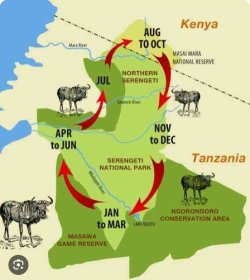
We timed our trip to Africa for the dry season and the period when the herds have mostly moved into the Masai Mara, which is contiguous with the Serengeti. After the Serengeti we went back to Kenya and eventually the Masai Mara.
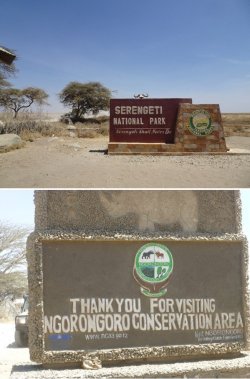
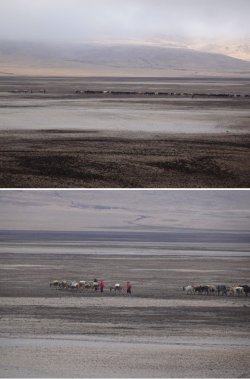
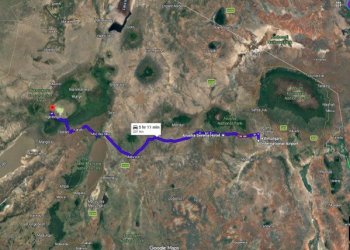
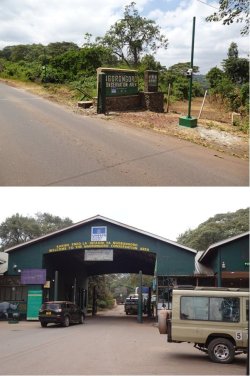
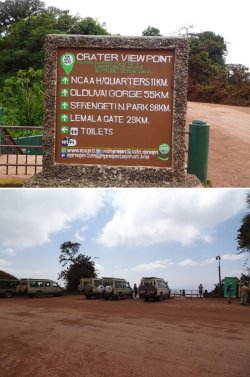
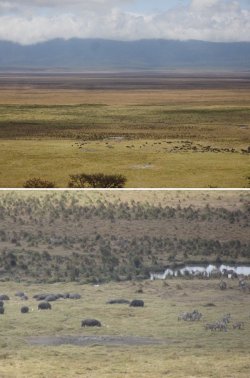
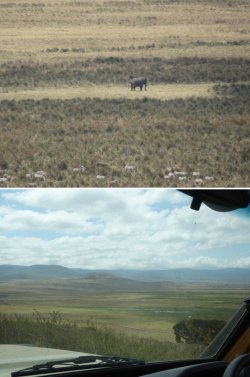
A large part of what appears as the broader Serengeti is the Ngorongoro Conservation Area, where human settlement by traditional herders can continue grazing their livestock. The inner part is the strictly protected National Park.
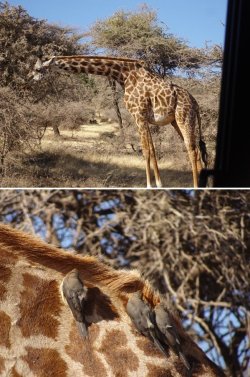
Oxpeckers feeding on parasites on a giraffe.
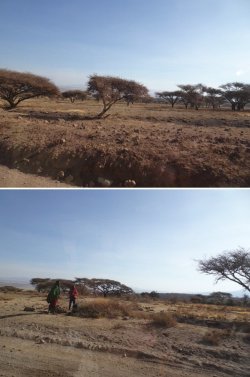
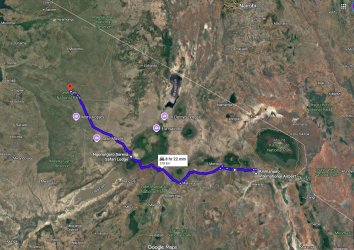
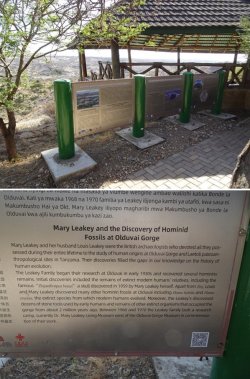
First stop, Olduvai Gorge, the famous archaeological site in northern Tanzania known as the ‘Cradle of Humankind’ for its rich fossil and stone tool discoveries spanning two million years.
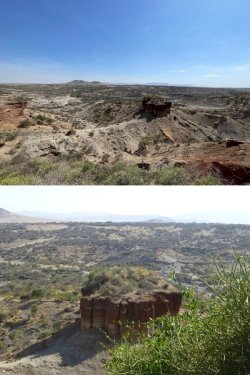
Its set in the Ngorongoro Conservation Area on the eastern Serengeti Plains and is about 50 km long and 90 m deep. It was
formed by aggressive water and geological activity that cut through distinct sedimentary layers.
Paleoanthropologists Louis and Mary Leakey led decades of excavations there from the 1930s that yielded remains of early human ancestors including
Australopithecus boisei,
cough habilis, and
cough erectus.
(Olduvai Gorge is not to be confused with the Hadar site in Ethiopia where the older (3.2 million years) ‘Lucy’ (
Australopithecus afarensis) was found in 1974.)
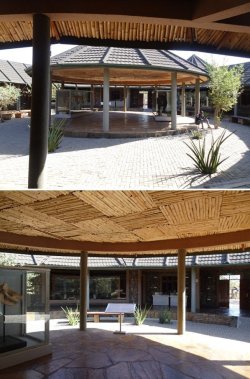
There’s a good museum at the site.
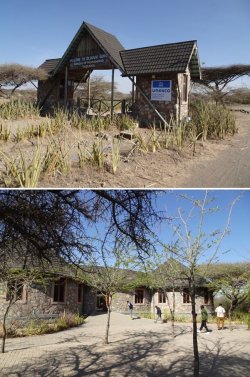
An amphitheatre overlooks the gorge and a very informative talk was given to us by a palaeontology postgraduate student.
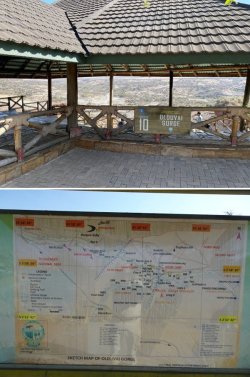
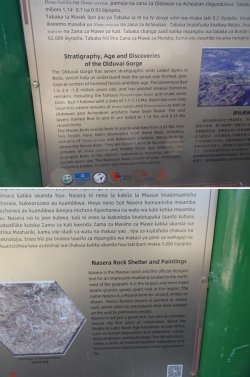
There are about five well-defined strata important for defining the eras.
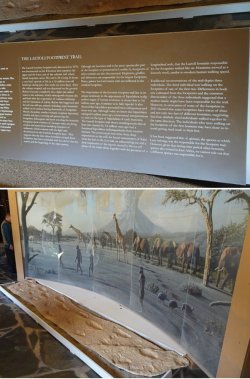
The Laetoli footprint trail, about 40 km from Olduvai Gorge, uncovered in 1978 by a team led by Mary Leakey provides proof that early human ancestors walked upright, long before the evolution of a large brain (as inferred from ‘Lucy’s’ anatomy).
The prints show a prominent heel-strike, an arch, and big toes aligned with the rest of the foot, closely matching modern human locomotion rather than ape-like grasping feet. They are attributed to
Australopithecus afarensis, the same species as ‘Lucy’.










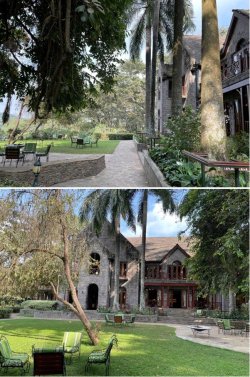
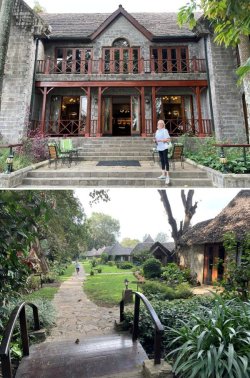
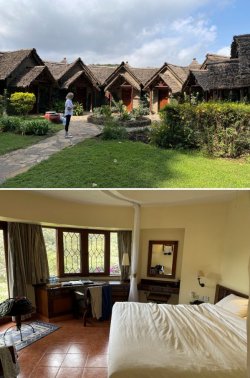
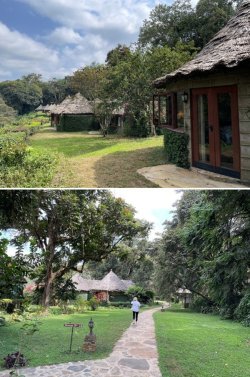
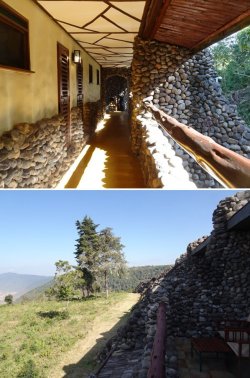
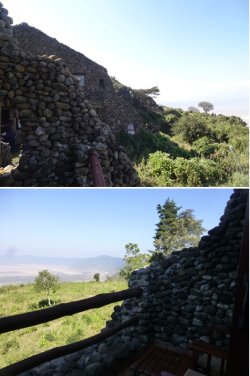
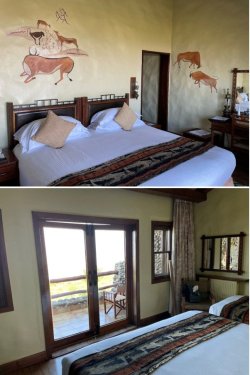
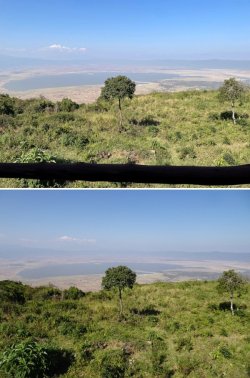
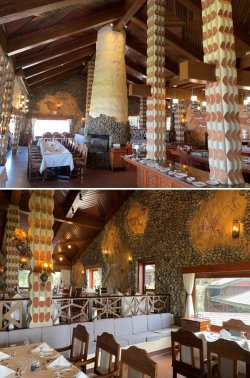
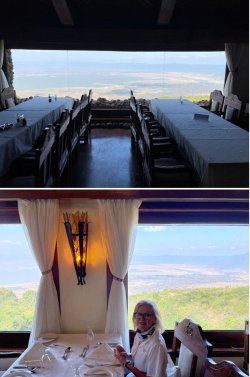
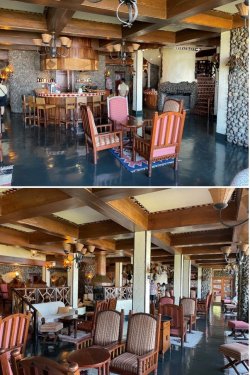
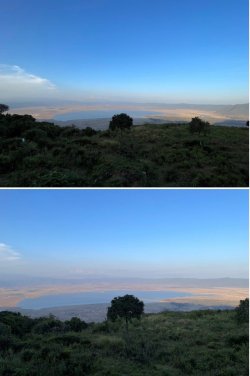
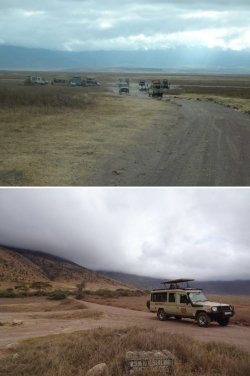
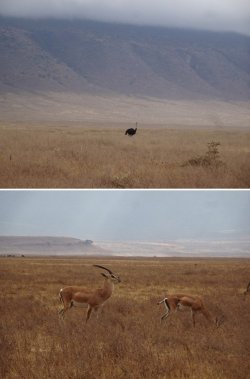
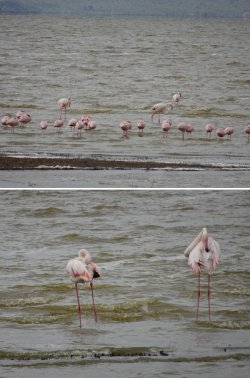
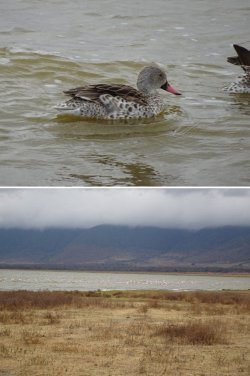
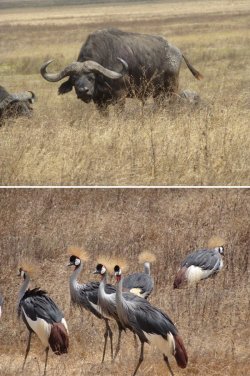
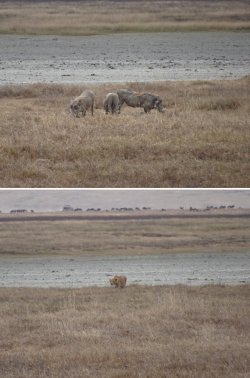
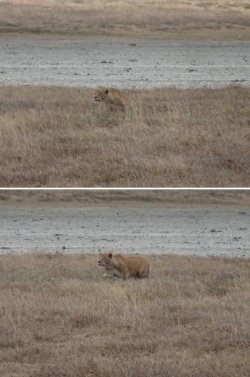
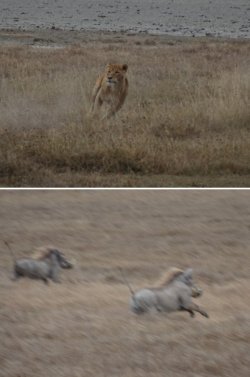
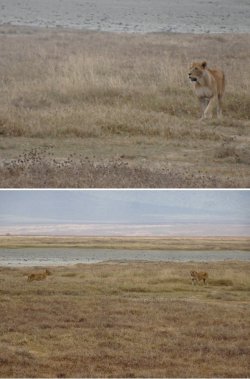
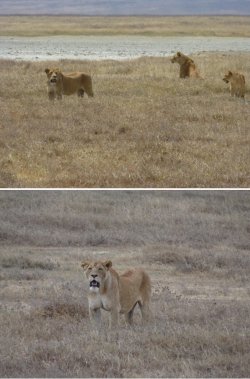
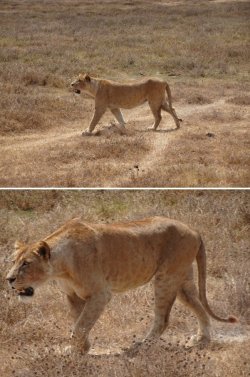
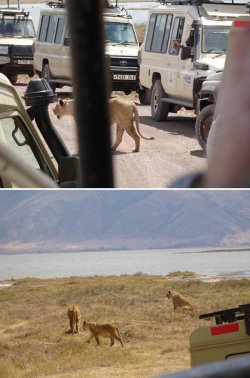
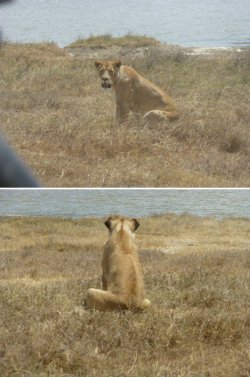
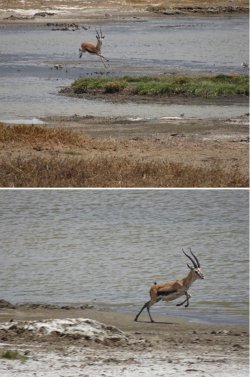
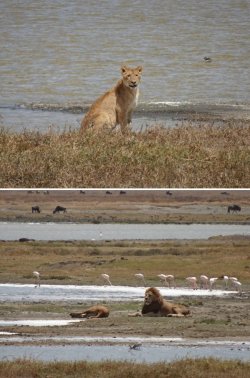
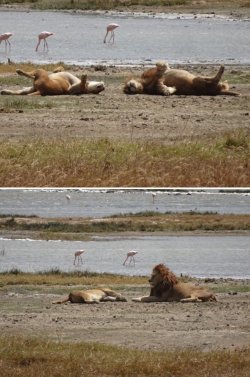

 , but it just works.