
TheRealTMA
Senior Member
- Joined
- Jul 13, 2012
- Posts
- 8,685
- Qantas
- Platinum
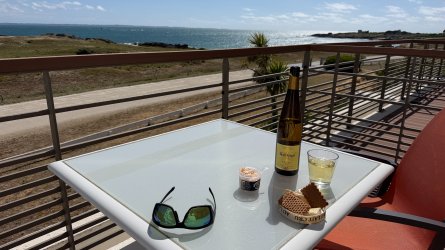
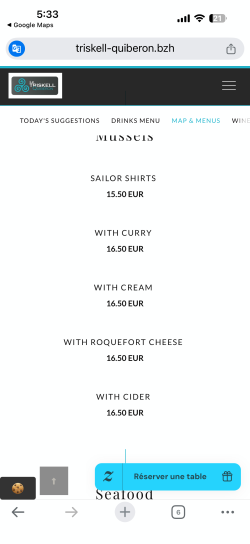
Washed down with a good Sancerre I hope!Cancale this morning for huitres . Then into St Malo for moules for lunch.






Washed down with a good Sancerre I hope!Cancale this morning for huitres . Then into St Malo for moules for lunch.

Typically it would be botanical remains - say storage of seed, evidence of irrigation, maybe cave or stone art about those activities, farming tools.detect actual agriculture
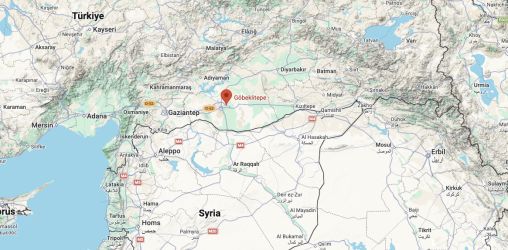

Definitely on the list. I think it’s the very earliest evidence of any sort of building or construction.Have you visited Gobekli Tepe - another Neolithic site with lots of megaliths?
Not sure about that. There are a few old buildings in our suburb.Definitely on the list. I think it’s the very earliest evidence of any sort of building or construction.
Cancale this morning for huitres . Then into St Malo for moules for lunch.
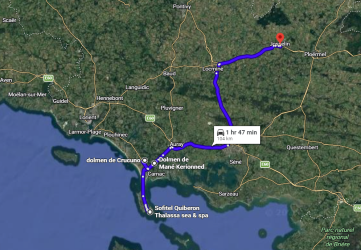
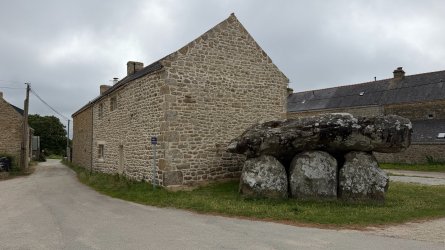
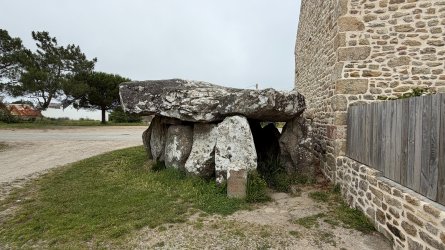
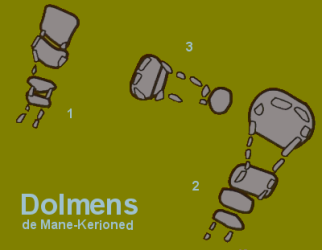
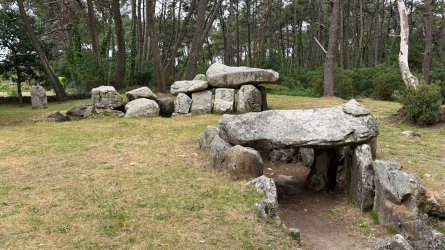
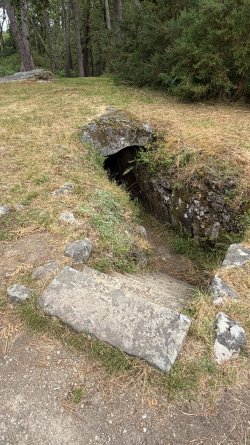
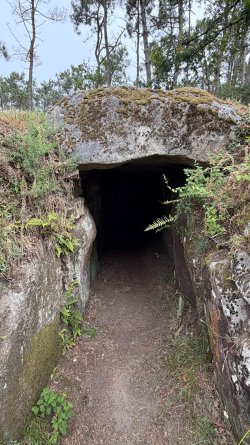
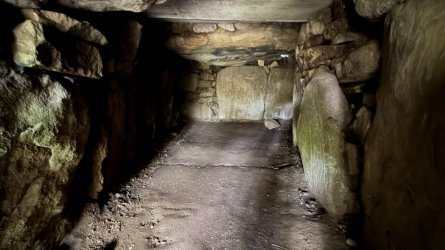
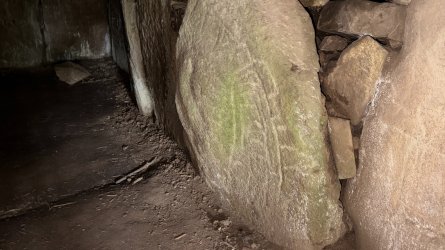
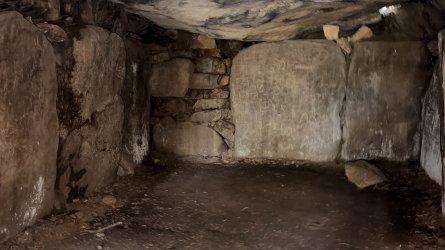
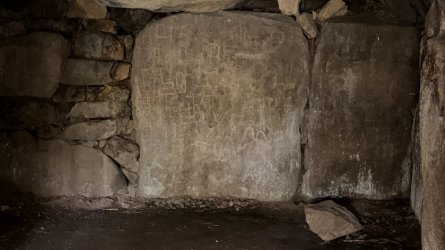
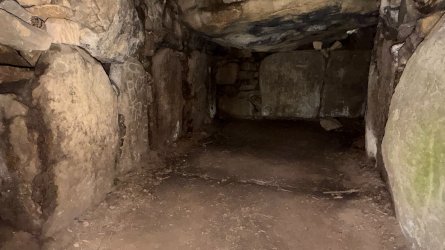
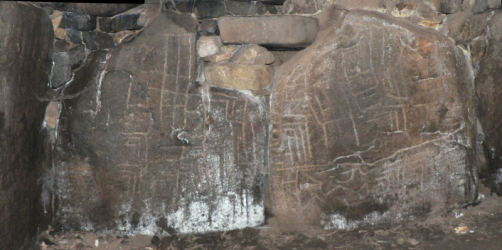
The archaeological material found in dolmen B included bone fragments, two terracotta beads (one perforated and reddish in color, one polished and blackish in color), and a red quartz nodule. Dolmen C yielded only a few pottery fragments and a flint knife
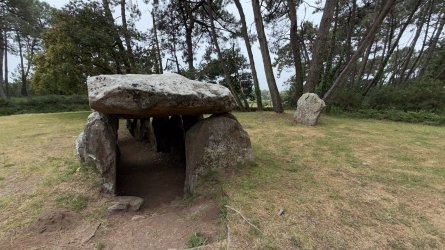
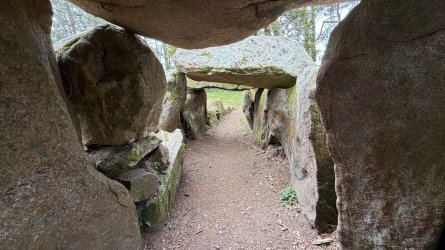
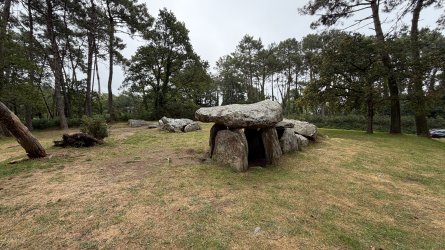
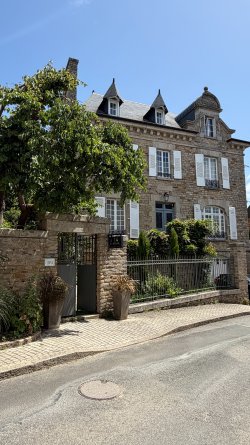
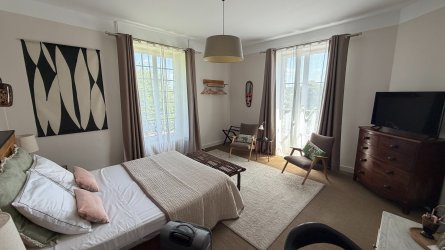
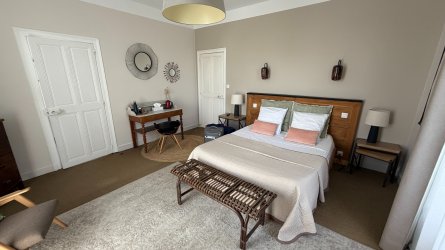
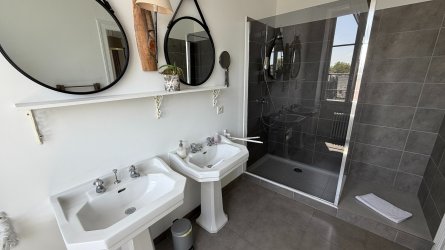
 www.le14stmichel.com

AFF Supporters can remove this and all advertisements

 www.facebook.com
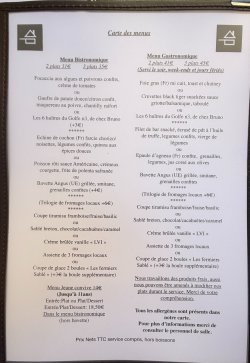
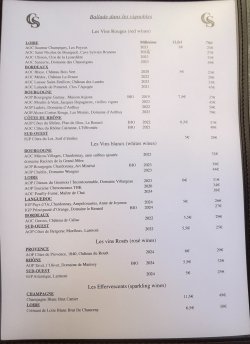
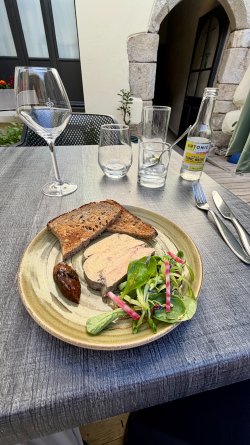
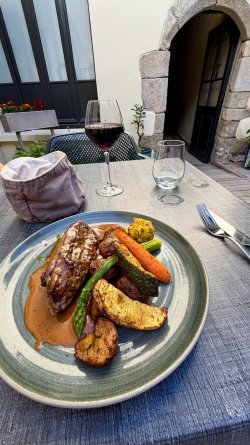
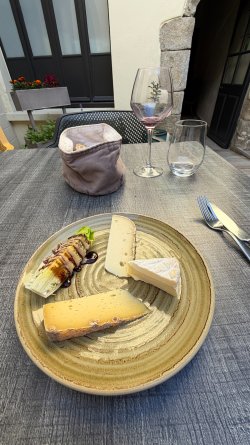
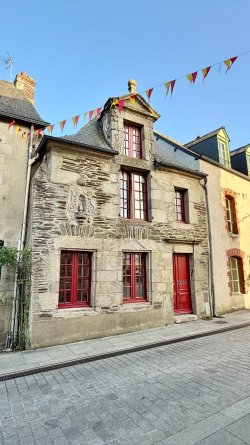
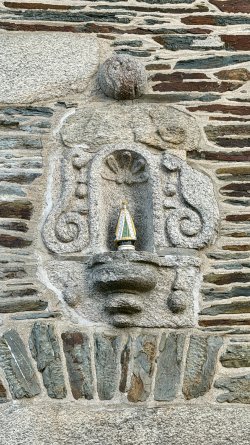


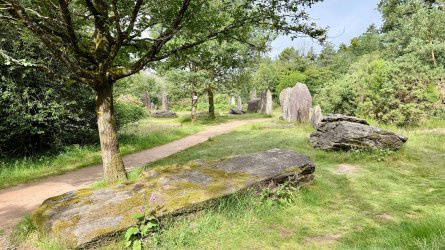
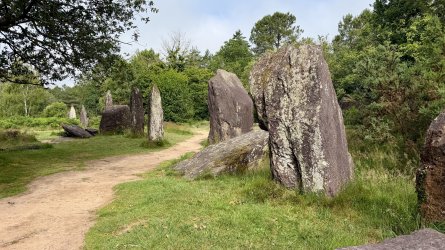
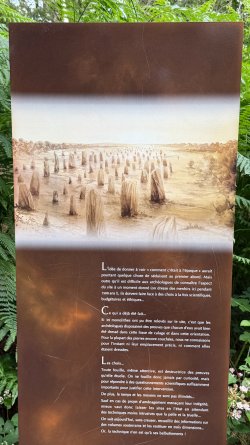
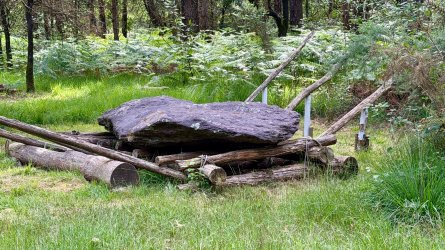

That looks like a tank trap! A couple of thousand years too early.
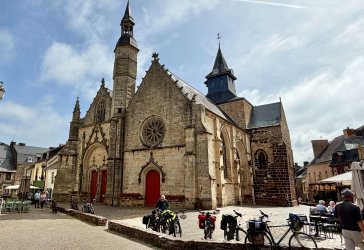
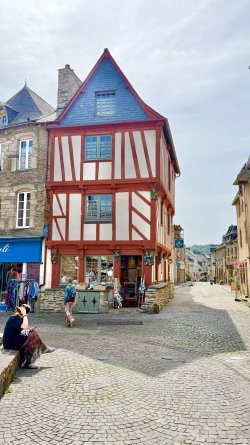
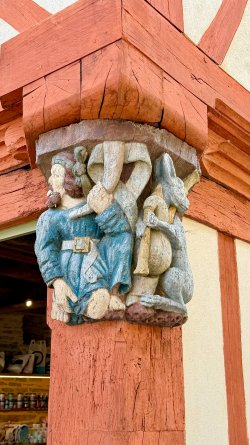
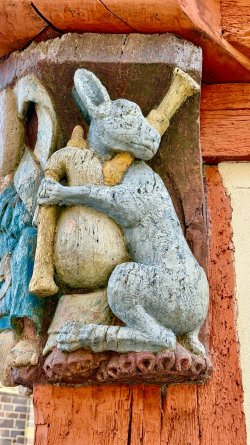
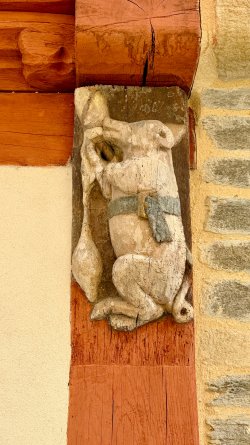
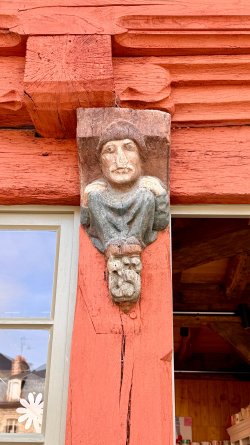
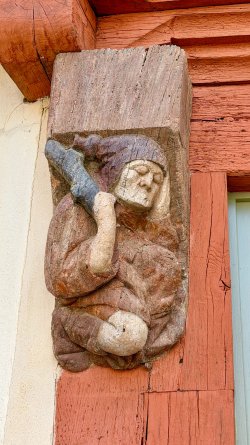
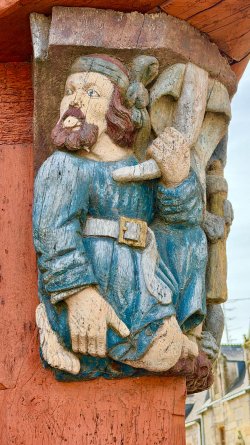
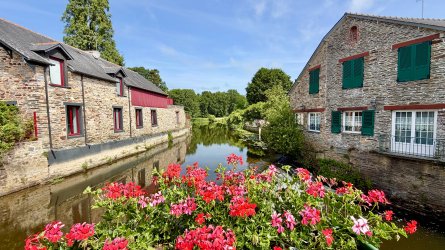
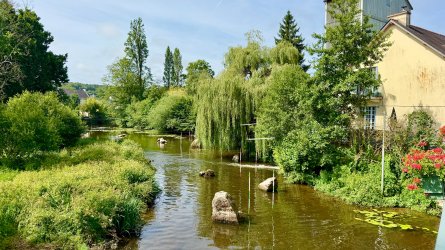
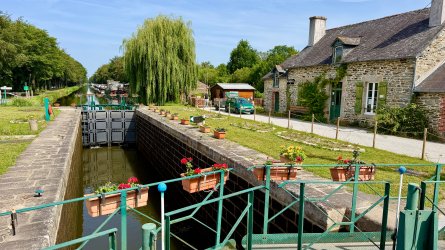
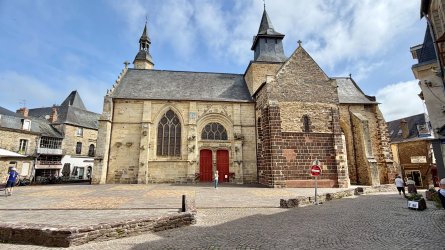
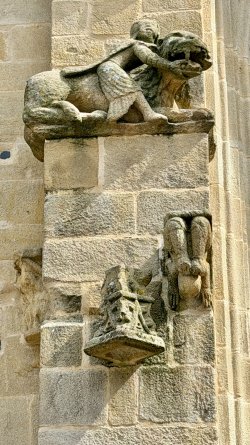
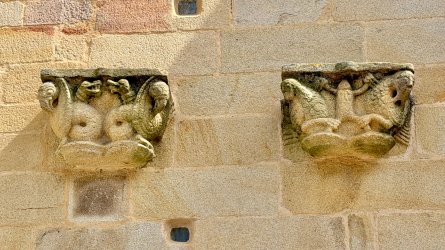
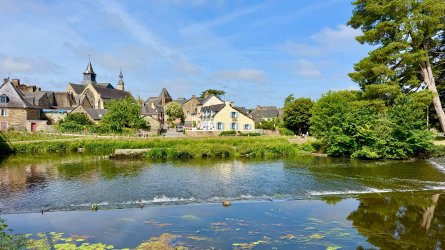
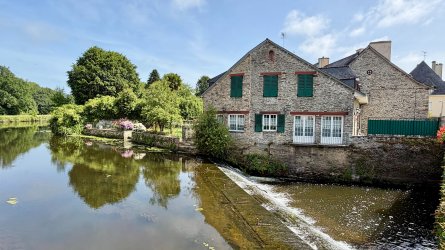
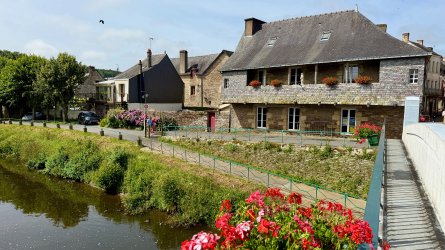
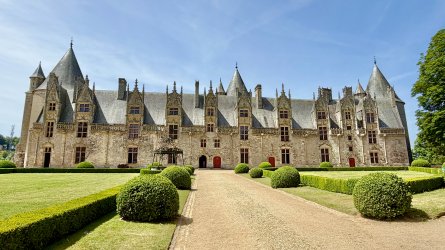
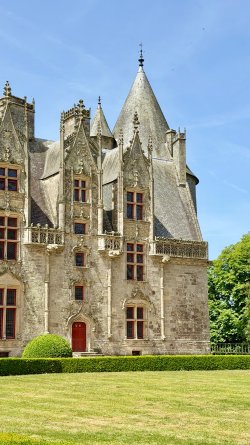
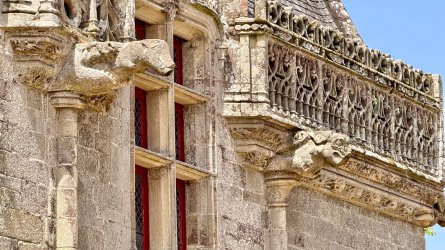
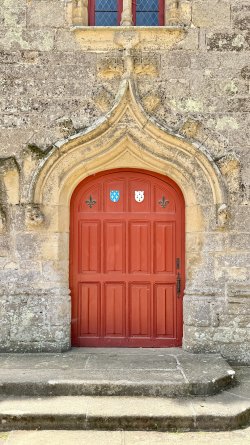
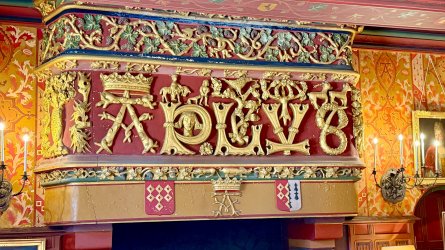
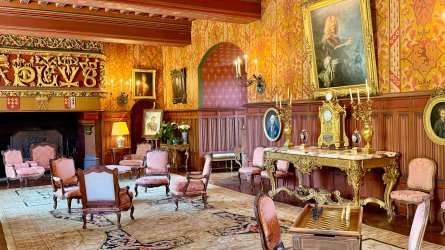
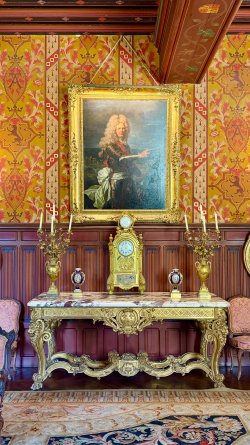
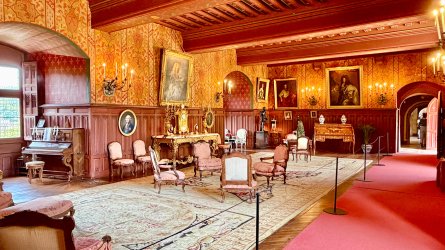
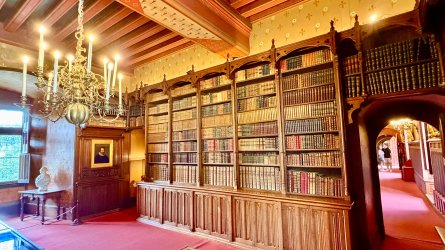
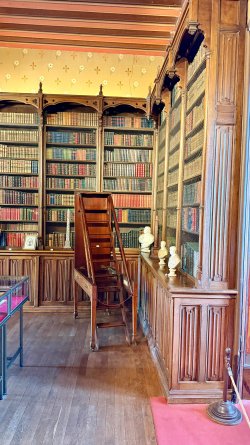
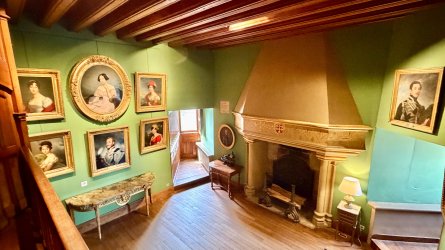
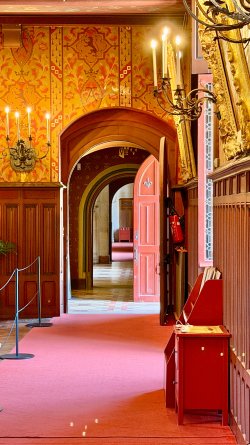
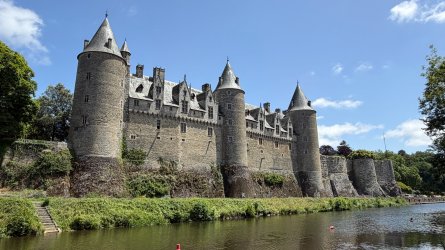
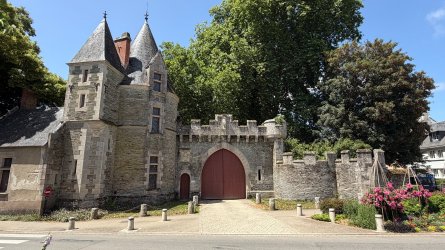
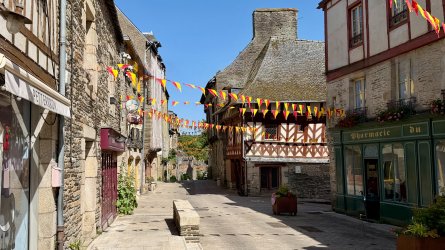
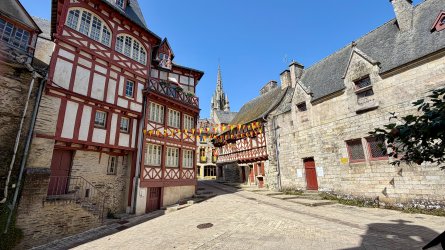
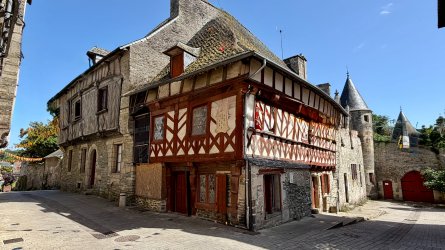
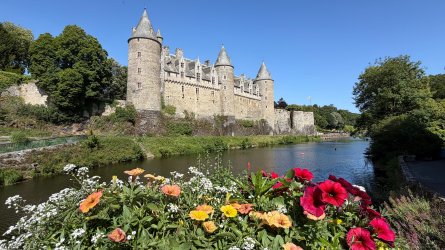
Josselin Castle is a medieval castle at Josselin, in the Morbihan department of Brittany, France, first built in 1008 by Guéthénoc, viscount of Porhoët. The town and castle were named after Guéthénoc's son, Goscelinus, and rebuilt at various times since. The current castle was built by Olivier V de Clisson after 1370. He had acquired the land as part of the dowry on his marriage to Margaret of Rohan.
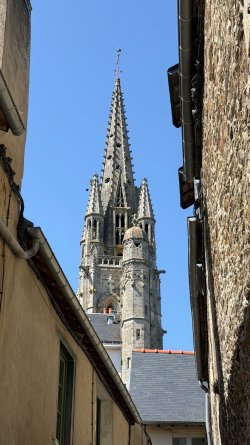
The site chosen for the castle was excellent from both military and commercial points of view. Since the 9th century, there had also existed an annual pilgrimage in September to the Basilica of Our Lady of the Bramble, which added greatly to the wealth of the lords and people of Josselin.
In 1154, Odo II, Viscount of Porhoët, step-father, guardian and regent of the young Conan IV, Duke of Brittany, collected the Breton lords to deprive Conan of his inheritance, but was defeated by Henry II of England, who was also Count of Anjou, whose protection Conan had sought. Henry married his fourth son, Geoffrey, to Conan's only child, Constance, Duchess of Brittany, and Henry and his son pulled Josselin Castle down in 1168 and 1175. Henry II himself led the demolition and sowed salt into the ruins.
During the Breton War of Succession (1341–1364), the garrison of Josselin fought the defenders of the nearby Castle of Ploërmel without any clear outcome. To break the impasse, the Battle of the Thirty was arranged, contested by thirty knights from each side, and took place on 26 March 1351 halfway between the two places. The men of Josselin defeated the champions of Ploërmel, who were four Bretons, six Germans and twenty Englishmen.
In 1370 the Breton soldier Olivier V de Clisson (1336–1407), later Constable of France, acquired the lordship of Josselin and built an imposing new fortress with eight towers and a keep one hundred yards across. He married his daughter Beatrice to Alain VIII of Rohan, heir to the viscounts of Rohan, whose own castle was not far away.
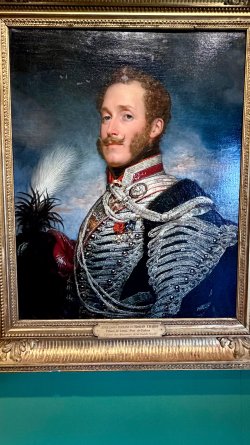
In the 18th century, the castle was no longer occupied as a seat of power, and during the years of the French Revolution and the First French Empire it became a prison and a warehouse. In 1822, Caroline, Duchess of Berry, persuaded the then Duke of Rohan, Louis-François de Rohan-Chabot to restore it.
The castle remains a residence of Josselin de Rohan, fourteenth Duke of Rohan, who was President of the region of Brittany from 1998 to 2004. A marble bust of the 13th Duke, Alain Louis Auguste de Rohan-Chabot, sculpted in 1910 by Auguste Rodin, is displayed in the antechamber, and there is also an equestrian statue of Olivier de Clisson.