

- Joined
- Nov 12, 2012
- Posts
- 33,318
- Qantas
- Platinum
- Virgin
- Gold
- Star Alliance
- Gold
First Class. Included.No prices?





First Class. Included.No prices?
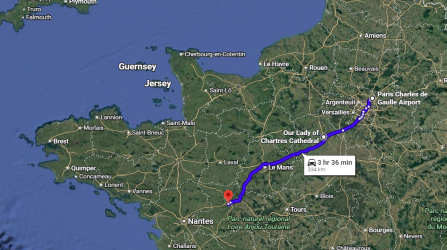
Always appreciate your advice on France. Yes, I have the morning of next Tuesday in St Malo.Second, since you will be driving through Dinan, if you haven't already been there, I would make the 33 minute side trip to Saint Malo.

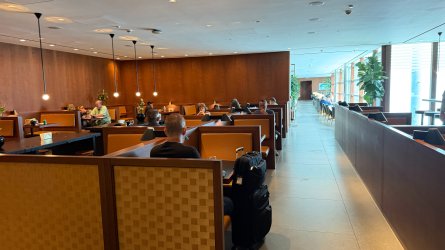
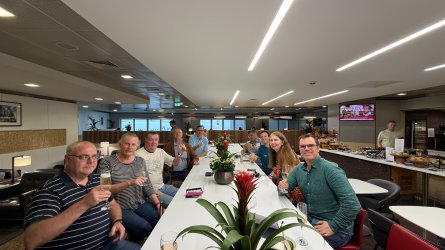
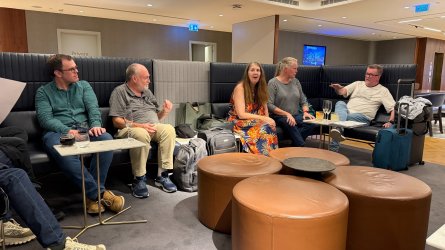
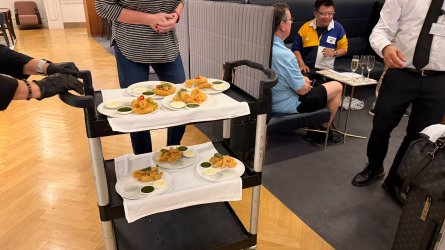
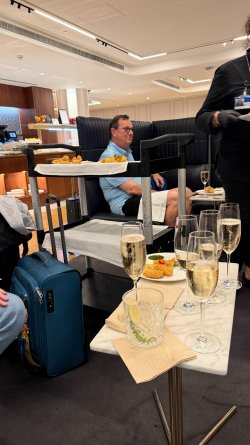
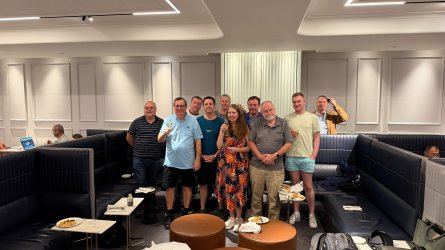

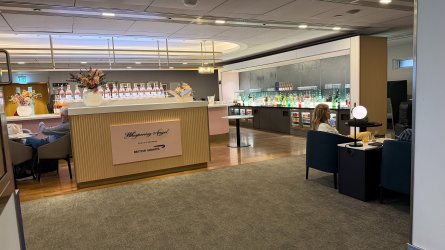


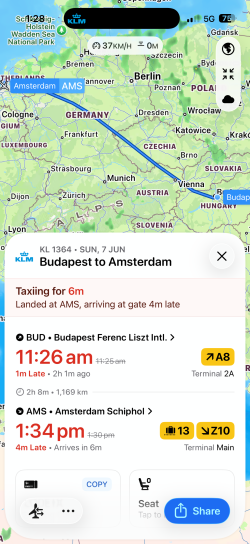
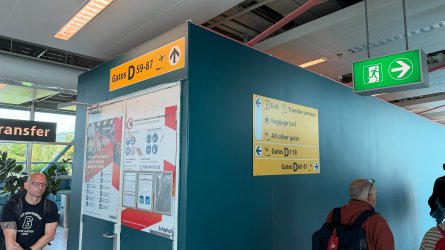
 . I stood around for a while and then asked one of the helpers in the terminal where KLM would board from - gates round the corner she said.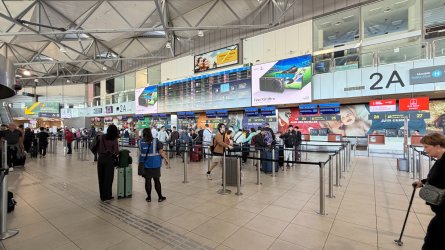



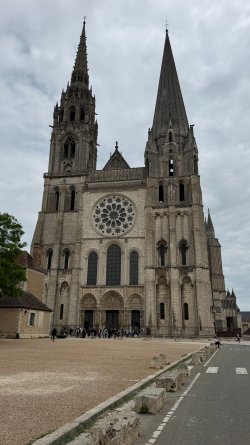
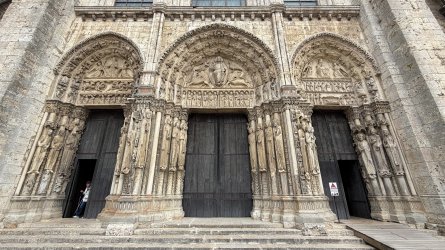
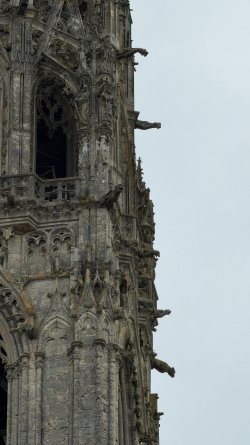
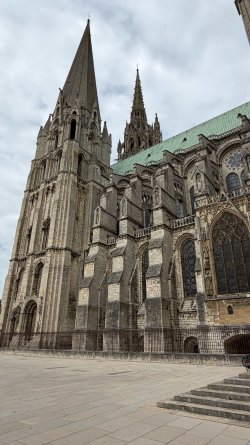
It was mostly constructed between 1194 and 1220. It stands on the site of at least five cathedrals that have occupied the site since the Diocese of Chartres was formed as an episcopal see in the 4th century. It is one of the best-known and most influential examples of High Gothic and Classic Gothic architecture. It was built above earlier Romanesque basements, while its north spire is more recent (1507–1513) and is built in the more ornate Flamboyant style.
"[O]ne of the most beautiful and historically significant cathedrals in all of Europe," it was designated a World Heritage Site by UNESCO in 1979, which called it "the high point of French Gothic art" and a "masterpiece".
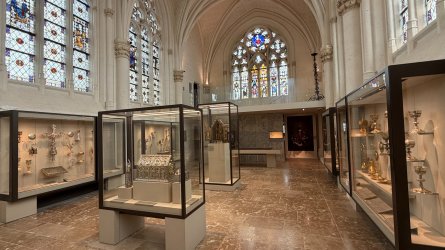
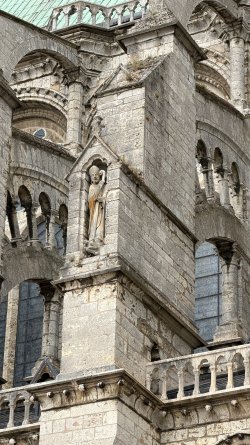
The cathedral has been well-preserved and restored: the majority of the original stained glass windows survive intact, while the architecture has seen only minor changes since the early 13th century. The building's exterior is dominated by heavy flying buttresses which allowed the architects to increase the window size significantly, while the west end is dominated by two contrasting spires – a 105-metre plain pyramid completed around 1160 and the 113-metre Flamboyant (late Gothic) spire on top of an older tower. Its three great façades are adorned with hundreds of sculpted figures illustrating key theological themes and narratives.

These days stairs in the lounge are not just stupid but down right crazy and worthy of a real blast to lounge staff.Time to leave. I think there were 6 of us on this flight to BUD. For me it was a quick overnight transit before heading to CDG.
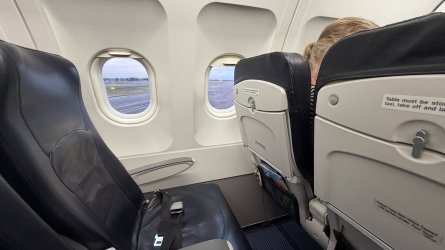
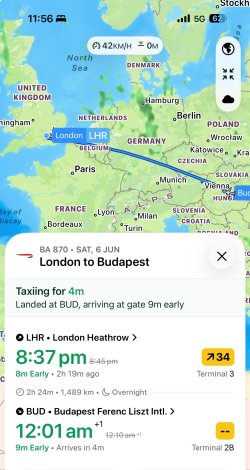
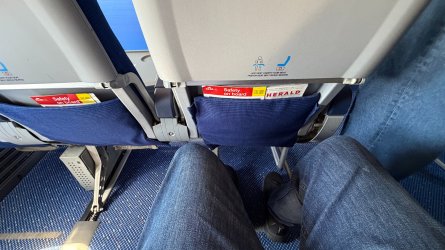
BA870 LHR 20:37 BUD 00:01, A319, 2C Left a fraction early and arrived 15 mins early.
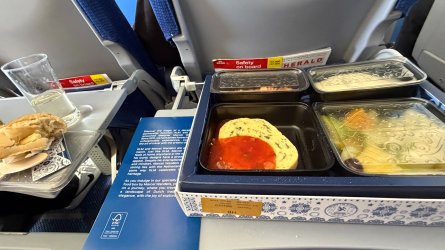
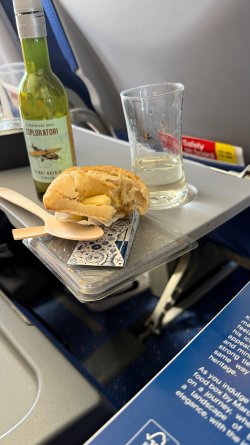
An OK flight - Euro biz, but I had a shadow
View attachment 509859
View attachment 509860
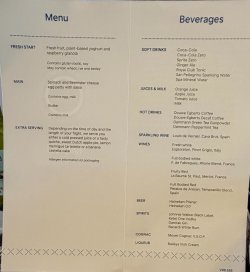
Dinner
View attachment 509861
View attachment 509862
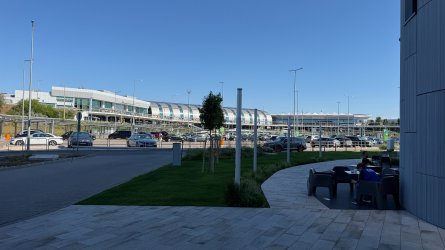
A walk down to the Ibis Styles. See pics and comments here. Was Ok for a quick overnight.
Back to the terminal in the morning.
View attachment 509863
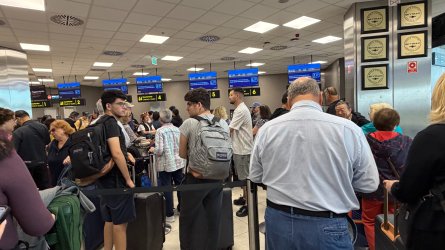
Check-in queues very long! Lots of Chinese and American (especially) pax off cruises. Check-in for my flight opens 2 hrs before departure - I was there 3 hrs prior
View attachment 509864
So I went there and ..
View attachment 509865
Zounds! Everyone was there early, like me, but they didn't spend 20 mins in another part of the terminal. I joined the 'Sky Priority' lane (pic above) and fortunately, got chatting with some Americans behind me. They were off a cruise, and one of the cruise helpers pointed out that they could use the self-bag drop machines a few meters away. So could I!
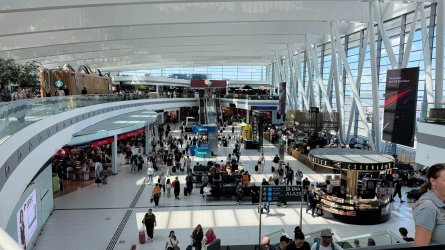
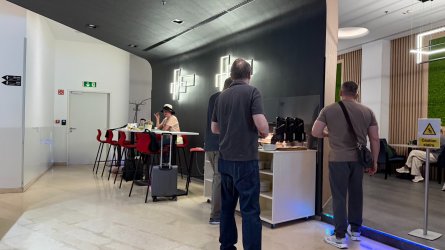
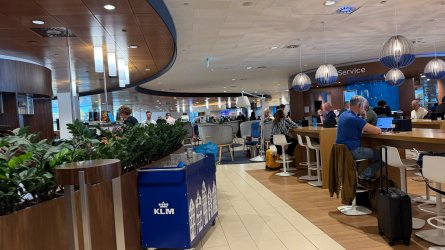
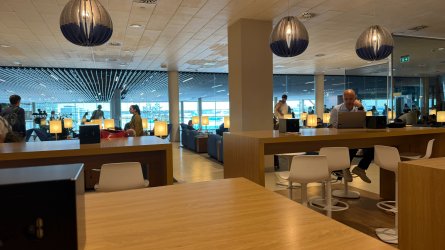
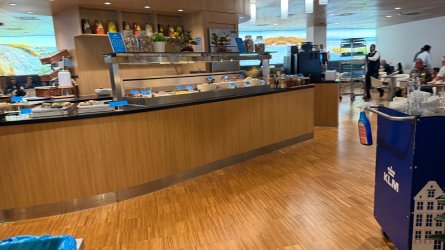
So through security OK and to the KLM 'lounge'. Airside at BUD
View attachment 509871
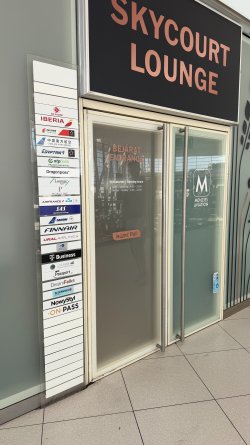
A shared lounge - shared with half the airlines on earth, it seems.
View attachment 509868
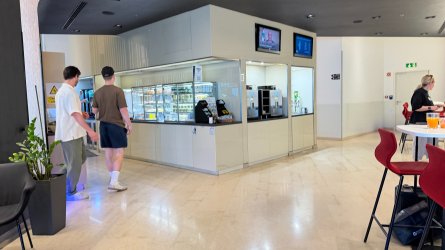
Not much more than basic. Beer seemed popular in the morning.
View attachment 509866
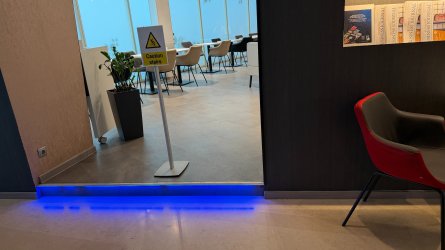
Stupid steps in the lounge.
View attachment 509867
View attachment 509869
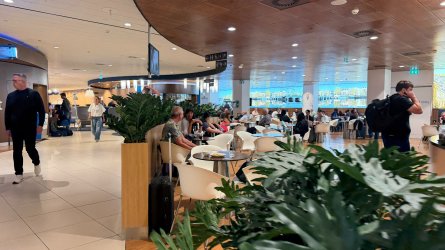
Very loud Chinese and Americans in the lounge - I bailed and walked around the terminal.

AFF Supporters can remove this and all advertisements

Surprised there are still manual cars for hire. Maybe it is an EU thingI drove a manual up to about 7 years ago ...

It is. Like AC is the work of the Devil, many believe God still drives a manual.Surprised there are still manual cars for hire. Maybe it is an EU thing
Still, manual driving is "forever" muscle memory.
On the night of 10 June 1194, another major fire devastated the cathedral. Only the crypt, the towers, and the new façade survived. The cathedral was already known throughout Europe as a pilgrimage destination, due to the reputed relics of the Virgin Mary that it contained. A legate of the Pope happened to be in Chartres at the time of the fire, and spread the word. Funds were collected from royal and noble patrons across Europe, as well as small donations from ordinary people. Reconstruction began almost immediately. Some portions of the building had survived, including the two towers and the Royal Portal on the west end, and these were incorporated into the new cathedral.
The nave, aisles, and lower levels of the transepts of the new cathedral were probably completed first, then the choir and chapels of the apse; then the upper parts of the transept. By 1220, the roof was in place. The major portions of the new cathedral, with its stained glass and sculpture, were largely finished within just twenty-five years, extraordinarily rapid for the time. The cathedral was formally re-consecrated in October 1260, in the presence of King Louis IX of France, whose coat of arms can be seen painted on a boss at the entrance to the apse, although this was added in the 14th century.
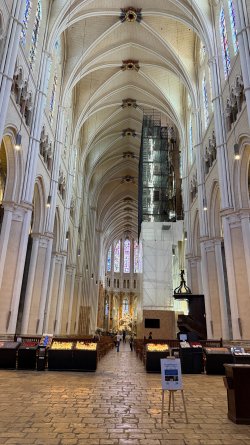
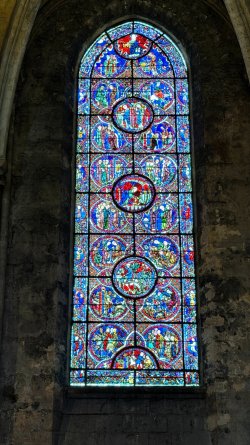
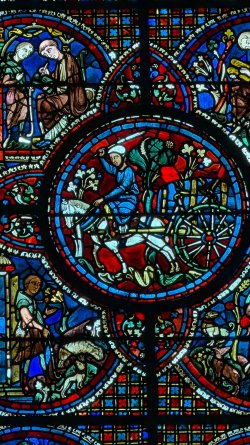
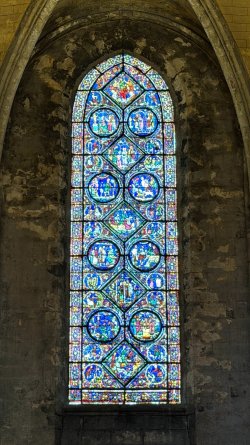
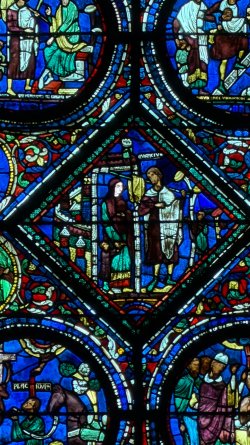
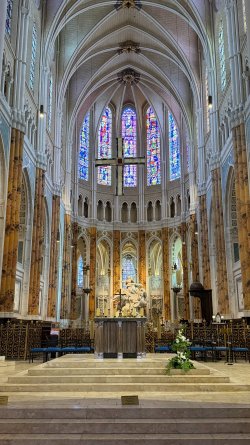
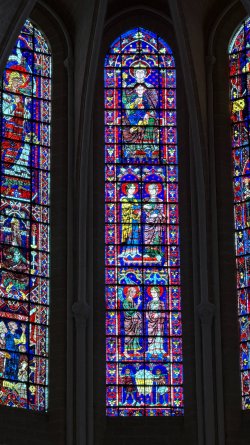
Early in the French Revolution a mob attacked and began to destroy the sculpture on the north porch, but was stopped by a larger crowd of townspeople. The local Revolutionary Committee decided to destroy the cathedral via explosives and asked a local architect to find the best place to set the explosions. He saved the building by pointing out that the vast amount of rubble from the demolished building would so clog the streets it would take years to clear away. The cathedral, like Notre Dame de Paris and other major cathedrals, became the property of the French State and worship was halted until the time of Napoleon, but it was not further damaged.
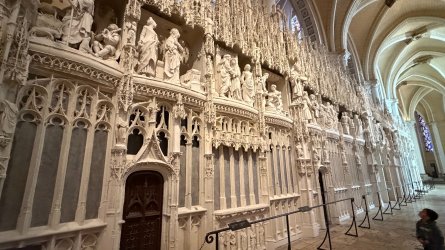
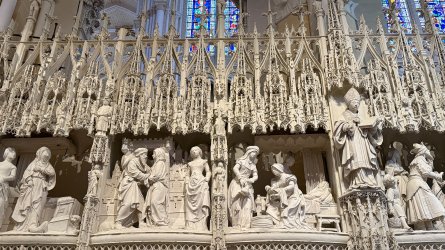
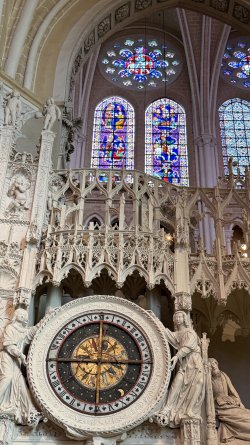
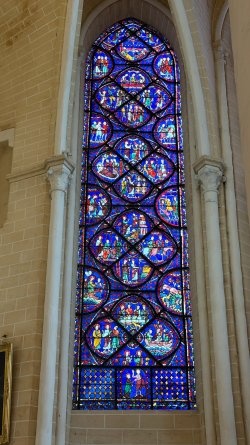
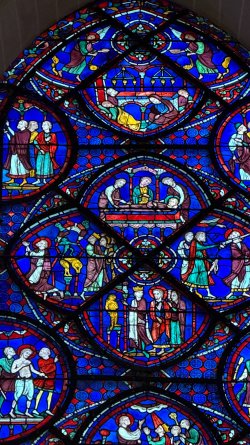
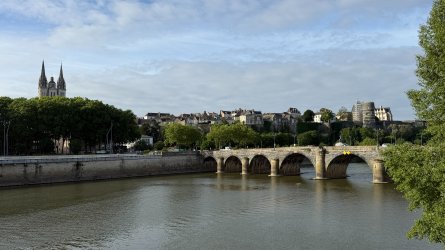
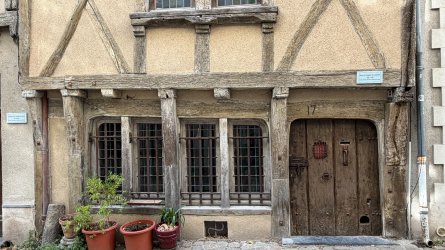
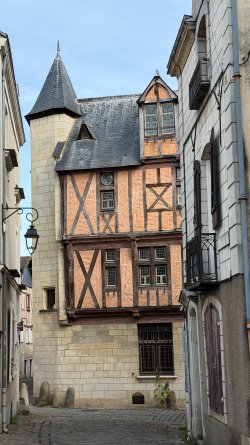
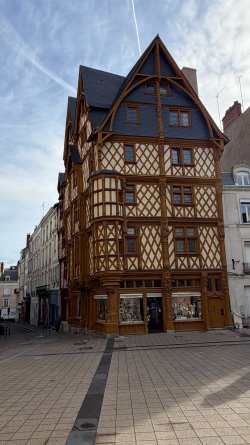
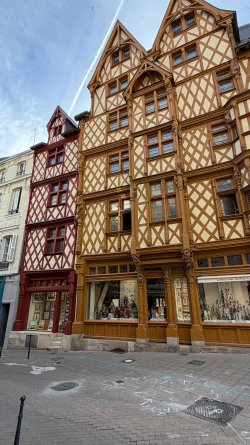
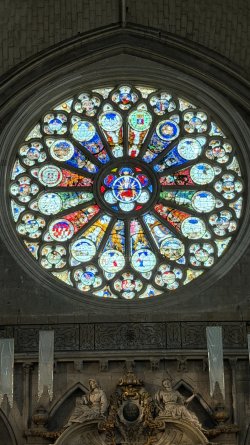
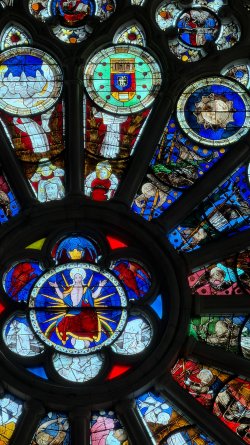
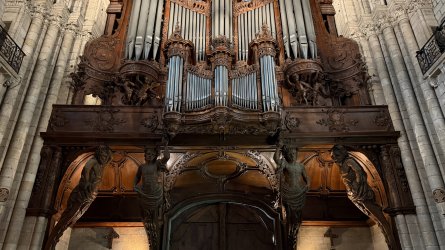
Built between the 11th and 16th centuries, it is known for its mixture of Romanesque and Gothic architecture, and its ornate Baroque altar and sculpture. It also has an extensive collection of stained-glass windows, including several elements from the late 12th century, one of the earliest uses of grisaille glass in combination with coloured glass, and two rose windows depicting the Last Judgement and the Apocalypse, unique in French renaissance stained-glass.
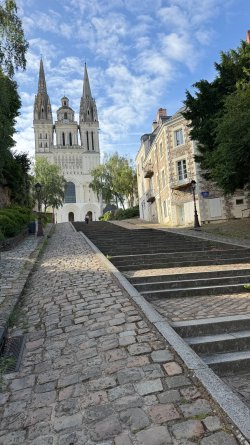
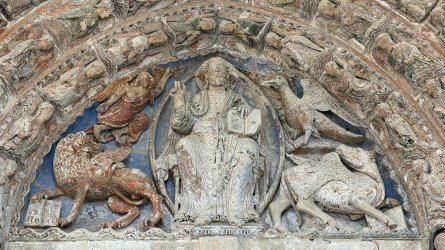
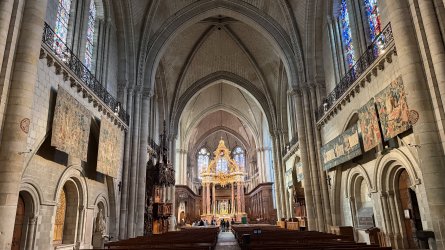
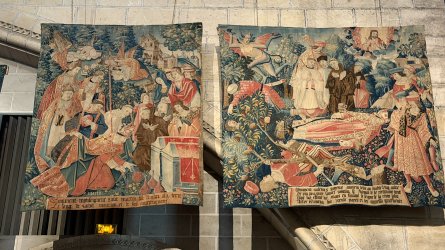
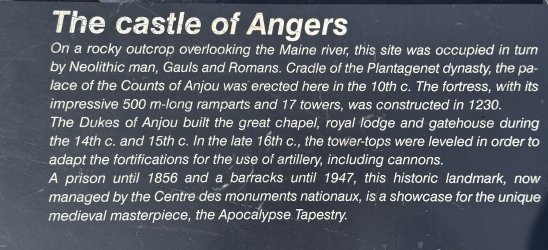
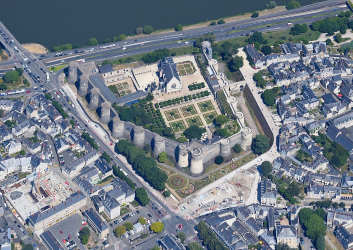
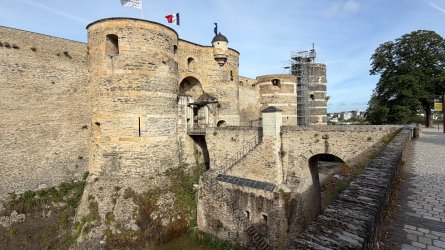
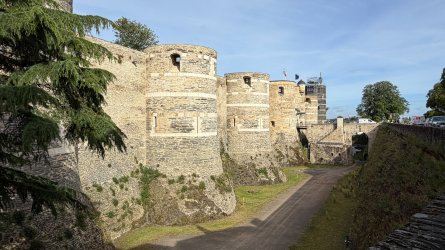
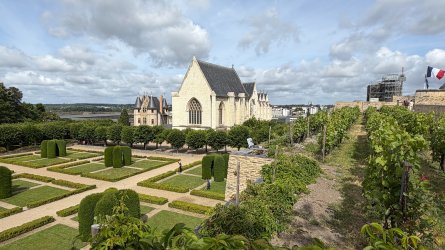
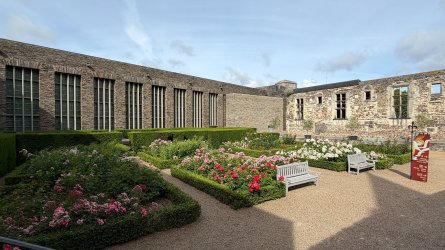
In the 9th century, the Bishop of Angers gave the Counts of Anjou permission to build a castle in Angers. The construction of the first castle begun under Count Fulk III (970–1040), celebrated for his construction of dozens of castles, who built it to protect Anjou from the Normans. It became part of the Angevin Empire of the Plantagenet Kings of England during the 12th century. In 1204, the region was conquered by Philip II and the new castle was constructed during the minority of his grandson, Louis IX ("Saint Louis") in the early part of the 13th century. Louis IX rebuilt the castle in whitestone and black slate, with 17 semicircular towers. The construction undertaken in 1234 cost 4,422 livres, roughly one per cent of the estimated royal revenue at the time. Louis gave the castle to his brother, Charles in 1246.
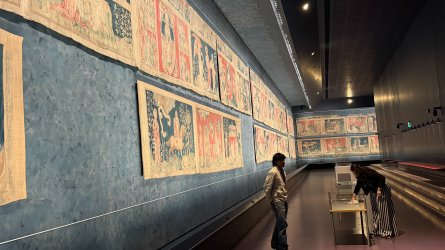
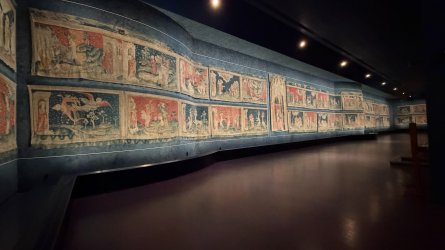
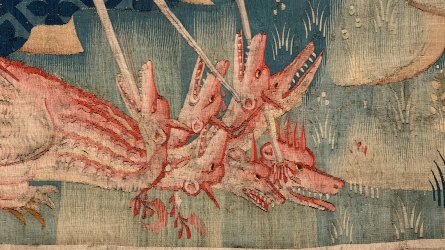
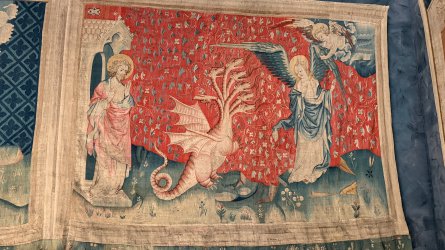
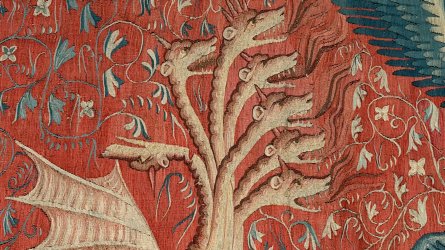
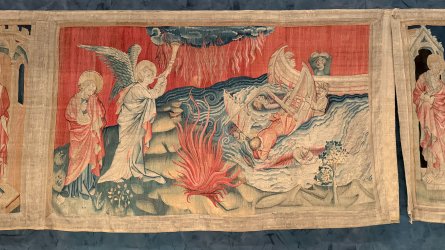
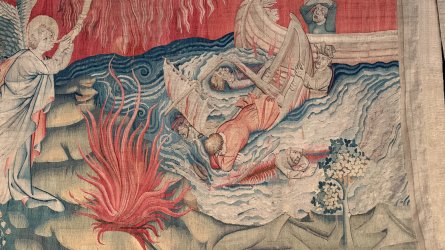
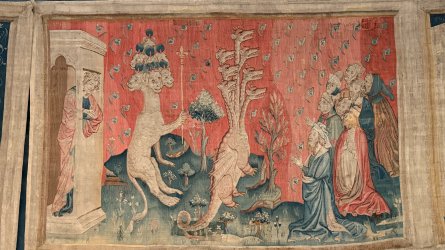
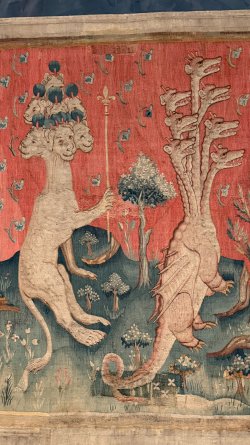
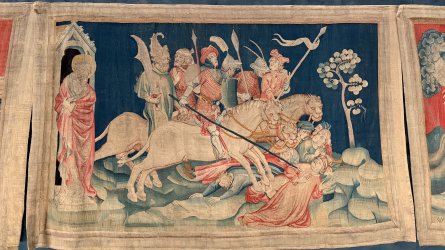
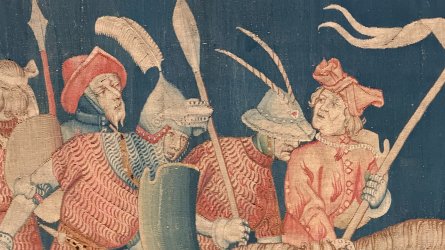
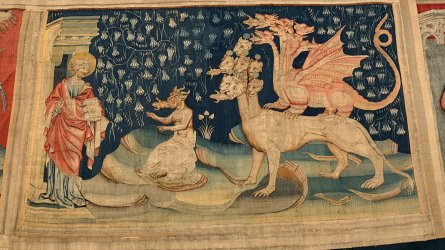
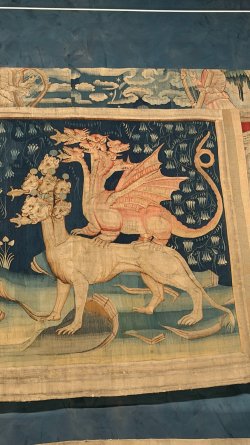
In 1352, King John II, gave the castle to his second son, Louis who later became count of Anjou. Married to the daughter of the wealthy Charles, Duke of Brittany, Louis had the castle modified, and in 1373 commissioned the famous Apocalypse Tapestry from the painter Hennequin de Bruges and the Parisian tapestry-weaver Nicolas Bataille. Louis II (Louis I's son) and Yolande d'Aragon added a chapel (1405–12) and royal apartments to the complex. The chapel is a sainte chapelle, the name given to churches which enshrined a relic of the Passion. The relic at Angers was a splinter of the fragment of the True Cross which had been acquired by Louis IX.
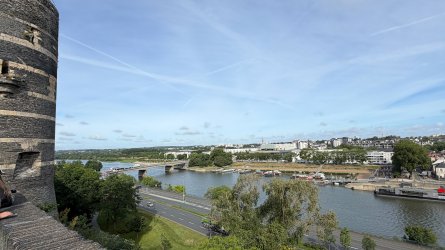
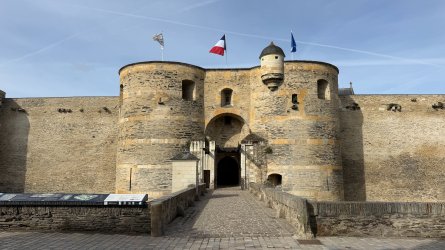
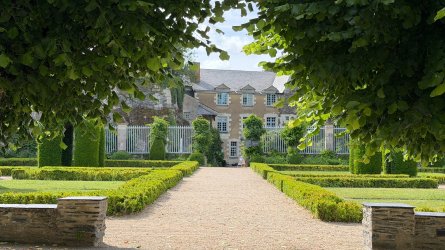
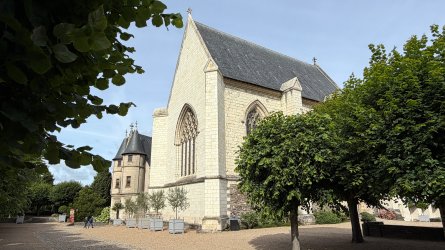
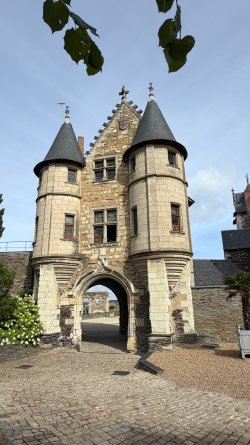
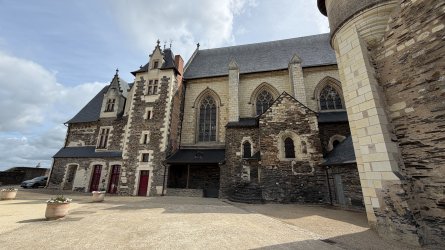
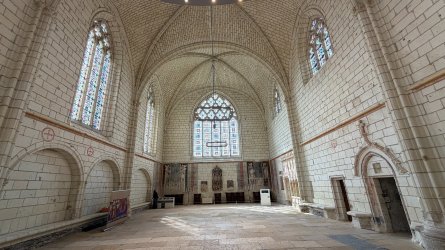
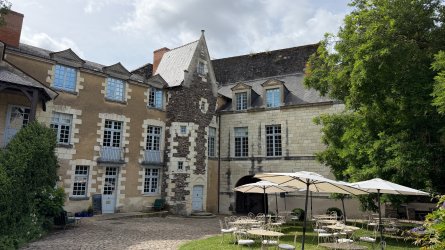
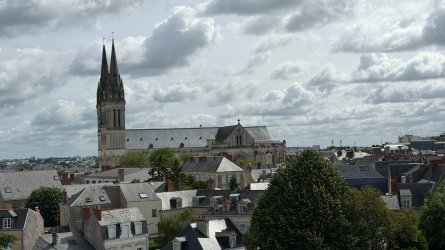

two rose windows depicting the Last Judgement and the Apocalypse, unique in French renaissance stained-glass.
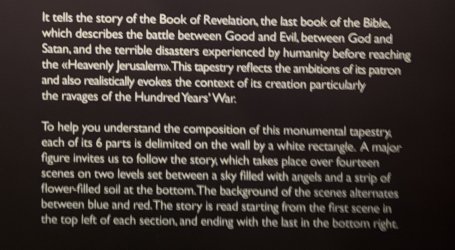
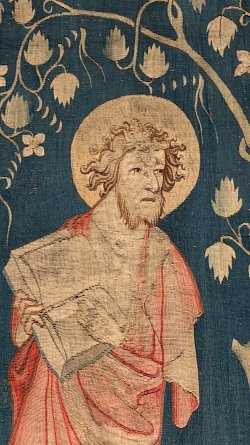
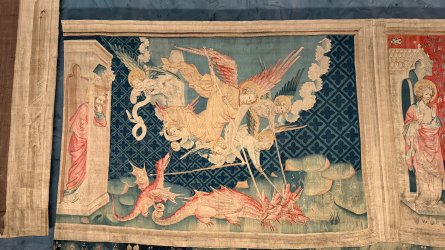
The Apocalypse Tapestry (or the Apocalypse Tapestries , or the Angers Apocalypse ) is a representation of the Book of Revelation by John of Patmos, created at the end of the 14th century on commission from Duke Louis I of Anjou . This work is the most important surviving set of medieval tapestries in the world. The set, composed of six successive pieces, each divided into fourteen panels, was executed based on cartoons by Hennequin of Bruges and testifies to the prestige of its patron. The tapestry was bequeathed to Angers Cathedral in the 15th century by King René .

UK rentals are mostly manual.Surprised there are still manual cars for hire. Maybe it is an EU thing
Still, manual driving is "forever" muscle memory.