




From Harbour Bridge to Golden Gate Bridge: 2–3 Years Living in the US

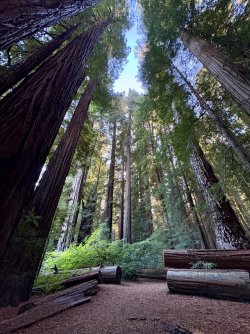
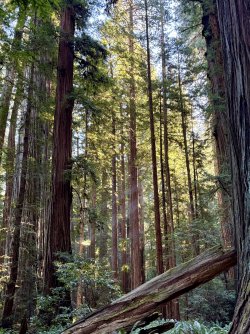
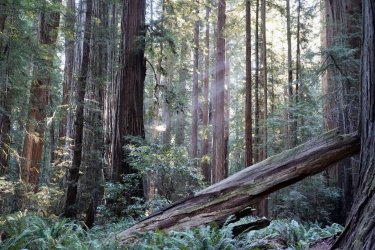
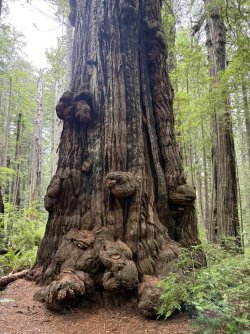
Our first trip to the USA we went to Muir Woods to see the redwoods. Still remember it.
Being a National Monument, Muir Woods had been closed during the recent government shutdown, but I'm hoping to check it out soon now that it has reopened. It's meant to be fantastic.

Lovely photos thanks.

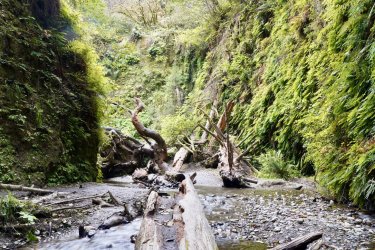
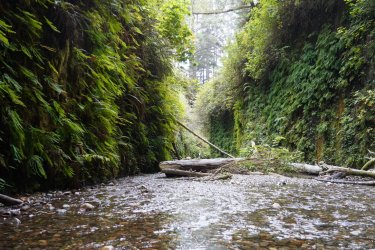
Two things jumped to my mind. Firstly how you seemed to be exploring these paths completely alone. Are there just so many tracks that it it is easy to escape others or was the park very 'empty' of visitors? Secondly I noticed the sign about shallow roots but saw no sign of any 'raised walkways' to avoid soil compression by people walking along the tracks. Did you run across any?
I think I was there during a quieter period, which must've helped. Jedediah is also quite far north, and so with plenty of options closer to San Francisco, it doesn't appear to be as popular as places like Muir Woods, Avenue of the Giants and Prairie Creek. I also did some longer hikes which naturally are less popular for tourists.

Lassen was deathly quiet outside of the tourist spots like Bumpass Hell and Lassen Peak. It's less well known, a bit of a drive, and has a short season with the main road shutting due to snowfall.

Great question on the raised walkways - there were a few, but not many at all. Lots of signs, however, recommending folks to stay on the trails.
 
Being a National Monument, Muir Woods had been closed during the recent government shutdown, but I'm hoping to check it out soon now that it has reopened. It's meant to be fantastic.


I think I was there during a quieter period, which must've helped. Jedediah is also quite far north, and so with plenty of options closer to San Francisco, it doesn't appear to be as popular as places like Muir Woods, Avenue of the Giants and Prairie Creek. I also did some longer hikes which naturally are less popular for tourists.

Lassen was deathly quiet outside of the tourist spots like Bumpass Hell and Lassen Peak. It's less well known, a bit of a drive, and has a short season with the main road shutting due to snowfall.

Great question on the raised walkways - there were a few, but not many at all. Lots of signs, however, recommending folks to stay on the trails.
Thanks for the response. Whatever the reason it must have been really nice wandering through the forest on your own..
 
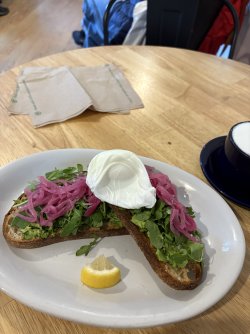
After the mammoth hike the day before, I allowed myself a proper sleep-in. I woke to the sound of torrential rain. Breakfast and coffee were at the Beachcomber Café in Trinidad, a cosy stop to warm up and watch the storm roll through before getting back on the road.

IMG_3482.jpeg

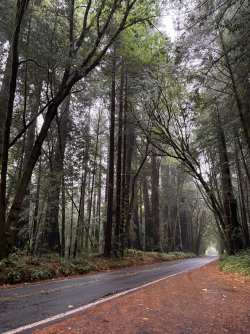
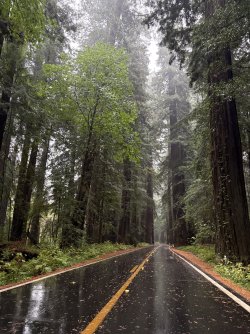
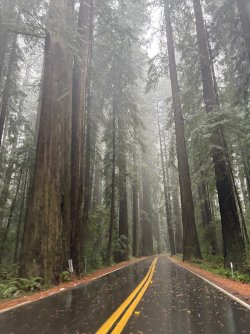
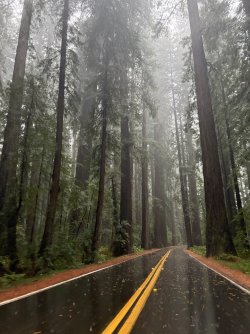
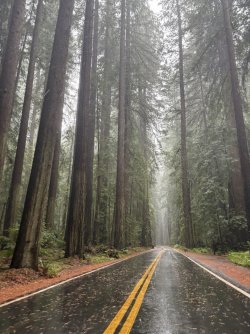
From there, I continued south toward the Avenue of the Giants, one of the most famous scenic drives in Northern California. The avenue runs for about 31 miles (50 km) parallel to Highway 101 and cuts through Humboldt Redwoods State Park, home to the largest contiguous stand of old-growth redwoods left on Earth. It’s a slow, winding road designed to be driven deliberately, with towering redwoods lining both sides and countless pullouts for short walks and groves.

Unfortunately, the weather had other plans. The rain was relentless, and visibility was poor, so this became a drive-only experience. Even from inside the car, though, the scale of the trees was impossible to ignore.

No hikes this time, but sometimes the road itself is enough.

IMG_3484.jpeg
IMG_3485.jpegIMG_3488.jpegIMG_3490.jpeg
 
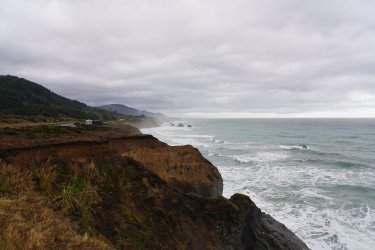
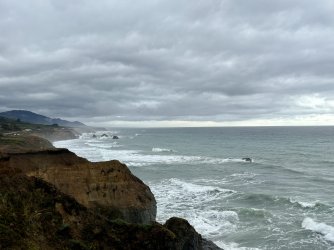
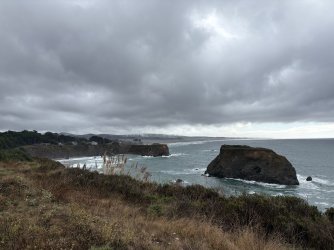
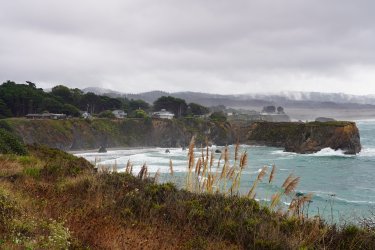
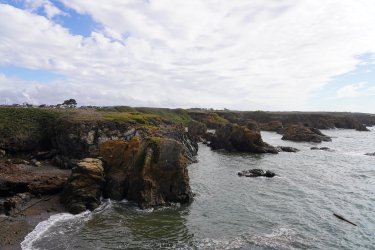
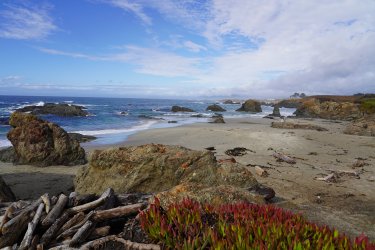
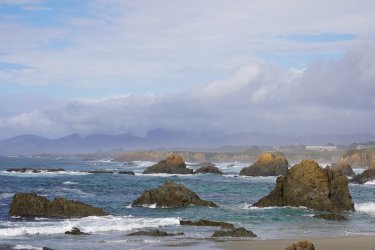
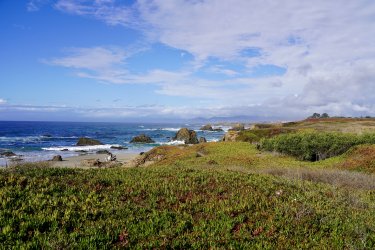
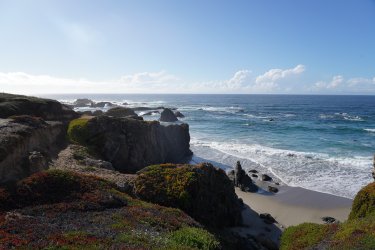
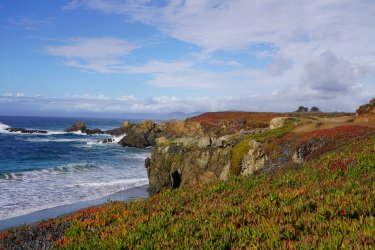
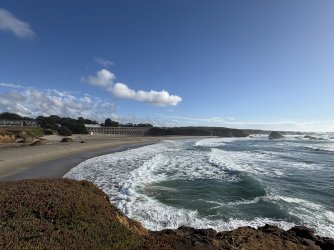
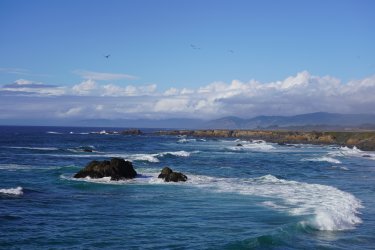
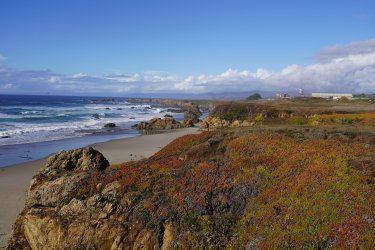
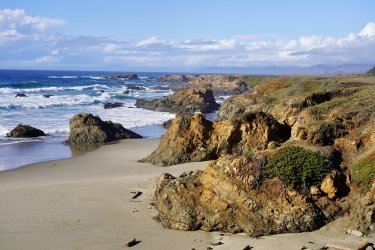
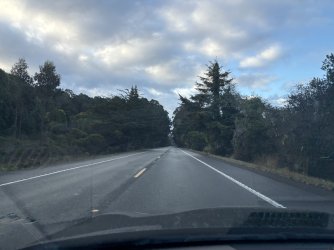
From the Avenue of the Giants, it was about a two-hour drive south to Fort Bragg. The rain stuck around for a while inland, but as I approached the coast it finally began to ease. Joining Highway 1 felt like a turning point - the clouds started to break and patches of blue appeared. After days of forest and mist, it was a relief to see the Pacific again.

DSC02576.JPG
IMG_3500.jpeg
IMG_3502.jpeg
DSC02585.JPG

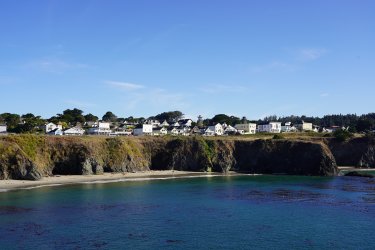
Fort Bragg is a former logging town turned coastal hub, best known for its rugged shoreline, fishing harbour, and access to Mendocino’s dramatic coast. It has a practical, working-town feel rather than the polish of some neighbouring spots, but that’s part of its charm.

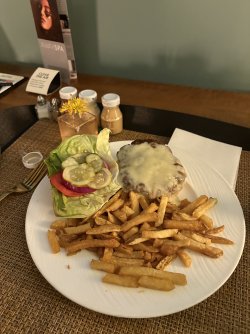
Lunch was a late one at The Pub at North Coast Brewing Co.

IMG_3505.jpeg

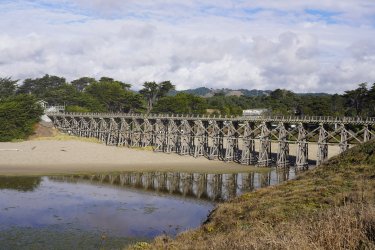
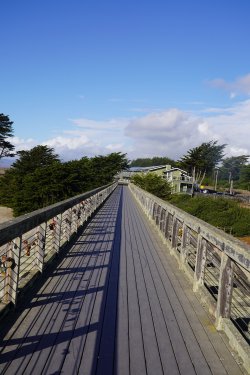
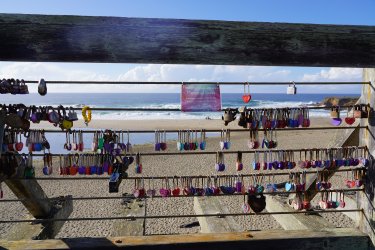
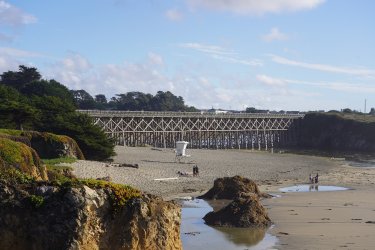
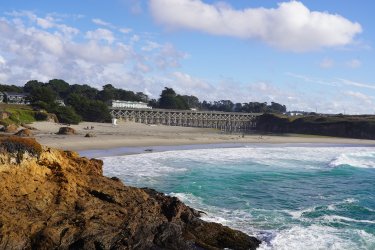
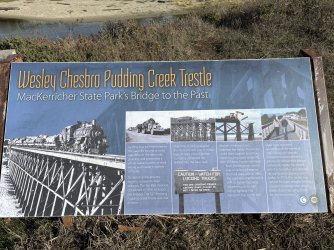
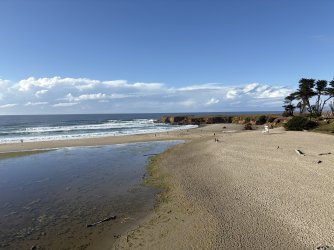
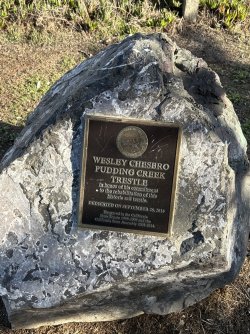
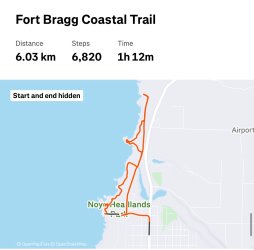
From there, I stretched my legs with a 6 km walk along the Fort Bragg Coastal Trail, which follows the bluffs above the ocean. One highlight was crossing the Pudding Creek Trestle, a former railway bridge now converted into a pedestrian crossing. It spans the mouth of Pudding Creek where it meets the ocean, with views back toward the harbour and out to sea - a great example of old industrial infrastructure finding new life.

DSC02588.JPG
DSC02594.JPGDSC02597.JPGDSC02601.JPGDSC02606.JPG
DSC02616.JPGDSC02628.JPGDSC02623.JPG
 
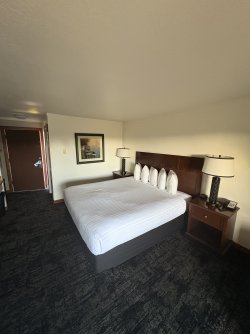
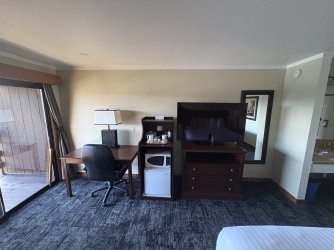
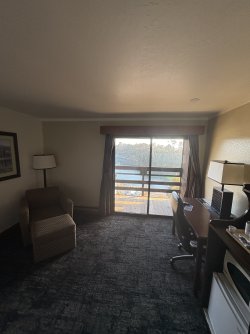
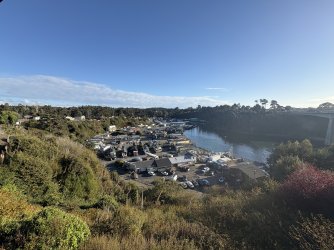
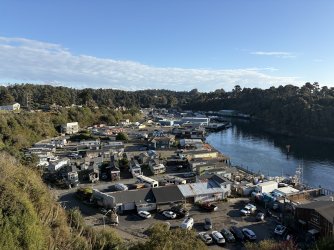
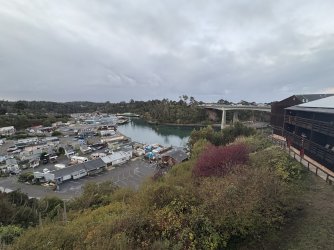
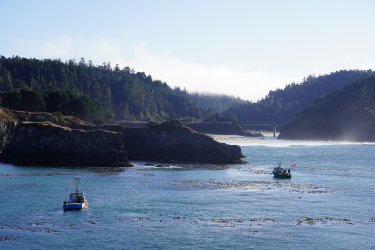
Later in the afternoon, I checked into my accommodation for the night, the Harbor Lite Lodge. At $138, the room was simple but spacious, and I was lucky enough to have a view out the back over Noyo Harbor, Fort Bragg’s working fishing harbour. Watching boats come and go in the late afternoon light was a nice way to slow things down.

IMG_3517.jpeg
IMG_3518.jpeg
IMG_3519.jpeg
IMG_3523.jpeg
IMG_3522.jpeg
IMG_3526.jpeg

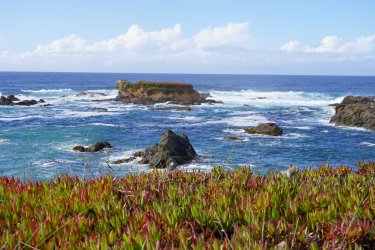
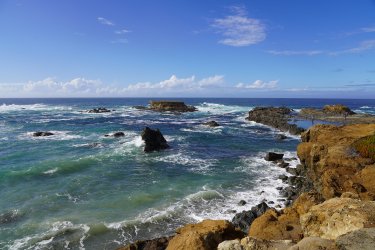
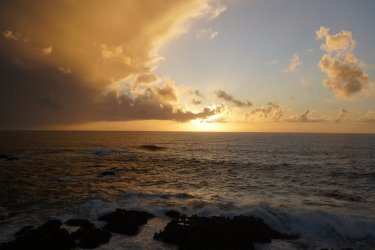
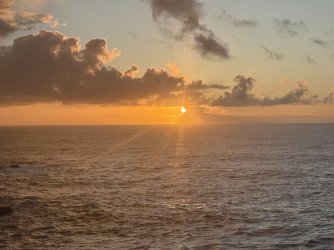
I rounded out the day with a drive to Todd Point to catch the sunset. The earlier rain had washed the air clean, and the light was beautiful — warm tones reflecting off the cliffs and ocean as the sun dipped below the horizon.

DSC02675.JPG
DSC02700.JPG
DSC02702.JPG
DSC02706.JPG
DSC02724.JPG
IMG_3525.jpeg

Overall, a bit of a mixed day weather-wise, but after the run of luck I’d had so far, I really couldn’t complain.
 
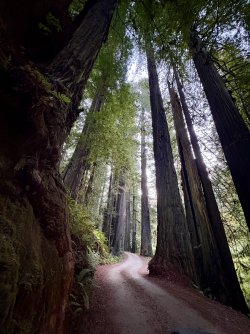
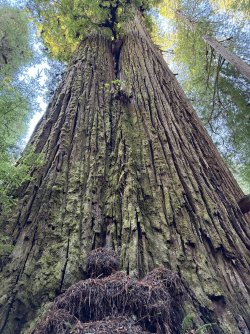
And that’s a wrap on the Redwood National and State Parks. If there’s one word that sums them up, it’s humbled. Walking among the tallest trees on Earth has a way of recalibrating your sense of scale - towering trunks rising out of the mist, light filtering softly through the canopy, and a quiet stillness that encourages you to slow down. It’s the kind of place where you can walk for hours and never feel the urge to rush on, each grove subtly different from the last, each turn revealing something new.

These forests have endured immense loss - once logged almost to extinction - yet what remains is extraordinary. That nearly half of the world’s remaining old-growth redwoods are protected here is both sobering and hopeful. Standing beside trees that were already ancient long before modern civilisation puts everything else into perspective.

The Redwoods don’t overwhelm with drama like mountains or volcanoes. Their power is quieter, slower, and more patient. They don’t demand attention, they earn it. A few days here was enough to leave a lasting impression, and to feel profoundly humbled by a landscape that rewards time, stillness, and curiosity.

IMG_3045.jpeg
IMG_3118.jpegIMG_3155.jpegIMG_3170.jpegDF911294-6DF2-48E3-90FC-35A6760AFBCE_1_105_c.jpeg98BCFBFE-448B-429C-8D98-25EA0C2C4698_1_105_c.jpeg14F74EAF-9697-41AA-9729-A1DCCD8A1A39_1_105_c.jpeg9352B06B-8A47-4297-94AA-61D32E44711D_1_105_c.jpeg9E4AFD5B-2B79-45FB-8D81-242C71211112_1_105_c.jpeg
 
From the Avenue of the Giants, it was about a two-hour drive south to Fort Bragg. The rain stuck around for a while inland, but as I approached the coast it finally began to ease. Joining Highway 1 felt like a turning point - the clouds started to break and patches of blue appeared. After days of forest and mist, it was a relief to see the Pacific again.

View attachment 486698
View attachment 486699
View attachment 486700
View attachment 486701

Fort Bragg is a former logging town turned coastal hub, best known for its rugged shoreline, fishing harbour, and access to Mendocino’s dramatic coast. It has a practical, working-town feel rather than the polish of some neighbouring spots, but that’s part of its charm.

Lunch was a late one at The Pub at North Coast Brewing Co.

View attachment 486702

From there, I stretched my legs with a 6 km walk along the Fort Bragg Coastal Trail, which follows the bluffs above the ocean. One highlight was crossing the Pudding Creek Trestle, a former railway bridge now converted into a pedestrian crossing. It spans the mouth of Pudding Creek where it meets the ocean, with views back toward the harbour and out to sea - a great example of old industrial infrastructure finding new life.

View attachment 486703
View attachment 486704View attachment 486705View attachment 486706View attachment 486707
View attachment 486708View attachment 486710View attachment 486709

Brilliant photos 📸 🙏 🥂 :cool:
 
I was back on the road by 8 AM, beginning the final leg of the journey home.

IMG_3527.jpeg

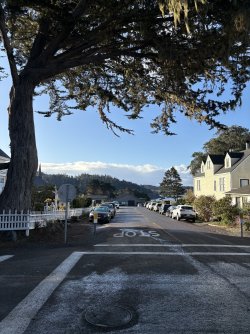
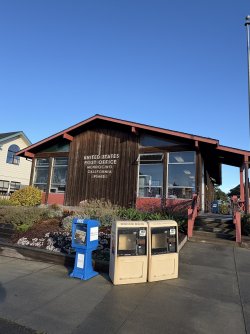
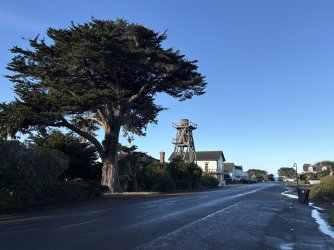
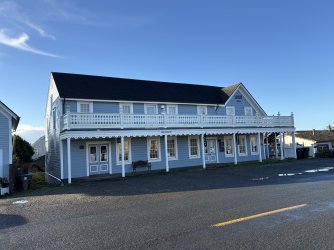
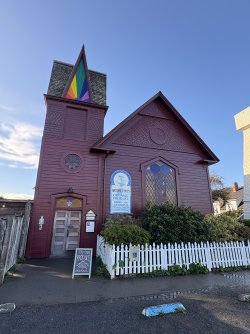
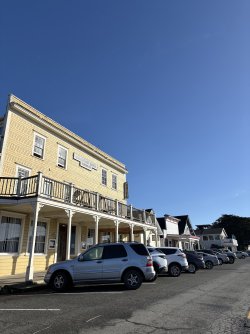
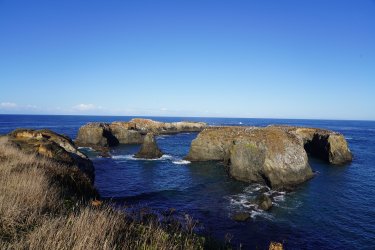
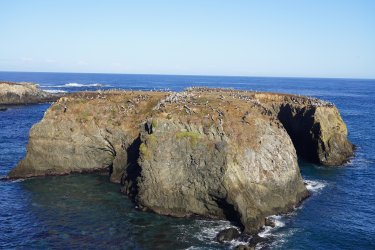
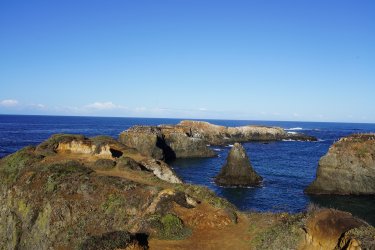
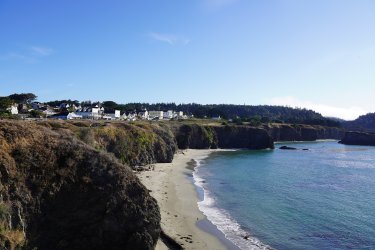
Rather than driving straight through, I stopped in Mendocino for a few hours. Mendocino and Fort Bragg are only a short drive apart, but they feel worlds apart. Where Fort Bragg has a working, utilitarian edge, Mendocino is all charm and polish. Perched on the cliffs above the ocean, the town is filled with historic wooden buildings, galleries, and cafés, and feels far more like a classic coastal village. It’s easy to see why people often debate which makes the better base - they offer very different versions of the same stretch of coast.

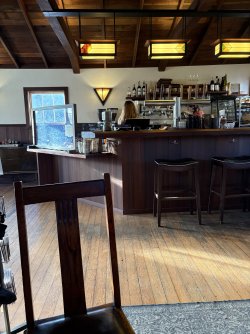
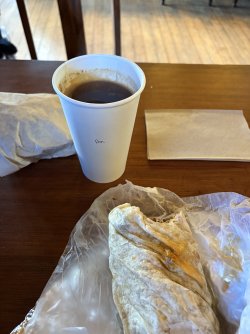
Breakfast and coffee were at The Waiting Room, a relaxed local spot, before I wandered through town and out along the Mendocino Headlands.

IMG_3530.jpeg
IMG_3529.jpeg
IMG_3533.jpeg
IMG_3534.jpeg
IMG_3536.jpeg
IMG_3538.jpeg
IMG_3540.jpeg
IMG_3545.jpeg
DSC02741.JPG
DSC02745.JPG
DSC02749.JPG
DSC02752.JPG
DSC02755.JPG
DSC02757.JPG

By late morning it was time to head south, settling in for the three-hour drive back home. All up, a fantastic 7 nights away and glad to have ticked off 2 more national parks that I hadn't previously seen.
 
Last edited:
Just a couple of days after getting back from the Lassen and Redwoods road trip, it was straight back into work mode with a short trip to Austin. I flew SFO–AUS via DFW on American Airlines, a routing that worked schedule-wise, even if it wasn’t exactly glamorous.

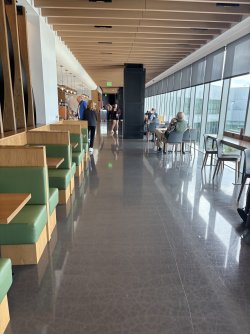
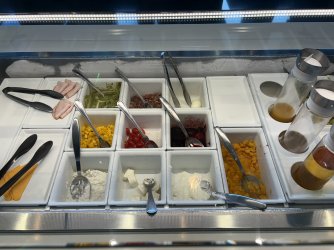
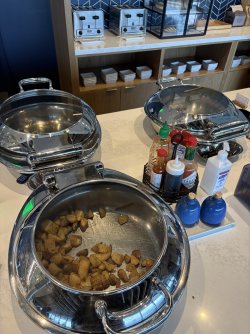
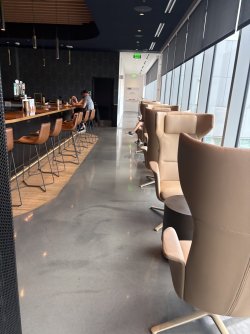
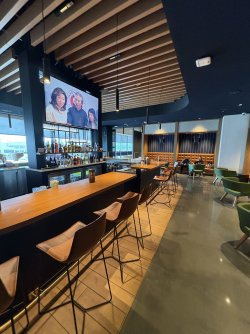
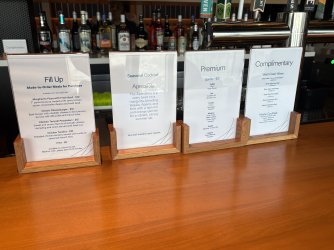
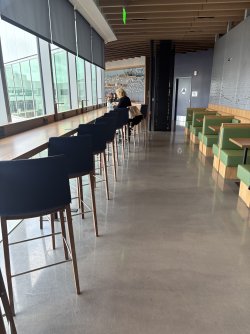
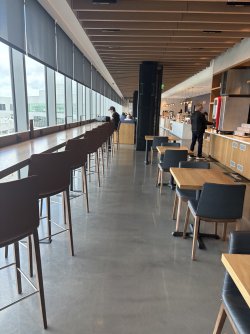
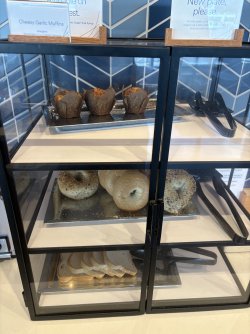
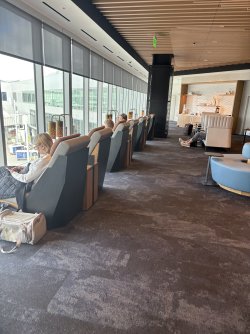
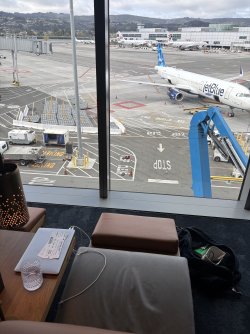
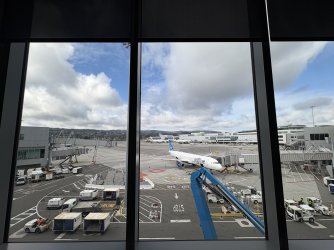
Before departure, I spent some time in the Alaska Airlines Lounge at SFO, which I accessed via oneworld Emerald. It’s a large, light-filled space with plenty of seating and a relaxed feel — a noticeable step up from the nearby Admirals Club, which always feels a bit tired by comparison. Food options were fine rather than memorable, but the space itself is pleasant and never feels cramped, even during busier periods. For SFO, it’s a solid option.

IMG_3562.jpeg
IMG_3563.jpeg
IMG_3565.jpeg
IMG_3566.jpeg
IMG_3567.jpeg
IMG_3568.jpeg
IMG_3569.jpeg
IMG_3570.jpeg
IMG_3571.jpeg
IMG_3572.jpeg
IMG_3573.jpeg
IMG_3574.jpeg

The connection at DFW was efficient in theory, but predictably hectic in practice. Everything works, but the sheer scale and volume of passengers makes transiting feel stressful and noisy. It’s a reminder that one of the trade-offs of flying American or Alaska out of SFO is having to route through massive hubs like DFW, where they dominate - a very different experience compared to United’s operation at SFO which offers a direct service to AUS.

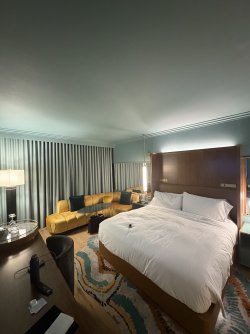
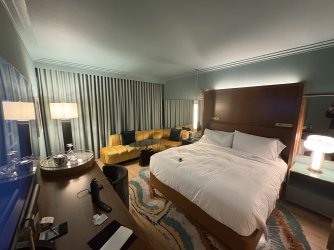
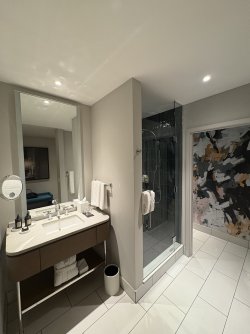
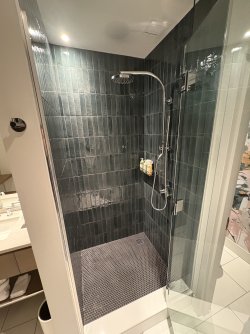
In Austin, I stayed at the W Austin, right in the heart of downtown. Location-wise, it’s excellent and the room itself was spacious and comfortable. That said, it was a whirlwind trip and work was non-stop, so I didn’t get a chance to check out the pool or gym. There was also no recognition of my Marriott Titanium Elite status, which was a little disappointing.

IMG_3580.jpeg
IMG_3581.jpeg
IMG_3578.jpegIMG_3579.jpeg
IMG_3582.jpeg

All in all, a functional work trip rather than a memorable one - but a sharp return to reality after the week spent wandering forests and coastlines.
 
A week later, I had a friend visiting from Melbourne, which felt like the perfect excuse to get out and explore a bit more of Northern California.

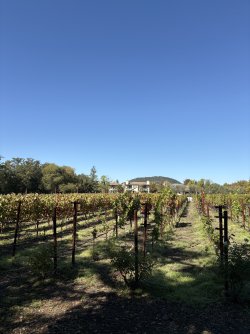
On Saturday, we headed north to Napa Valley, which was my first visit to California’s most famous wine region. Napa is surprisingly compact - a narrow valley about 50 km long - but globally renowned for its Cabernet, Mediterranean climate, and concentration of high-end wineries.

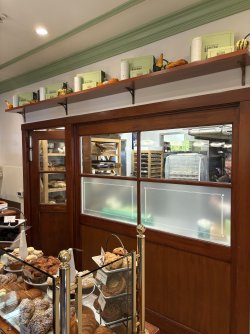
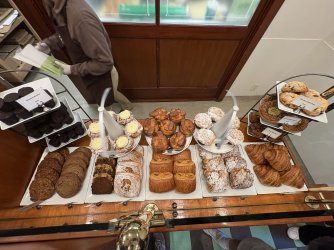
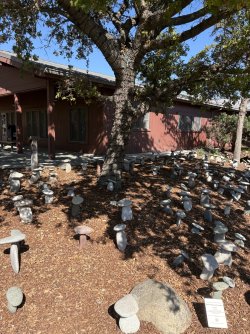
We spent the morning wandering around Yountville, a small, immaculately kept town at the heart of the valley. It’s best known for its outsized culinary reputation (including The French Laundry with 3 Michelin stars), but even without a fine-dining reservation it’s a lovely place to stroll. We ticked off the obligatory visit to Bouchon Bakery, wandered part of the Yountville Art Walk, and soaked up the relaxed, upscale vibe.

IMG_3608.jpeg
IMG_3609.jpeg
IMG_3610.jpeg
IMG_3611.jpeg

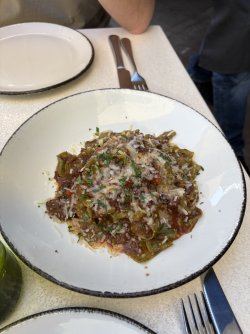
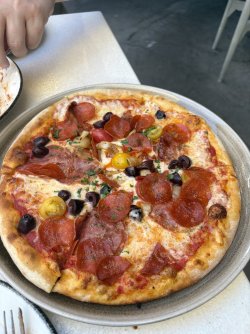
One thing that surprised us both was how different Napa feels compared to wine regions back home like Mornington Peninsula or parts of South Australia. In Australia, it’s common for wineries to have casual restaurants or cellar-door kitchens. In Napa, many wineries focus almost exclusively on tastings, which made finding lunch harder than expected. After a bit of searching, we lucked into Brasswood Bar + Kitchen for a late lunch - and it turned out to be a highlight. The wine was excellent, and the short rib sugo was genuinely one of the best pasta dishes I’ve ever had. Highly recommend!

IMG_3612.jpeg
IMG_3613.jpeg

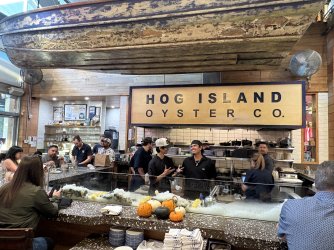
On the way home, we stopped briefly at Oxbow Public Market in downtown Napa - a lively food hall with everything from oysters to tacos — though we didn’t linger long or take many photos.

IMG_3615.jpegIMG_3616.jpeg
 
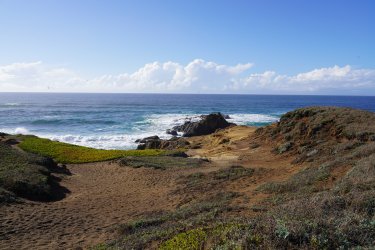
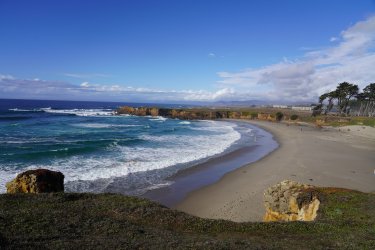
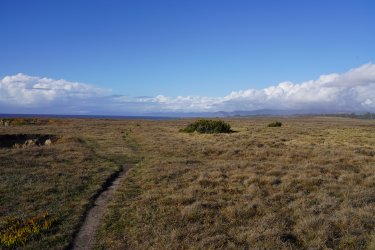
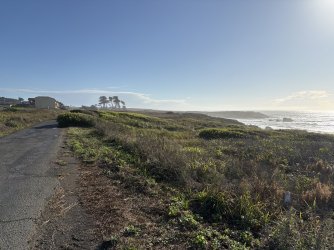
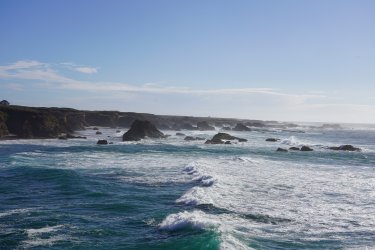
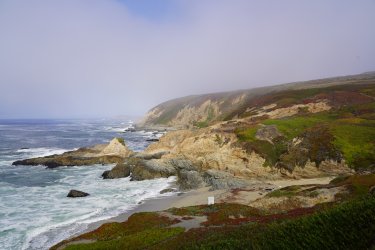
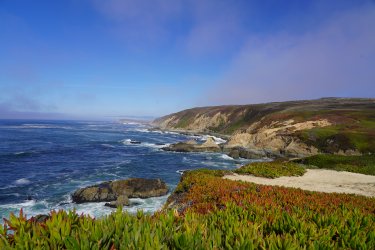
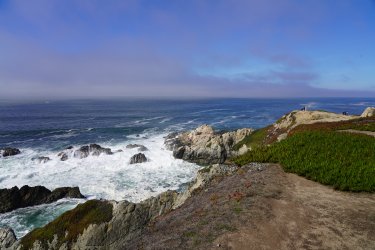
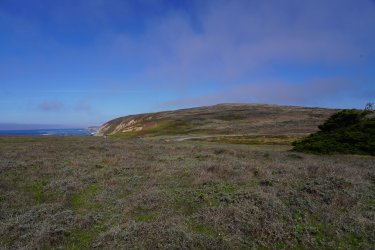
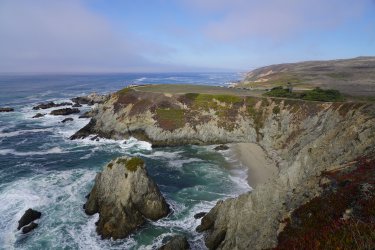
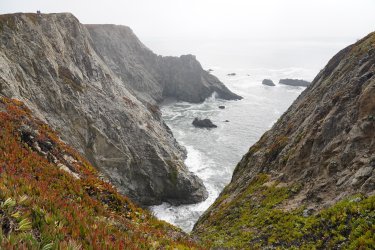
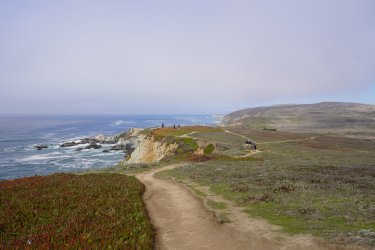
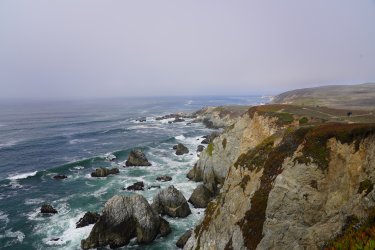
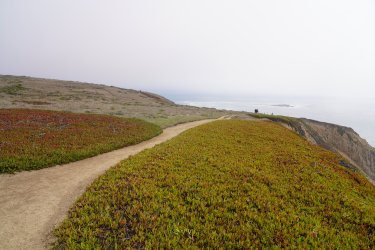
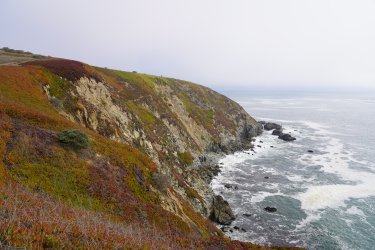
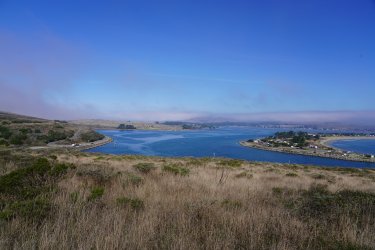
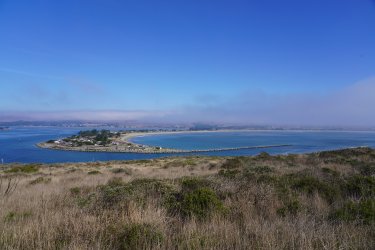
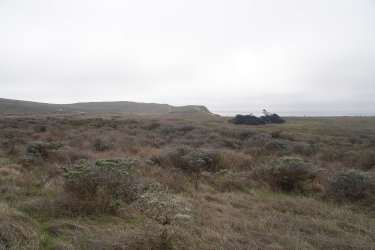
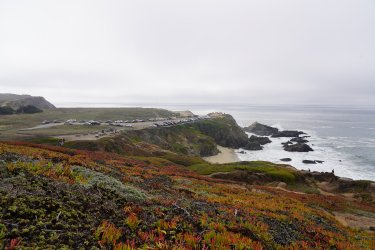
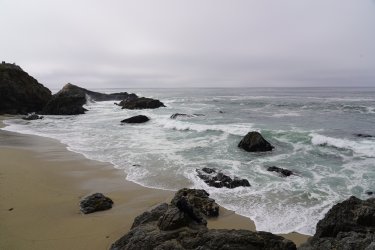
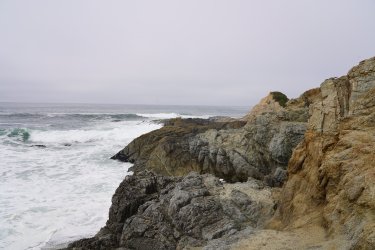
The next day we headed west and north toward the Sonoma Coast, trading vineyards for rugged coastline. We did a short 3km hike through Bodega Bay Head, starting from one of the coastal trailheads overlooking the Pacific. The scenery was classic Northern California coast - rolling hills, windswept grass, dramatic cliffs, and the sound of waves below. The low, but lifting clouds, provided a moody and rugged experience.

DSC02774.JPG
DSC02777.JPG
DSC02778.JPG
DSC02779.JPG
DSC02782.JPG
DSC02790.JPG
DSC02793.JPG
DSC02794.JPG
DSC02798.JPG
DSC02802.JPG
DSC02806.JPG
DSC02807.JPG
DSC02808.JPG
DSC02812.JPG
DSC02817.JPG
DSC02822.JPG
 
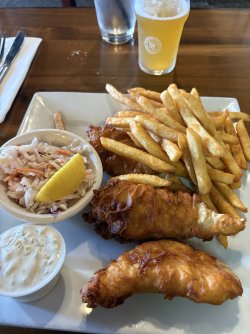
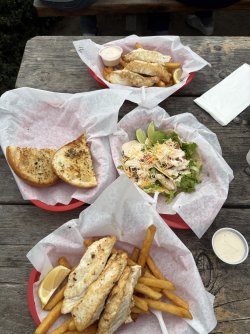
Bodega Bay itself is a small, working fishing town, perhaps best known as the filming location for Hitchcock’s The Birds. Lunch was at Fisherman’s Cove — the fish tacos were excellent, fresh and well-seasoned, though the fish and chips were fairly average by comparison.

IMG_3617.jpeg

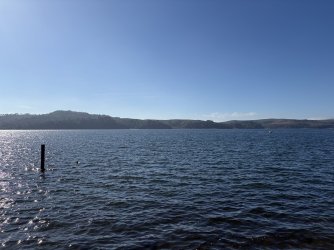
On the drive back, we made one last stop at Tomales Bay, famous for its oyster farms. While oysters aren’t really my thing, my friend was very impressed — and it seemed like a fittingly local way to end the weekend.

IMG_3621.jpeg
IMG_3618.jpeg
IMG_3622.jpeg
IMG_3619.jpeg

All in all, a great couple of days - both areas I will definitely need to spend some more time in.
 
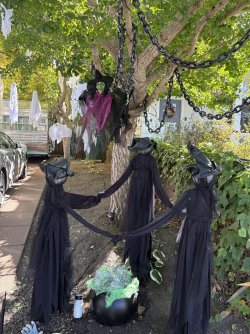
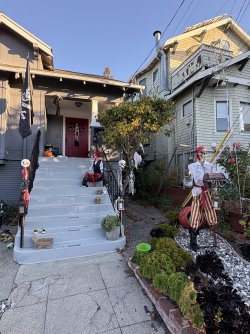
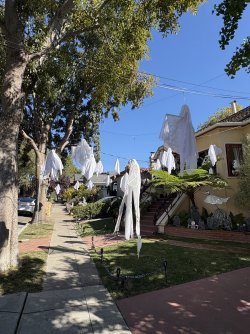
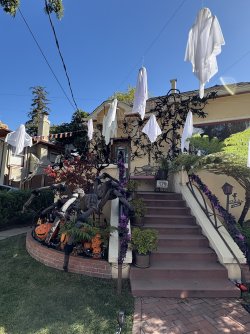
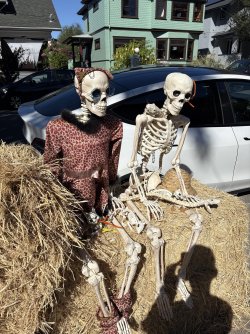
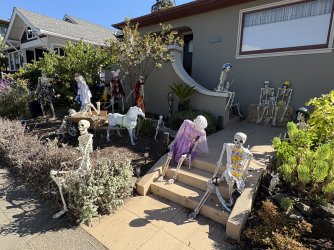
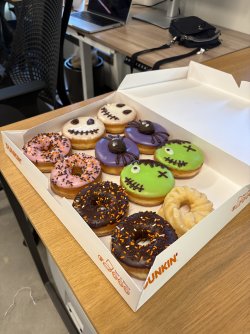
I knew Halloween was a big deal in the US, but I genuinely didn’t realise how big it was. Entire neighbourhoods decorated weeks in advance, front yards filled with inflatable pumpkins and skeletons, and houses fully committed to elaborate themes rather than the odd token decoration.

It wasn’t just for kids either - offices were stocked with treats and adults were heading out to restaurants dressed head-to-toe. It felt less like a single night and more like a full-blown season.

IMG_3553.jpegIMG_3550.jpeg
IMG_3554.jpegIMG_3555.jpegIMG_3556.jpegIMG_3557.jpegIMG_3623.jpeg
 
A few weekends later, I headed into the city for a proper day out. Somewhat ashamed to admit this, but it was my first visit to Golden Gate Park, despite having visited SF countless times and having lived here for a few months by now.

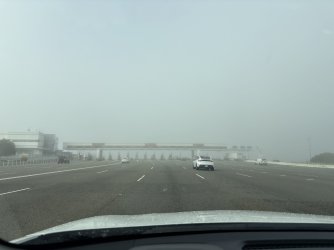
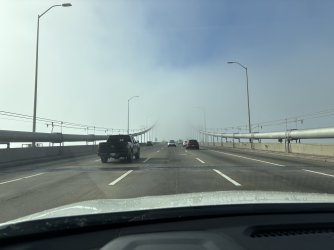
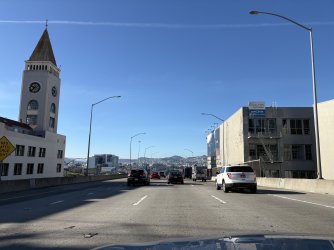
Crossing into the city via the Bay Bridge, San Francisco did what it does best and put on a bit of a show. The bridge was completely shrouded in fog, with visibility dropping to just a few car lengths at times. This was my first encounter driving among Karl the Fog - the affectionate local nickname for the marine layer that rolls in from the Pacific, especially during the cooler months. Karl is more than just fog; it’s a defining part of the city’s climate and character.

IMG_3652.jpeg
IMG_3656.jpeg
IMG_3657.jpeg

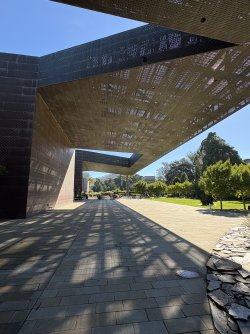
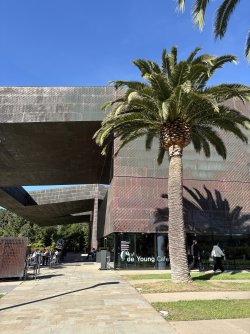
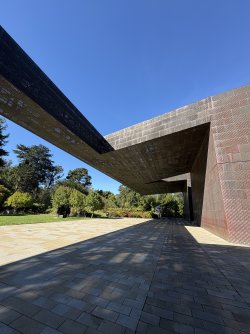
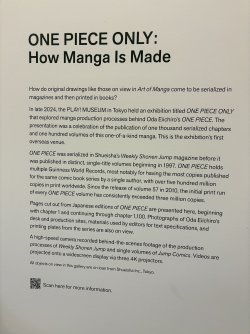
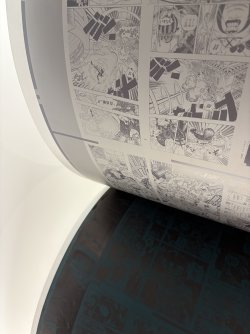
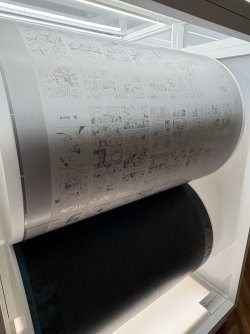
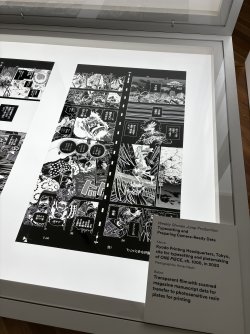
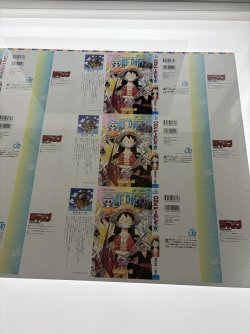
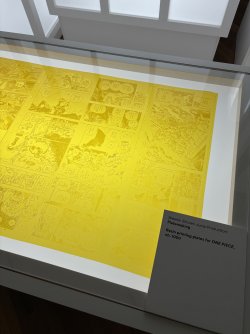
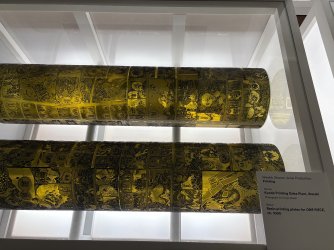
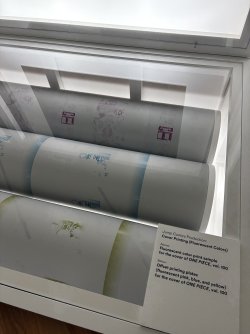
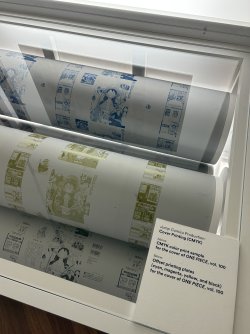
My main stop was the de Young Museum, one of San Francisco’s major fine art museums and part of the Fine Arts Museums of San Francisco network (alongside the Legion of Honor). The museum focuses on American art from the 17th through 21st centuries, as well as international contemporary art, and the building itself is striking - a copper-clad structure designed to blend into the surrounding parkland. I visited for a special exhibition on the making of Japanese manga, which was genuinely excellent: a thoughtful look at the history, craft, and cultural impact of manga, from early sketches through to finished panels.
IMG_3788.jpegIMG_3789.jpegIMG_3786.jpeg
 
Elevate your business spending to first-class rewards! Sign up today with code AFF10 and process over $10,000 in business expenses within your first 30 days to unlock 10,000 Bonus PayRewards Points.
Join 30,000+ savvy business owners who:

✅ Pay suppliers who don’t accept Amex
✅ Max out credit card rewards—even on government payments
✅ Earn & transfer PayRewards Points to 10+ airline & hotel partners

Start earning today!
- Pay suppliers who don’t take Amex
- Max out credit card rewards—even on government payments
- Earn & Transfer PayRewards Points to 8+ top airline & hotel partners

AFF Supporters can remove this and all advertisements

Become an AFF member!

Join Australian Frequent Flyer (AFF) for free and unlock insider tips, exclusive deals, and global meetups with 65,000+ frequent flyers.
AFF members can also access our Frequent Flyer Training courses, and upgrade to Fast-track your way to expert traveller status and unlock even more exclusive discounts!

AFF forum abbreviations

Wondering about Y, J or any of the other abbreviations used on our forum?

Check out our guide to common AFF acronyms & abbreviations.
Back
Top