






- Joined
- Nov 12, 2012
- Posts
- 33,581
- Qantas
- Platinum
- Virgin
- Gold
- Star Alliance
- Gold
Over night, we tootled across the Ionian Sea to Gallipoli, in Apulia, on the inside of the heel of Italy. The name comes from Greek Kallipolis (kallos = beauty, polis = city), so there are a few Gallipolis around.
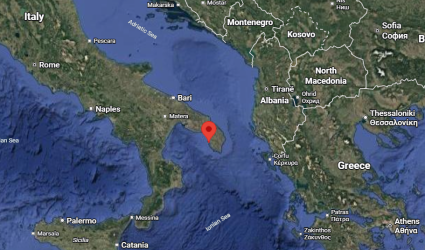
The site was settled by the Greeks = probably Spartans though this is tradition rather than documented fact. Under Rome the town became an important port. After the fall of the western empire Gallipoli passed into the Byzantine sphere. Byzantine control lasted until the Normans conquered the area in the eleventh century. Under Norman and then Hohenstaufen and Angevin (English/French house of Plantagenet) rule, Gallipoli remained a fortified coastal town. Its position made it vulnerable, and its walls and castle were repeatedly strengthened. The Angevin castle, later expanded by the Aragonese in the fifteenth and sixteenth centuries, still guards the entrance to the old town.
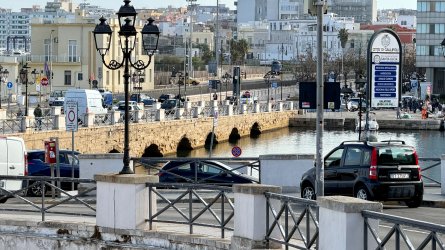
In 1484, during the wars between Venice and the Kingdom of Naples, Venetian forces seized and sacked Gallipoli. The occupation was brief, but it prompted heavy investment in modern defences. The town then passed under Spanish Habsburg rule, which lasted until the early eighteenth century. In this period the island was linked to the mainland by a stone bridge, which remains the main access to the old quarter.
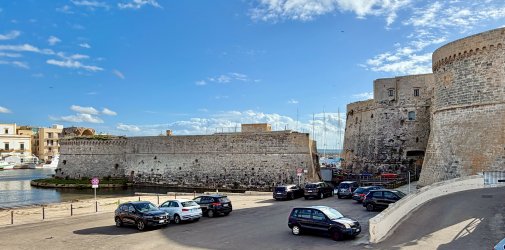
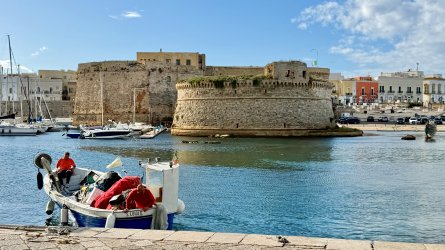
The island and the bridge
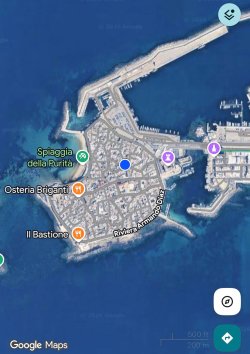
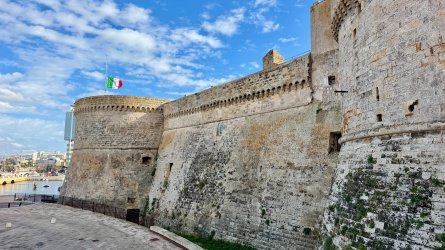
The castle's present form began under the Angevins in the 13th century, when the kingdom's rulers strengthened coastal strongholds across southern Italy. Probably not much of this survives.
The Venetian sack of 1484 exposed the weakness of the old defences, and the Aragonese rulers of Naples responded by modernizing the fortress for the age of artillery. In the early sixteenth century, under Spanish rule, a large circular bastion called the rivellino was added on the seaward side. Its thick, rounded form was designed to deflect cannonballs, and it is now one of the most photographed features of the town. The castle was also protected by sea on several sides and by a moat, which made it very hard to attack.
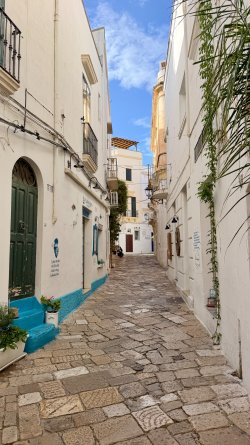
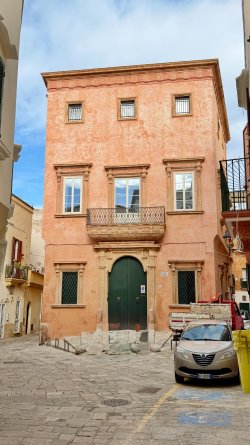
We had a walking tour around the medieval town; all narrow pedestrian streets now,
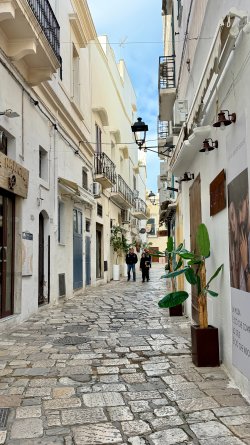
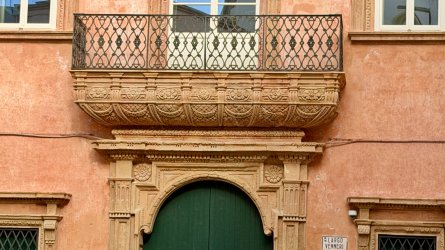
One prosperous merchant's house
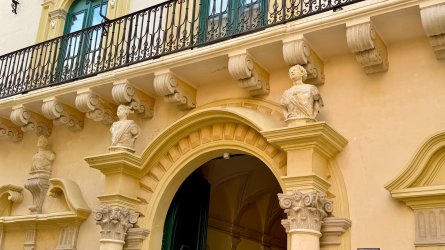
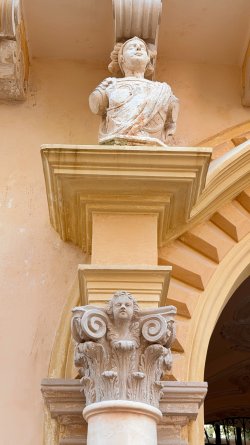
And another
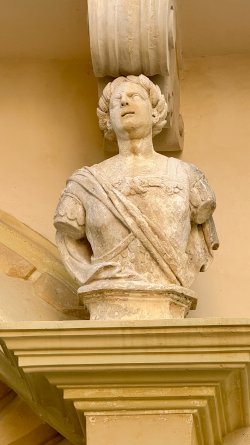
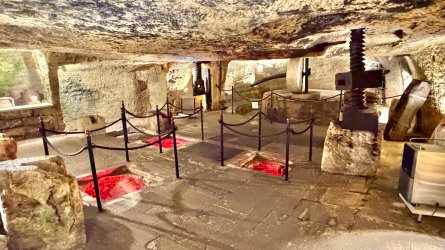
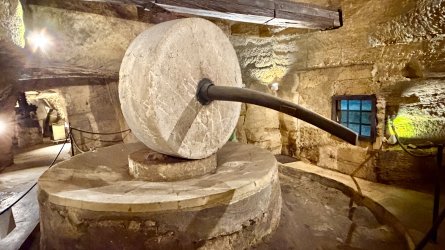
Gallipoli's greatest prosperity came from olive oil. From the 17th to the 19th century, its port exported enormous quantities of lamp oil to the cities of northern Europe, where it fuelled street lighting and lamps. Merchants built underground oil mills carved into the rock beneath the old town, and several survive today. We visited one
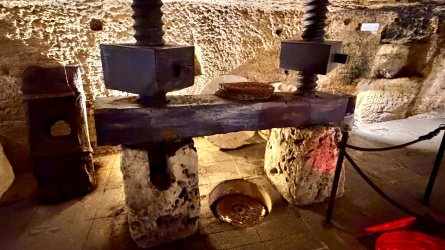
Several final presses shown.
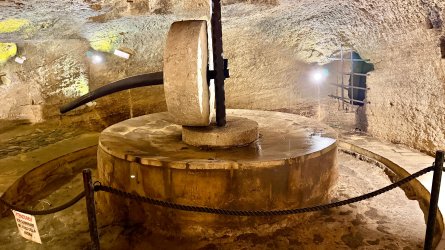
Initial grinding wheel to produce a pulp
Afterwards had an olive oil tasting. Choose your olive oil!!
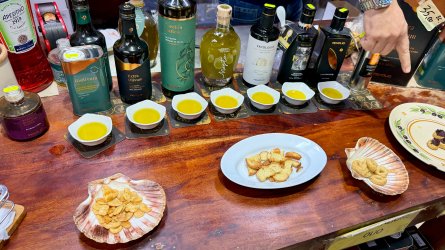
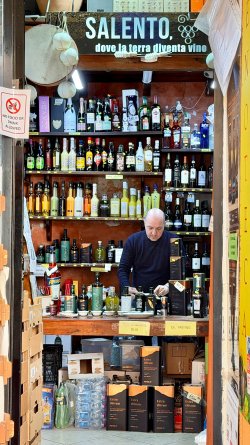
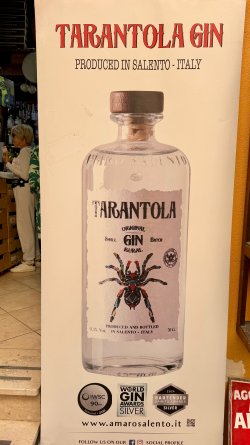
Or your gin!
The site was settled by the Greeks = probably Spartans though this is tradition rather than documented fact. Under Rome the town became an important port. After the fall of the western empire Gallipoli passed into the Byzantine sphere. Byzantine control lasted until the Normans conquered the area in the eleventh century. Under Norman and then Hohenstaufen and Angevin (English/French house of Plantagenet) rule, Gallipoli remained a fortified coastal town. Its position made it vulnerable, and its walls and castle were repeatedly strengthened. The Angevin castle, later expanded by the Aragonese in the fifteenth and sixteenth centuries, still guards the entrance to the old town.
In 1484, during the wars between Venice and the Kingdom of Naples, Venetian forces seized and sacked Gallipoli. The occupation was brief, but it prompted heavy investment in modern defences. The town then passed under Spanish Habsburg rule, which lasted until the early eighteenth century. In this period the island was linked to the mainland by a stone bridge, which remains the main access to the old quarter.
The island and the bridge
The castle's present form began under the Angevins in the 13th century, when the kingdom's rulers strengthened coastal strongholds across southern Italy. Probably not much of this survives.
The Venetian sack of 1484 exposed the weakness of the old defences, and the Aragonese rulers of Naples responded by modernizing the fortress for the age of artillery. In the early sixteenth century, under Spanish rule, a large circular bastion called the rivellino was added on the seaward side. Its thick, rounded form was designed to deflect cannonballs, and it is now one of the most photographed features of the town. The castle was also protected by sea on several sides and by a moat, which made it very hard to attack.
We had a walking tour around the medieval town; all narrow pedestrian streets now,
One prosperous merchant's house
And another
Gallipoli's greatest prosperity came from olive oil. From the 17th to the 19th century, its port exported enormous quantities of lamp oil to the cities of northern Europe, where it fuelled street lighting and lamps. Merchants built underground oil mills carved into the rock beneath the old town, and several survive today. We visited one
Several final presses shown.
Initial grinding wheel to produce a pulp
Afterwards had an olive oil tasting. Choose your olive oil!!
Or your gin!