




- Joined
- Nov 12, 2012
- Posts
- 33,533
- Qantas
- Platinum
- Virgin
- Gold
- Star Alliance
- Gold
So, to boarding. No upgrade  So kept my 'upper deck balcony stateroom' which means I get a door or a sliding door onto my balcony (I got a door) and I've chosen midships of deck 4. Deck 3 only has a door on a smaller balcony. Deck 5 has the same room, but is more expensive due to being higher and deck 6 has most of the suites.
Le Champlain.

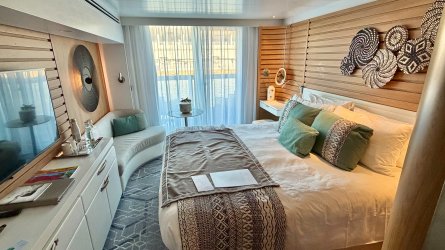
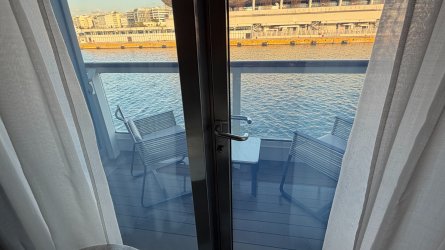
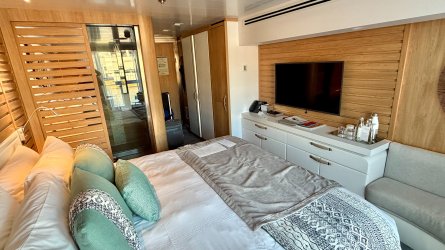
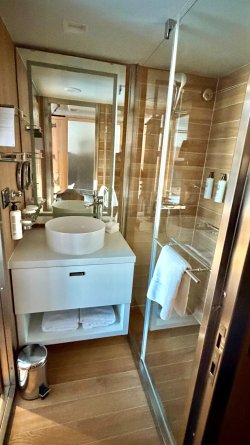
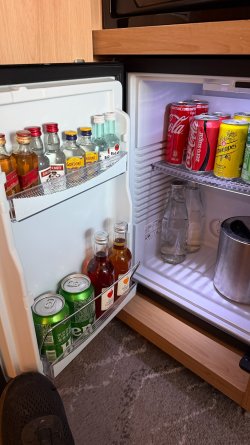
Fully stocked and included minibar, refreshed daily. You can ask for your particular sprits, mixers etc
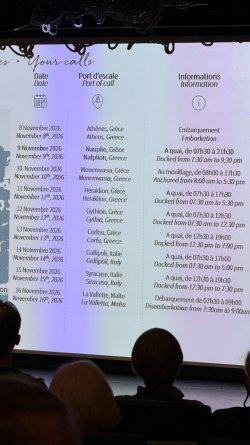
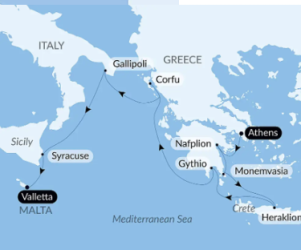
Summary of the cruise
There was a 'solo passengers get together, with canapes and Champagne', and I found a great group of about a dozen - USA, Canada, Switzerland, France, Australia. We socialised, trivia-ed and ate together throughout the voyage.
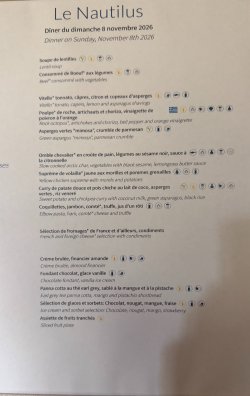
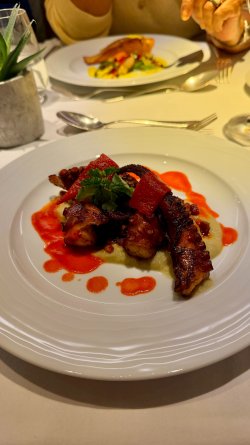
You can eat in the a la carte restaurant, Le Nautilis on deck 4 or buffet ot a la carte on the outside pool deck, deck 3.
Occy
So kept my 'upper deck balcony stateroom' which means I get a door or a sliding door onto my balcony (I got a door) and I've chosen midships of deck 4. Deck 3 only has a door on a smaller balcony. Deck 5 has the same room, but is more expensive due to being higher and deck 6 has most of the suites.Le Champlain.
Fully stocked and included minibar, refreshed daily. You can ask for your particular sprits, mixers etc
Summary of the cruise
There was a 'solo passengers get together, with canapes and Champagne', and I found a great group of about a dozen - USA, Canada, Switzerland, France, Australia. We socialised, trivia-ed and ate together throughout the voyage.
You can eat in the a la carte restaurant, Le Nautilis on deck 4 or buffet ot a la carte on the outside pool deck, deck 3.
Occy
Last edited: