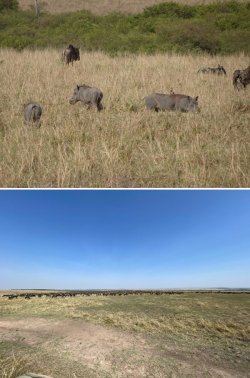
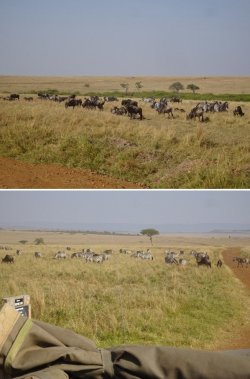
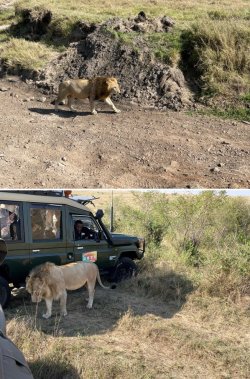
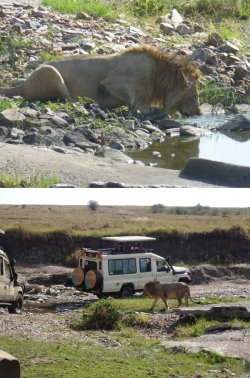
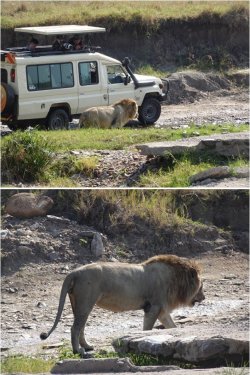
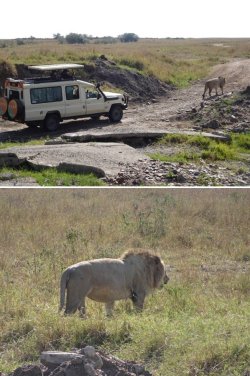
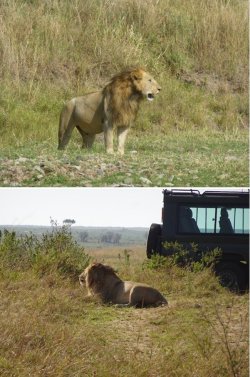
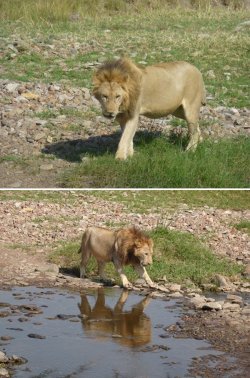
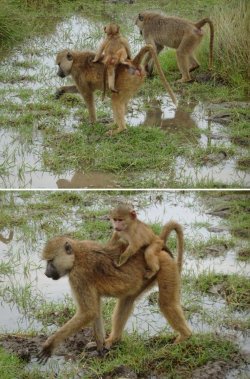
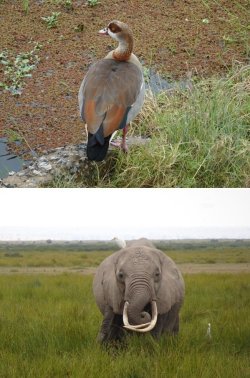
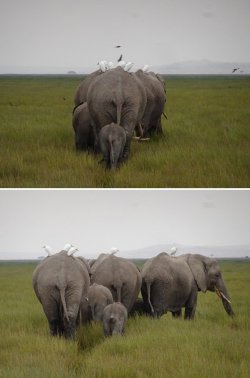
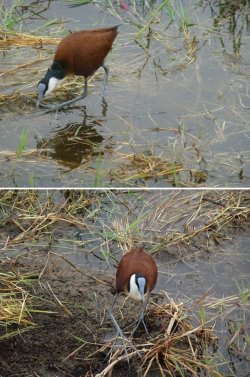
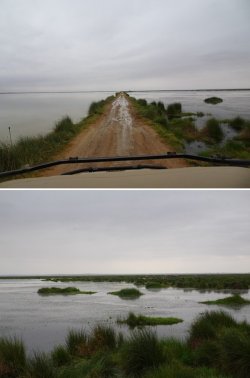
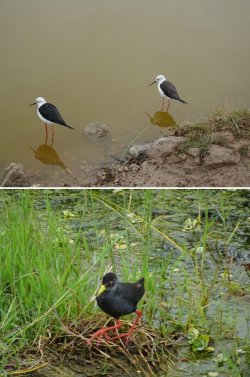
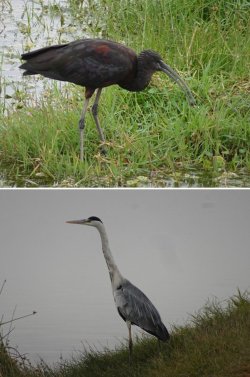
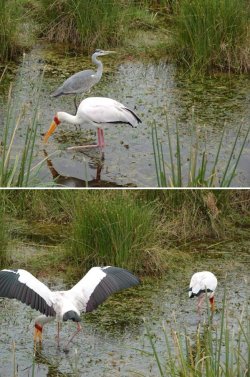
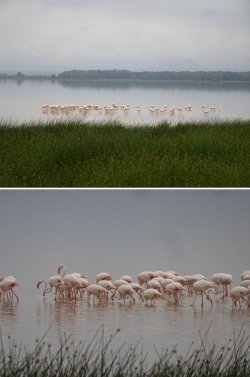
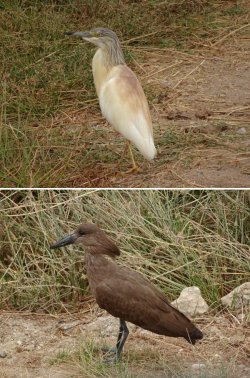
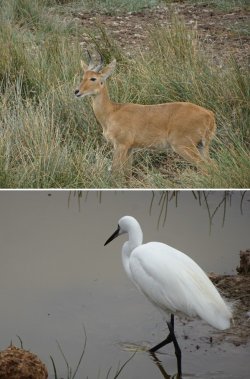
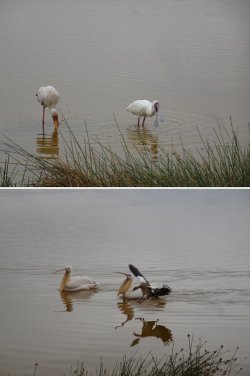
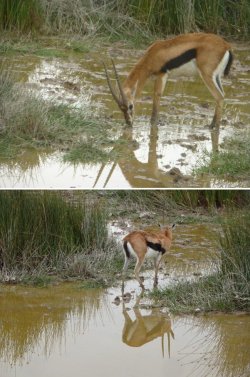
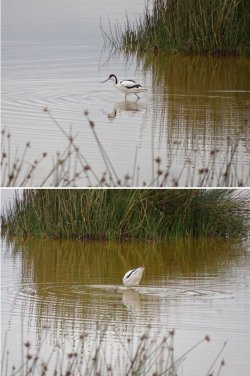
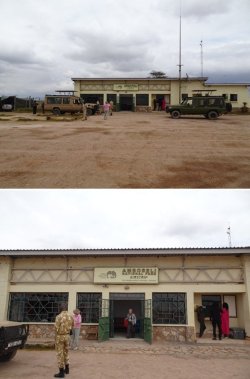
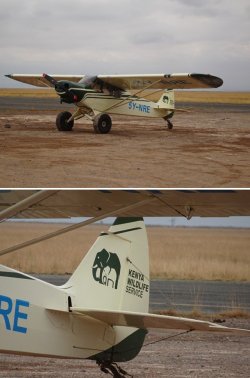
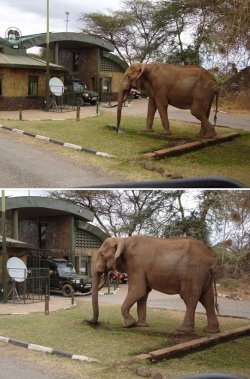
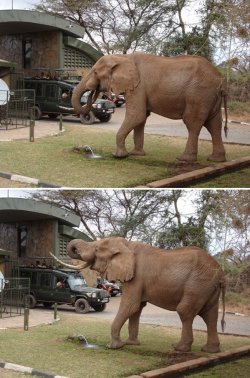
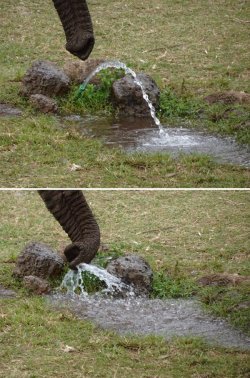
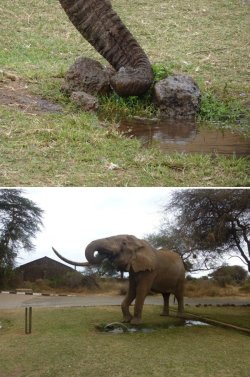
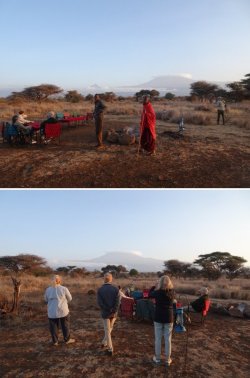
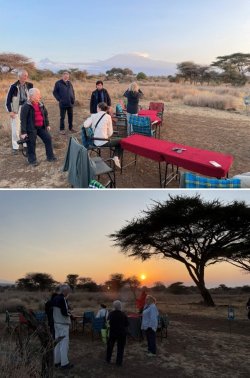
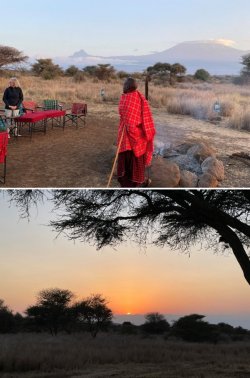
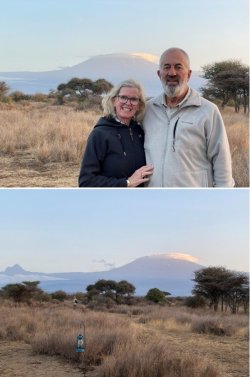
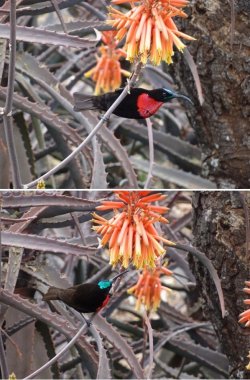
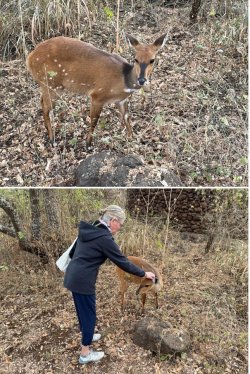
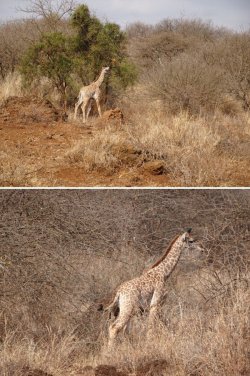
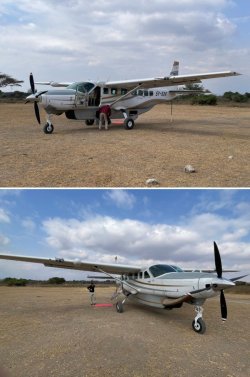
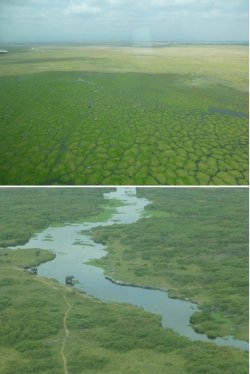
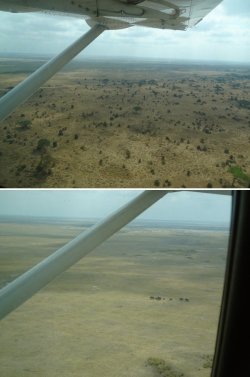
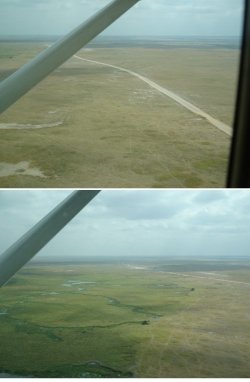
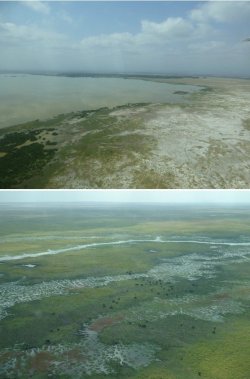
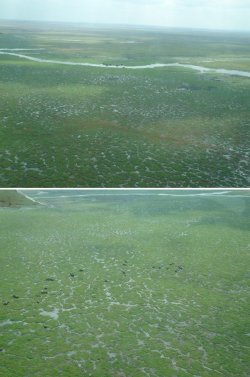
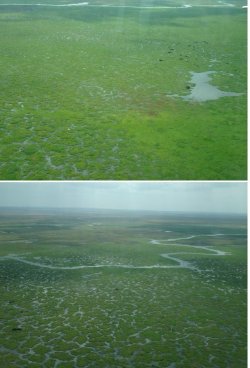
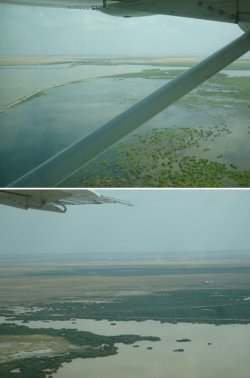
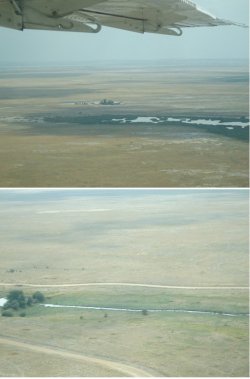
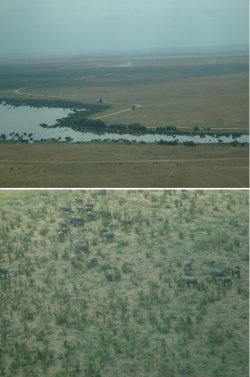
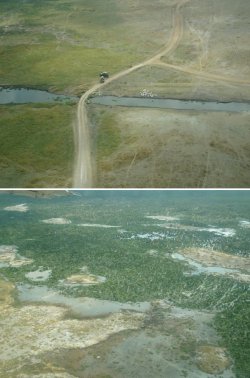
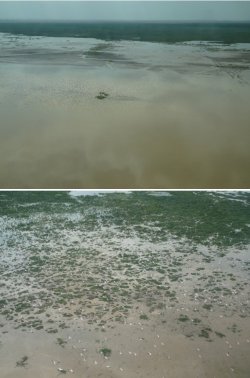
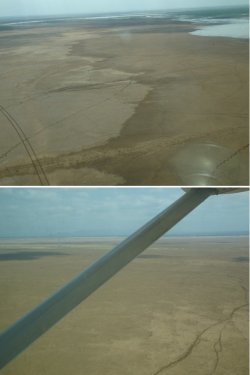
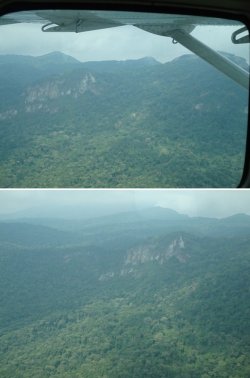
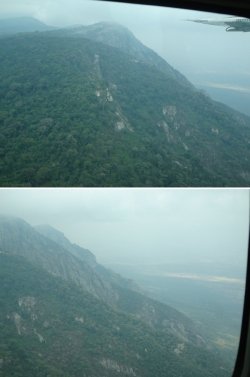
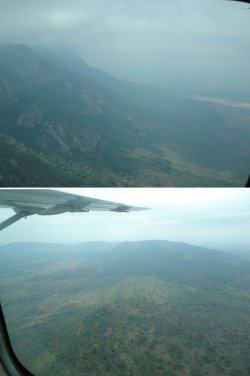
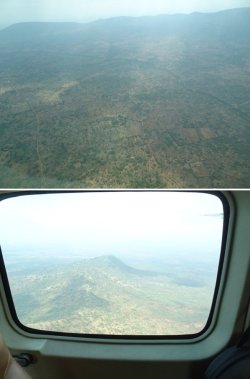
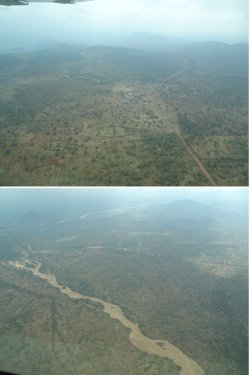
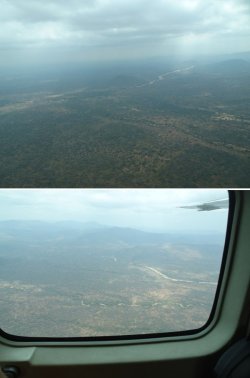
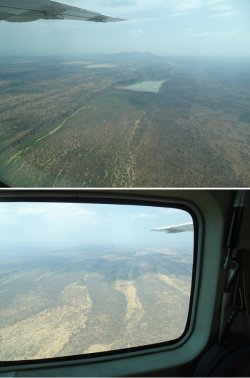
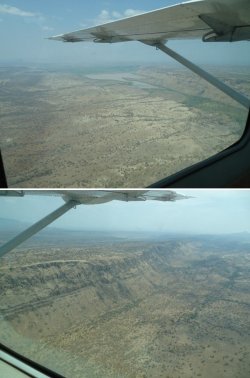
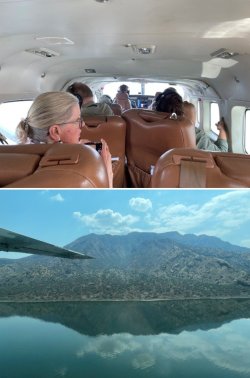
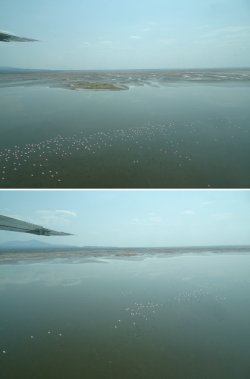
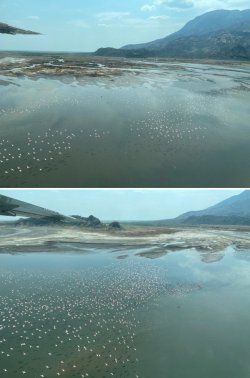
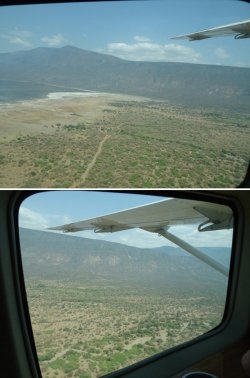
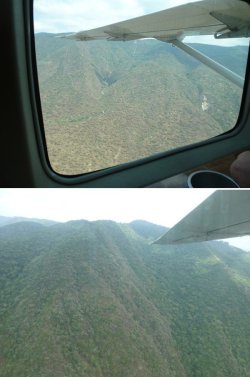
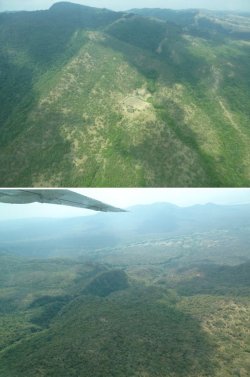
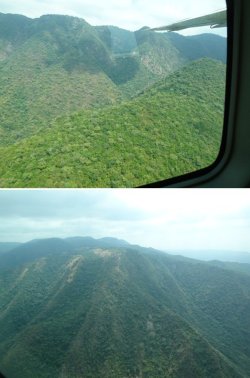
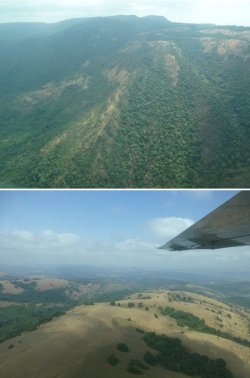
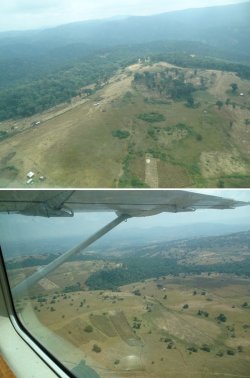
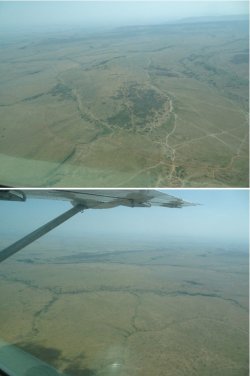
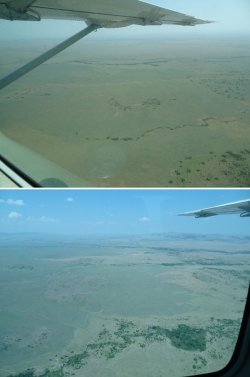
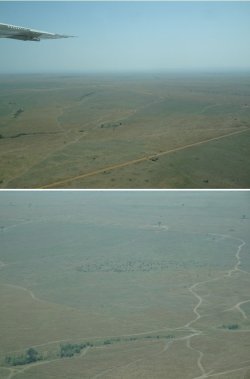
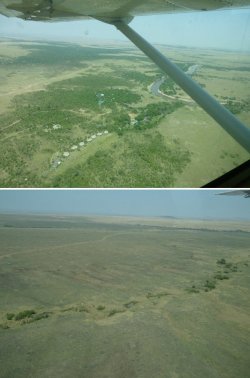
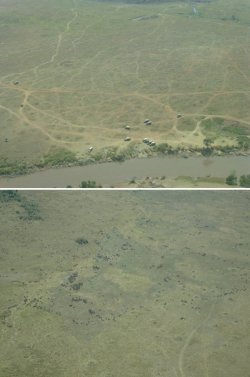
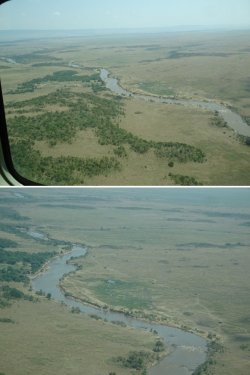
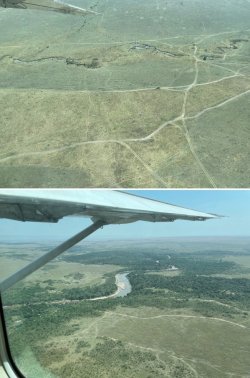
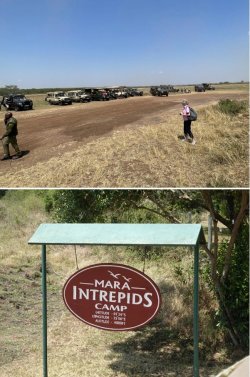
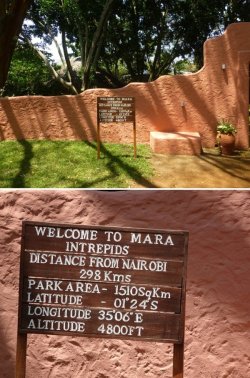
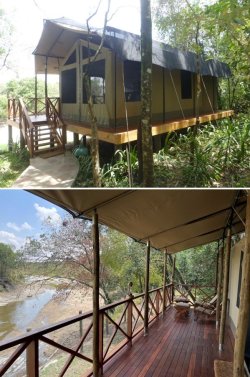
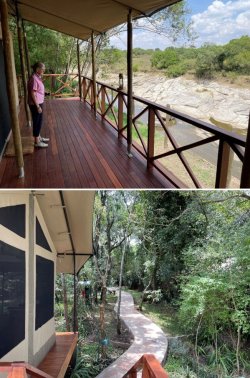
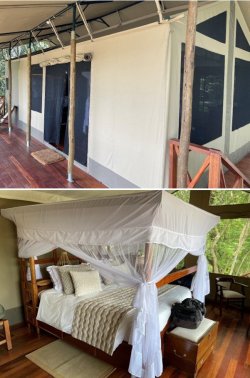
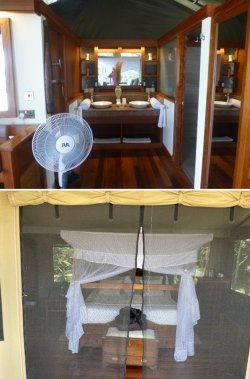
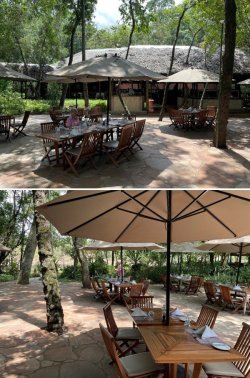
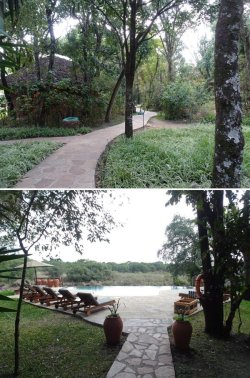
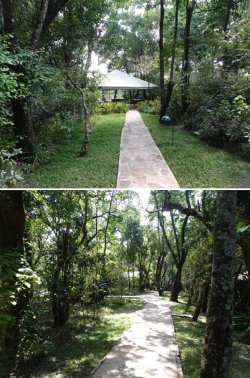
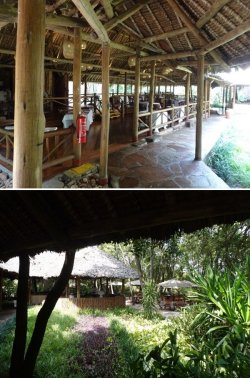
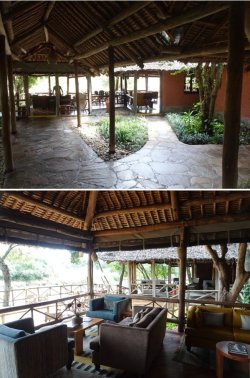
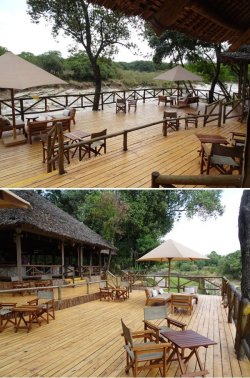
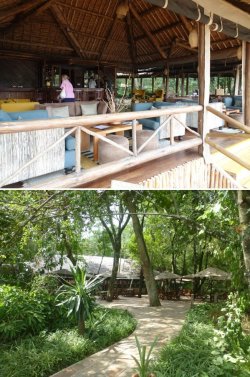
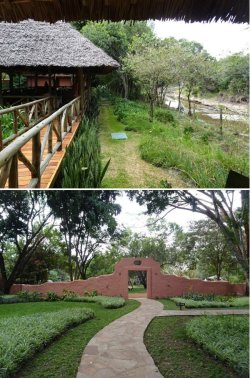
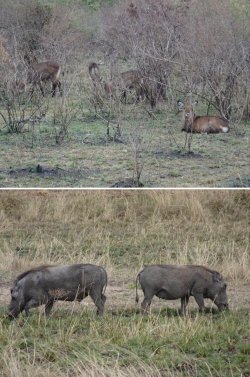
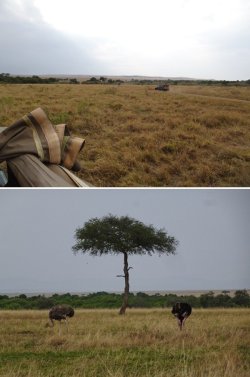
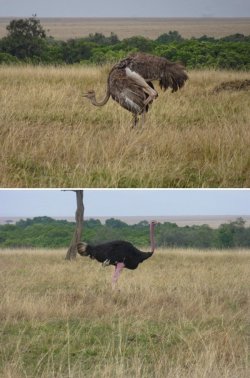
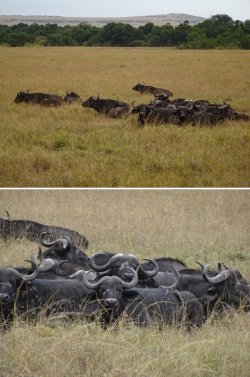
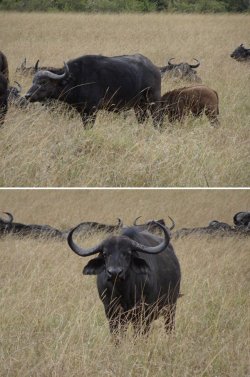
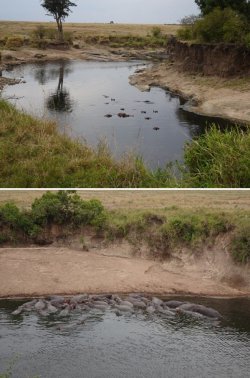
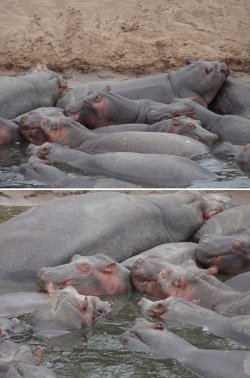
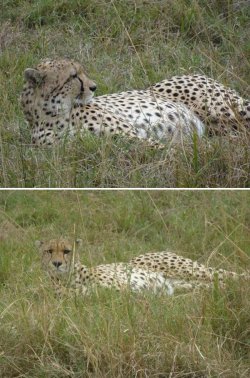
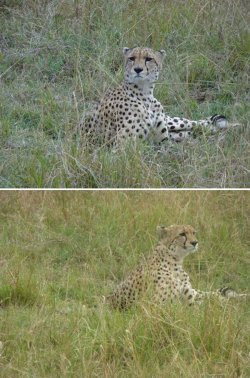
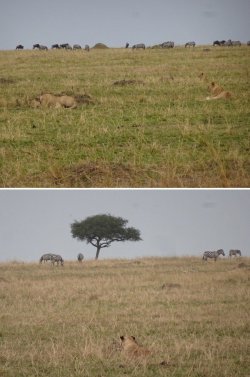
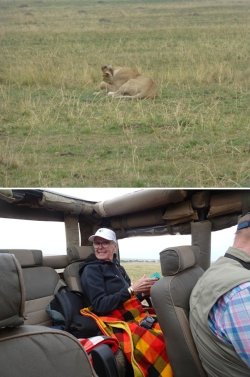
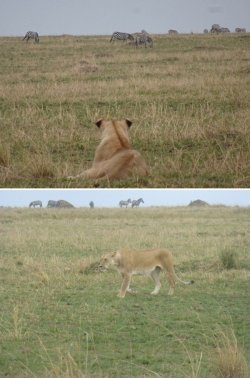
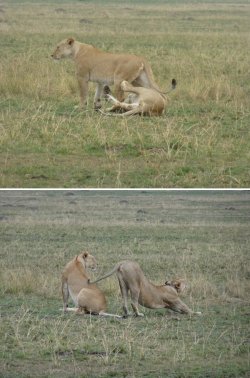
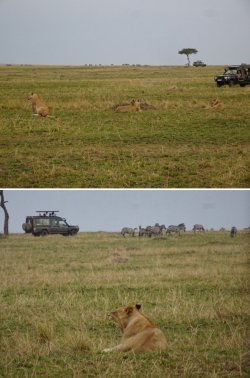
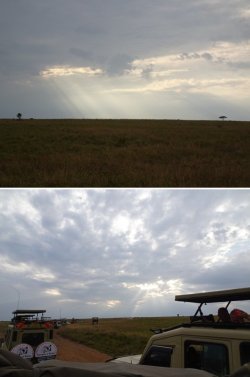
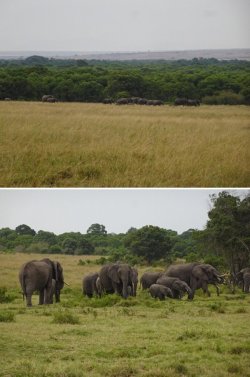
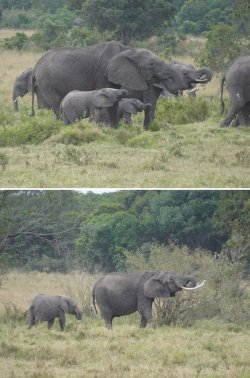
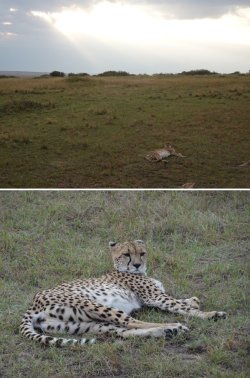
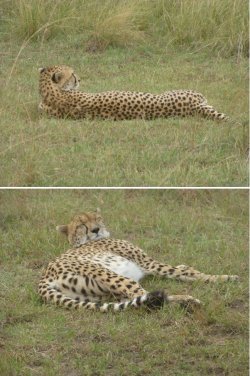
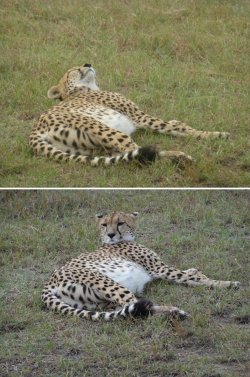
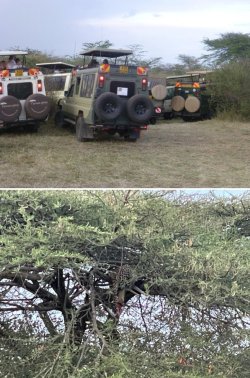
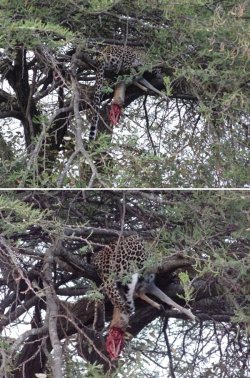
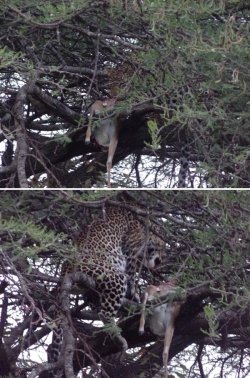
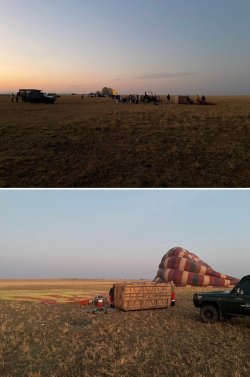
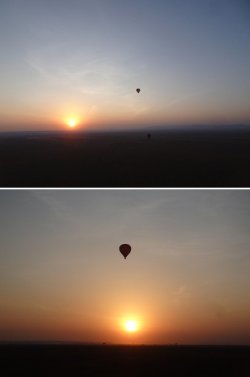
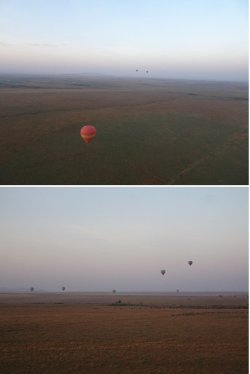
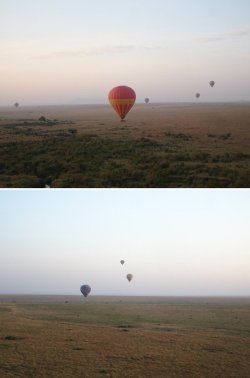
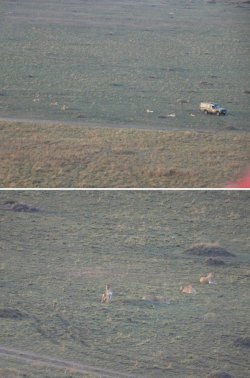
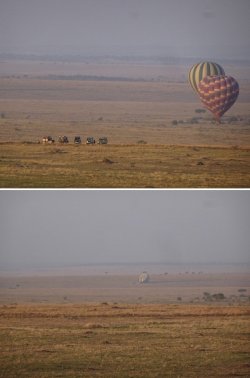
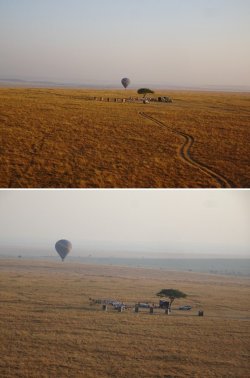
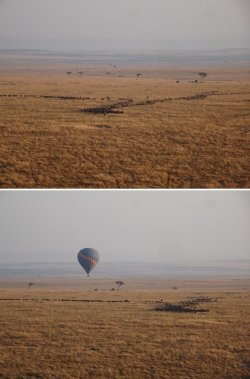
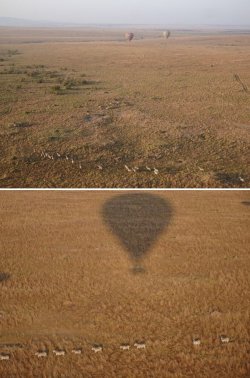
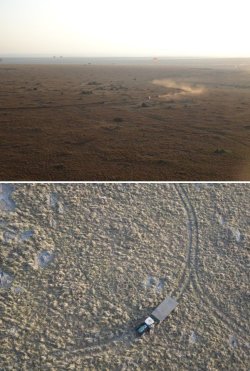
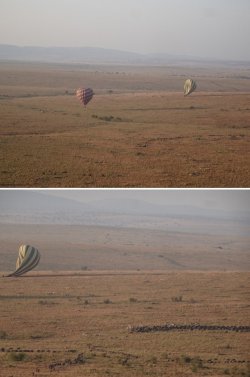
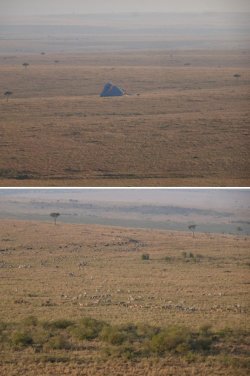
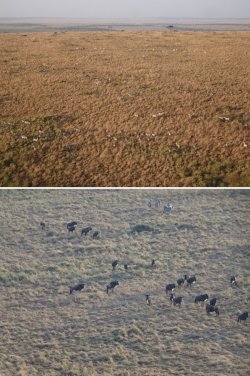
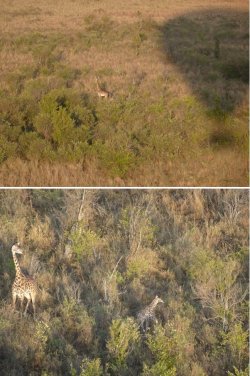
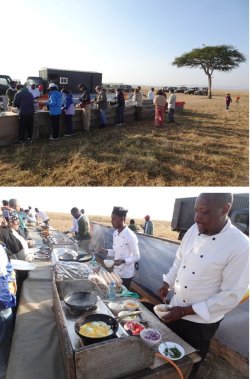
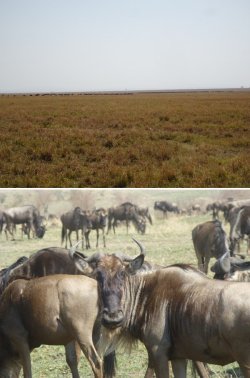
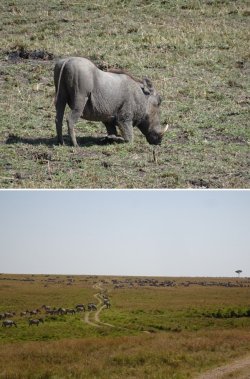
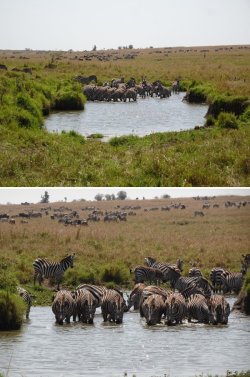
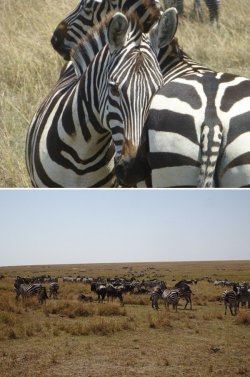
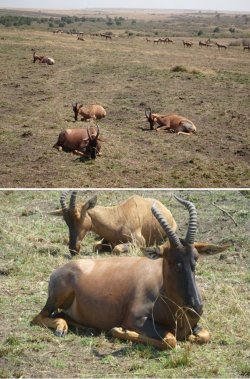
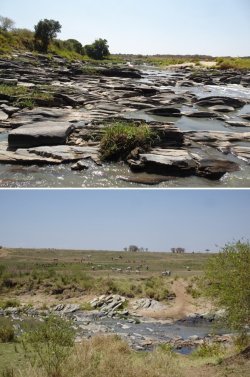
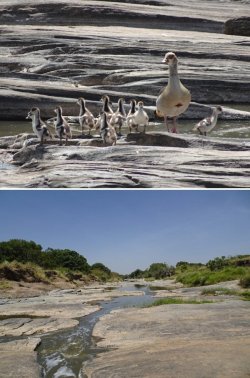
A game drive after breakfast as we worked our way back to the lodge.
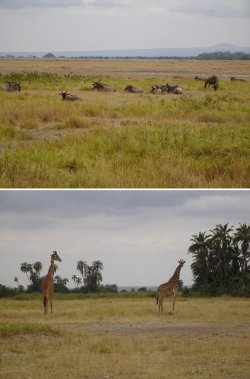
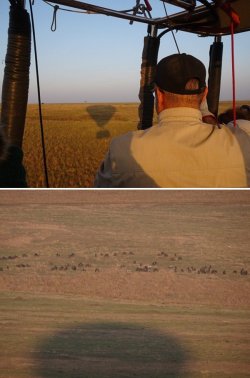
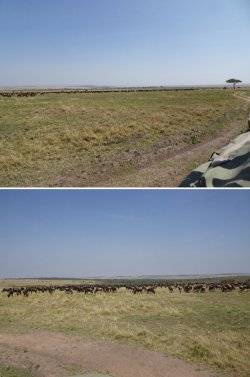
Large wildebeest herds are the major characteristic of the migration.
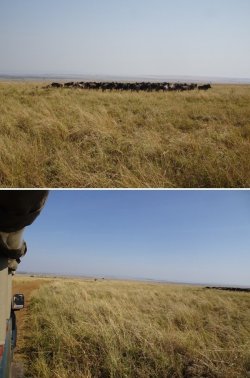
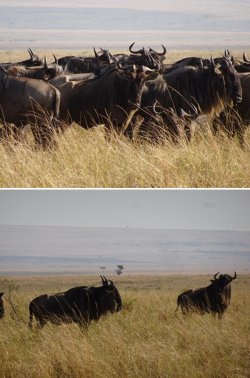
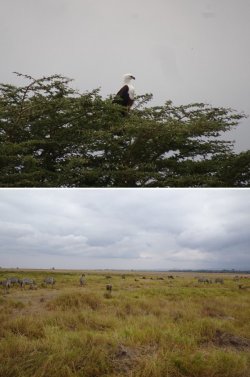
And of course, the ever-present warthogs, and zebras mixed with the wildebeest. They form a strong mutualism through their different grazing habits, sensory strengths, and survival strategies.
Zebras are ‘fore-grazers’. They have strong teeth that allow them to bite off the tall, tough, fibrous upper layers of grass.
Wildebeest are ‘followers’. After zebras clear the tall top layer, wildebeest access the short, tender, nutrient-rich green shoots underneath.
This sequence prevents direct food competition and reduces overgrazing.
Zebras provide sharp eyesight and memory. They spot predators from far away and use their spatial memory to recall migration routes and water sources.
Wildebeest provide a keen sense of smell and hearing. They can detect distant rainstorms, fresh grass, and approaching danger using their strong olfactory and auditory senses.
Combined, the mixed herd forms a massive early-warning network against lions, hyenas, and leopards.
Strength in numbers. Large, combined herds of many animals travelling together dilutes the risk for any single individual.
Visual confusion. The contrasting black-and-white stripes of zebras mixed with the dark bodies of wildebeest make it hard for predators to lock onto and isolate a single target in a stampeding crowd.
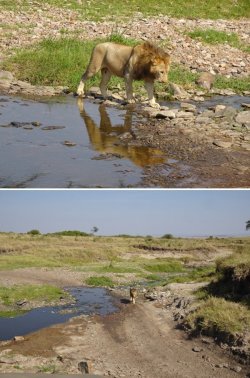
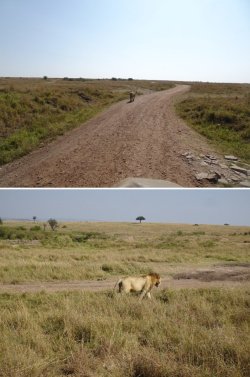
And then a close lion encounter.