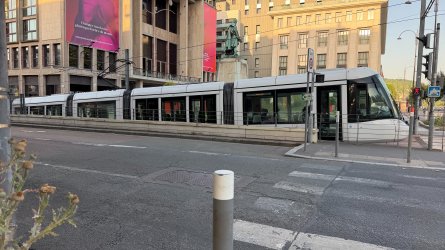





A drive through north-west France

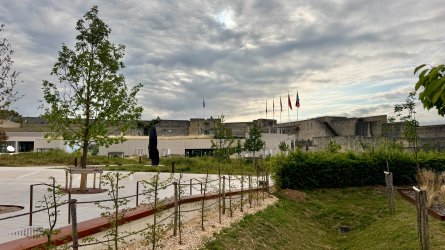
Then onto Caen chateau/castle. This wikipedia article gives a good summary.

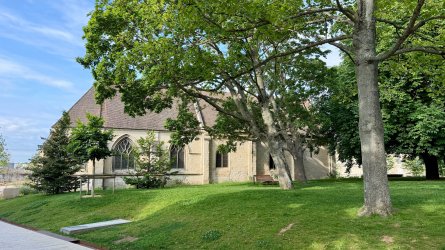
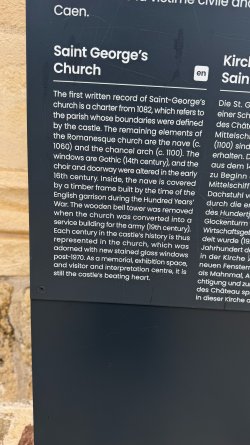
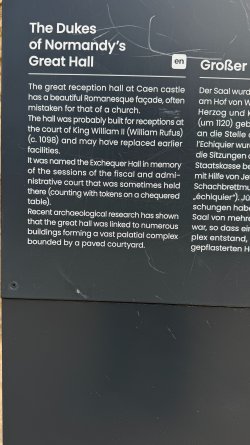
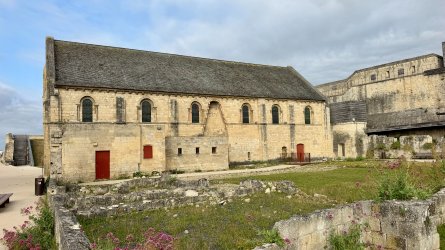
The castle was built c. 1060 by William the Conqueror (William of Normandy), who successfully conquered England in 1066. His son Henry I then built the Saint George's church, a keep (1123) and a large hall for the ducal Court.

On Christmas 1182, a royal court celebration for Christmas in the Aula of Caen Castle brought together Henry II and his sons, the future kings of England Richard the Lionheart and John Lackland, receiving more than a thousand knights.

Caen Castle, along with all of Normandy, was recaptured by the French Crown in 1204. Philip II reinforced the fortifications.

The castle saw several engagements during the Hundred Years' War (1346, 1417, 1450). The keep was pulled down in 1793 during the French Revolution, by order of the National Convention.

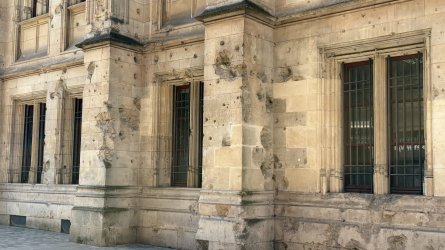
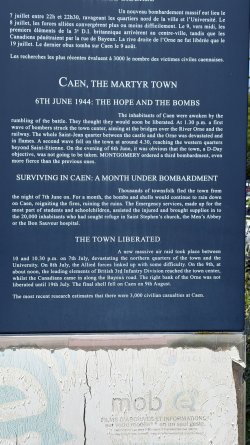
The castle, which was used as a barracks during World War II, was bombed in 1944 and seriously damaged.

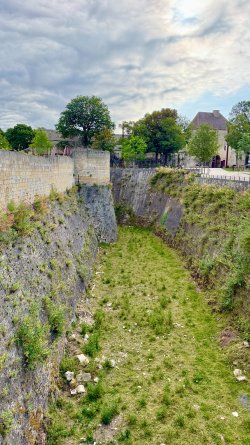
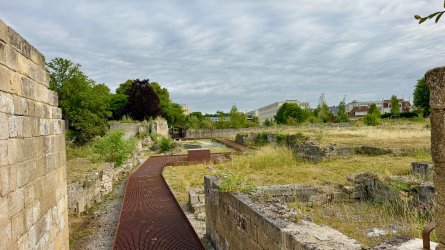
Is now mostly parklands surrounded by the outer wall and moat, with a few surviving buildings within. Free access 24/7 ut ticket office and particular monuments open at 10:00 IITC

View of the cathedral for the chateau. You can see who's boss.
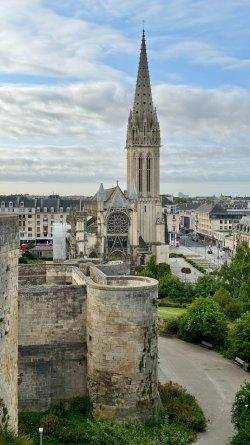
IMG_0076.JPEG

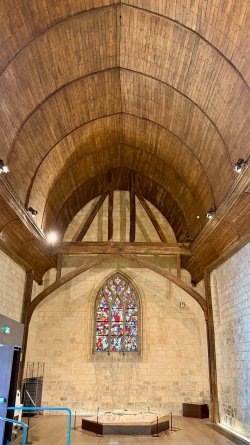
A view from inside

IMG_0077.JPEG

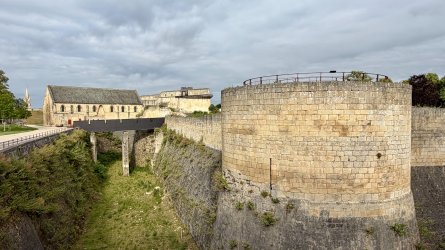
Another view, to ST George's chapel
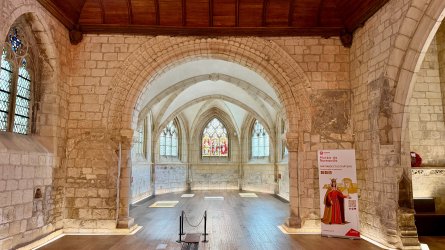
IMG_0110.JPEGIMG_0078.JPEG

IMG_0080.JPEG

IMG_0083.JPEG

IMG_0084.JPEG IMG_0085.JPEG

IMG_0093.JPEG

IMG_0091.JPEG

Plus it was bombed to a shell in WW2
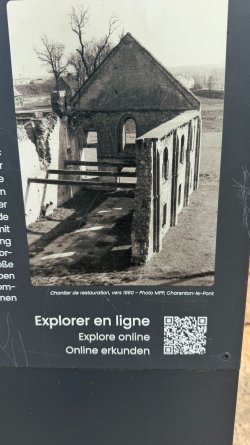
IMG_0094.JPEG

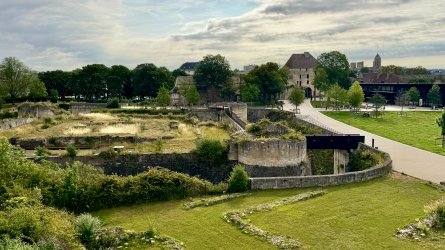
From the ramparts you can see the area of the keep (tower), surrounded by its own moat destroyed by the revolutionaries.
IMG_0098.JPEG

IMG_0103.JPEG

IMG_0090.JPEG

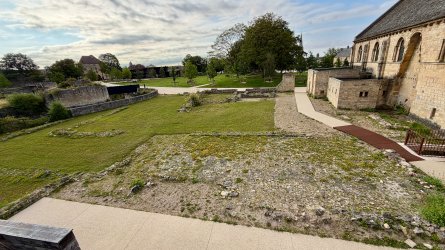
Also from the ramparts, foundations for what are thought to be William the Conqueror's apartments.
IMG_0093.JPEG

IMG_0095.JPEG

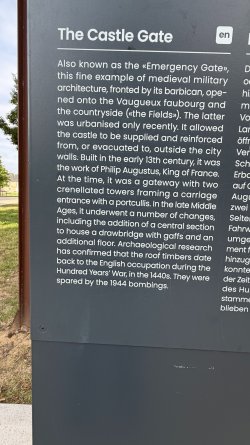
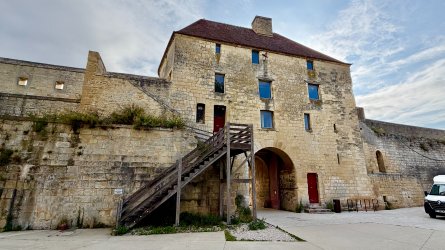
Castle gate from the inside

IMG_0108.JPEG

IMG_0109.JPEG

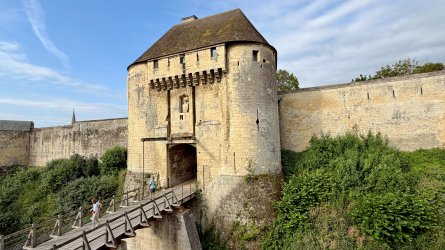
and outside
IMG_0105.JPEG


IMG_0089.JPEG
 
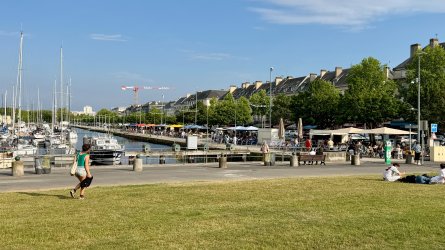
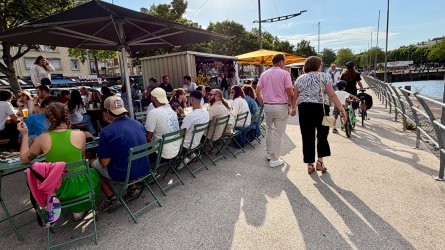
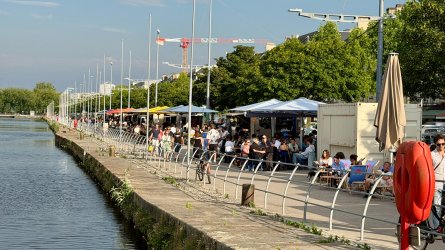
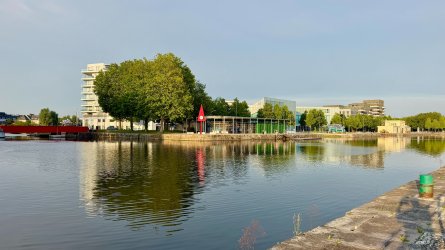
That evening it was nice and warm so I went for a beer on the waterside. Really difficult without being surrounded by smokers and vapers (some were doing both!)

There was a row of small shipping containers, which open up for temorary bars.

IMG_0052.JPEG

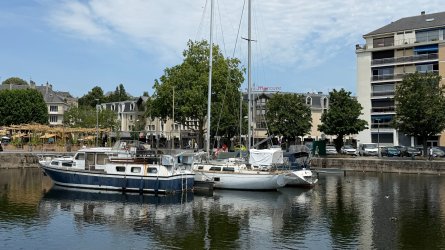
Mercure and Ibis behind.

IMG_9973.JPEG

IMG_0053.JPEG

IMG_0059.JPEG

Some offered light snacks - saucisse was popular.

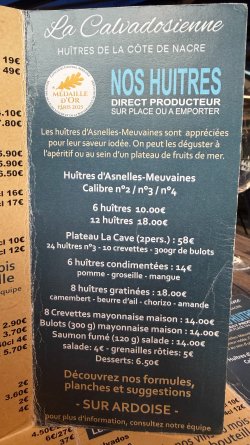
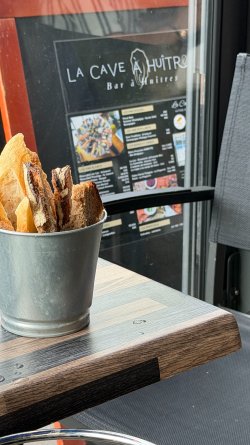
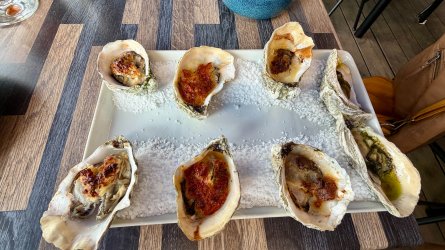
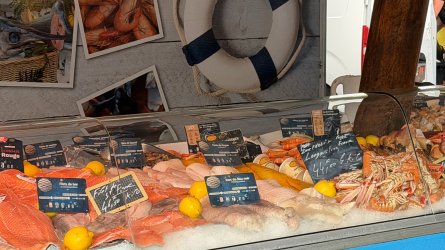
I went for a walk along the row of restaurants nearby and saw huitres (oysters) again. Deal. Really good waiter, always helps the experience.

IMG_0061.JPEG

IMG_0064.JPEG

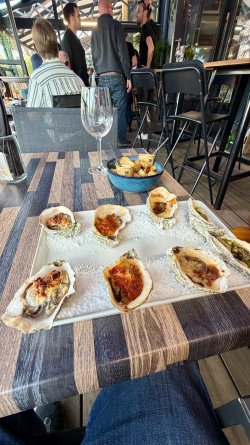
I'm not usually into 'kilpatrick' style, but I'm in France - give it a go (huitres gratinee).

IMG_0062.JPEG

IMG_0063.JPEG

OK to nice, but I'm still not much into 'cooked' oysters.

IMG_0065.JPEG
 
That evening it was nice and warm so I went for a beer on the waterside. Really difficult without being surrounded by smokers and vapers (some were doing both!)

There was a row of small shipping containers, which open up for temorary bars.

View attachment 512389

Mercure and Ibis behind.

View attachment 512398

View attachment 512390

View attachment 512392

Some offered light snacks - saucisse was popular.

I went for a walk along the row of restaurants nearby and saw huitres (oysters) again. Deal. Really good waiter, always helps the experience.

View attachment 512399

View attachment 512396

I'm not usually into 'kilpatrick' style, but I'm in France - give it a go (huitres gratinee).

View attachment 512394

View attachment 512395

OK to nice, but I'm still not much into 'cooked' oysters.

View attachment 512397
This has me simultaneously envious and grabbing for my epi-pen
 
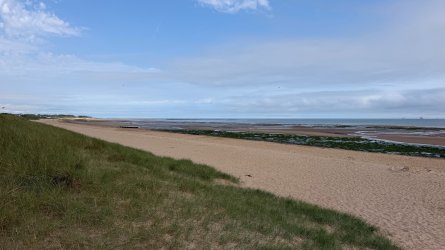
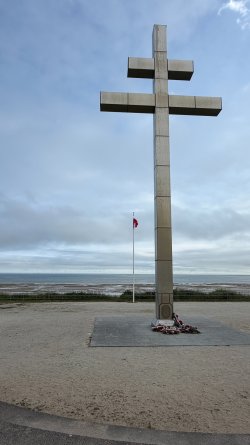
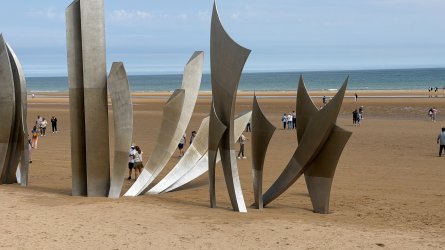
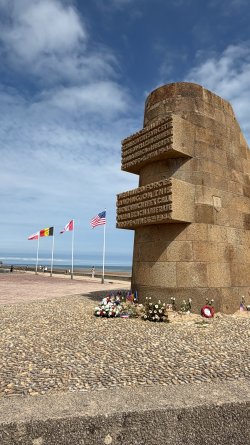
The next day I explored some of the beaches involved in the D-Day landings, To be honest, I'm not very invested in WW2 history, or WW2 in Europe anyway. None of my family or close-ish relations served there - my dad served in PNG towards the end of WW2 in the Pacific. But you can't be here without paying some respect to those who fought and especially those who died.

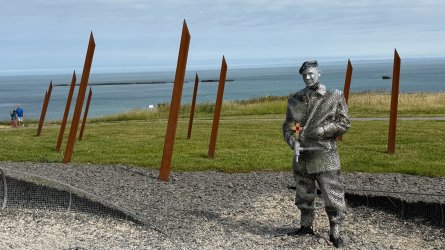
Juno beach - the Canadians were the largest force here.

IMG_0111.JPEG

IMG_0113.JPEG

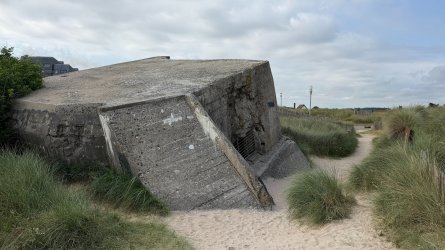
A German bunker

IMG_0117.JPEG

IMG_0121.JPEG

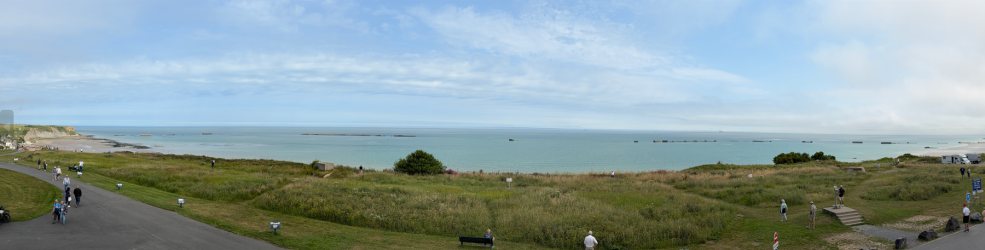
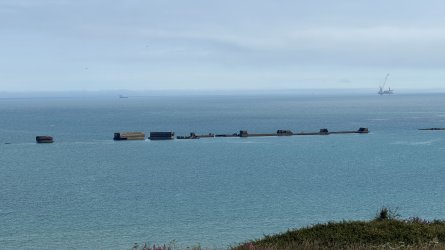
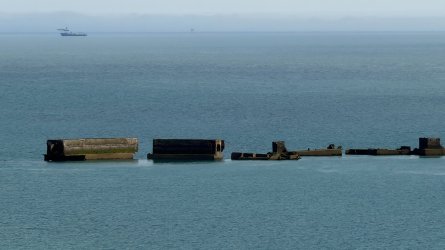
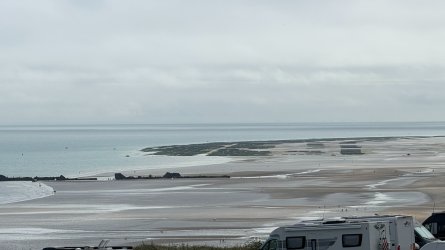
Then west a bit and Arromanches-les-Bains and Gold beach, where the allies installed the Mulberry artificial harbour to allow the landing of heavy equipment before deep water ports could be captured. Remnants of the port still present and a tangible reminder of the war.

1782699185028.png

IMG_0129.JPEG

IMG_0132.JPEG

IMG_0133.JPEG

IMG_0138.JPEG

The D-Day museum is also here, but involved a walk down a hill (and back again) and my ankle wasn't up to that today.

Then to Juno, famous major landing site of the Americans.

IMG_0140.JPEG

IMG_0143.JPEG

IMG_0149.JPEG
 
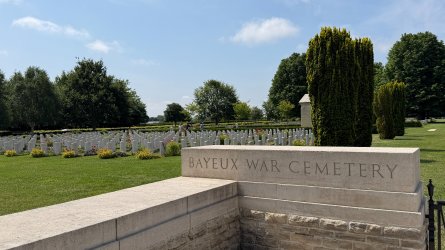
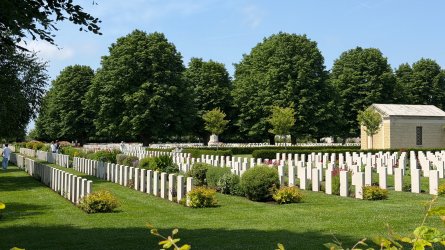
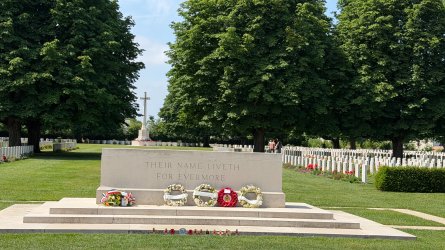
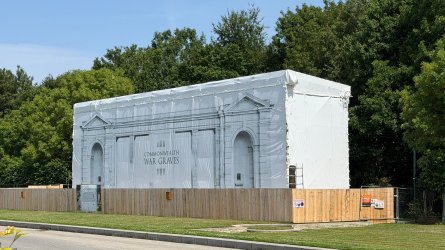
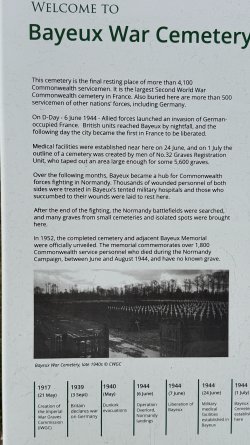
Then to the Commonwealth war cemetery at Bayeux.

IMG_0156.JPEG

IMG_0153.JPEG

IMG_0157.JPEG

IMG_0154.JPEG

IMG_0155.JPEG

If anyone is wondering why I'm not seeing the Bayeux tapestries - they aren't there. The buildings are being renovated and the tapestry will be on display at the British Museum for over a year, but its not there yet.

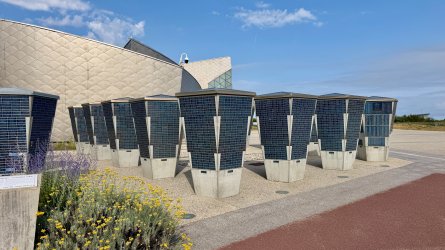
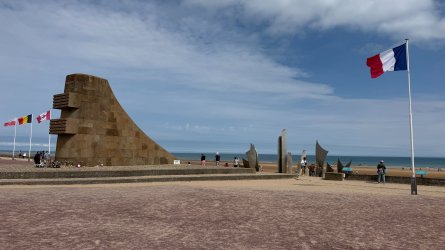
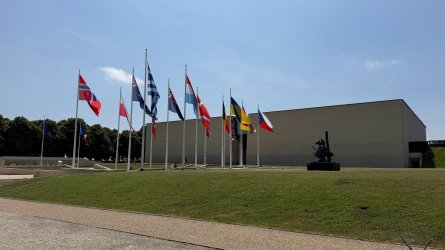
Lastly, the impressive war memorial complex at Caen.

IMG_0160.JPEG

IMG_0161.JPEG

IMG_0162.JPEG
 
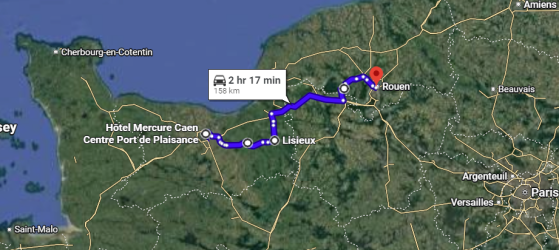
Next day, Caen to Rouen, a fairly short hop. Temperatures were rising - mid-high 30s predicted for the rest of my time in France.

1783217938557.png

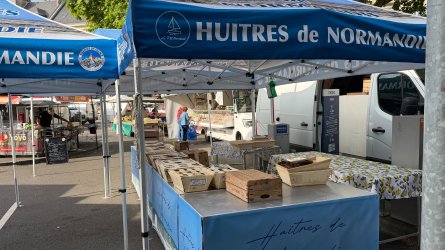
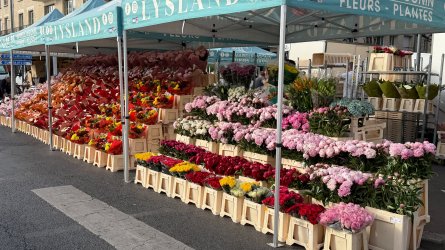
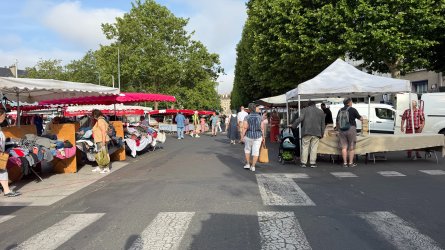
But first, Sunday morning, the Caen market, held in the large car-park and park area right outside the hotel. A bit scrappy - I was disappointed.
IMG_0179.JPEG

IMG_0175.JPEG

IMG_0180.JPEG

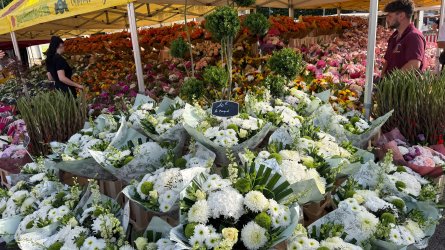
The flowers were spectacular

IMG_0181.JPEG

IMG_0183.JPEG

Breakfast. I was surprised at only one very poor looking coffee cart and one poor looking pastry place. I guess they are not what the 'market' is for. No booze either - markets in Tas are held up by gin and whiskey sellers!

IMG_0178.JPEG

I guess we can take from this that its a genuine farmers market.

IMG_0184.JPEG
 
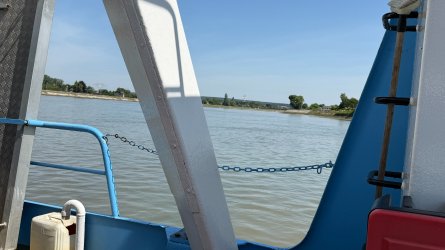
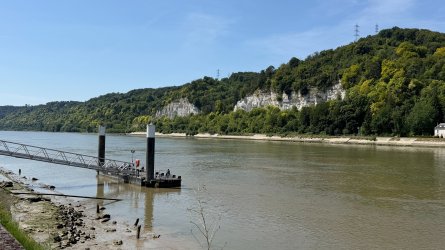
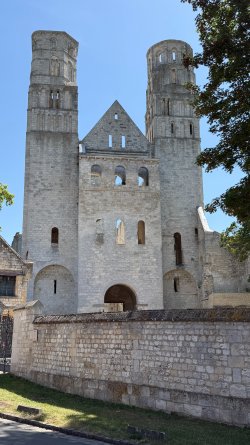
Jumièges was interesting as it involved a free crossing of the River Seine by ferry, which I wasn't expecting. Strong current expertly navigated.

IMG_0203.JPEG

IMG_0205.JPEG

Jumièges would qualify as a 'pretty little town', but it was hot and I hadn't planned to stick around, plus it was 12 euros to enter the abbey ruins, so it was just a quick stop.

IMG_0206.JPEG

IMG_0212.JPEG

IMG_0213.JPEG

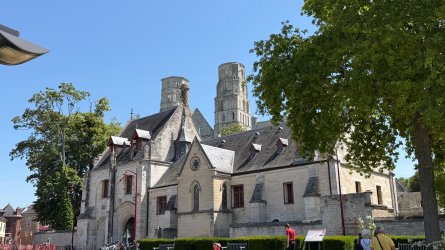
The abbey was rebuilt in the 9th and 10th century after the earlier version was burned by the Vikings. It was an important and impressive abbey until the French Revolution when it was mostly destroyed, leaving the ruins seen today.

IMG_0210.JPEG

IMG_0218.JPEG
 
After being an important town pre 8th century, the Normans over ran Rouen in the mid 9th century and the Duchy of Normandy grew out of the 911 Treaty between King Charles III of West Francia and the Viking leader Rollo. The duchy was named for its inhabitants, the Normans. The Dukes of Normandy were usually also King Of England after the Norman invasion of 1066. Rouen became an important economic centre in medieval times. Jeanne d'Arc was tried and burned at the stake in 1431.

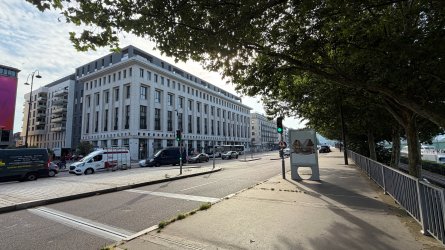
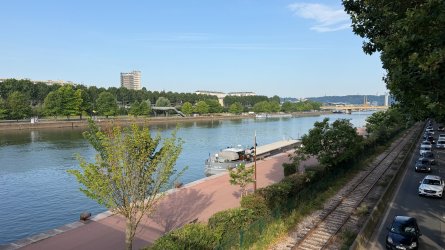
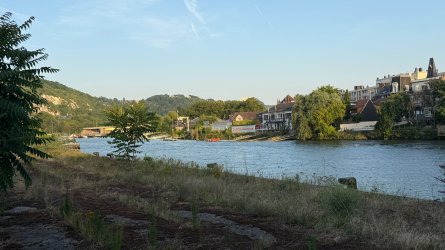
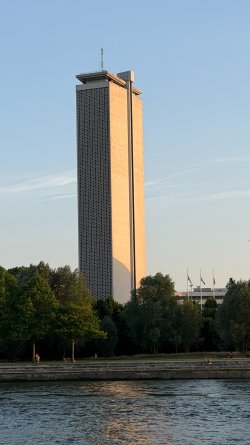
I stayed 3 nights at the Novotel Rouen Centre Cathedral, which was only a few years old, on the bank of the River Seine and edge of the old town, although a main road and a railway line lies between it and the river. The right hand of this building

IMG_0341.JPEG

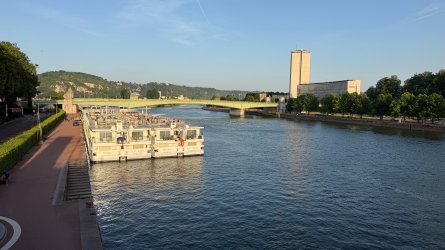
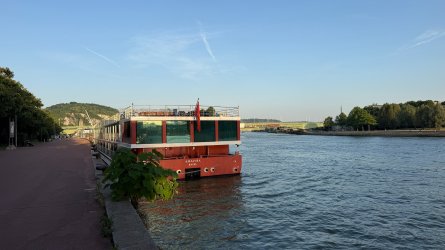
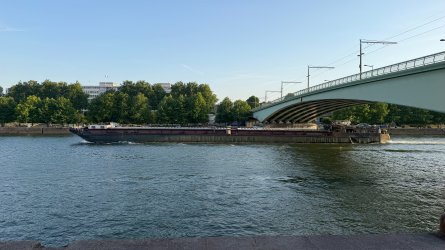
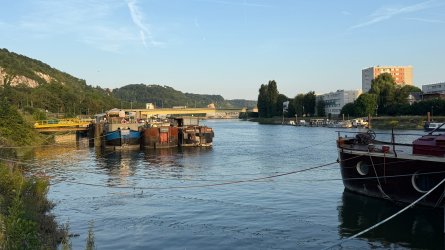
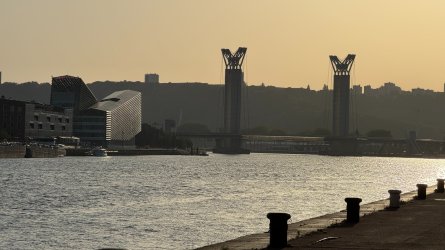
The Seine in front of the hotel.

IMG_0339.JPEG

I described the Novotel in the Accor thread. It was very hot the entire 3 days I was there - 35 to 39 degrees max.

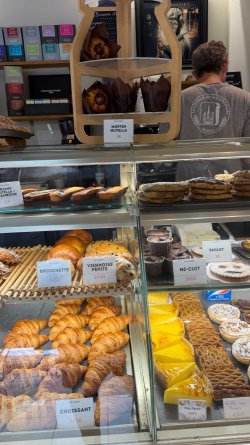
I learned one thing here - as well as museums, patisseries are closed Mondays! I rarely pay for breakfast to be included when I'm staying downtown and a quick google found a nice patisserie nearby (I mean - how could there not be a nice patisserie nearby!) which was open Monday morning.

Decent location

IMG_0500.JPEG IMG_0403.JPEG

IMG_0313.JPEG

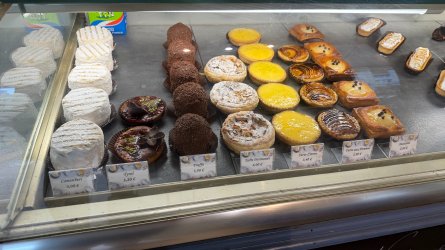
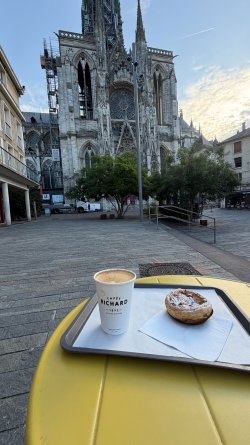
Where else to have a tarte normande for breakfast 😋

IMG_0314.JPEG IMG_0315.JPEG
 
Last edited:
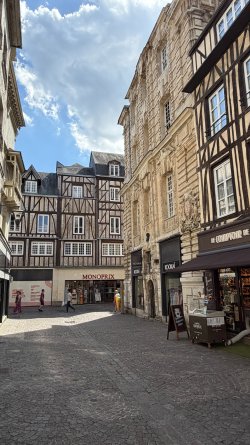
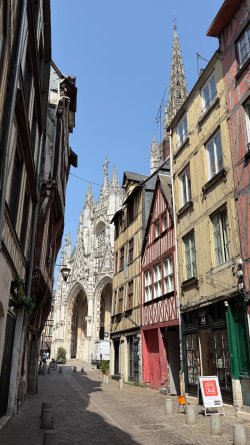
A walk around the old town. There isn't a single district of medieval buildings, but there are clusters of them over a large area. No idea what is surviving from the Middle Ages Vs rebuilt after the war.

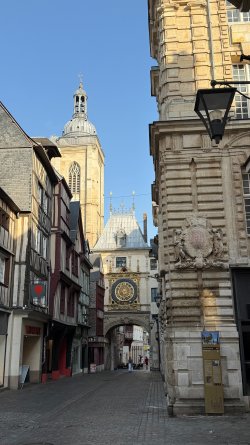
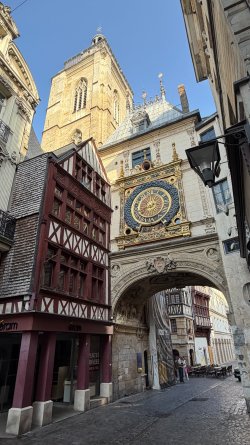
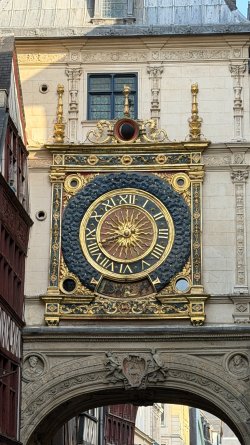
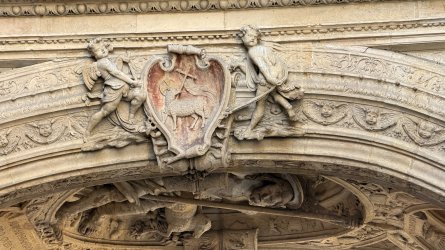
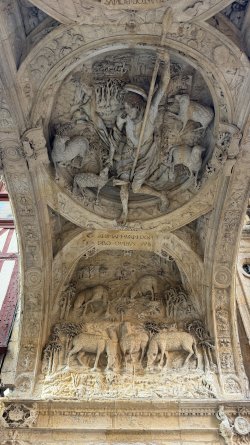
One of the key sights is the Gros Horloge (Great Clock), one of the oldest clock mechanisms in France. Originally built in 1389, it was moved to its present location in Rue du Gros Horloge in the 1500s. It has one 'hand' and originally did not have a dial backing.

The early-morning stoller gets the pic without the hoards. The tower to the left is probably historically more important, also dating from 1389 and replacing an earlier one that was razed by Charles VI following a revolt.

IMG_0319.JPEG IMG_0322.JPEG

IMG_0321.JPEG

IMG_0230.JPEG

Underneath the arch

IMG_0324.JPEG
 
Read our AFF credit card guides and start earning more points now.

AFF Supporters can remove this and all advertisements

Would boulangeries open earlier than patisseries? Or maybe it is the same shop.?

There would be others who would know better than me, but my understanding/experience:

I didn't search for boulangeries (suppliers of 'basic' bread/brioche products) only patisseries which sell the sweeter/craftsman stuff and in France at least, legally have to employ a licensed master pastry chef. Can be the same shop. So don't know if pure boulangeries were open/about, but I'd have expected so.
______________________

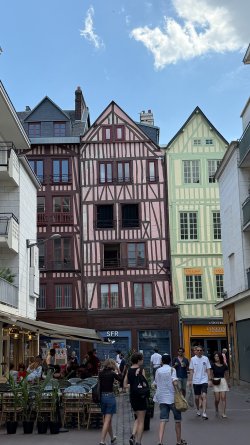
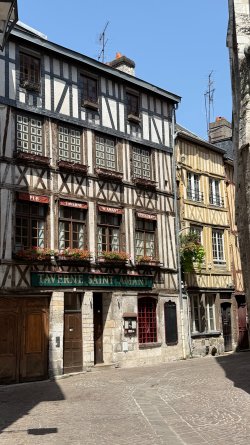
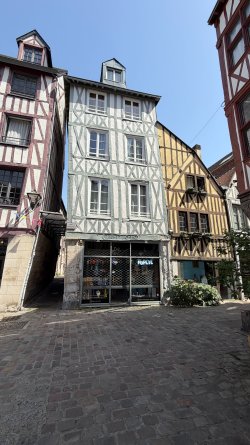
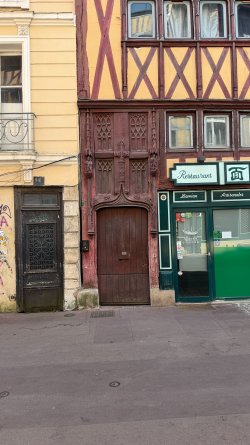
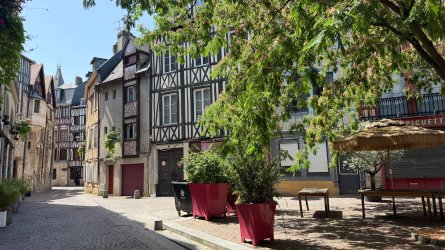
Now, I've seen & shown plenty of maisons à colombages and in Rouen there are plenty more - more, in fact than I was expecting. I suspect many were post war re-builds but many seemed genuinely ancient. There were many more >3 stories, as befits the centre of a city.

IMG_0234.JPEG IMG_0247.JPEG

IMG_0448.JPEG IMG_0491.JPEG

IMG_0486.JPEG IMG_0487.JPEG

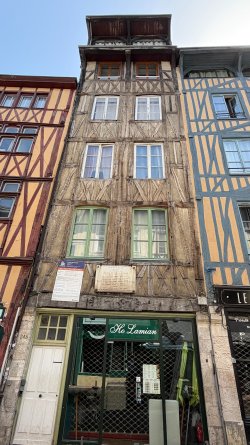
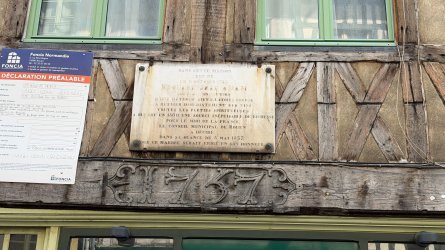
This place looked interesting, and had a plaque

IMG_0489.JPEG IMG_0488.JPEG

Celebrating Edouard Jean Adam, who invented a process to extract all 'spiritous elements' from wines in 1800. ?teetoaller?

IMG_0492.JPEG

IMG_0449.JPEG
 
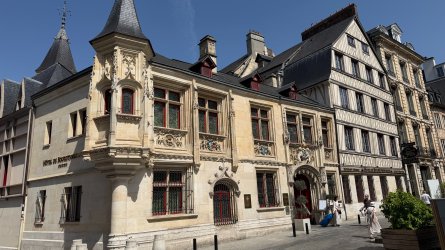
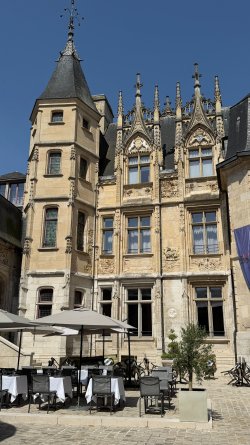
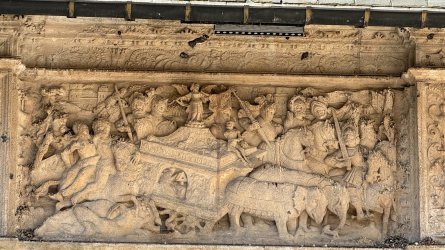
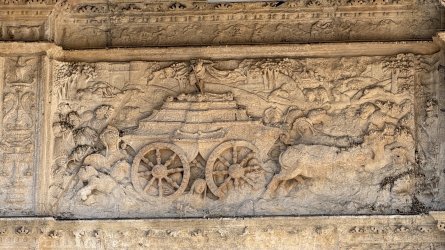
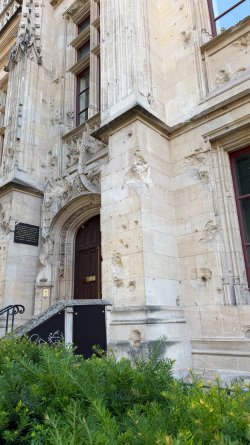
I happened across the Hôtel de Bourgtheroulde. Now a Marriott hotel, it was built very early in the 16th century by Guillaume II Le Roux, lord of Bourgtheroulde and member of the Exchequer of Normandy. As usual, a fire and a WW2 bomb caused much damage, but mainly to the interior and to a tower. The facade is largely intact.

IMG_0428.JPEG

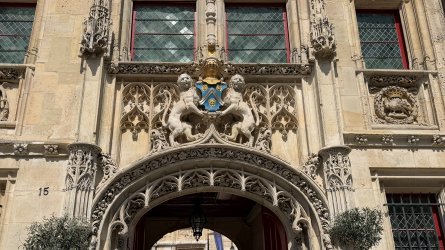
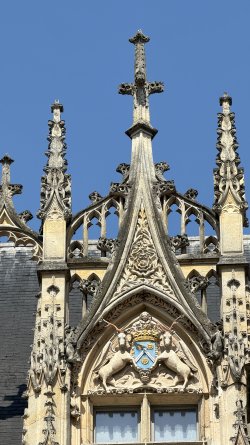
Had a gander at the inner courtyard, through the gated arch presided over by 2 Norman leopards holding the coat of arms of the lords of Bourgtheroulde.

IMG_0429.JPEG

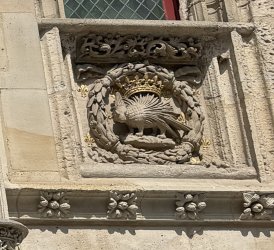
.... and to the right a porcupine, emblem of Louis XII (I mean, who knew?)

Porcupine.JPEG

In the courtyard

IMG_0430.JPEG

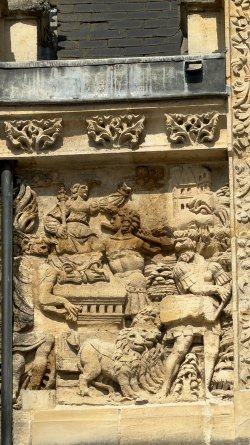
The top windows Google tells me recount scenes from 14th century Triumphs of Petrach which Louis XII was keen on.

IMG_0431.JPEG

IMG_0432.JPEG

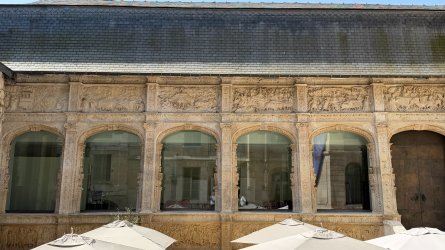
To the left in the courtyard is this loggia, with bas reliefs carved across the top inspired by Triumphs. Along the bottom (and not noticed by me) are scenes from the The Field of the Cloth of Gold. The Field of the Cloth of Gold was a summit meeting between King Henry VIII of England and King Francis I of France from 7 to 24 June 1520.

IMG_0433.JPEG

IMG_0434.JPEG

IMG_0435.JPEG

Love to come back and stay here. In August, base room from between 200 and 300 euros/night.
 
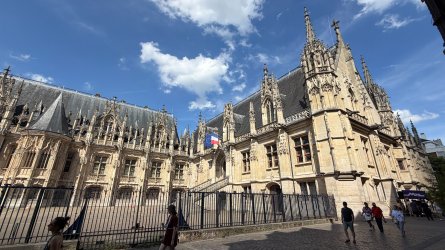
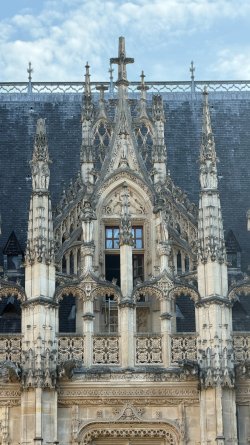
Parlement of Normandy building, hemmed in by newer buildings never-the-less impressive.

The Parlement of Rouen (the provincial capital of Normandy), also known as the Parlement of Normandy was a provincial parlement of the Kingdom of France. It replaced the ancient court of the exchequer of Normandy, set up by Rollo, first duke of Normandy.

The parlement was built in a mixing of the French Flamboyant style and Renaissance architecture by Roger Ango and Roulland le Roux, between 1499 and 1508, during the reign of the king Louis XII of France. Today, the building is the seat of the courthouse of the city of Rouen.

So, built the same time as the hotel, above.

IMG_0238.JPEG

IMG_0332.JPEG IMG_0241.JPEG

IMG_0244.JPEG

IMG_0245.JPEG

Very evocative one end of the building

IMG_0376.JPEG

IMG_0381.JPEG

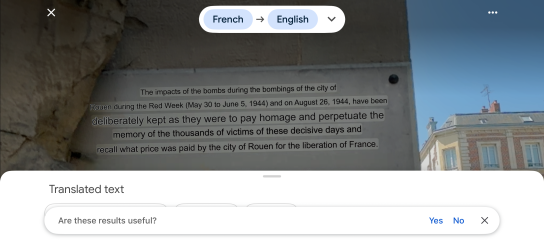
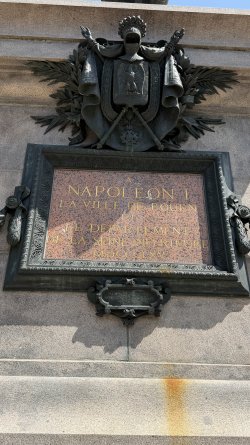
Translation of a plaque there.

IMG_0380.PNG
 
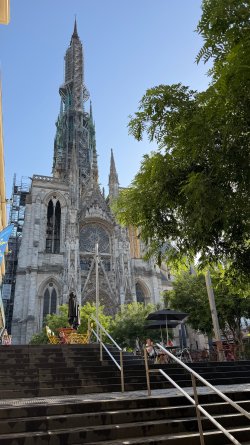
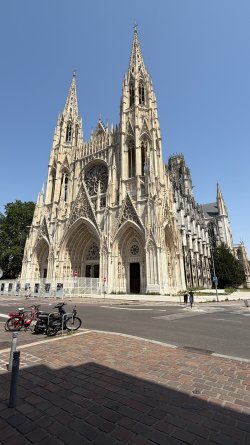
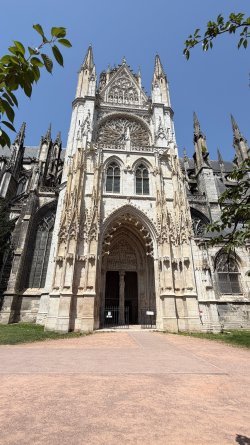
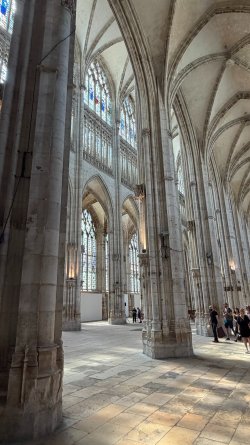
This is a church, not a cathedral.

IMG_0451.JPEG

IMG_0466.JPEG

Not a bad church. :)

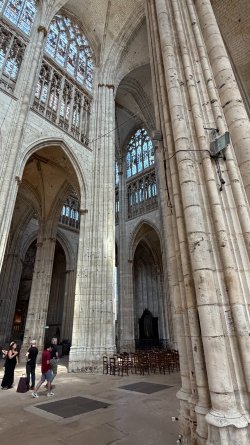
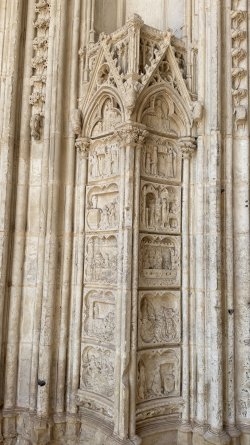
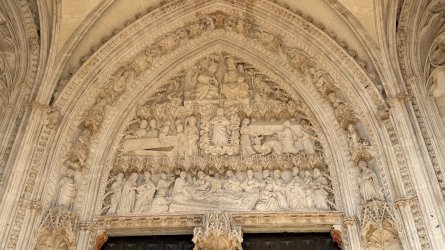
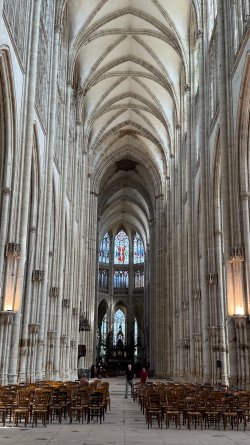
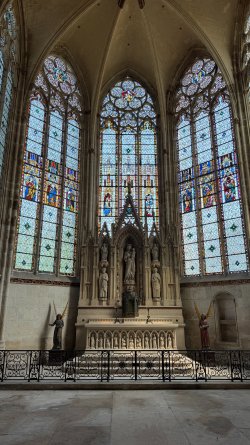
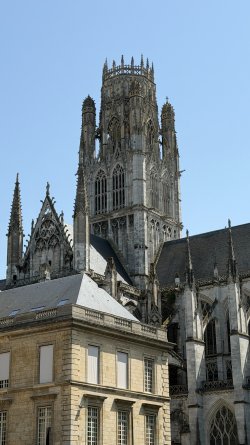
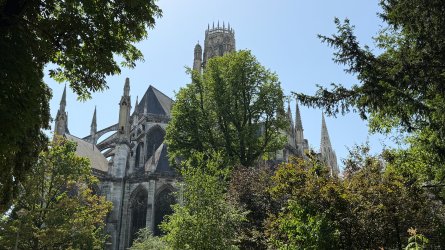
Its the church of the Abbey of St Ouen. The scale is ridiculous - 137m long with 33m high vaulted ceiling in the nave.

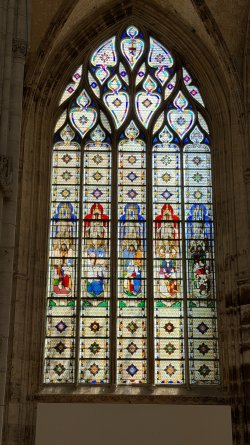
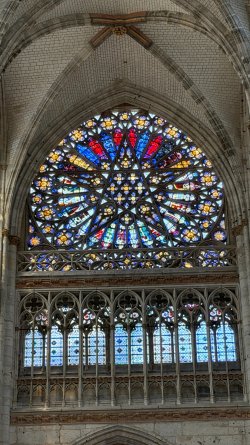
The current church building was originally built as the abbey church of Saint-Ouen for the Benedictine Order, beginning in 1318 and interrupted by the Hundred Years' War and sacked and badly damaged during the Harelle. It was completed in the 15th century in the Flamboyant style.


IMG_0453.JPEG IMG_0455.JPEG

IMG_0454.JPEG

IMG_0463.JPEG

IMG_0461.JPEG

Stained glass from 15th & 16th centuries

IMG_0458.JPEG IMG_0462.JPEG

IMG_0468.JPEG IMG_0476.JPEG

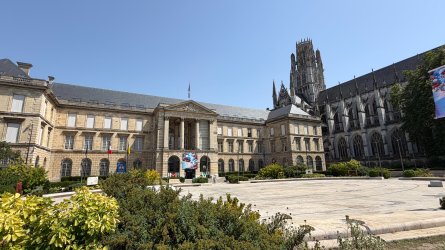
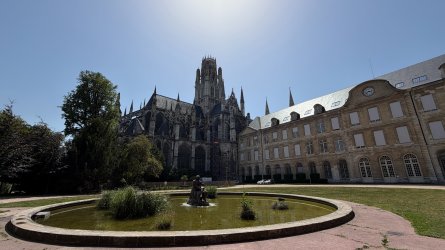
The abbey buildings were extensive but nearly all are gone now, leaving a large park. Confiscated during the French Revolution, the remaining one has become the Rouen City Hall.
 
The Hotel de Ville

IMG_0475.JPEG

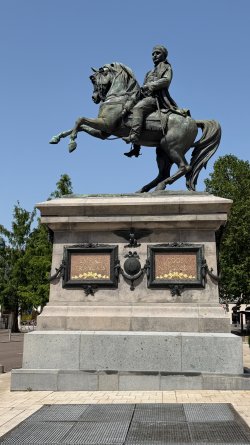
With this chap out front

IMG_0473.JPEG

IMG_0472.JPEG IMG_0477.JPEG

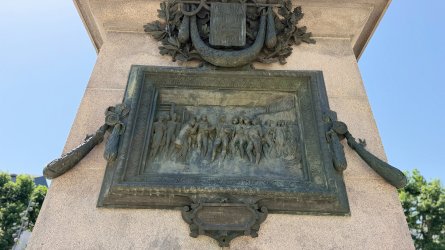
There is an interesting story about it


IMG_0480.JPEG

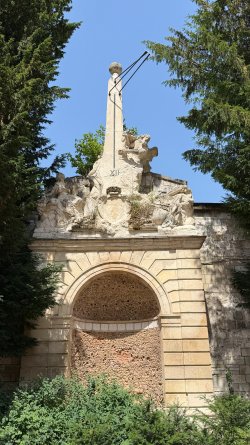
A sundial clock from 1753, originally erected on the banks of the Seine, moved to a park behind the town hall (Abbey gardens) in 1827.

IMG_0483.JPEG

IMG_0484.JPEG
 

Become an AFF member!

Join Australian Frequent Flyer (AFF) for free and unlock insider tips, exclusive deals, and global meetups with 65,000+ frequent flyers.

AFF members can also access our Frequent Flyer Training courses, and upgrade to Fast-track your way to expert traveller status and unlock even more exclusive discounts!

AFF forum abbreviations

Wondering about Y, J or any of the other abbreviations used on our forum?

Check out our guide to common AFF acronyms & abbreviations.
Back
Top