- Joined
- Nov 12, 2012
- Posts
- 32,291
- Qantas
- Platinum
- Virgin
- Gold
- Star Alliance
- Gold


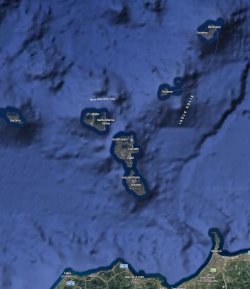
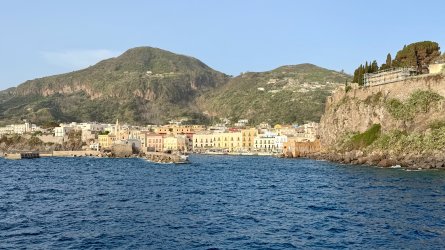
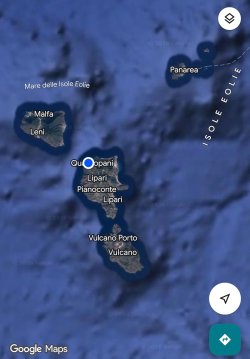
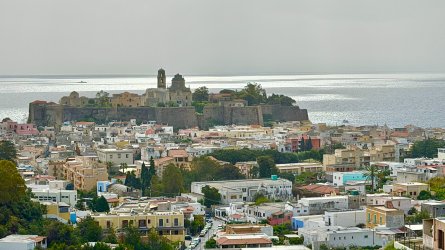
In 1544, Ottoman admiral Hayreddin Barbarossa ransacked Lipari and enslaved the entire population. Five French galleys under Captain Polin, including the superb Réale, accompanied Barbarossa's fleet on a diplomatic mission to Sultan Suleiman in execution of the Franco-Ottoman alliance. French priest Jérôme Maurand lamented about the depredation to his Christian fellow men during the campaign at Lipari: "To see so many poor Christians, and especially so many little boys and girls [enslaved] caused a very great pity." He also mentioned "the tears, wailings and cries of these poor Lipariotes, the father regarding his son and the mother her daughter... weeping while leaving their own city in order to be brought into slavery by those dogs who seemed like rapacious wolves amidst timid lambs".
A number of the citizens were ransomed in Messina and eventually returned to the islands.
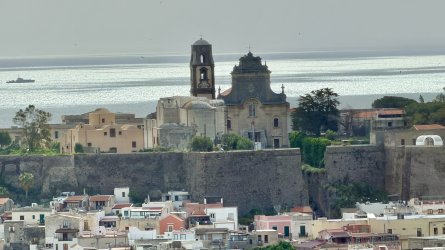
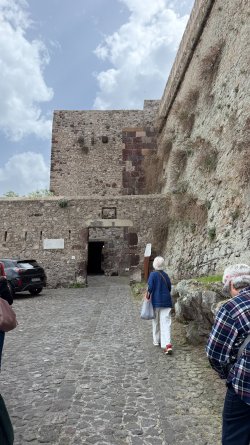
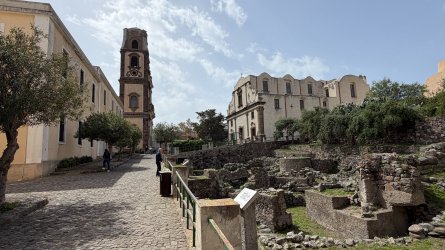
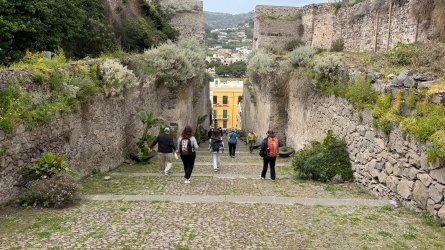
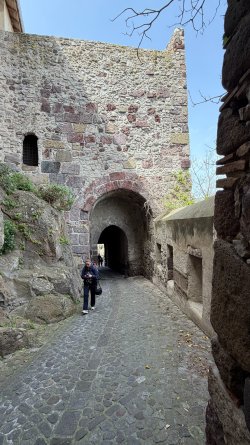
Charles V then had his Spanish subjects repopulate the island and build the massive city walls atop the walls of the ancient Greek acropolis in 1556.


AFF Supporters can remove this and all advertisements


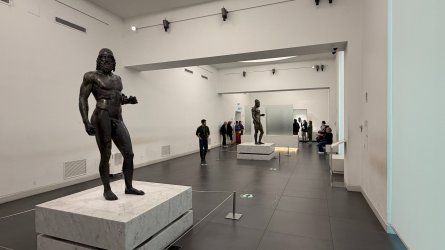
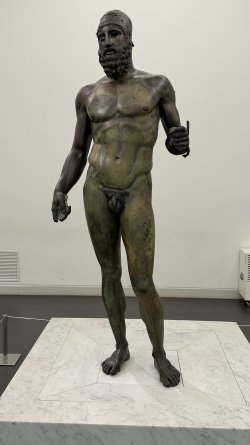
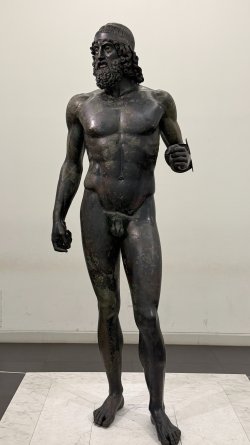
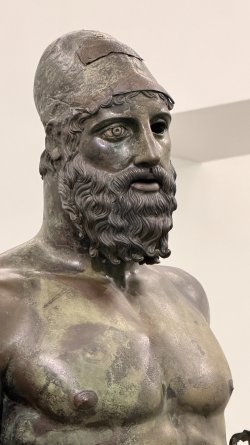
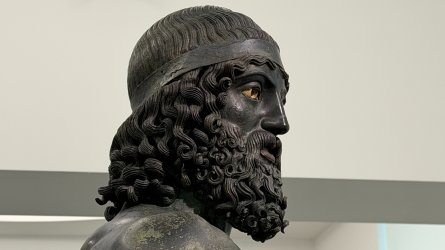
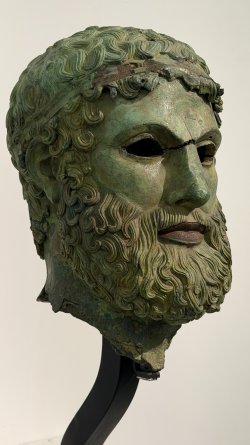
Two full-size Greek bronze statues of bearded warriors, cast about 460–450 BC, that were found in the sea in 1972 near Riace, Calabria, in southern Italy. They are two of the few surviving full-size ancient Greek bronzes (which were usually melted down in later times), and as such demonstrate the technical craftsmanship and artistic features that were achieved at this time.
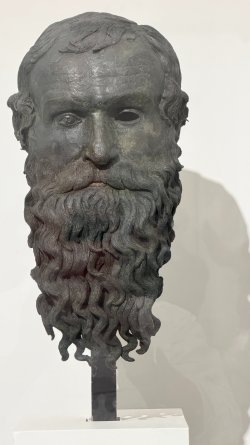
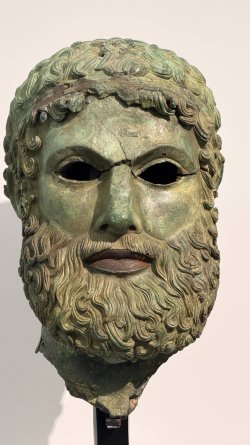
The bronzes are now on display inside a microclimate room on top of an anti-seismic platform faced in Carrara marble. Along with the bronzes, the room also contains two head sculptures: Testa del Filosofo and Testa di Basilea, which are also from the 5th century BC.


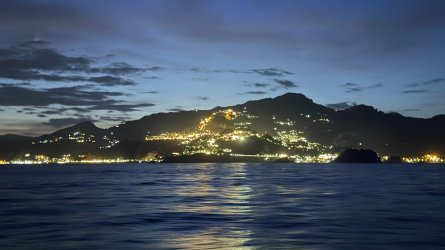
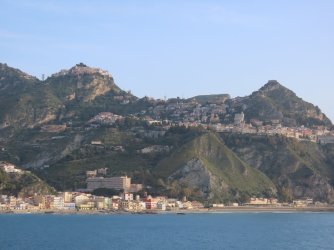
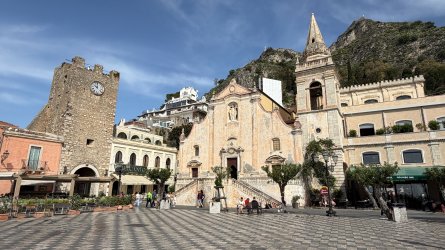
During World War II, it was the headquarters of the German Wehrmacht command, and on July 9, 1943, the feast day of its patron saint, Bishop Pancras, Taormina suffered two devastating bombing raids by Allied aircraft, destroying part of its southern section and a wing of the San Domenico Hotel, where a meeting of the German High Command was taking place.


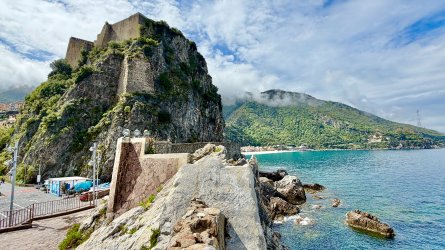
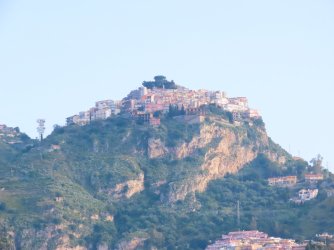
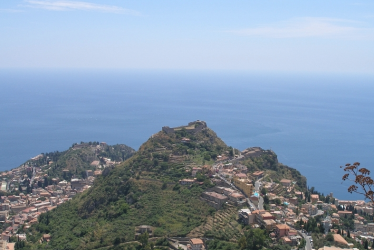
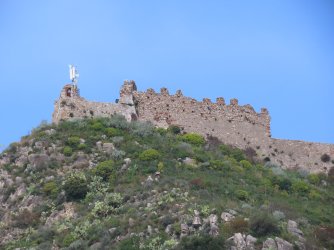
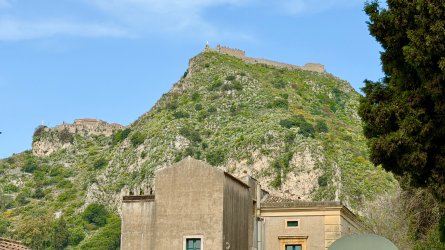
The town fell to the Muslims in 902 after a two-year siege. They rebuilt the castle in its current form, with a trapezoidal plan adapted to the rock's shape and crenelated walls.
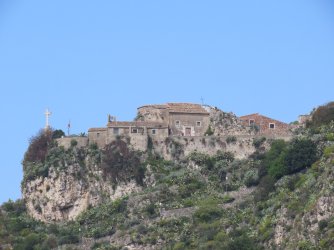
In 1078, the Norman Count Roger I of Sicily captured Taormina from the Muslims. By 1134, the castle was used by the San Salvatore la Placa monastery.