

Quickstatus
Enthusiast
- Joined
- Oct 13, 2013
- Posts
- 18,948
Humid?
I heard the monetary inflation of last year is improving?
I heard the monetary inflation of last year is improving?







Humid?
I heard the monetary inflation of last year is improving?
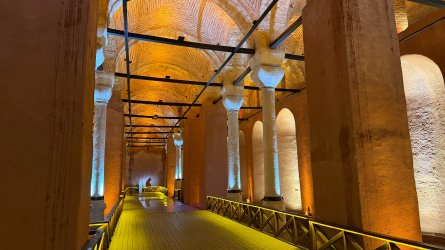
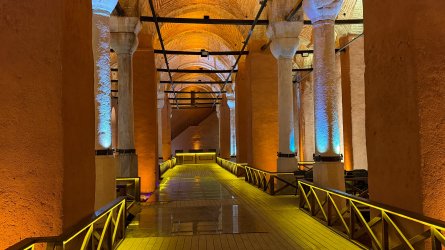
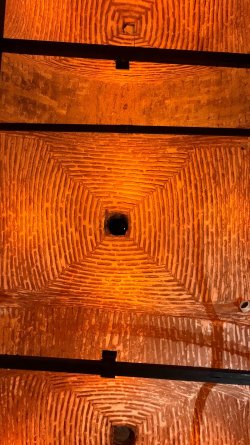
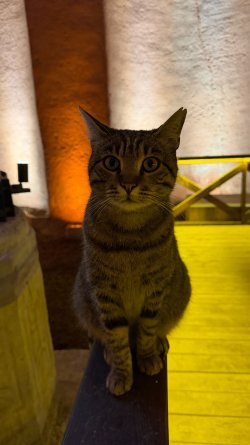
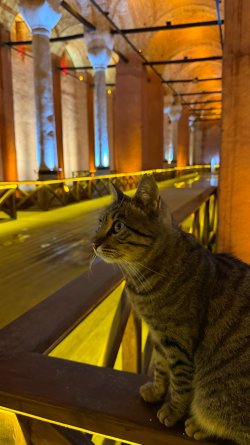
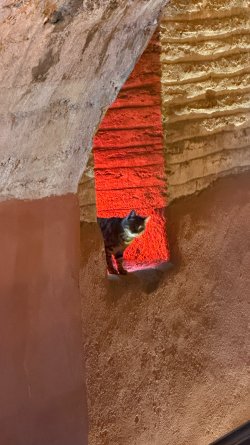
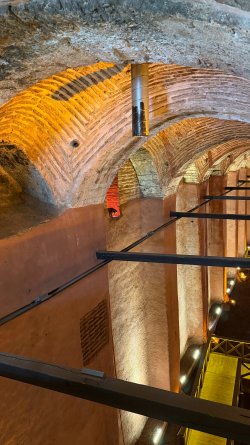
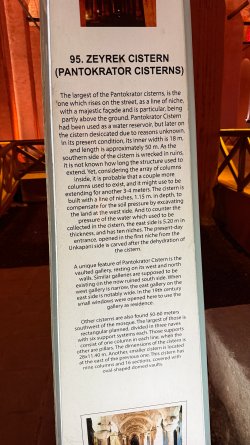
 )
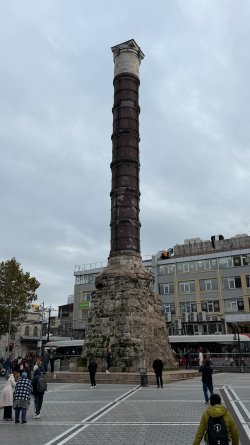
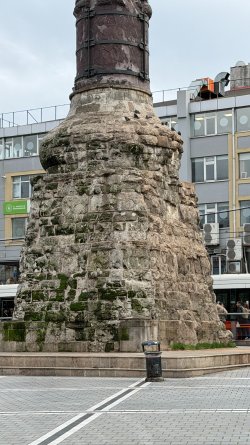
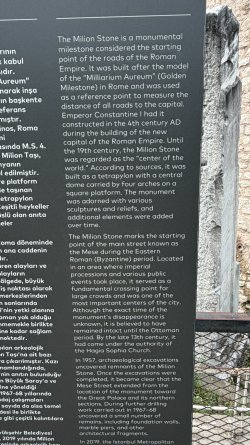
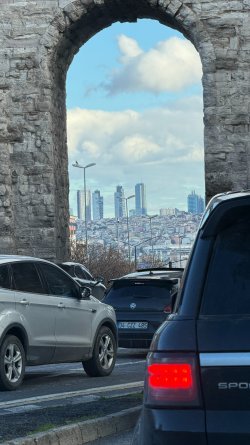
The Milion was a marker from which all distances across the Roman Empire were measured. Erected by Septimius Severus in the 3rd century AD in the city of Byzantium, it became the zero-mile marker for the empire upon the re-founding of the city as Constantinople in 330 AD. Thereafter, it would serve as the starting-place for the measurement of distances for all the roads leading to the cities of the Eastern Roman Empire. It thus served the same function as the Golden Milestone (Milliarium Aureum) in Rome's forum, erected by Augustus. The domed building of the Milion rested on four large arches and, over the centuries, it was expanded and decorated with several statues and paintings. Though it had survived the sack of Constantinople in 1204 and the Ottoman conquest of Constantinople in 1453, it disappeared by the start of the 16th century in the Ottoman era. During excavations in the 1960s, some partial fragments of the Milion were discovered under houses in the area.
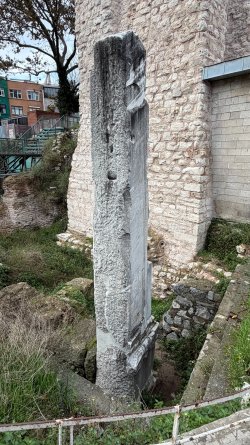

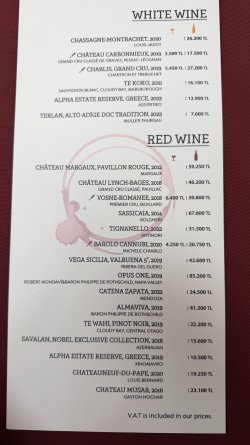
 cagalogluhamami.com.tr
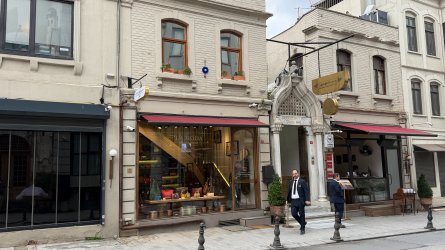
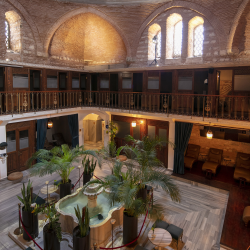
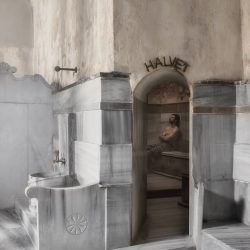
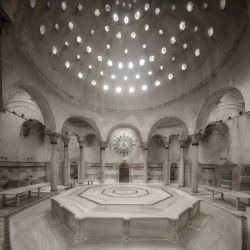
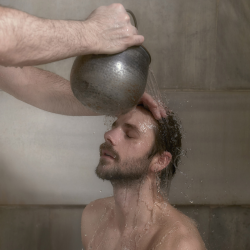


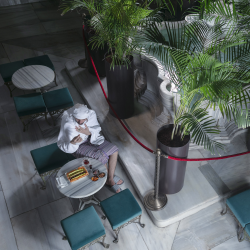
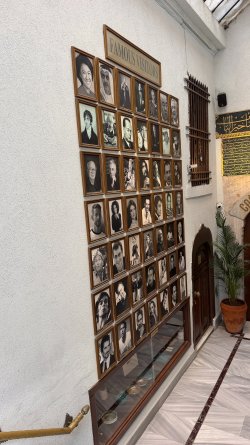
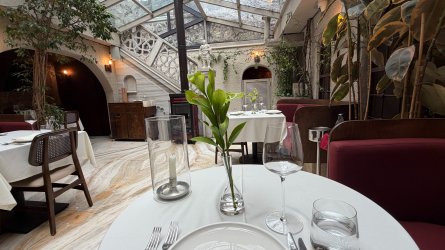
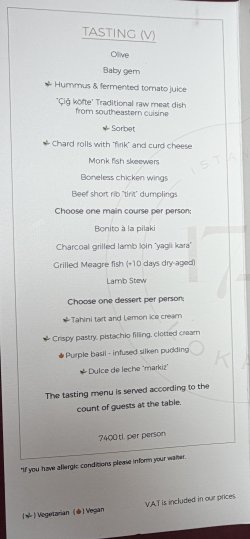
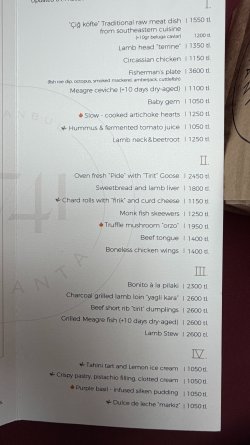
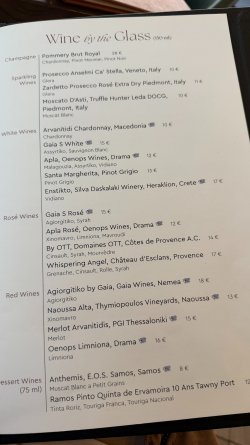
 with no wine
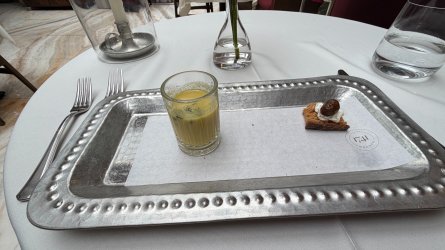
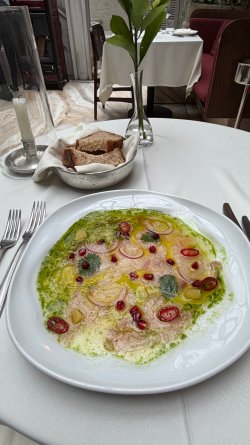
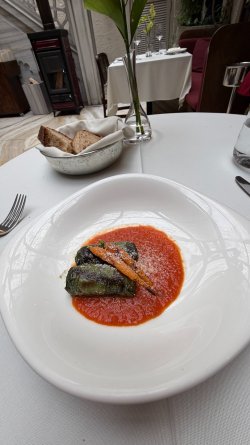
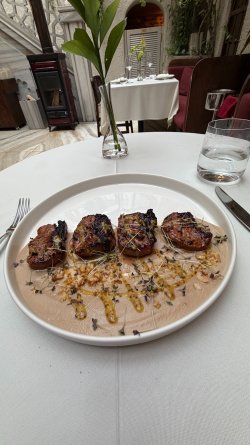

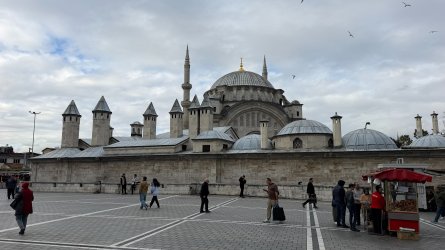
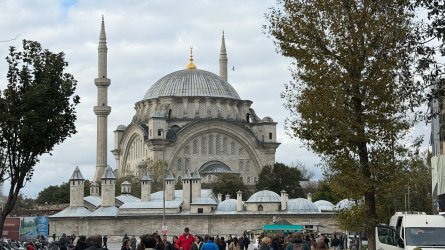
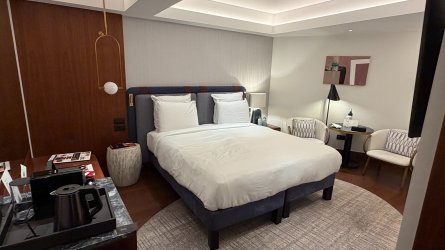
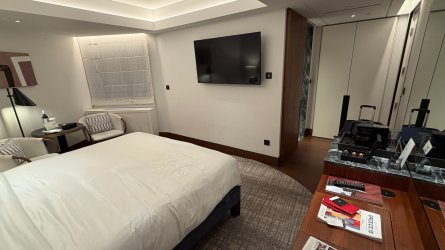
This reminded me in Morocco at Chefchouen where the mosques compete with each other for the loudest and best call to prayer. We were taken to a high vantage point to make our own assessment as the call peeled out across the panorama.Anyone who has been to Istanbul will know the experience of the quadro-octo- phonic calls to prayer around the Hagia Sophia and the waterfront. At the hotel it was very impressive too. Suleymaniye Mosque promenent in these.
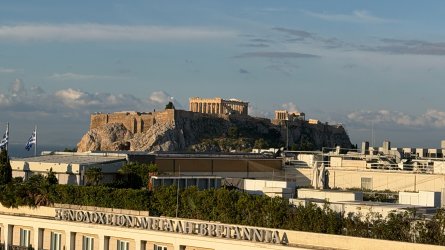
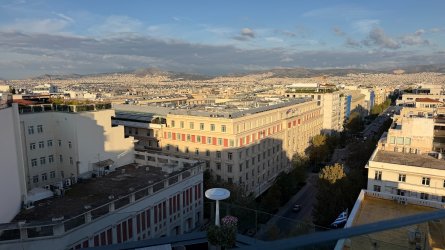
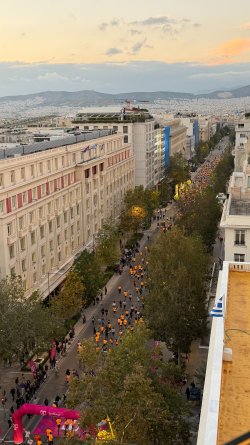
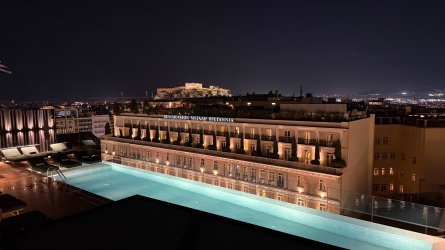
From the hotel terrace
From my room terrace
And a panorama from the top floor terrace of the Movenpick

AFF Supporters can remove this and all advertisements
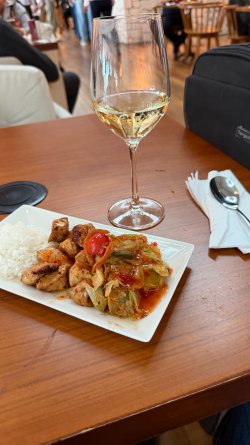
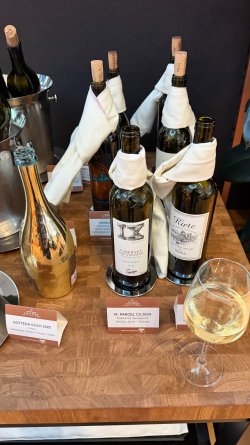
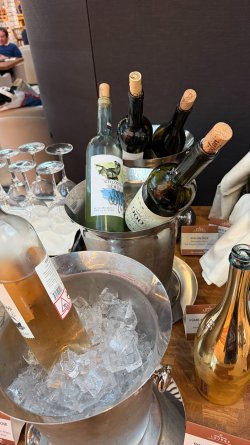
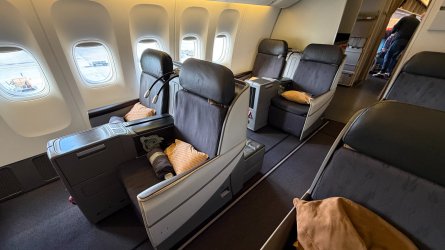
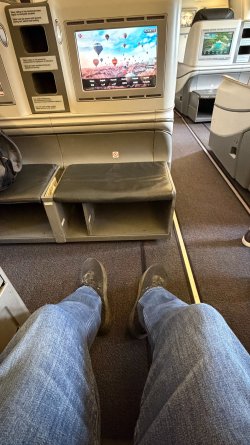
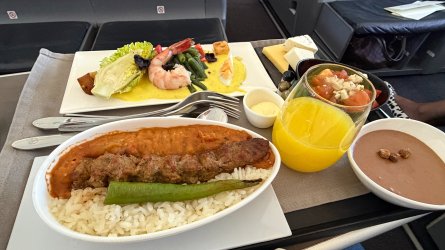
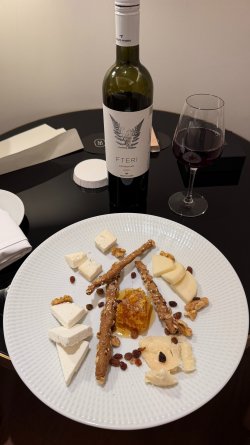
On a shorter flight than a SYD-MELThis was just plonked down in front of me - I didn't have much of it.
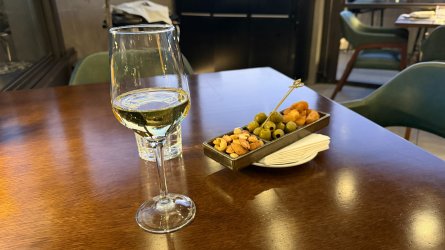
On a shorter flight than a SYD-MEL
Will QF take note?
 and Qantas, no hope

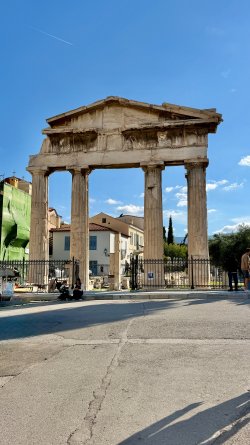
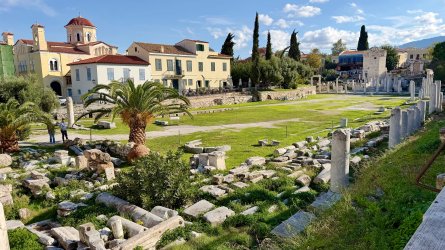
The Roman Agora was built around 100 metres east of the original agora by Eucles of Marathon between 27 BC and 17 BC (or possibly in 10 BC), using funds donated by Augustus, in fulfilment of a promise originally made by Julius Caesar in 51 BC. The Roman Agora has not today been fully excavated, but is known to have been an open space surrounded by a peristyle. To its south was a fountain. To its west, behind a marble colonnade, were shops and a Doric propylon (entrance), the Gate of Athena Archegetis. To its east was an Ionic gate, the East Propylon,next to the Tower of the Winds and a set of "vespasianae" (public toilets). An inscription records the existence of an Agoranomion (an office for market officials), while another, set on the propylon of Athena Archegetis records a decree from Hadrian's reign regarding the tax obligations of oil merchants.
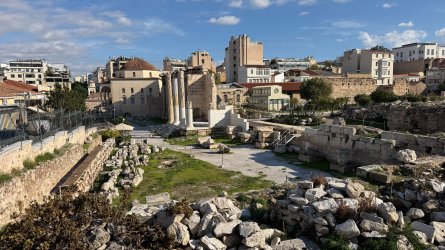
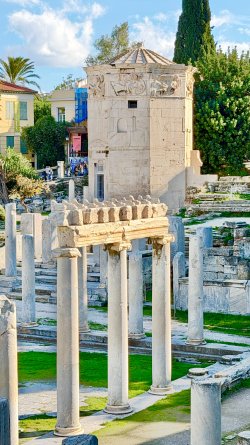
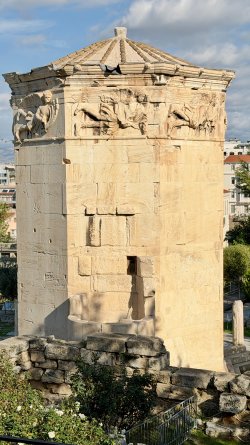
The Tower of the Winds is an octagonal Pentelic marble tower in the Roman Agora in Athens, named after the eight large reliefs of wind gods (in the form of young winged men and old men)[1] around its top. Its date is uncertain, but was completed by about 50 BC, at the latest, as it was mentioned by Varro in his De re Rustica of about 37 BC. It is "one of the very small number of buildings from classical antiquity that still stands virtually intact", as it has been continuously occupied for a series of different functions.
Formerly topped by a wind vane, it is the only surviving horologium or clock tower from classical antiquity.[4] It also housed a large water clock and incorporated sundials placed prominently on its exterior faces; "citizens were thus able by using this building to orient themselves in space and time. Architecture, sculpture and the new science were perfectly integrated". It was considered a marvel of technology.
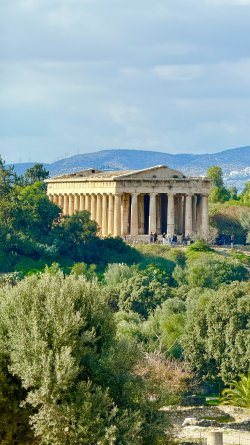
The Temple of Hephaestus is a well-preserved Greek temple dedicated to Hephaestus; it remains standing largely intact today. It is a Doric peripteral temple, and is located at the north-west side of the Agora of Athens, on top of the Agoraios Kolonos hill. From the 7th century until 1834, it served as the Greek Orthodox church of Saint George Akamates. The building's condition has been maintained due to its history of varied use.
After the Battle of Plataea, the Greeks swore never to rebuild their sanctuaries destroyed by the Persians during their invasion of Greece, but to leave them in ruins, as a perpetual reminder of the war. The Athenians directed their funds towards rebuilding their economy and strengthening their influence in the Delian League. When Pericles came to power, he envisioned a grand plan for transforming Athens into the centre of Greek power and culture. Construction started in 449 BC, and some scholars believe the building not to have been completed for some three decades, funds and workers having been redirected towards the Parthenon. The western frieze was completed between 445–440 BC, during which time the statue of Athena Hephaistia had been added to the shrine next to the cult statue of Hephaestus, while the eastern frieze, the western pediment and several changes in the building's interior are dated by these scholars to 435–430 BC, largely on stylistic grounds. It was only during the Peace of Nicias (421–415 BC) that the roof was completed and the cult images were installed.
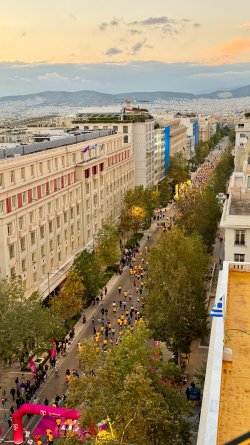
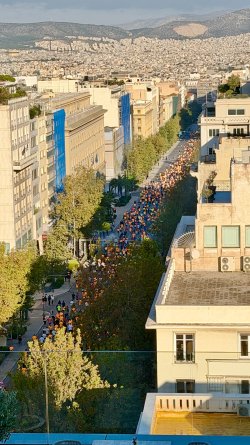
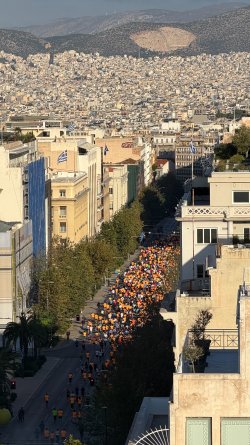
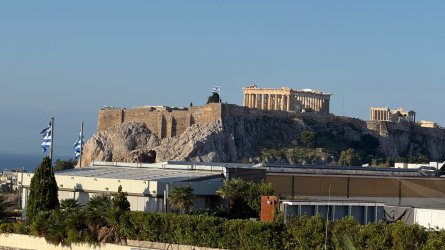
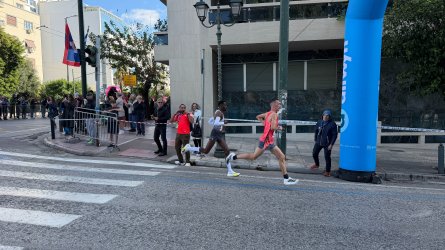
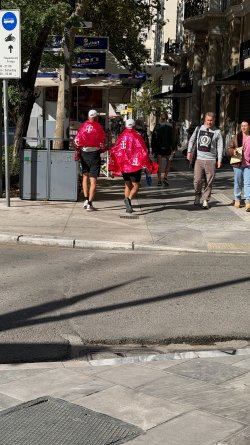
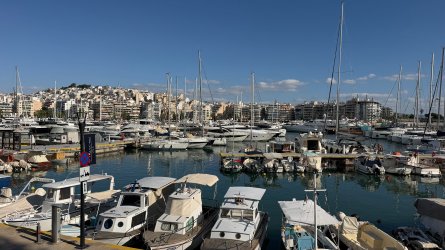
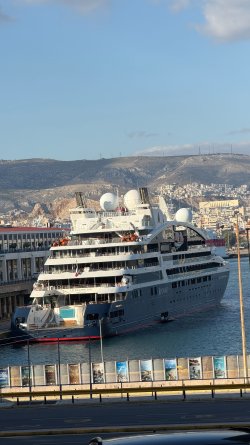
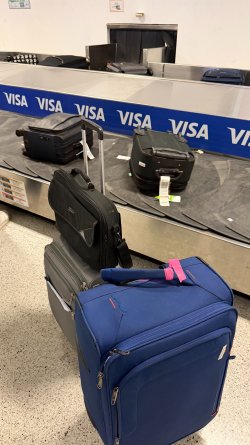
Can you drop luggage with the ship to facilitate more wanderings before boarding?And it was a quick trip to Piraeus port whare I had to kill 90 mins (dropped bag off) till boarding