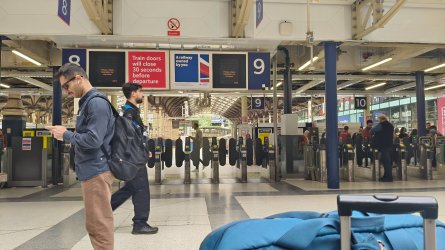
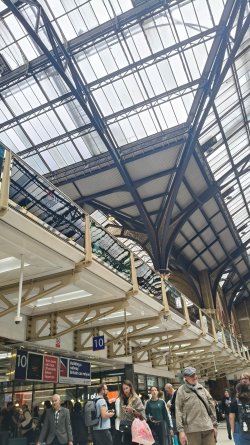
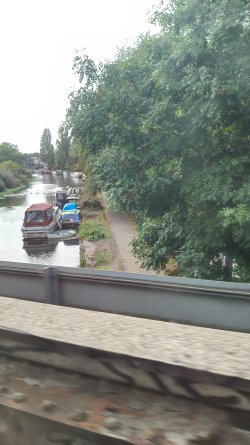
The next day we had our train tickets nicely organised to go to Cambridge. Unfortunately there was a major power failure on the line and a number of trains were cancelled including ours. I booked another train which was also cancelled when we arrived at Kings Cross Station to catch it. However we eventually caught the next one and arrived at Cambridge only an hour two later than planned. The power failure had been fixed by around noon. Because we had a bit of extra time we went for a last walk around the area.
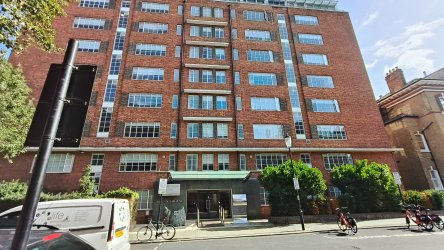
Our accommodation in London. My wife thought that it looked like it had originally been built as Nurse's Quarters. She lived in such places when she trained as a nurse at PMH in Perth. There are a number of hospitals nearby.
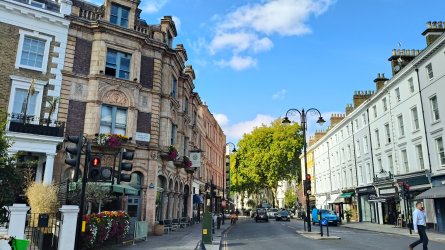
Nearby street scene
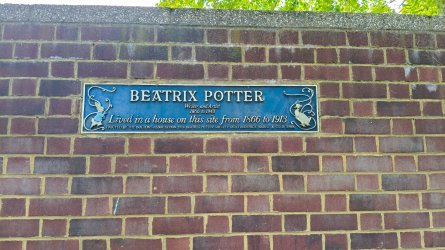
A little bit of history just down Old Brompton Road. The house was destroyed during the Blitz in 1940.
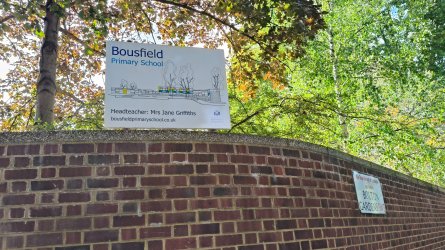
A Primary School (Government) now occupies the site. I am always intrigued by the English practice of putting the Head Teachers name on signs
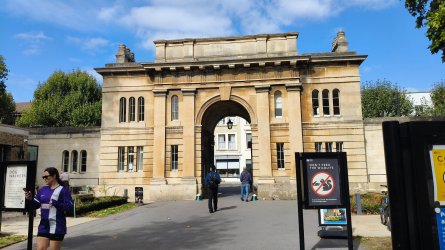
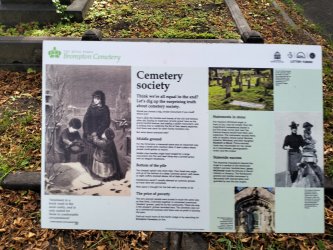
This walk meant that we were able to spend about 15 minutes at the Brompton Cemetery. It was established in 1839 and is
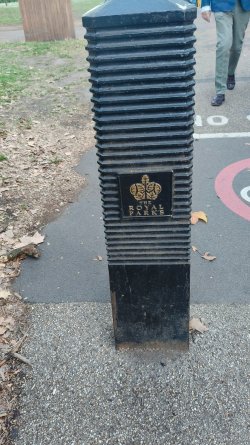
"the first (and only) London cemetery to be Crown property, managed by The Royal Parks". There are a number of famous people there inclucing the famous sufragete leader Emmeline Pankhurst, Dr John Snow -
"He is considered one of the founders of modern epidemiology and early germ theory, in part because of his work in tracing the source of a cholera outbreak in London's Soho, which he identified as a particular public water pump." and John Wisden, founder of the Wisden Cricketers' Almanack.
Brompton Cemetery - Wikipedia
The Grade I listed Brompton Cemetery in West London is the well-loved resting place of over 200,000 people and a haven for wildlife.

www.royalparks.org.uk
This was the early name of the cemetery
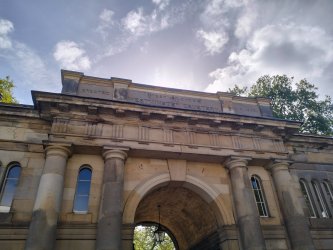
The reverse shot
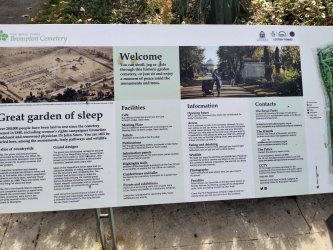
There were some lovely shady pathways
The cemetery chapel in the distance
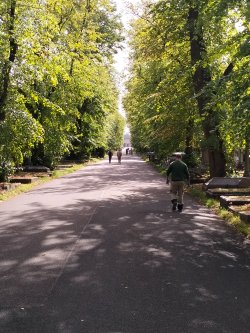
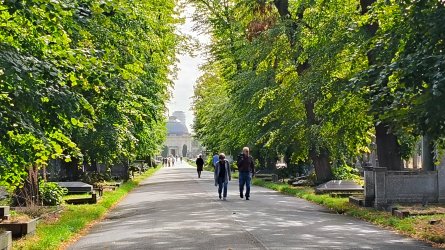
Some of it was overgrown
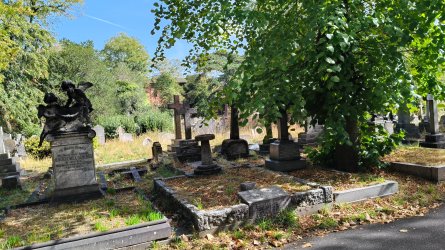
An ornate memorial
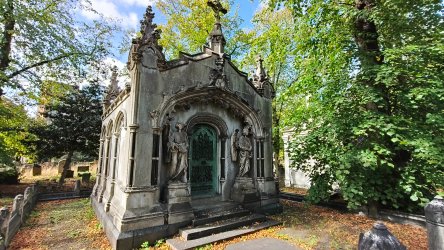
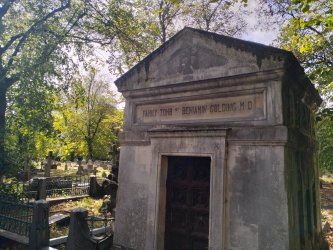
Benjamin Golding MD -
"was dedicated to providing free medical treatment to the poor. He also had the brilliant and revolutionary idea of integrating medical schools with hospitals, to ensure people would be treated effectively now and in future. He achieved both aims when he founded the West London Infirmary, which later became Charing Cross Hospital. It was the first hospital of its kind in London."
Dr Benjamin Golding (1793 - 1863)
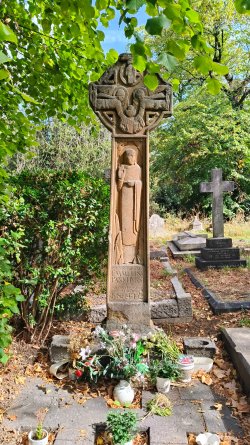
The grave of Emmeline Pankhurst - leader of the suffragette movement. It always seems so strange to read about the suffragette movement in the UK compared to how women gained the right to vote in Australia and New Zealand.

en.wikipedia.org
A 'pleasant' surprise for me was spotting the grave of the great Austrian tenor Richard Tauber. A star on stage, records and film in the 1920's to 40's. He was another artist forced to flee his homeland because of the rise of the naz_s. He has long been a favourite of mine. A.P Herbert was a humorist, novelist, playwright, law reformist. Very popular in the mid 20th C. He wrote the "Misleading Cases" series.
A lihk to his performance of "Vienna, CVity of My Dreams
en.wikipedia.org
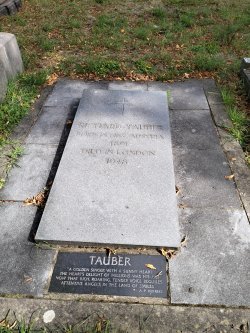










 It was a very apropos one considering my comments about weight gain.)